
Preparing for an endometriosis consultation can help you make better use of your appointment and ensure that important symptoms, concerns, and treatment goals are discussed. Endometriosis is a complex condition, and patients may arrive at a specialist consultation after months or years of pelvic pain, menstrual symptoms, fertility concerns, previous treatments, or inconclusive evaluations. Having your medical information organized can give your specialist a clearer picture of your health history and current symptoms.
Preparation should include gathering medical records, tracking symptoms, listing medications and allergies, reviewing previous treatments, and writing down questions before the appointment. Patients should also be prepared to discuss how symptoms affect daily life, relationships, emotional well-being, and reproductive goals. A well-organized consultation can support a more detailed evaluation and help patients participate actively in decisions about diagnosis, pain management, fertility, and potential surgical or non-surgical treatment options.
What to Prepare Before Your Endometriosis Consultation

A productive consultation begins before you arrive at the specialist’s office. Organizing your medical history and documenting symptoms can help your healthcare provider understand the progression of your condition and identify areas that require further evaluation.
Gather Your Medical Records and Previous Test Results
Bring relevant medical records, imaging results, laboratory reports, previous diagnostic tests, and information about past abdominal or reproductive surgeries. Organizing these records chronologically can make it easier for your specialist to understand what evaluations and treatments have already been completed.
Previous ultrasound or MRI results, operative reports, and records from previous gynecologic treatment may be particularly useful. You should also prepare a complete medication list that includes current dosages and any known medication allergies.
Create a Detailed Symptom Diary
A symptom diary can provide valuable information about how symptoms change throughout your menstrual cycle. Record when pain occurs, where it is located, how severe it becomes, how long it lasts, and whether particular activities or stages of your menstrual cycle make it worse.
Include symptoms beyond pelvic pain. Bloating, diarrhea, painful urination, urinary frequency, painful intercourse, heavy menstrual bleeding, fatigue, and fertility difficulties may all be relevant to the evaluation. Explaining how these symptoms affect work, sleep, exercise, relationships, and normal daily activities can provide additional context.
Organize Your Medical, Surgical, and Family History
Prepare a chronological summary of previous health conditions, surgeries, endometriosis treatments, and responses to medications or procedures. Include treatments that were ineffective as well as those that provided temporary or lasting improvement.
Family history can also be relevant. Document any known family history of endometriosis or other reproductive health conditions. If fertility is a concern, prepare information about previous pregnancies, attempts to conceive, fertility evaluations, and fertility treatments. For more detail, see our article How to Prepare Your Body for Endometriosis Surgery.
Questions to Ask Your Endometriosis Specialist

Patients should feel comfortable asking detailed questions during an endometriosis consultation. Understanding the diagnostic process, available treatments, surgical techniques, and fertility considerations can help you make more informed healthcare decisions.
Ask About Diagnosis and Treatment Options
Consider asking what additional testing may be needed and how your specialist plans to evaluate your symptoms. Imaging studies such as transvaginal ultrasound or MRI may assist in identifying endometriosis lesions or cysts, while laparoscopy can allow direct visualization of pelvic structures.
Questions about treatment should address both surgical and non-surgical approaches. Patients may want to discuss hormonal therapies, pain management strategies, laparoscopic excision, and other treatments relevant to their individual circumstances.
Useful questions include:
-
What treatment options are appropriate for my symptoms?
-
What are the potential benefits and risks?
-
What side effects should I expect?
-
How will we monitor whether treatment is working?
-
What happens if my symptoms return?
What treatment options are appropriate for my symptoms?
What are the potential benefits and risks?
What side effects should I expect?
How will we monitor whether treatment is working?
What happens if my symptoms return?
These discussions can help establish realistic expectations before beginning treatment.
Ask About Surgical Experience and Techniques
If surgery is being considered, ask about the surgeon’s experience treating endometriosis and performing minimally invasive procedures. Knowing how to choose an endometriosis specialist can help you evaluate fellowship training, laparoscopic surgical experience, and experience performing similar procedures.
Patients should also understand the difference between excision and ablation and ask which approach is being recommended. Other important questions include the expected recovery time, potential surgical risks, follow-up care, and how treatment would be adjusted if symptoms persist or return.
Discuss Fertility and Long-Term Treatment Goals
Fertility goals should be discussed early because they may influence treatment planning. Tell your specialist whether you are currently trying to conceive, hope to become pregnant in the future, or have previously experienced fertility difficulties.
Patients may also want to ask how endometriosis or the proposed treatment could affect fertility and whether fertility preservation should be considered. Previous pregnancies, fertility treatments, and reproductive concerns should be included in this discussion.
Treatment goals should extend beyond fertility. Consider what level of pain reduction, physical functioning, and improvement in quality of life you hope to achieve. Clearly communicating these priorities can help your healthcare provider develop a plan that reflects your individual needs.
What to Expect During and After Your Consultation
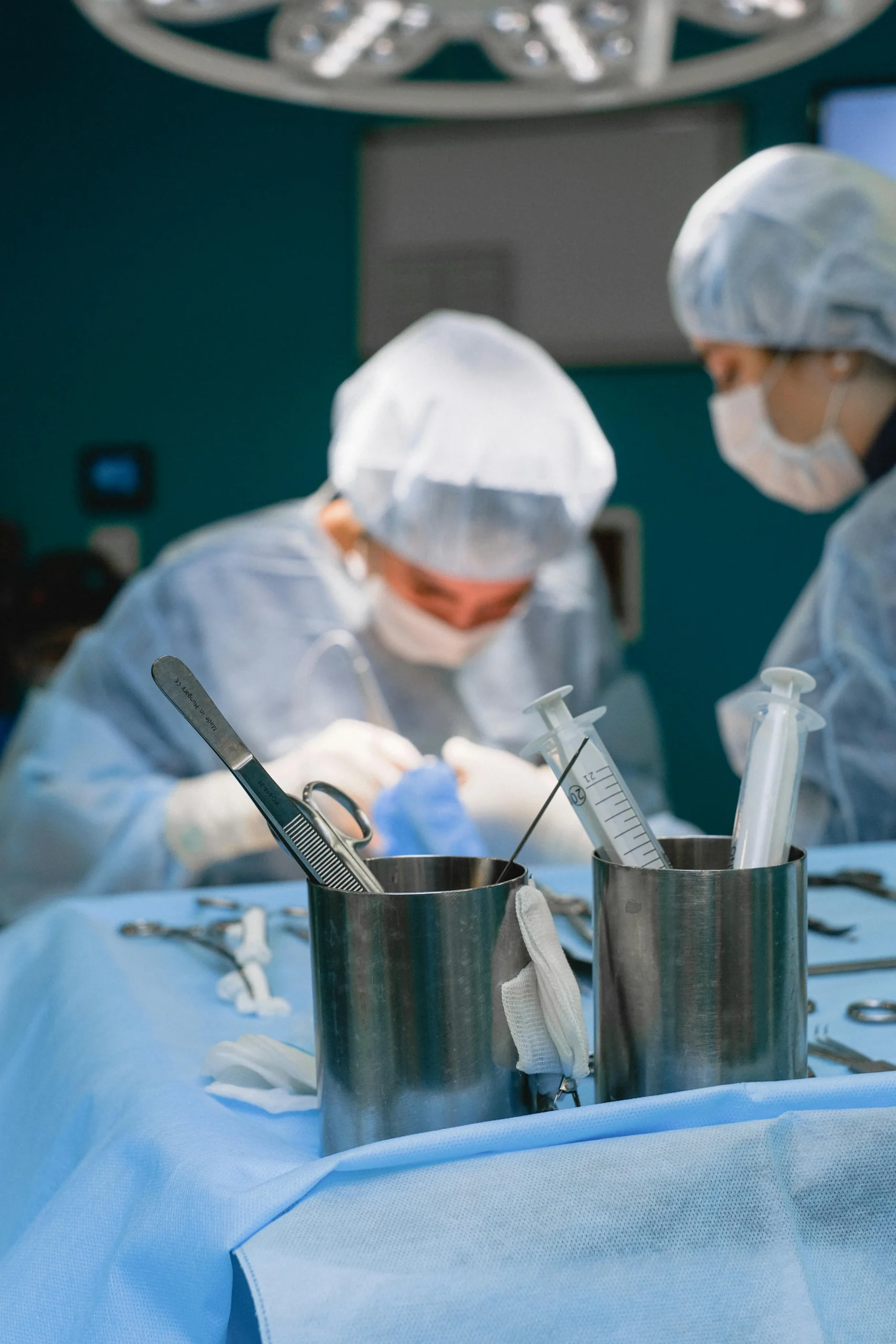
An endometriosis consultation typically involves a detailed assessment of your symptoms, medical history, previous treatments, and personal goals. At a specialized center, this process may also include discussion of multidisciplinary care and advanced treatment options. Read more in Essential Preparations for an Endometriosis Consultation.
Expect a Detailed Review of Your Symptoms
Your specialist may ask detailed questions about pelvic pain, menstrual symptoms, bowel or bladder problems, painful intercourse, fatigue, and fertility. You may also be asked to describe where pain occurs, when it becomes worse, and whether symptoms follow a cyclical pattern.
Pain severity may be discussed using a rating scale. Bringing a symptom diary can make this conversation more specific and help demonstrate patterns that may otherwise be difficult to recall during the appointment. We cover this further in Endometriosis Symptom Checklist for Accurate Diagnosis.
Be open about the emotional impact of symptoms as well. Chronic pain can affect relationships, mental health, work, and everyday functioning, and these factors can be relevant when developing a comprehensive treatment plan.
Discuss a Personalized Multidisciplinary Treatment Plan
Endometriosis management may involve more than one healthcare specialty. Depending on individual needs, a multidisciplinary plan can include gynecologists, fertility specialists, pain management professionals, physical therapists, and psychological support.
Pain management may include medications, hormonal therapies, pelvic floor physical therapy, and lifestyle adjustments. Combining different strategies allows treatment to address multiple aspects of the condition instead of focusing solely on one symptom.
Your treatment plan should consider your symptoms, previous treatment responses, reproductive goals, quality of life, and personal preferences.
Understand the Next Steps After Your Appointment
Before leaving your consultation, make sure you understand what happens next. This may include additional testing, follow-up appointments, treatment initiation, or further discussions about surgery.
Write down the primary concerns addressed during the appointment, the proposed treatment options, and any actions you need to complete. Regular follow-up evaluations allow your healthcare team to monitor treatment effectiveness, incorporate your feedback, and identify new or changing symptoms.
If you are unsure about anything discussed during the consultation, ask for clarification before making major treatment decisions.
Frequently Asked Questions
What should I bring to my first endometriosis consultation?
Bring previous medical records, imaging results, laboratory reports, operative reports, a medication and allergy list, and information about previous treatments. A symptom diary, prepared questions, and relevant family history can also help make the appointment more productive. When you are ready to talk through your options, schedule an appointment with our team.
What symptoms should I tell my endometriosis specialist about?
Discuss chronic pelvic pain, painful periods, pain during intercourse, heavy menstrual bleeding, gastrointestinal symptoms, urinary symptoms, fatigue, and fertility difficulties. Explain when symptoms occur and how they affect your everyday life.
Should I bring someone with me?
If permitted by the healthcare facility, bringing a trusted friend or family member may provide emotional support and help you remember important information. They can also assist with taking notes during the consultation.
What should I ask if endometriosis surgery is recommended?
Ask about the proposed surgical technique, potential risks, expected recovery time, follow-up care, and the surgeon’s experience performing similar procedures. You can also ask about the difference between excision and ablation and why a particular approach is being recommended. You can read more about endometriosis excision surgery at our center.
Should I discuss fertility even if I am not currently trying to conceive?
Yes. If future fertility matters to you, discussing reproductive goals early can help your healthcare provider consider them when developing a treatment plan. Endometriosis and certain treatments may influence reproductive planning.
What happens after an endometriosis consultation?
Next steps may include follow-up appointments, additional diagnostic testing, starting treatment, or discussing surgical options. Ongoing monitoring allows the treatment plan to be adjusted based on symptoms and response to care.
Conclusion
Preparing for an endometriosis consultation can make it easier to communicate your symptoms, understand your options, and participate actively in treatment decisions. Start by gathering medical records, previous imaging and test results, medication information, and details about past treatments. Keeping a symptom diary can also help your specialist understand pain patterns and how symptoms relate to your menstrual cycle and daily activities.
During the consultation, ask questions about diagnosis, treatment options, surgical techniques, pain management, fertility, and long-term follow-up. Be clear about your priorities and how endometriosis affects your quality of life. After the appointment, review the recommended next steps and maintain regular communication with your healthcare team as your treatment plan develops. Read more in Endometriosis Diagnosis Consultation: How to Prepare.
A consultation is not simply an opportunity to describe symptoms. It is also a chance to understand your condition, clarify your treatment goals, and develop a personalized approach to managing endometriosis over the long term.