
Getting answers about pelvic pain, heavy periods, painful sex, or fertility concerns can feel frustrating, especially when symptoms have been affecting your daily life for months or years. An endometriosis diagnosis consultation is a first step toward understanding what may be causing your symptoms and what care options may be appropriate for you.
During the consultation, your doctor will review your symptoms, medical history, menstrual cycle, previous test results, and any concerns you may have about pain, fertility, or long-term health. Depending on your situation, they may recommend a pelvic exam, ultrasound, MRI, referral to an endometriosis specialist, or further evaluation.
This guide explains what to expect during an endometriosis diagnosis consultation, how to prepare for your appointment, which symptoms to discuss, and what tests may be considered. It is designed to help you feel more informed, more prepared, and more confident when speaking with your healthcare provider.
What Is an Endometriosis Diagnosis Consultation?
An endometriosis diagnosis consultation is an appointment focused on understanding symptoms that may be related to endometriosis, such as pelvic pain, painful periods, pain during sex, digestive discomfort, or difficulty getting pregnant. The goal is not only to look for signs of endometriosis, but also to understand how your symptoms are affecting your daily life.
During the consultation, your doctor will usually ask about your menstrual cycle, pain patterns, medical history, previous treatments, and any tests you have already had. They may also ask how long symptoms have been happening, whether they are getting worse, and whether they affect work, school, sleep, relationships, or physical activity.
Why the Consultation Matters
Endometriosis can be difficult to diagnose because symptoms vary from person to person and may overlap with other conditions. A careful consultation helps your doctor decide which next steps may be most useful, such as symptom tracking, imaging, pain management, specialist referral, or further testing. It also gives you the opportunity to explain your symptoms in your own words, ask questions, and discuss your personal goals, including pain relief, fertility planning, or improving quality of life.
What Your Doctor May Be Looking For
Your doctor may look for patterns that could suggest endometriosis or another condition causing pelvic pain. This may include symptoms that worsen around your period, pain that continues outside your cycle, pain during sex, bowel or bladder symptoms, heavy bleeding, or fertility concerns.
The consultation may also help your doctor decide whether additional evaluation is needed. This could include a pelvic exam, ultrasound, MRI, or referral to an endometriosis specialist, depending on your symptoms and medical history.
Symptoms to Discuss With Your Doctor

Endometriosis symptoms can look different from person to person. Some people have severe pain, while others may have symptoms that are easier to dismiss or mistake for normal period discomfort. During your consultation, it is helpful to describe what you are feeling, when it happens, how often it occurs, and how much it affects your daily life.
Period Pain That Disrupts Daily Life
Painful periods are one of the most common symptoms people discuss during an endometriosis consultation. While mild cramping can happen during menstruation, pain that causes you to miss work, school, social plans, or regular activities should be taken seriously.
Tell your doctor if your period pain is severe, lasts for several days, gets worse over time, or does not improve with usual pain relief methods. It may also help to explain where the pain is located, whether it spreads to your back or legs, and whether it comes with nausea, fatigue, or digestive symptoms.
Pelvic Pain Outside Your Period
Some people with endometriosis have pelvic pain even when they are not menstruating. This pain may feel dull, sharp, aching, or pressure-like, and it may come and go throughout the month.
During your appointment, let your doctor know if pelvic pain happens between periods, after physical activity, during bowel movements, or at certain points in your cycle. These details can help your doctor better understand your pain pattern and decide whether further evaluation may be needed.
Pain During or After Sex
Pain during or after sex can be difficult to talk about, but it is an important symptom to mention. Endometriosis-related pain may feel deep in the pelvis and may continue even after sex.
Your doctor is there to discuss these symptoms respectfully and without judgment. Sharing this information can help guide the consultation, especially if the pain is new, worsening, or affecting your relationships, comfort, or emotional well-being.
Heavy or Irregular Bleeding
Heavy periods, bleeding between periods, or changes in your usual cycle may also be worth discussing. You may want to tell your doctor if you soak through pads or tampons quickly, pass large clots, bleed for longer than usual, or feel unusually tired during your period.
Heavy bleeding does not always mean endometriosis, but it can help your doctor understand the full picture and consider whether other conditions should also be checked.
Bowel, Bladder, or Digestive Symptoms
Endometriosis can sometimes be associated with digestive or urinary symptoms, especially when they become worse around your period. These may include bloating, constipation, diarrhea, painful bowel movements, nausea, or discomfort when urinating.
Because these symptoms can overlap with other conditions, it is useful to track when they happen and whether they follow a monthly pattern. Bring this information to your consultation so your doctor can consider both gynecologic and non-gynecologic causes.
Trouble Getting Pregnant
Some people first learn they may have endometriosis while trying to get pregnant. If you have been having difficulty conceiving, have had previous fertility evaluations, or are planning for pregnancy in the future, mention this during your consultation. Fertility goals can influence which tests or treatment options your doctor may recommend, so it is helpful to discuss them early.
Fatigue and Emotional Strain
Living with ongoing pain or unexplained symptoms can be exhausting. Fatigue, anxiety, frustration, low mood, and feeling dismissed are common experiences for many people seeking an endometriosis diagnosis. Let your doctor know if symptoms are affecting your sleep, work, relationships, mental health, or ability to enjoy daily life. These details matter because endometriosis care should focus not only on diagnosis, but also on improving quality of life.
How to Prepare Before Your Appointment

Preparing for your endometriosis consultation can help you feel more confident and make the appointment more productive. You do not need to have everything perfectly organized, but bringing clear information about your symptoms, medical history, and main concerns can help your doctor understand what you are experiencing.
Track Your Symptoms
Before your appointment, try to keep a simple record of your symptoms. This can be done in a notebook, calendar, notes app, or symptom-tracking app.
Helpful details to include are:
- When your pain happens
- Where the pain is located
- How severe the pain feels
- How long symptoms last
- Your period dates and bleeding level
- Bowel, bladder, or digestive symptoms
- Pain during or after sex
- Fatigue, nausea, or other symptoms
- Medications, heat therapy, rest, or other methods you have tried
You do not need months of records to have a useful appointment. Even a few weeks of notes can help show patterns that may not be obvious from memory alone.
Bring Relevant Medical Information
If possible, bring any information that may help your doctor understand your health history. This may include previous ultrasound or MRI reports, lab results, surgery records, current medications, past hormonal treatments, or notes from other healthcare providers.
It is also helpful to mention any history of ovarian cysts, pelvic infections, painful periods since adolescence, previous abdominal or pelvic surgery, fertility concerns, or family history of endometriosis.
Write Down Your Main Questions
Appointments can feel rushed, and it is easy to forget what you wanted to ask. Writing down your questions beforehand can help you stay focused and make sure your biggest concerns are addressed.
You may want to ask:
- Could my symptoms be related to endometriosis?
- What else could be causing my pelvic pain?
- Do I need an ultrasound or MRI?
- What can these tests show, and what can they miss?
- When is laparoscopy considered?
- What can I do to manage pain while waiting for answers?
- Should I see an endometriosis specialist?
- How could this affect fertility or future pregnancy plans?
Think About Your Goals for Care
Before the consultation, consider what matters most to you right now. For some people, the main goal is reducing pain. For others, it may be understanding fertility options, getting a clearer diagnosis, improving daily function, or deciding whether specialist care is needed.
Sharing your priorities helps your doctor recommend next steps that fit your needs, not just your test results.
What Happens During the Consultation?

An endometriosis diagnosis consultation usually starts with a detailed conversation about your symptoms, health history, and concerns. The appointment is a chance for your doctor to understand what you have been experiencing, how long symptoms have been present, and how they are affecting your daily life.
Your doctor may also discuss possible causes of your symptoms. Endometriosis may be one possibility, but pelvic pain, heavy bleeding, digestive discomfort, or fertility concerns can have several causes. A careful consultation helps your doctor decide which next steps may be most appropriate for you.
Review of Your Symptoms and Health History
Your doctor will likely ask about your menstrual cycle, pain patterns, bleeding, digestive symptoms, bladder symptoms, sexual pain, previous treatments, and any fertility concerns. They may ask when symptoms started, whether they have changed over time, and whether they get worse around your period.
It can help to be as specific as possible. For example, instead of saying, “My periods are painful,” you might explain how many days the pain lasts, whether it stops you from doing normal activities, and what you have tried for relief. These details can help your doctor better understand the severity and pattern of your symptoms.
Physical or Pelvic Exam, If Appropriate
Depending on your symptoms and comfort level, your doctor may recommend a physical exam or pelvic exam. This may help them check for tenderness, cysts, pelvic tightness, or other signs that could guide the next steps.
A pelvic exam does not always confirm or rule out endometriosis. Some people with endometriosis may have a normal exam, while others may have findings that suggest further evaluation is needed. Your doctor should explain what the exam involves before it begins, and you can ask questions or share concerns at any point.
Discussion of Possible Next Steps
After reviewing your symptoms and exam findings, your doctor may talk with you about what to do next. This could include symptom tracking, medication options, imaging tests, referral to a specialist, or further evaluation.
The next step will depend on your symptoms, medical history, fertility goals, previous test results, and how much your symptoms are affecting your quality of life. Not everyone needs the same tests or treatment plan, so your consultation should be tailored to your individual situation.
Tests That May Help Diagnose Endometriosis
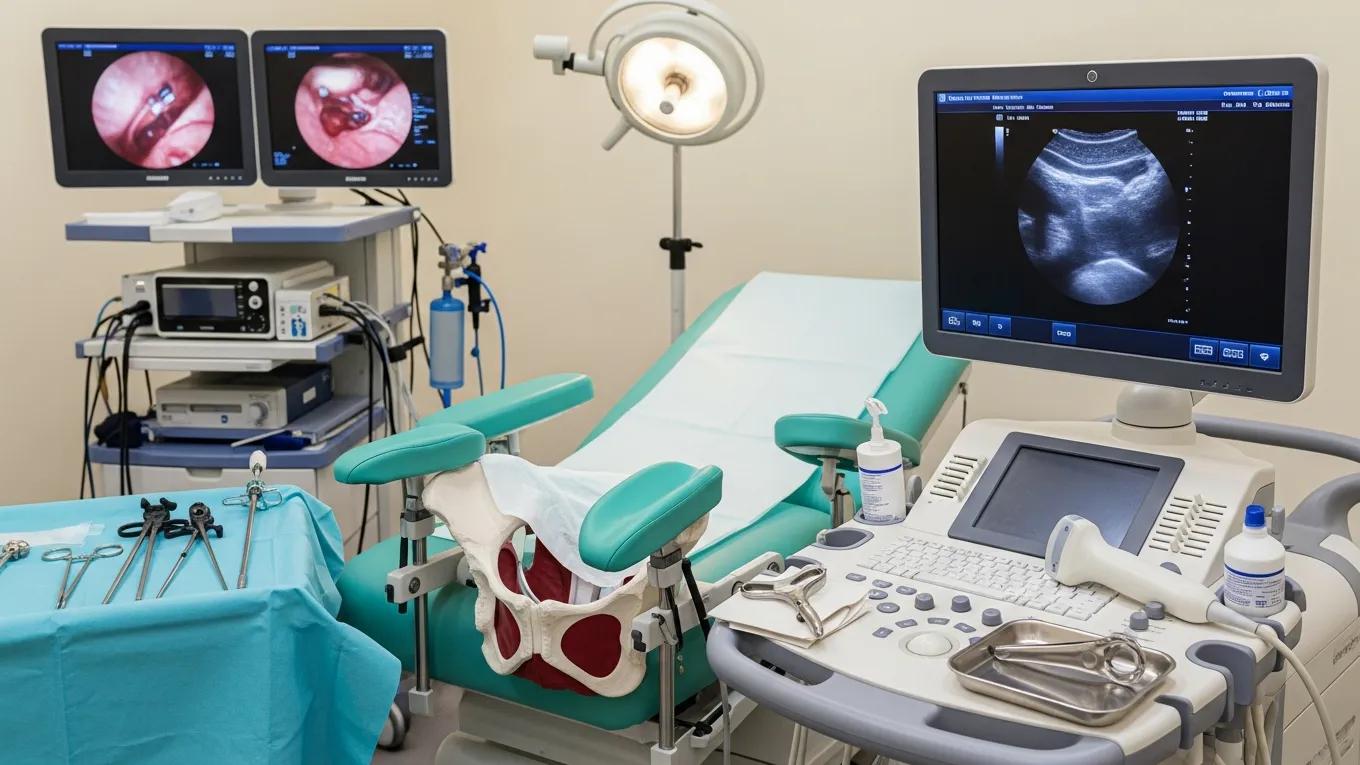
There is no single simple test that diagnoses every case of endometriosis. Instead, doctors usually look at your symptoms, medical history, physical exam findings, and imaging results together. In some cases, laparoscopy may be recommended for a closer look inside the pelvis.
The goal of testing is to better understand what may be causing your symptoms and whether endometriosis, ovarian cysts, fibroids, pelvic inflammation, or another condition could be involved.
Pelvic Exam
A pelvic exam may help your doctor check for tenderness, cysts, scar-like tissue, or areas of pain. This exam can provide useful information, especially when combined with your symptom history.
However, a pelvic exam cannot always detect endometriosis. Some people with endometriosis have no obvious findings during an exam, so a normal exam does not necessarily mean symptoms should be ignored.
Ultrasound
An ultrasound uses sound waves to create images of the pelvic organs. It may be done externally on the abdomen or internally with a small probe placed in the vagina, depending on what your doctor recommends and what is appropriate for you.
Ultrasound can help identify ovarian cysts called endometriomas and may also show other possible causes of symptoms, such as fibroids or ovarian cysts. However, ultrasound may not detect all types of endometriosis, especially smaller or more superficial areas.
MRI
An MRI may be recommended when your doctor needs more detailed images of the pelvis. It can be helpful when deeper endometriosis is suspected or when surgical planning requires a clearer view of certain areas.
Not everyone needs an MRI during the diagnosis process. Your doctor may recommend it based on your symptoms, ultrasound results, exam findings, or treatment plan. You may also find What to Prepare for Endometriosis Diagnosis: A Helpful Guide helpful.
Laparoscopy
Laparoscopy is a minimally invasive surgery that allows a specialist to look inside the pelvis using a small camera. If suspicious areas are seen, the surgeon may remove or biopsy tissue for further evaluation. You may also find How to Prepare Your Body for Endometriosis Surgery helpful.
Laparoscopy may be considered when symptoms are significant, imaging does not give enough information, or treatment is being planned. It is not always the first step for every patient, and your doctor should discuss the possible benefits, risks, and alternatives with you before recommending it.
Why Diagnosis Can Take Time
Endometriosis can take time to diagnose because symptoms vary widely and can overlap with other conditions. Some people have severe pain with small areas of disease, while others may have fewer symptoms despite more visible findings.
This is why your symptoms matter. Even if imaging is normal, your pain and daily experience should still be taken seriously. A thoughtful evaluation can help your doctor decide whether more testing, specialist referral, or symptom-focused treatment may be needed.
Endometriosis Diagnosis: Laparoscopy Gold Standard & Non-Invasive Test Challenges
About 10% of reproductive‑aged women are affected by endometriosis, a chronic, costly condition that causes pelvic pain and subfertility. Laparoscopy remains the diagnostic gold standard but involves cost and surgical risk. At present, there are no non‑invasive tests in routine clinical practice that accurately diagnose endometriosis. Endometrial biomarkers for the non‑invasive diagnosis of endometriosis, D Gupta, 1996
Understanding Your Results and Care Options

After your consultation and any recommended tests, your doctor will review the findings with you and explain what they may mean. Sometimes the results clearly suggest endometriosis. Other times, the results may be normal or unclear, even if symptoms are still present. Read more in How to Prepare for Your Endo Consultation: A Checklist.
This part of the process should help you understand what has been found, what still needs to be checked, and which care options may be appropriate for your symptoms, health history, and personal goals.
What Happens If Endometriosis Is Suspected
If your symptoms suggest endometriosis, your doctor may recommend a care plan even before there is a confirmed surgical diagnosis. This may include pain relief options, hormonal medication, pelvic floor physical therapy, lifestyle support, or referral to an endometriosis specialist.
Your doctor may also recommend follow-up appointments to see whether your symptoms improve with treatment. If symptoms continue, worsen, or affect fertility planning, additional imaging or a specialist consultation may be recommended. Read more in Essential Preparations for an Endometriosis Consultation.
What Happens If Endometriosis Is Confirmed
If endometriosis is confirmed, your doctor will discuss what the diagnosis means for your care. The next steps may depend on where endometriosis is found, how severe your symptoms are, whether other conditions are present, and whether you are trying to get pregnant now or in the future.
A confirmed diagnosis does not mean there is only one treatment path. Some people manage symptoms with medication and supportive care, while others may need surgery or more specialized treatment. Your doctor should explain the options clearly so you can make informed decisions.
Treatment Options Your Doctor May Discuss
Treatment for endometriosis is usually tailored to the individual. Your doctor may discuss one or more options depending on your symptoms and goals.
Possible care options may include:
- Pain relief medications
- Hormonal treatments
- Pelvic floor physical therapy
- Support for bowel, bladder, or digestive symptoms
- Lifestyle changes that may support overall well-being
- Laparoscopic surgery, when appropriate
- Fertility evaluation or support, if pregnancy is a concern
The goal of treatment is to reduce symptoms, support daily function, and help you make choices that fit your body, priorities, and long-term plans.
Why Follow-Up Care Matters
Endometriosis symptoms can change over time, and treatment plans may need adjustment. Follow-up visits allow your doctor to monitor how you are responding, review side effects, answer new questions, and decide whether a different approach is needed.
You should let your doctor know if symptoms return, become worse, or begin affecting new areas of your life. Ongoing communication can help your care plan stay aligned with your needs.
How Your Care Team May Support You
Endometriosis care may involve more than one type of healthcare professional, especially if symptoms are complex or affecting several parts of your life. A coordinated care team can help address pain, menstrual symptoms, fertility concerns, digestive discomfort, bladder symptoms, pelvic floor issues, and emotional well-being.
Not every patient needs a large care team, but knowing who may be involved can help you understand your options.
Working With an Endometriosis Specialist
An endometriosis specialist may be helpful if symptoms are severe, persistent, or difficult to manage. Specialist care may also be recommended if imaging suggests deep endometriosis, if previous treatments have not helped, or if fertility concerns are part of the picture.
A specialist can review your symptoms, imaging, previous treatment history, and goals for care. They may also discuss whether advanced imaging, surgery, or a more comprehensive treatment plan is appropriate.
Coordinated Care for Pain, Fertility, and Daily Life
Depending on your needs, your care team may include a gynecologist, endometriosis specialist, imaging specialist, pelvic floor physical therapist, pain specialist, fertility specialist, gastroenterologist, urologist, counselor, or primary care doctor.
Each professional may support a different part of your care. For example, a pelvic floor physical therapist may help with pelvic muscle tension and pain, while a fertility specialist may help if pregnancy is a current or future goal.
Emotional Support During the Diagnosis Journey
Seeking an endometriosis diagnosis can feel emotionally exhausting, especially if symptoms have been dismissed in the past or answers have taken a long time. It is common to feel frustrated, anxious, overwhelmed, or unsure about what to do next.
Emotional support can be an important part of care. This may include counseling, support groups, patient education, or speaking with trusted family members or friends. Support does not replace medical treatment, but it can help you feel less alone while you move through the diagnosis and treatment process.
When to Seek a Specialist Consultation

It may be time to speak with an endometriosis specialist if your symptoms are affecting your daily life, continuing despite treatment, or making it hard to get clear answers. A specialist consultation can help you better understand whether endometriosis may be involved and what options may be available.
You do not need to wait until symptoms become unbearable before asking for help. If pain, bleeding, digestive symptoms, or fertility concerns are interfering with your normal routine, it is reasonable to request further evaluation.
Signs It May Be Time to Book an Appointment
Consider booking an appointment with a gynecologist or endometriosis specialist if you experience:
- Period pain that causes you to miss work, school, or regular activities
- Pelvic pain that continues outside your period
- Pain during or after sex
- Heavy, irregular, or unusually painful periods
- Bloating, constipation, diarrhea, or painful bowel movements that worsen around your period
- Bladder discomfort or pain with urination during your cycle
- Difficulty getting pregnant
- Symptoms that return after previous treatment
- Symptoms that are getting worse over time
- Ongoing pain that has not been clearly explained
These symptoms do not always mean you have endometriosis, but they are worth discussing with a healthcare professional who can guide the next steps.
When to Seek Urgent Medical Care
Some symptoms need prompt medical attention and should not wait for a routine consultation. Seek urgent care if you have sudden severe pelvic pain, fainting, fever, heavy bleeding, pregnancy-related pain, severe vomiting, or symptoms that feel unusual or rapidly worsening.
Urgent symptoms may have causes other than endometriosis, such as infection, ovarian cyst complications, appendicitis, or pregnancy-related concerns. Getting timely care can help rule out serious conditions and protect your health.
Why Early Support Can Help
Getting support early may help you better understand your symptoms and start appropriate care sooner. Even if diagnosis takes time, your doctor may be able to suggest ways to manage pain, track symptoms, review imaging, or refer you to the right specialist.
Early support can also help you feel more prepared and less alone, especially if symptoms have been affecting your work, relationships, sleep, or emotional well-being.
Why Experience Matters in Endometriosis Care
Endometriosis can be difficult to diagnose because symptoms often overlap with other conditions. Working with a clinic that regularly evaluates endometriosis can help patients feel more heard, understood, and supported during the diagnosis process.
At Endo Excellence Center, the care team can help you prepare for next steps, understand your results, and decide whether additional testing or treatment may be needed. This specialist-focused approach supports clearer communication and a more confident path forward.
Frequently Asked Questions
Can Endometriosis Be Diagnosed Without Surgery?
Endometriosis can sometimes be suspected based on symptoms, medical history, a pelvic exam, and imaging results. In many cases, doctors begin treatment or recommend next steps based on this overall picture.
However, some cases may still need laparoscopy for a clearer diagnosis. Laparoscopy is a minimally invasive surgery that allows a specialist to look inside the pelvis and, if needed, take a small tissue sample. Your doctor can explain whether this step is appropriate for your situation. Learn how our surgeons approach endometriosis excision surgery.
Does a Normal Ultrasound Mean I Do Not Have Endometriosis?
No. A normal ultrasound does not always rule out endometriosis. Ultrasound can be helpful for finding ovarian cysts called endometriomas and may show some signs of deeper endometriosis, but it may miss smaller or more superficial areas.
If your ultrasound is normal but your symptoms continue, your doctor may recommend further evaluation, an MRI, symptom-based treatment, or referral to an endometriosis specialist.
How Long Does It Take to Diagnose Endometriosis?
The timing can vary. Some people receive answers after a few appointments and imaging tests, while others need more time because symptoms overlap with other conditions.
Diagnosis may depend on your symptoms, exam findings, imaging results, treatment response, specialist access, and whether laparoscopy is needed. If you feel your symptoms are not being addressed, it is reasonable to ask what the next step should be or whether a specialist referral may help.
Should I Bring Someone With Me to the Appointment?
You may find it helpful to bring a trusted person with you, especially if you feel nervous, overwhelmed, or worried about forgetting details. They can help take notes, remember questions, and provide emotional support.
If you prefer to attend alone, you can still prepare by writing down your symptoms, questions, medications, and previous test results before the appointment.
What Should I Do While Waiting for a Diagnosis?
While waiting for answers, continue tracking your symptoms and follow the care plan recommended by your healthcare provider. You may also want to ask about safe pain-management options, whether imaging is needed, and what symptoms should prompt urgent care.
Avoid starting new medications, supplements, or major treatment changes without discussing them with your doctor, especially if you are pregnant, trying to conceive, or managing other health conditions.
Can Endometriosis Affect Fertility?
Endometriosis can affect fertility for some people, but not everyone with endometriosis has difficulty getting pregnant. If fertility is a concern now or in the future, bring it up during your consultation so your doctor can consider it when recommending tests or treatment options.
Depending on your situation, your doctor may suggest fertility evaluation, specialist referral, or a treatment plan that takes pregnancy goals into account.
Conclusion
An endometriosis diagnosis consultation can be an important step toward understanding symptoms such as pelvic pain, painful periods, pain during sex, digestive discomfort, heavy bleeding, or fertility concerns. While the process can feel uncertain, knowing what to expect may help you feel more prepared and more confident when speaking with your doctor.
During the consultation, your healthcare provider will review your symptoms, medical history, previous tests, and personal goals. They may recommend a pelvic exam, ultrasound, MRI, symptom management, specialist referral, or further evaluation depending on your needs.
You deserve to have your symptoms taken seriously. If ongoing pain, menstrual symptoms, digestive changes, or fertility concerns are affecting your daily life, consider scheduling a consultation with an experienced endometriosis care provider to discuss the next steps.