
Egg freezing options for endometriosis can help people plan ahead if they are concerned about future fertility. Endometriosis may affect fertility by causing inflammation, scar tissue, ovarian cysts called endometriomas, or changes in ovarian reserve. Not everyone with endometriosis will have trouble getting pregnant, but early fertility planning can be helpful, especially if symptoms are severe or ovarian surgery is being considered.
Egg freezing allows mature eggs to be collected, frozen, and stored for possible use later through IVF. It does not guarantee a future pregnancy, but it may give you more flexibility if you want to delay pregnancy or protect your fertility before treatment that could affect the ovaries.
This guide explains the main egg freezing options for endometriosis, when to consider them, and what factors can affect success.
Can Endometriosis Affect Fertility?

Endometriosis can affect fertility, but it does not mean every person with endometriosis will have trouble getting pregnant. Some people conceive naturally, while others may need support from a fertility specialist.
Endometriosis may make pregnancy more difficult when inflammation, scar tissue, or endometriosis cysts affect the ovaries, fallopian tubes, or surrounding pelvic organs. These changes can interfere with ovulation, egg quality, fertilization, or the movement of the egg through the reproductive system.
Fertility can also be affected by ovarian reserve, which refers to the number of eggs remaining in the ovaries. Some people with endometriosis, especially those with endometriomas or a history of ovarian surgery, may have a lower ovarian reserve. This is one reason early fertility planning can be helpful.
If you have endometriosis and want children in the future, a fertility specialist can check your ovarian reserve and help you decide whether egg freezing may be worth considering.
When Should You Consider Egg Freezing?
You may want to consider egg freezing if you have endometriosis and are not ready to become pregnant now but want to preserve the option for the future. Egg freezing may be especially worth discussing if you have low ovarian reserve, endometriomas, or a history of ovarian surgery.
It may also be recommended before planned surgery on or near the ovaries, since some procedures can affect ovarian reserve. A fertility specialist may use blood tests, such as AMH, and ultrasound to estimate how your ovaries may respond to egg freezing.
Egg freezing can also be helpful if you want to delay pregnancy for personal, medical, career, or relationship reasons. The earlier you discuss fertility preservation, the more options you may have.
Fertility Preservation Methods
You may want to consider egg freezing if you have endometriosis and are not ready to become pregnant now but want to preserve the option for the future. Egg freezing may be especially worth discussing if you have low ovarian reserve, endometriomas, or a history of ovarian surgery.
It may also be recommended before planned surgery on or near the ovaries, since some procedures can affect ovarian reserve. A fertility specialist may use blood tests, such as AMH, and ultrasound to estimate how your ovaries may respond to egg freezing.
Egg freezing can also be helpful if you want to delay pregnancy for personal, medical, career, or relationship reasons. The earlier you discuss fertility preservation, the more options you may have.
Egg Freezing Options for Endometriosis
There are several fertility preservation options for people with endometriosis. The right choice depends on your age, ovarian reserve, symptoms, treatment plan, relationship status, and future family-building goals.
Egg Freezing
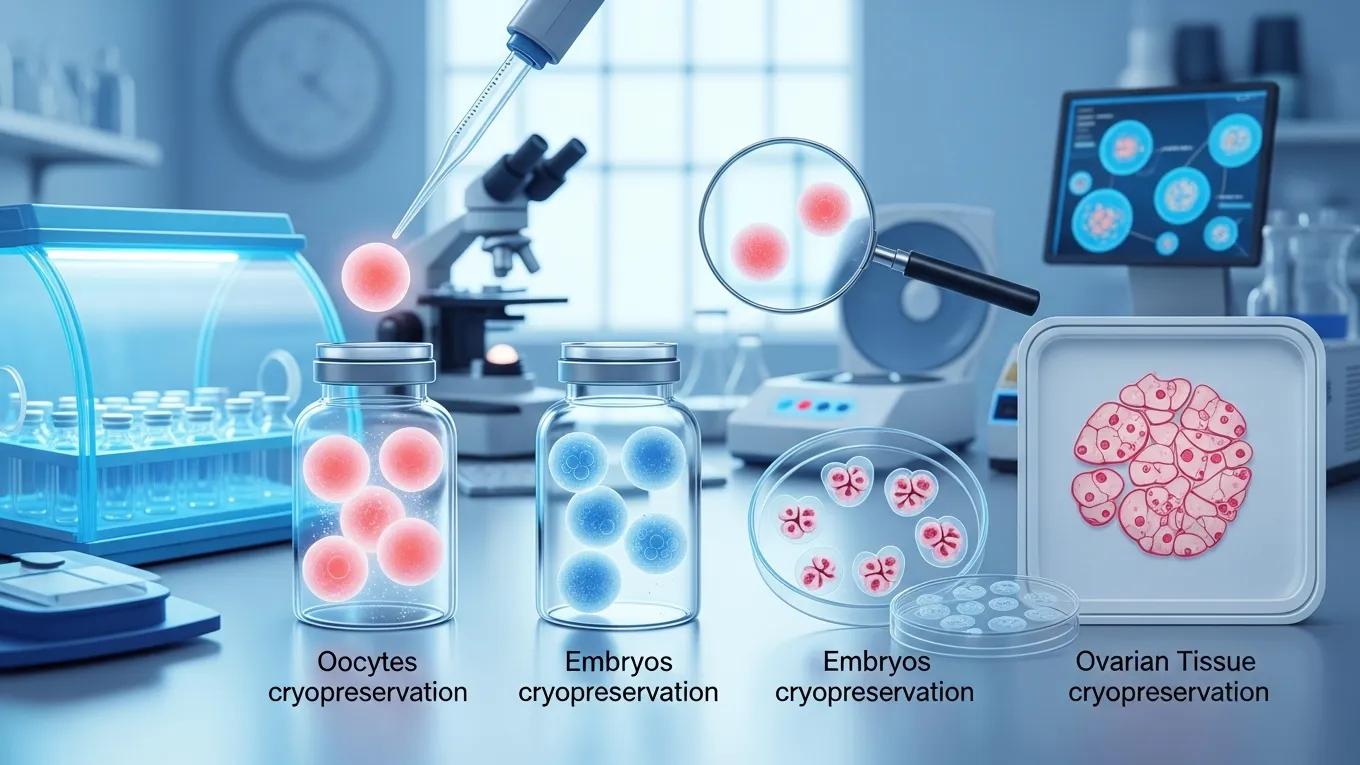
Egg freezing, also called oocyte cryopreservation, involves taking hormone medications to help the ovaries produce multiple mature eggs. These eggs are then collected during a short procedure, frozen, and stored for possible future use.
If you decide to use the eggs later, they are thawed, fertilized with sperm in a lab, and used through IVF. Egg freezing does not guarantee pregnancy, but it can give you more flexibility if you are not ready to conceive now.
Embryo Freezing
Embryo freezing is similar to egg freezing, but the eggs are fertilized with sperm before they are frozen. The sperm may come from a partner or a chosen sperm source.
This option may be considered by people who are ready to make decisions about sperm use now. Embryo freezing may offer strong future pregnancy potential, but it also involves additional decisions about embryo creation, storage, and future use.
Ovarian Tissue Freezing
Ovarian tissue freezing is less common than egg or embryo freezing. It involves removing and freezing ovarian tissue for possible future use.
This option is usually reserved for specific medical situations and is not the standard choice for most people with endometriosis. A fertility specialist can explain whether it is appropriate based on your age, ovarian reserve, treatment needs, and overall fertility goals.
What Affects Egg Freezing Success With Endometriosis?

Egg freezing success can vary from person to person. The most important factors are usually age, ovarian reserve, endometriosis severity, and whether you have had surgery on the ovaries.
How Age Affects Egg Freezing Success
Age is one of the biggest factors in egg freezing success. Eggs collected at a younger age are more likely to be healthier and may have a better chance of leading to a future pregnancy through IVF. We cover this further in Endometriosis and Pregnancy Complications: What to Know.
This does not mean egg freezing is only useful at a young age, but it does mean timing matters. If you have endometriosis and think you may want children later, it is worth having a fertility conversation sooner rather than later.
Why Ovarian Reserve Matters With Endometriosis
Ovarian reserve refers to the number of eggs remaining in the ovaries. A fertility specialist may check ovarian reserve with blood tests, such as AMH, and an ultrasound that counts small follicles in the ovaries.
Lower ovarian reserve can mean fewer eggs may be collected in one cycle. Some people may need more than one egg freezing cycle to store a higher number of eggs for future use.
Endometriosis Severity and Ovarian Surgery Can Affect Results
More severe endometriosis may affect fertility when it involves the ovaries, fallopian tubes, or surrounding pelvic organs. Endometriomas, which are endometriosis-related ovarian cysts, may also affect ovarian reserve.
Previous ovarian surgery can sometimes reduce the number of eggs remaining in the ovary, depending on the type of surgery and how much ovarian tissue was affected. If surgery is planned, your doctor may recommend discussing egg freezing before the procedure.
What Happens During the Egg Freezing Process?
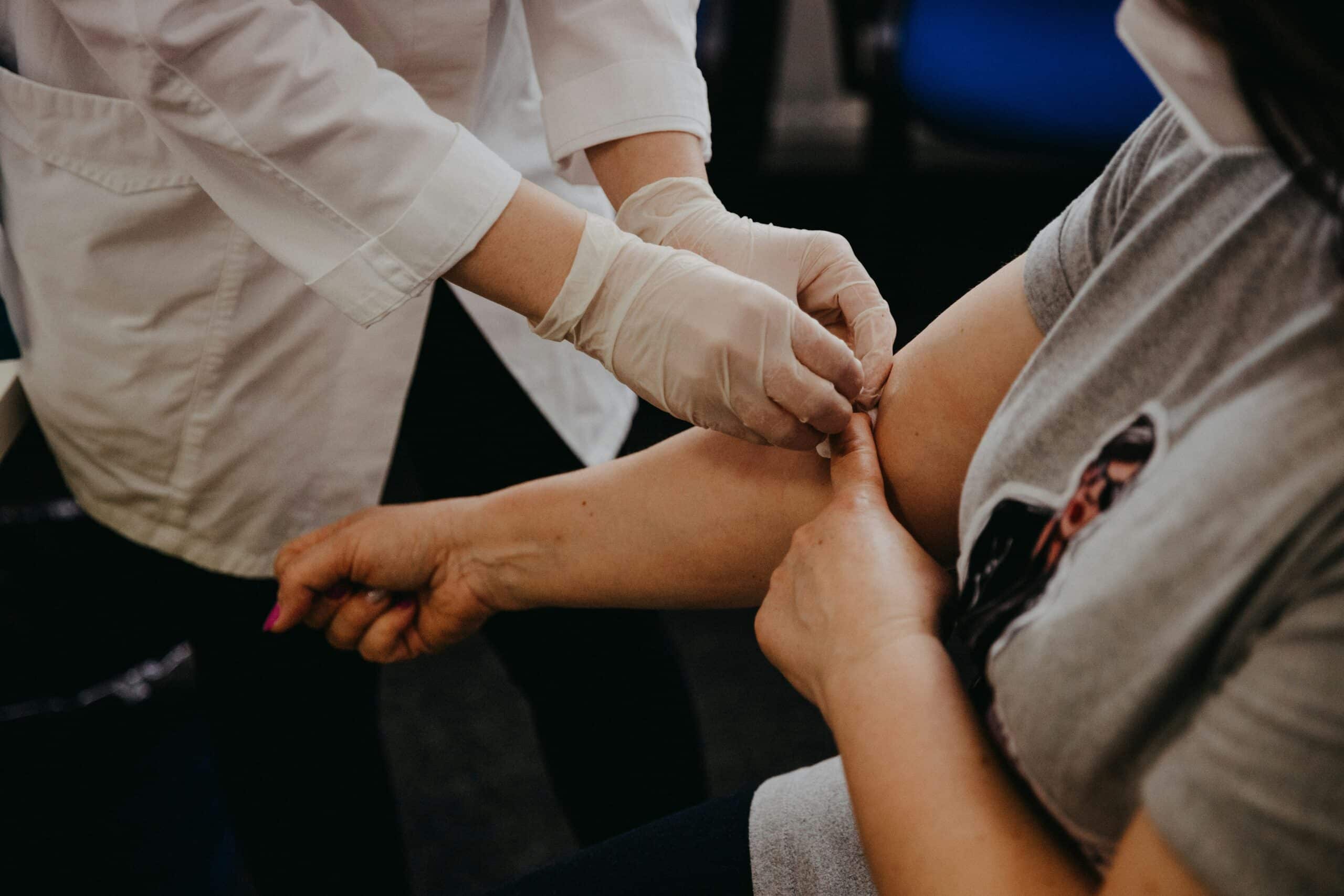
The egg freezing process usually takes about two weeks once treatment begins. Before starting, you will meet with a fertility specialist to review your medical history, endometriosis symptoms, ovarian reserve, medications, and future pregnancy goals. During ovarian stimulation, you take hormone medications to help the ovaries mature multiple eggs. Your clinic will monitor your response with blood tests and ultrasounds. When the eggs are ready, they are collected during a short procedure called egg retrieval. After retrieval, mature eggs are frozen and stored for possible future use. If you choose to use them later, the eggs are thawed, fertilized with sperm in a lab, and used as part of IVF treatment. For more detail, see our article Can Endometriosis Treatment Improve Your Pregnancy Chances.
Benefits and Risks of Egg Freezing for Endometriosis
Egg freezing options for endometriosis can give you more flexibility if you want to have children later, but it is important to understand both the benefits and the limitations before starting treatment. You may also find How Egg Freezing Benefits Endometriosis Patients helpful.
One of the main benefits is that egg freezing may help preserve eggs before fertility declines further or before ovarian surgery that could affect ovarian reserve. It can also give you more time if you are not ready for pregnancy because of personal, medical, career, or relationship reasons.
However, egg freezing does not guarantee a future pregnancy. Success depends on factors such as your age when the eggs are frozen, ovarian reserve, the number of mature eggs collected, egg quality, and future IVF outcomes.
Egg freezing may also involve:
- Hormone medication side effects, such as bloating, mood changes, or pelvic discomfort
- Frequent monitoring appointments during the treatment cycle
- Cost of treatment, medications, and long-term egg storage
- Emotional stress while making fertility decisions
- Small procedure-related risks during egg retrieval
For people with endometriosis, treatment should be planned carefully around symptoms, ovarian cysts, previous surgeries, and any future surgery plans. A fertility specialist can help you weigh the benefits and risks based on your personal fertility goals.
Frequently Asked Questions
Is egg freezing worth it if I have endometriosis?
Egg freezing may be worth considering if you have endometriosis and want children in the future but are not ready to become pregnant now. It may be especially helpful if you have low ovarian reserve, endometriomas, previous ovarian surgery, or planned surgery near the ovaries.
What is the best age to freeze eggs with endometriosis?
There is no single best age for everyone, but egg freezing is generally more successful when eggs are frozen at a younger age. If you have endometriosis, it is a good idea to discuss fertility preservation early, especially if your ovarian reserve is low or surgery is being considered.
Can endometriosis reduce egg quality?
Endometriosis may affect egg quality in some people, especially when inflammation, endometriomas, or ovarian damage are present. The impact varies from person to person, so ovarian reserve testing and a fertility consultation can help clarify your situation.
Should I freeze my eggs before endometriosis surgery?
You may want to discuss egg freezing before endometriosis surgery, especially if the surgery involves the ovaries or endometriomas. Some ovarian surgeries can affect ovarian reserve, so fertility planning before surgery may help protect future options.
Is embryo freezing better than egg freezing for endometriosis?
Embryo freezing may be an option if you have a partner or chosen sperm source and are ready to create embryos now. Egg freezing may be preferred if you do not want to make sperm or embryo decisions yet. A fertility specialist can help compare both options based on your goals.
Does egg freezing guarantee pregnancy?
No. Egg freezing does not guarantee pregnancy. Success depends on your age at the time of freezing, ovarian reserve, number of mature eggs collected, egg quality, lab outcomes, and future IVF treatment.
Conclusion
Egg freezing options for endometriosis can be helpful for people who want to preserve the possibility of pregnancy in the future. Endometriosis may affect fertility through inflammation, scar tissue, endometriomas, reduced ovarian reserve, or previous ovarian surgery, but the impact is different for each person. Egg freezing does not guarantee a future pregnancy, but it may offer more flexibility if you are not ready to conceive now or if treatment could affect the ovaries. The best time to discuss fertility preservation is often before ovarian reserve declines further or before planned surgery on or near the ovaries. A fertility specialist can review your age, ovarian reserve, endometriosis history, symptoms, surgery plans, and family-building goals to help you decide whether egg freezing, embryo freezing, or another option makes sense for you. See how endometriosis excision surgery is performed by our team.