
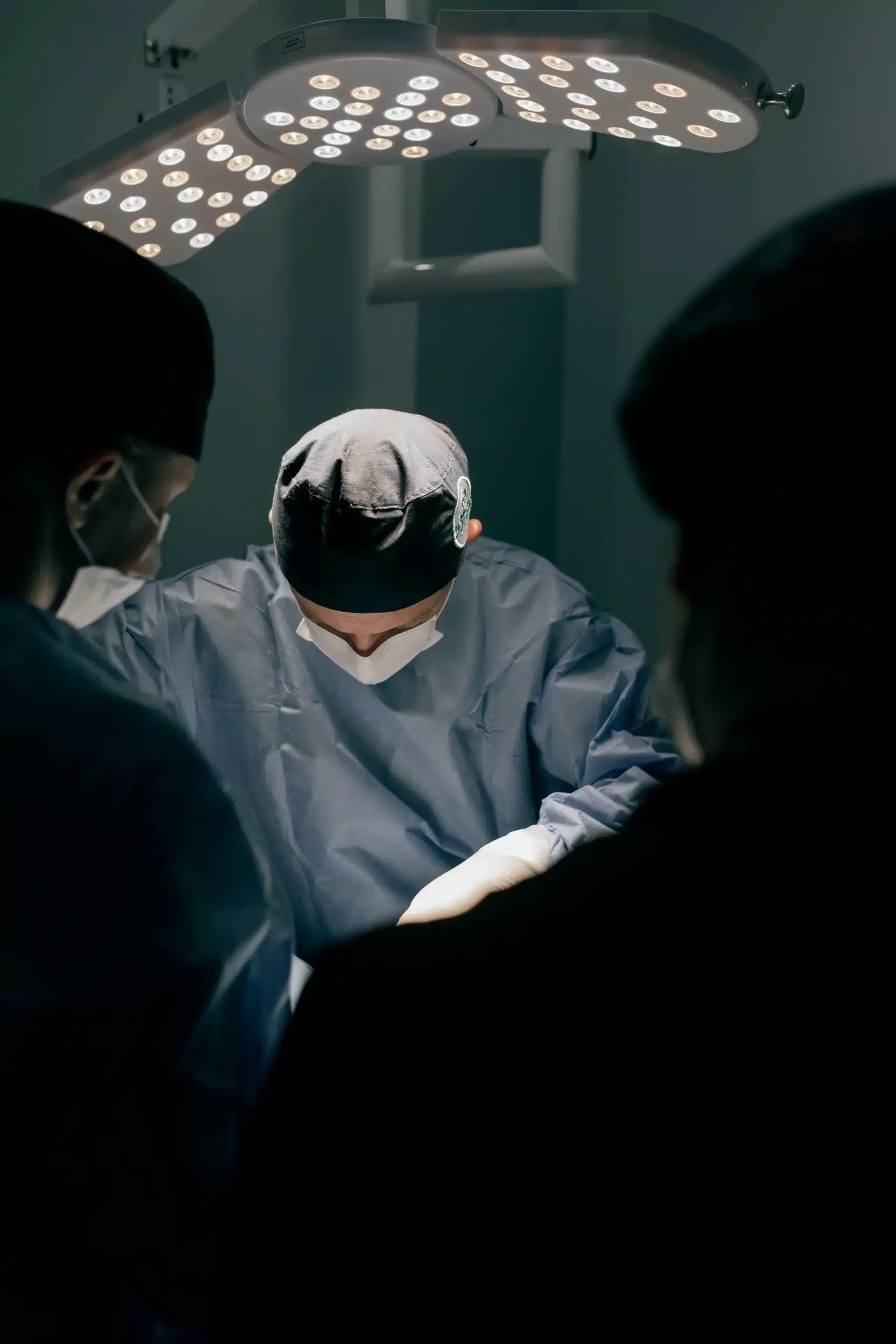
Preparing for endometriosis surgery involves more than simply showing up on the day of the procedure. The weeks leading up to surgery are an important opportunity to improve physical readiness, organize medical information, reduce anxiety, and prepare for recovery at home. A thoughtful preoperative plan can help patients better understand what to expect, communicate more effectively with their healthcare team, and reduce avoidable stress surrounding surgery.
Preparation may include reviewing medications, completing imaging or laboratory tests, improving nutrition, arranging postoperative support, and discussing fertility goals when relevant. Mental and emotional readiness also matter, especially for patients who have experienced chronic pelvic pain or uncertainty surrounding endometriosis treatment. By taking a structured approach before surgery, patients can enter the procedure feeling more informed and better prepared for the recovery process ahead.
Preparing Your Body for Endometriosis Surgery

Physical preparation helps ensure that your healthcare team has the information needed to plan surgery safely while giving your body the best possible foundation for healing. The exact recommendations vary depending on your medical history, the extent of endometriosis, and the type of surgical procedure being performed.
Complete Your Preoperative Evaluation
A comprehensive preoperative evaluation may include blood tests, imaging studies, a review of existing health conditions, and a detailed medical history. Ultrasound or MRI findings may also be reviewed to better understand the location and extent of endometriosis before surgery. These evaluations allow the surgical team to identify potential risks and plan the most appropriate procedure for the individual patient.
Patients should bring previous operative reports, imaging results, medication lists, and records related to prior endometriosis treatment whenever possible. Providing a complete medical history helps the surgeon understand what has already been attempted and whether previous surgery may affect the upcoming procedure.
Review Medications and Preoperative Instructions
Certain medications, supplements, and over-the-counter products may need to be adjusted before surgery. Patients should discuss all medications with their healthcare provider rather than stopping anything independently. Blood thinners, anti-inflammatory medications, and some supplements may require special consideration because they can affect bleeding risk or interact with anesthesia.
Patients should also confirm fasting requirements, arrival times, transportation arrangements, and any special preparation requested by their surgical team. Carefully following these instructions helps reduce delays and supports a safer surgical experience.
Improve Physical Readiness and Arrange Recovery Support
Gentle physical activity, adequate sleep, hydration, and healthy daily routines can help support overall strength before surgery when approved by the healthcare team. Patients should avoid suddenly beginning intense exercise programs immediately before an operation and instead focus on consistent, manageable activity.
It is equally important to prepare for the days after surgery. Arranging help from family members or friends for transportation, meals, household tasks, and childcare can reduce physical strain during early recovery. Preparing the home in advance allows patients to prioritize rest once they return from surgery.
Nutrition and Mental Preparation Before Surgery
Preparing for endometriosis surgery also involves supporting the body nutritionally and managing the emotional stress that can accompany an upcoming procedure. Nutrition, rest, education, and emotional support can all contribute to a more manageable surgical experience.
Focus on Balanced, Nutrient-Rich Foods
A balanced diet before surgery supports overall health and provides nutrients needed for healing. The source material recommends emphasizing foods such as leafy greens, berries, nuts, seeds, fatty fish, and other nutrient-rich options. These foods can form part of a varied diet that supports general wellness before surgery. We cover this further in Pain After Endometriosis Surgery? Learn More About Causes.
Patients should also consider preparing simple meals in advance so that nutritious food is readily available during recovery. Keeping easy-to-digest meals, healthy snacks, and adequate fluids at home can reduce the effort required to maintain good nutrition during the first few days after surgery. You may also find Optimal Recovery with Robotic Surgery for Endometriosis helpful.
Prioritize Hydration, Rest, and Sustainable Habits
Adequate hydration supports normal body function and becomes especially important during preparation and recovery. Patients should follow any instructions regarding when to stop drinking fluids before anesthesia, but maintaining appropriate hydration in the days leading up to surgery can support general health. We cover this further in Managing Nerve Pain After Endometriosis Surgery.
Rest and sleep should also be treated as part of surgical preparation. A patient who enters surgery physically exhausted may find the overall process more difficult. Gentle exercise, proper nutrition, sufficient sleep, and stress management can create a stronger foundation for recovery. Read more in Exercise After Endometriosis Surgery: When to Start.
Prepare Mentally and Emotionally
Anxiety before surgery is common, particularly when patients are uncertain about the procedure or recovery. Learning what to expect can reduce some of this uncertainty. Patients may find mindfulness, breathing exercises, counseling, or endometriosis support groups useful for managing stress. We cover this further in What to Expect Before, During, and After Excision Surgery.
It can also help to discuss fears openly with trusted family members, friends, or healthcare professionals. Emotional preparation does not mean eliminating anxiety completely. Instead, it involves creating support systems and practical coping strategies that help patients feel more prepared and less overwhelmed.
Planning for Surgery, Recovery, and Fertility

Understanding what surgery involves and thinking ahead about recovery can help patients set realistic expectations. Individual experiences vary depending on disease severity, surgical complexity, overall health, and fertility goals. Read more in Bowel Endometriosis Surgery Recovery Guide.
Understand the Surgical Approach
Endometriosis surgery is frequently performed laparoscopically using small incisions and specialized instruments. Excision techniques focus on removing endometriosis lesions while preserving healthy tissue whenever possible. In more extensive disease, surgery may involve multiple pelvic structures and require a more complex treatment plan. You may also find The “Endo Belly” After Excision: Why Post-Surgery Swelling Happens and How to Soothe It helpful.
Patients should ask their surgeon what procedure is being recommended, which organs may be involved, and whether additional specialists might participate in the operation. Understanding the planned approach helps patients make informed decisions and prepare for the level of recovery that may follow.
Prepare for Postoperative Recovery
Recovery after laparoscopic endometriosis surgery varies from patient to patient. Some discomfort, swelling, bruising, and fatigue may occur during the early recovery period. Gradual improvement in pain and mobility is generally expected as healing progresses. We cover this further in How Fast Can You Recover From Laparoscopic Surgery.
Patients should follow their surgeon’s guidance regarding wound care, medications, driving, lifting, work, exercise, and sexual activity. Maintaining hydration, eating balanced meals, resting appropriately, and attending follow-up appointments all support the recovery process. Patients should also know which symptoms require prompt medical attention and when to contact their healthcare provider.
Discuss Fertility Goals Before Surgery
Patients who hope to become pregnant in the future should discuss fertility goals before undergoing endometriosis surgery. Treatment planning may differ depending on age, ovarian involvement, previous fertility challenges, and the extent of endometriosis.
A specialist can explain how the proposed surgery may affect reproductive organs and whether fertility preservation strategies should be considered beforehand. Having these discussions early allows patients to incorporate family planning goals into their overall treatment strategy rather than addressing fertility only after surgery.
Frequently Asked Questions
What should I bring to my preoperative appointment?
Bring your medical history, medication list, previous imaging, operative reports, and any records related to prior endometriosis treatment. It is also helpful to bring a written list of questions about surgery, recovery, fertility, and postoperative care. We cover this further in Navigating Post-Operative Care After Endometriosis Surgery.
Should I stop medications before endometriosis surgery?
Some medications or supplements may need to be stopped or adjusted, but this should only be done under your healthcare provider’s guidance. Certain blood thinners and anti-inflammatory medications may require review before surgery because of bleeding risk.
What foods should I eat before surgery?
A balanced diet that includes nutrient-rich foods such as leafy greens, berries, fatty fish, nuts, seeds, and vegetables can support overall health. Patients should follow any specific dietary instructions provided by their surgical team.
How can I reduce anxiety before surgery?
Learning about the procedure, practicing mindfulness or breathing exercises, speaking with supportive friends or family, and using counseling or support groups may help reduce preoperative anxiety.
How should I prepare my home for recovery?
Arrange transportation, prepare meals, organize medications and basic necessities, and ask family or friends to assist with household responsibilities during early recovery. Preparing in advance allows you to focus more fully on rest and healing.
Conclusion
Preparing for endometriosis surgery is an important part of the treatment process. Completing preoperative evaluations, reviewing medications, improving nutrition, arranging home support, and preparing mentally can help reduce uncertainty and support a smoother surgical experience. Patients should also understand the planned procedure, ask questions about recovery, and discuss fertility goals before surgery when relevant.
The most effective preparation plan is personalized. Every patient’s symptoms, health history, and surgical needs are different, which is why clear communication with the surgical team is essential. By taking an active role in preparation and following individualized medical instructions, patients can approach surgery with greater confidence and create a stronger foundation for recovery. If you have questions about your own symptoms, you can schedule an appointment with our endometriosis specialists.