
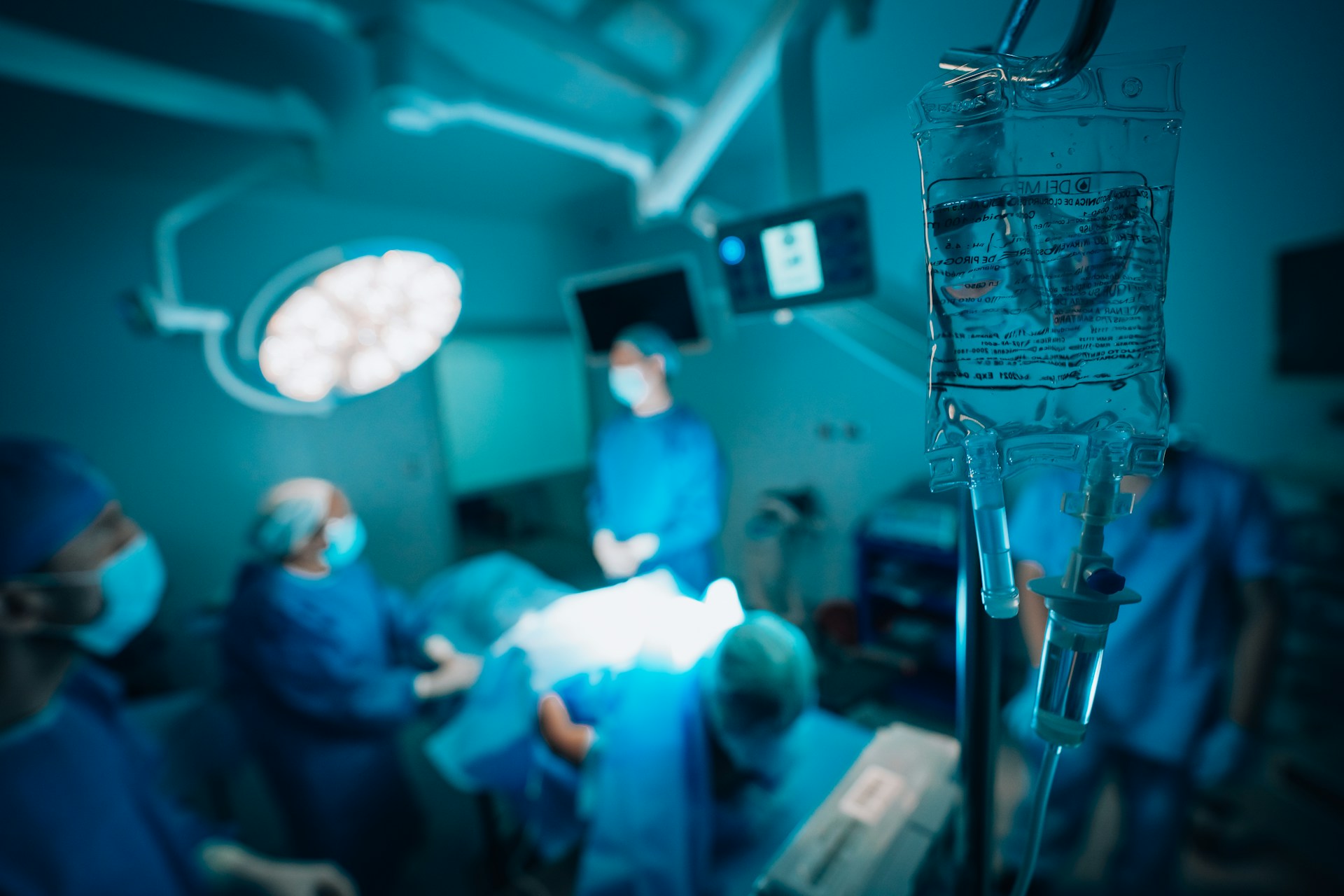
Preparing for endometriosis excision surgery can bring a mix of hope, uncertainty, and questions about what lies ahead. Whether your primary goal is relieving chronic pelvic pain, improving fertility, or restoring your quality of life, understanding each stage of the surgical journey can help you feel more confident and informed. At the Endometriosis Excellence Center, personalized care and advanced surgical expertise help patients navigate their treatment options with greater clarity. Laparoscopic excision surgery is considered the gold standard for treating endometriosis because it focuses on completely removing endometriosis lesions rather than simply treating their surface. From preoperative evaluations and surgical planning to recovery and long-term fertility outcomes, every phase of care plays an important role in achieving the best possible results. This guide explains what patients can expect before, during, and after endometriosis excision surgery and how personalized care contributes to successful outcomes.
Preparing for Endometriosis Excision Surgery

Successful surgery begins long before entering the operating room. Careful preparation allows your healthcare team to fully evaluate your condition, develop a personalized surgical plan, and optimize your health before the procedure.
Comprehensive Diagnosis and Preoperative Evaluation
Before recommending surgery, your physician performs a comprehensive evaluation that includes reviewing your medical history, symptoms, previous treatments, and fertility goals. A pelvic examination, ultrasound, and MRI may be used to assess the extent of endometriosis and identify other pelvic conditions that could influence surgical planning. Although imaging cannot detect every endometriosis lesion, it provides valuable information that helps surgeons prepare for complex cases. Read more in How to Prepare Your Body for Endometriosis Surgery.
This thorough assessment also allows patients to ask questions, understand their diagnosis, and discuss realistic expectations regarding pain relief, fertility, and recovery.
Preoperative Testing and Surgical Planning
Several preoperative tests may be recommended before surgery, including blood work, imaging studies, and medical evaluations to ensure patients are healthy enough to undergo anesthesia. Depending on the complexity of the disease, additional specialists may participate in surgical planning if there is concern that endometriosis involves the bowel, bladder, ureters, or other pelvic structures.
Careful planning helps reduce surgical risks while ensuring the operating team is fully prepared to manage complex endometriosis safely and effectively.
Personalized Care Through a Multidisciplinary Team
Every patient’s experience with endometriosis is different, making individualized treatment planning essential. Fellowship-trained endometriosis specialists often work alongside radiologists, fertility specialists, pelvic floor physical therapists, pain management experts, and other healthcare professionals to provide comprehensive care.
This multidisciplinary approach ensures that treatment recommendations address not only symptom relief but also fertility preservation, long-term health, and each patient’s personal goals.
What Happens During Endometriosis Excision Surgery?

Laparoscopic endometriosis excision surgery is a minimally invasive procedure designed to identify and completely remove visible endometriosis lesions while preserving healthy surrounding tissue. Modern surgical techniques allow for excellent visualization of pelvic anatomy and precise treatment of complex disease.
Laparoscopic Excision Surgery
During laparoscopic surgery, several small incisions are made in the abdomen to allow insertion of a camera and specialized surgical instruments. The laparoscope provides a magnified view of the pelvic organs, enabling the surgeon to carefully inspect for endometriosis lesions that may not have been detected on imaging.
Rather than simply destroying the surface of lesions, excision surgery removes the affected tissue entirely whenever possible. This approach is associated with more durable symptom relief and lower rates of persistent disease compared with surface treatments alone.
Excision Versus Ablation
One of the most important distinctions in endometriosis surgery is the difference between excision and ablation. Ablation destroys only the visible surface of endometriosis lesions using heat or energy, potentially leaving deeper disease behind. Excision, on the other hand, removes the entire lesion, including tissue beneath the surface.
Because endometriosis often extends deeper than what is immediately visible, complete excision generally offers improved long-term pain relief and may reduce the likelihood of persistent symptoms or repeat surgery. For more detail, see our article The “Endo Belly” After Excision: Why Post-Surgery Swelling Happens and How to Soothe It.
What to Expect on Surgery Day
On the day of surgery, patients arrive early for registration, final medical evaluations, and discussions with the surgical and anesthesia teams. Understanding what outpatient excision surgery involves can help patients prepare for the procedure and immediate postoperative period.
After receiving general anesthesia, the procedure is performed while vital signs are continuously monitored throughout the operation.
Following surgery, patients recover in a monitored recovery area where healthcare providers assess pain control, monitor for immediate complications, and provide discharge instructions before patients return home or remain overnight if clinically indicated.
Recovery, Fertility, and Long-Term Outcomes
 Healing after endometriosis excision surgery occurs gradually and varies depending on the extent of disease, the complexity of the procedure, and each patient’s overall health. Following an endometriosis surgery recovery guide can help patients understand what to expect during the weeks following treatment.
Understanding the recovery process helps patients prepare for the weeks and months following surgery.
Recovery Timeline and Postoperative Care
Most patients undergoing laparoscopic excision surgery gradually recover over four to six weeks, although many begin walking and performing light activities within a few days. During recovery, it is normal to experience some soreness, fatigue, and mild abdominal discomfort that improves steadily over time. You may also find Excision Surgery Recovery for Young Women: What to Expect helpful.
Follow-up appointments allow the surgical team to monitor healing, review pathology findings when appropriate, and provide guidance regarding exercise, work, driving, and returning to normal activities.
Recognizing Normal and Abnormal Recovery
Most patients experience gradual improvement in pain, reduced swelling, and increasing energy levels during recovery. However, symptoms such as persistent fever, heavy bleeding, worsening abdominal pain, severe nausea, redness around incisions, or difficulty urinating should be reported immediately, as they may indicate postoperative complications requiring prompt evaluation.
Open communication with your healthcare team helps ensure concerns are addressed early and supports a smoother recovery.
Fertility Outcomes and Long-Term Management
For many patients, successful laparoscopic excision surgery not only reduces chronic pelvic pain but may also improve fertility by restoring normal pelvic anatomy and reducing inflammation. Individual fertility outcomes vary depending on age, disease severity, reproductive health, and other medical factors. You may also find Endometriosis Excision Surgery: Outcomes, Recovery, and Recurrence helpful.
Long-term care often includes regular follow-up appointments, individualized pain management strategies, pelvic floor therapy when appropriate, and continued collaboration with fertility specialists for patients planning future pregnancies. Personalized treatment plans help patients maintain symptom relief while supporting their long-term reproductive and overall health.
Frequently Asked Questions
How is endometriosis diagnosed before surgery?
Diagnosis typically involves reviewing your symptoms, medical history, pelvic examination findings, and imaging studies such as ultrasound or MRI. These evaluations help guide surgical planning and determine the extent of disease.
Is laparoscopic excision better than ablation?
Laparoscopic excision removes the entire endometriosis lesion rather than treating only its surface. Complete excision is generally associated with improved long-term symptom relief and lower rates of persistent disease.
How long does recovery take after laparoscopic excision surgery?
Most patients recover over four to six weeks, although recovery time varies depending on the complexity of the procedure and the individual’s overall health.
Can endometriosis excision improve fertility?
For many patients, complete excision may improve fertility by restoring pelvic anatomy, reducing inflammation, and removing disease that interferes with reproductive function. Individual outcomes vary based on several personal and medical factors.
Why should I choose a fellowship-trained endometriosis specialist?
Fellowship-trained specialists have advanced experience managing complex endometriosis and performing minimally invasive excision surgery. Their expertise helps improve diagnostic accuracy, surgical precision, and long-term patient outcomes.
Conclusion
Endometriosis excision surgery is more than a single procedure—it is a carefully planned process that begins with comprehensive evaluation and continues through recovery and long-term follow-up. Understanding what to expect before, during, and after surgery allows patients to make informed decisions while feeling more confident throughout their treatment journey. Through advanced laparoscopic excision techniques, personalized surgical planning, and multidisciplinary care, many patients achieve meaningful pain relief, improved fertility potential, and a better quality of life. Partnering with an experienced fellowship-trained endometriosis specialist ensures that every stage of care is tailored to your individual needs and long-term health goals. Read more in What to Expect During Recovery from Endometriosis Excision Surgery.