
Scar endometriosis can cause persistent pelvic pain, painful surgical scars, discomfort during intercourse, and other symptoms that interfere with daily life. It often develops after previous abdominal or pelvic surgery when endometrial-like tissue becomes established within or near a surgical scar. For patients whose symptoms do not improve with conservative treatment, outpatient laparoscopic excision may offer a minimally invasive surgical option designed to remove abnormal tissue while limiting trauma to surrounding structures.
This approach uses small abdominal incisions, a camera, and specialized instruments to identify and excise visible endometriosis lesions. Compared with traditional open surgery, laparoscopic excision may result in less postoperative pain, smaller scars, and a quicker return to daily activities. Understanding how the procedure works, what recovery involves, and how treatment may affect fertility can help patients prepare for surgery and make informed decisions about their care.
Understanding Scar Endometriosis and Laparoscopic Excision

Scar endometriosis occurs when endometrial-like tissue grows outside the uterus, often near areas affected by previous abdominal or pelvic surgery. Accurate diagnosis and complete lesion removal are important because untreated or partially treated disease may continue causing pain and other symptoms.
What Is Scar Endometriosis?
Scar endometriosis may develop when endometrial-like cells become attached to tissue affected by a previous operation, including cases involving abdominal scar endometriosis after a C-section.
These lesions can respond to monthly hormonal changes, leading to inflammation, tenderness, and pain that may become worse during menstruation.
Common symptoms include pelvic pain, discomfort during intercourse, digestive changes, or pain around a previous surgical scar. Because these symptoms may resemble ovarian cysts, pelvic inflammatory disease, or other gynecologic conditions, a comprehensive evaluation is necessary before treatment begins.
How Is Scar Endometriosis Diagnosed?
Diagnosis usually begins with a detailed review of symptoms, menstrual patterns, and prior surgical history. A pelvic examination may help identify tenderness, abnormal tissue, or a mass near the scar. Imaging studies such as ultrasound or MRI may be used to assess the location and extent of suspected disease.
In some cases, surgical evaluation is necessary to confirm the diagnosis. Tissue removed during excision may be sent for pathological examination, allowing the healthcare team to verify the presence of endometriosis and guide long-term management.
How Does Laparoscopic Excision Work?
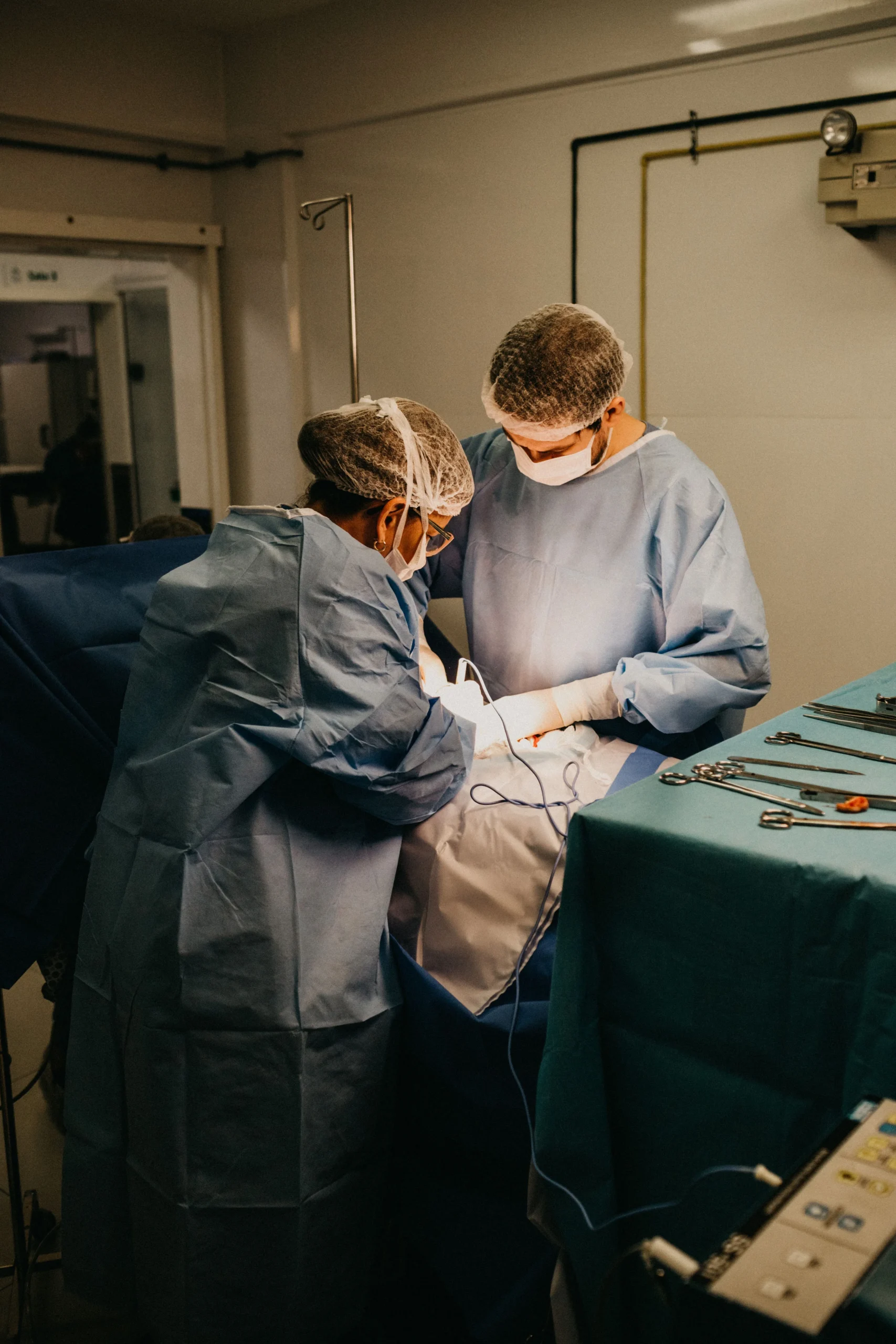
Laparoscopic excision is performed through small incisions in the abdomen. A camera provides a detailed view of the pelvic cavity, while specialized instruments allow the surgeon to carefully remove scar tissue and endometriosis lesions.
The goal is to excise all visible disease while protecting nearby organs and healthy tissue. Complete removal is important because untreated remnants may continue responding to hormonal changes and contribute to persistent or recurring symptoms.
Benefits, Risks, and Expected Surgical Outcomes

Outpatient laparoscopic excision offers several potential advantages, but every operation also involves possible risks. Patients should discuss expected benefits, surgical limitations, and individual health factors with their specialist before proceeding.
Potential Benefits of Outpatient Surgery
One of the main advantages of laparoscopic excision is its minimally invasive nature. Smaller incisions may lead to less visible scarring, reduced postoperative discomfort, and shorter recovery compared with traditional open surgery. Many patients are also able to leave the surgical facility on the same day. For more detail, see our article Excision Surgery Risks for Endometriosis Explained.
Removing endometriosis lesions may provide meaningful pain relief and improve pelvic function. Patients hoping to conceive may also benefit if the operation removes scar tissue or disease affecting normal reproductive anatomy.
Surgical Risks and Possible Complications
Although laparoscopic excision is generally less invasive than open surgery, it still carries risks. Potential complications include infection, bleeding, anesthesia-related problems, delayed healing, or injury to surrounding organs. For more detail, see our article Why Excision Surgery is the Gold Standard for Endometriosis.
The likelihood of complications depends on the location and depth of disease, previous surgeries, and the patient’s overall health. Choosing a surgeon with advanced experience in endometriosis excision may help reduce risk and improve the accuracy of lesion removal. Read more in Assess Your Endometriosis: When to Consider Advanced Surgery.
Pain Relief and Long-Term Results
Many patients experience reduced pelvic pain and improved quality of life after complete lesion removal. Outcomes may vary depending on disease severity, the completeness of excision, and whether other areas of endometriosis are present.
Long-term management remains important after surgery. Regular follow-up appointments allow the healthcare team to monitor symptoms, identify possible recurrence, and recommend additional support such as physical therapy, pain management, or nutritional guidance.
Preparation, Recovery, and Fertility After Surgery
Successful treatment involves more than the operation itself. Careful preparation, appropriate postoperative care, and realistic recovery expectations can help patients heal safely and receive the greatest possible benefit from surgery.
Preparing for Outpatient Excision
Before surgery, patients may complete imaging, laboratory testing, medication reviews, and other assessments based on their health history. The surgeon may provide instructions regarding food, medications, transportation, and home support after the procedure.
Mental preparation is also valuable. Understanding the surgical steps, expected discomfort, and recovery limitations can reduce anxiety and help patients prepare their home and schedule for the first several days after surgery.
Recovery Timeline and Postoperative Care
Immediately after surgery, patients are monitored for pain, bleeding, nausea, and other potential complications. Most patients return home the same day once they are medically stable and able to follow discharge instructions.
Light daily activities may often be resumed within one to two weeks, while complete internal healing may take six to eight weeks. Recovery varies based on the extent of surgery and individual health. Patients can review an endometriosis surgery recovery guide for additional information about healing and postoperative care.
Fertility and Long-Term Pelvic Health
Scar endometriosis and related scar tissue may affect fertility if disease involves reproductive organs or alters normal pelvic anatomy. Laparoscopic excision may support fertility by removing lesions and adhesions that interfere with reproductive function.
Fertility outcomes are individual and depend on age, ovarian reserve, the extent of endometriosis, and other health factors. Patients planning pregnancy should discuss timing, fertility testing, and additional reproductive support with their specialist before and after surgery.
Frequently Asked Questions
Is outpatient laparoscopic excision considered major surgery?
It is a minimally invasive operation performed through small incisions, but it is still a surgical procedure that requires anesthesia, careful preparation, and postoperative monitoring. The complexity depends on the depth and location of scar endometriosis.
How soon can I return to normal activities?
Many patients resume light activities within one to two weeks. More strenuous exercise, heavy lifting, and physically demanding work may need to be delayed until the surgeon confirms that healing has progressed sufficiently.
Can laparoscopic excision improve pain?
Removing scar tissue and endometriosis lesions may significantly reduce pelvic pain for many patients. Results depend on the extent of disease, whether all visible lesions can be removed, and whether other pain conditions are present.
Does the procedure improve fertility?
Laparoscopic excision may improve fertility potential when scar tissue or endometriosis interferes with normal reproductive anatomy. However, no procedure can guarantee pregnancy, and fertility outcomes vary among patients. We cover this further in Can Excision Surgery Improve Your Fertility.
What symptoms should I report after surgery?
Patients should contact their healthcare provider if they experience fever, worsening pain, heavy bleeding, redness or drainage from an incision, persistent vomiting, difficulty urinating, or other symptoms identified in their discharge instructions.
Conclusion
Outpatient laparoscopic excision provides a minimally invasive option for treating scar endometriosis and the chronic pain associated with abnormal tissue growth. Through small incisions and precise surgical techniques, specialists can remove visible lesions while limiting damage to surrounding structures. Potential benefits include reduced pain, smaller scars, shorter recovery, and possible improvement in fertility for selected patients. You can read more about endometriosis excision surgery at our center.
A successful outcome depends on accurate diagnosis, careful preoperative planning, complete lesion removal, and appropriate follow-up care. Patients should work with a fellowship-trained endometriosis specialist who can evaluate the full extent of disease and develop an individualized treatment plan. With expert surgical care and a structured recovery strategy, many patients can experience improved pelvic health and a better quality of life.