Excision surgery is increasingly recognized as a cornerstone intervention for women with endometriosis, a condition that can markedly impair fertility. This article examines how laparoscopic excision may reduce symptoms and improve reproductive outcomes. Many patients confronting infertility face complex diagnostic and therapeutic decisions; clear information about surgical options can clarify prognosis and next steps. We review the indications for excision, the operative approach, expected outcomes for fertility and symptom control, and the role of specialized surgical expertise in optimizing results.
Benefits of Excision Surgery
Excision surgery presents several advantages for patients suffering from endometriosis, particularly regarding fertility improvements. The benefits include:
- Complete Removal of Lesions: Excision surgery effectively removes endometrial implants and lesions that can obstruct normal reproductive function.
- Reduction of Inflammation: This procedure reduces chronic inflammation associated with endometriosis, thereby improving the chances of conception.
- Higher Pregnancy Rates: Studies have shown that patients who undergo excision surgery display higher pregnancy rates compared to those receiving other treatments.
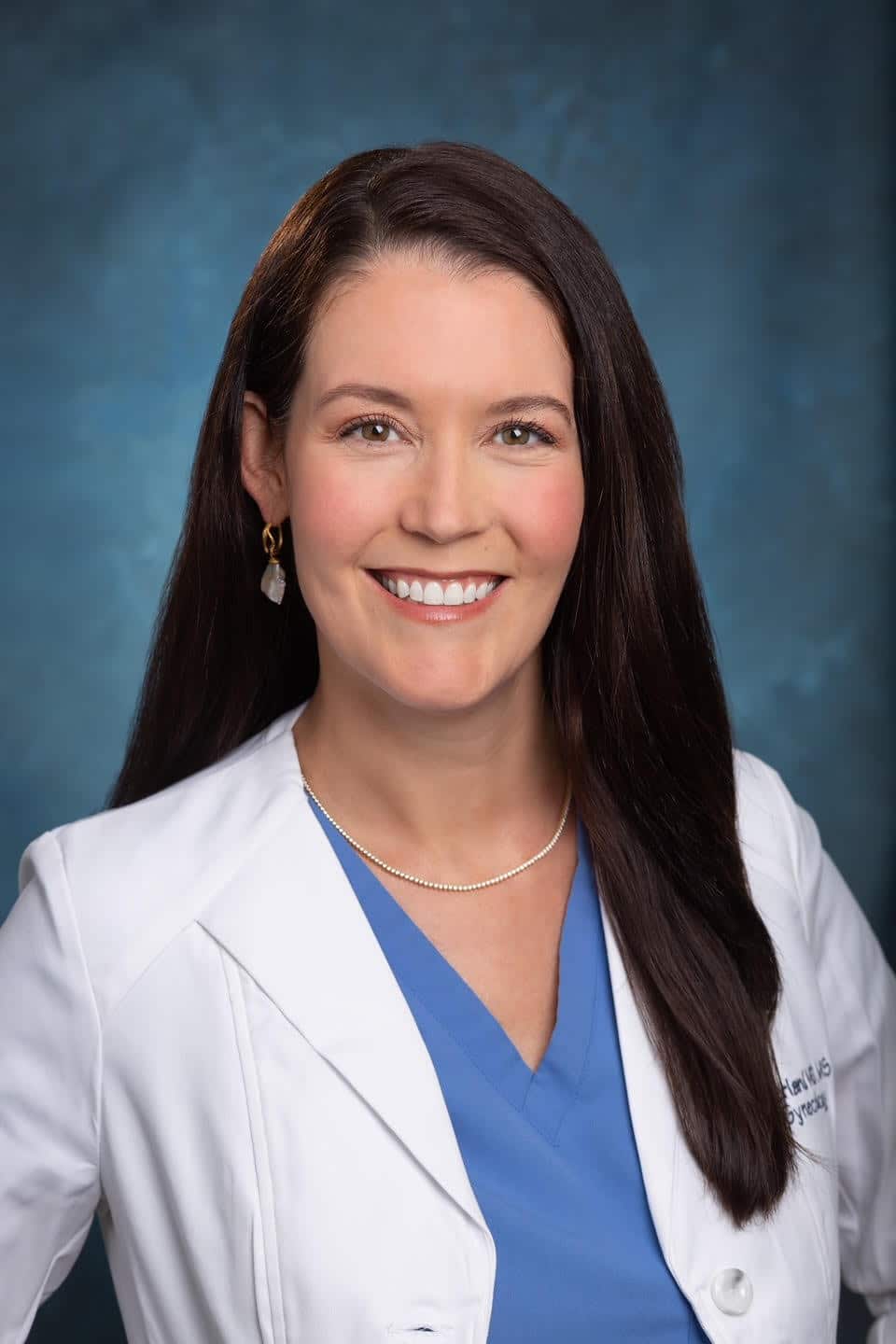
Dr. Rachael Haverland, a fellowship-trained surgeon, specializes in this area and emphasizes individualized treatment plans. Patients are advised to arrange an assessment to determine the most appropriate surgical and reproductive strategy for their situation.
Beyond lesion removal, excision can restore normal pelvic anatomy by lysing adhesions and releasing tethered organs. Restoring tubal mobility and freeing the ovaries from adhesions can directly improve ovum pickup and fertilisation potential. In addition, removing endometriotic tissue around the ovary or within the peritoneum can lower the local inflammatory mediators and reactive oxygen species that negatively affect oocyte quality and early embryo development.
It is also important to balance lesion removal against preservation of healthy ovarian tissue. When endometriomas are present, careful cyst stripping with attention to ovarian reserve is required; experienced surgeons use techniques designed to minimize inadvertent loss of follicular tissue while maximizing lesion clearance. This nuanced approach helps protect future ovarian function while addressing a major source of pain and infertility.
What Is Endometriosis and How Does It Affect Fertility?
Endometriosis is defined by the presence of endometrial-like tissue outside the uterine cavity, commonly affecting the ovaries, fallopian tubes and pelvic peritoneum. It produces symptoms such as pelvic pain, dysmenorrhoea and menorrhagia, and is associated with infertility. Epidemiological estimates indicate it affects roughly 10% of women of reproductive age. Fertility is compromised by local inflammation, adhesions and distortion of pelvic anatomy, all of which can impair ovum capture and transport.
Endometriosis Overview
Endometriosis arises when tissue analogous to the uterine lining implants and proliferates outside the uterus. Clinical manifestations include severe cyclical pain, chronic pelvic discomfort and fatigue, which may significantly reduce quality of life. The condition can also lead to ovarian endometriomas and impaired fertility, underscoring the need for evidence-based therapeutic options to restore reproductive function.
Diagnosis often relies on a combination of clinical assessment, imaging, and, in many cases, diagnostic laparoscopy. Pelvic ultrasound and magnetic resonance imaging can identify ovarian endometriomas and suggest deep infiltrating disease, but small peritoneal implants may only be confirmed at laparoscopy. Because symptoms and disease burden do not always correlate, a tailored diagnostic pathway is essential to guide management and to prioritize fertility-preserving strategies when appropriate.
Patient counseling should include a discussion of the heterogeneous nature of endometriosis. For some individuals, symptoms are the predominant problem; for others, subfertility is the chief concern. A careful review of reproductive history, previous treatments, partner factors, and ovarian reserve testing is integral to forming a clear treatment plan that aligns with the patient’s family-building timeline.
How Endometriosis Causes Conception Challenges

The mechanisms by which endometriosis impairs fertility are multifactorial. Adhesions and scarring may obstruct fallopian tube patency, limiting gamete transport. Endometriotic lesions elicit a pro-inflammatory milieu and can disrupt endocrine signaling, altering ovulation. Aberrant immunological responses to ectopic endometrial tissue may further reduce the likelihood of successful fertilization and implantation.
Inflammation around the ovary and peritoneal cavity can change the composition of follicular fluid and influence oocyte competence. Cytokines, prostaglandins, and other inflammatory mediators may impair ciliary function within the fallopian tube and reduce sperm motility locally. Immunological factors, including altered natural killer cell activity and autoantibodies in a subset of patients, have been proposed as contributors to implantation failure and early pregnancy loss.
Adhesion formation can tether the ovaries to the pelvic sidewall or uterus, restricting the ovary’s ability to release and present oocytes to the fimbrial end of the fallopian tube. In advanced disease, extensive scarring can distort pelvic anatomy to an extent that spontaneous conception is unlikely without surgical correction or assisted reproductive technologies. Recognizing the predominant mechanism in each patient—mechanical obstruction, inflammatory milieu, or a combination—helps tailor the intervention to maximize fertility potential.
How Is Laparoscopic Excision Surgery Performed for Endometriosis?
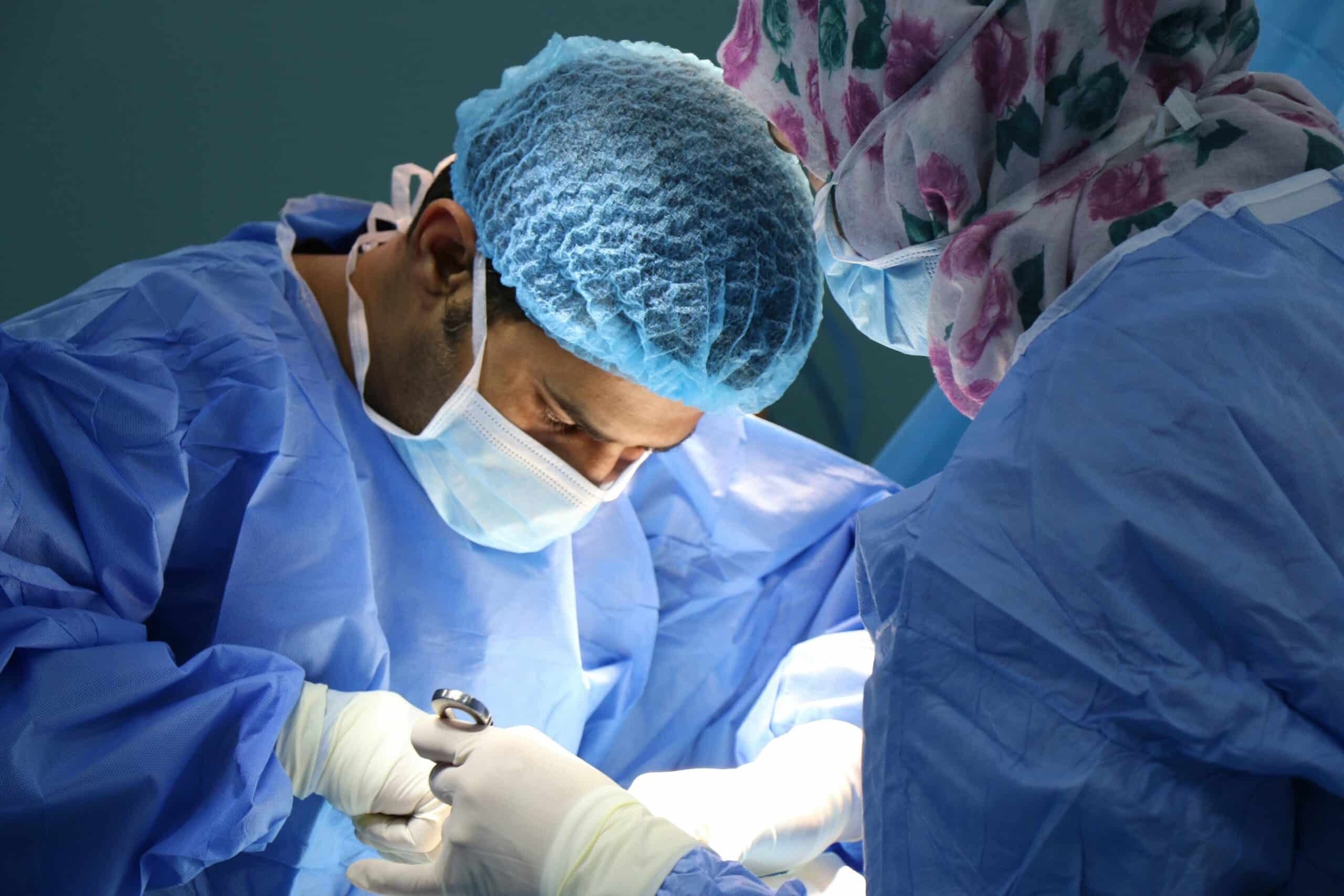
Laparoscopic excision is a minimally invasive technique that enables precise excision of endometriotic tissue while preserving normal structures. The operation typically follows a standardised sequence:
- Anesthesia Administered: Patients are placed under general anesthesia before the procedure begins.
- Tiny Incisions Made: Surgeons make several small incisions in the abdomen to insert laparoscopic instruments.
- Visualization and Dissection: A camera allows the surgical team to visualize the pelvic organs, enabling them to carefully dissect and remove endometrial tissue without damaging surrounding structures.
The procedure commonly requires several hours depending on disease extent, followed by an early recovery period. Compared with open laparotomy, patients typically experience reduced postoperative pain and a faster return to routine activities.
Preoperative preparation often includes optimisation of medical comorbidities, counselling regarding fertility goals and targeted imaging to map disease distribution. Perioperative planning may involve coordination with reproductive endocrinologists when concurrent fertility preservation measures or IVF planning are under consideration. Intraoperatively, surgeons use a combination of sharp dissection, hydrodissection and energy modalities to remove lesions while minimising collateral thermal injury.
Specific surgical techniques vary according to lesion location: superficial peritoneal implants are excised with margin control, deep nodules may require careful shaving or segmental excision from bowel or bladder with the involvement of colorectal or urological colleagues when necessary, and ovarian endometriomas are handled with delicate stripping and coagulation of the cyst bed to reduce recurrence while attempting to preserve cortical ovarian tissue. When necessary, reconstructive suturing restores normal anatomy and supports future fertility.
What Are the Fertility Outcomes After Excision Surgery?
Fertility outcomes after excision surgery are generally favorable; multiple studies report increased conception rates following successful excision. Patients commonly describe improved menstrual patterns, reduced pelvic pain, and higher pregnancy rates, with reported cumulative pregnancy rates in the range of approximately 40–70% after surgery. Individual prognosis depends on disease severity and coexisting fertility factors. Referral to specialized centers, such as the Endometriosis Excellence Center, may provide access to comprehensive evaluation and tailored care.
It is useful to distinguish spontaneous conception after surgery from pregnancy achieved with assisted reproductive technologies. For many patients, surgery increases the likelihood of natural conception; for others, excision may be a preparatory step that improves response to ovarian stimulation or simplifies embryo transfer. Predictors of a favorable outcome include younger age, limited extra-ovarian disease, and the absence of additional fertility factors such as severe male-factor infertility or diminished ovarian reserve.
When counseling patients, surgeons emphasize that surgery is one element in a broader fertility plan. For example, combining surgical management with time-limited attempts at natural conception followed by assisted reproduction if needed represents a pragmatic, evidence-informed pathway that is tailored to the patient’s priorities and clinical context.
Comparing Excision Surgery with Other Treatment Options
Excision offers distinct advantages over alternatives such as pharmacotherapy or ablation. Ablation destroys superficial lesions but does not remove tissue, which may limit long-term efficacy. Medical therapies can suppress symptoms temporarily but do not excise lesions. Excision is therefore preferred when durable symptom relief and fertility improvement are the primary objectives, particularly in patients with more severe disease.
Medical treatments remain important adjuncts for symptom control or as temporising measures when surgery is contraindicated or when a patient’s family-planning goals are deferred. Hormonal suppression can reduce pain and slow lesion progression, but fertility returns only after cessation of therapy. Ablation may be appropriate for superficial disease in selected cases, but when deep infiltrating or ovarian disease is suspected, excision typically provides a more definitive anatomical correction.
Shared decision-making is essential. The choice between surgery, medical management and assisted reproduction should be informed by the individual’s symptoms, disease phenotype, fertility timeline and personal preferences. Discussing the relative benefits, limitations and timelines of each approach helps patients make an informed choice aligned with their reproductive goals.
Which Personalized Treatment Plans Optimize Fertility Post-Surgery?

Personalized post-operative plans are integral to optimizing fertility. Components may include cycle monitoring, adjunctive hormonal therapy where appropriate, and lifestyle measures that support reproductive health. Collaboration with reproductive endocrinology and fertility specialists can refine timing and adjunctive interventions to maximize the likelihood of conception.
Adjunctive strategies can include timed intercourse or intrauterine insemination for couples with otherwise unexplained infertility, and early referral for assisted reproduction when additional factors reduce the chance of spontaneous conception. In some cases, short courses of hormonal therapy are used to suppress disease recurrence while fertility planning proceeds; in others, immediate attempts at conception are encouraged. The plan should reflect ovarian reserve testing, partner fertility status, and the patient’s age and preferences.
Lifestyle optimization, such as maintaining a healthy weight, minimizing tobacco and excessive alcohol use, and addressing metabolic health, can complement the benefits of surgery. Access to nutritionists, physiotherapists, and psychological support can be part of a comprehensive post-operative pathway that addresses physical recovery and emotional well-being during the fertility journey.
What Are the Risks and Recovery Considerations Following Excision Surgery?
Although excision is considered safe, recognized risks include infection, hemorrhage, and inadvertent injury to adjacent organs. These potential complications should be discussed preoperatively. Appropriate recovery time and adherence to post-operative instructions are essential to facilitate healing and to reduce the risk of adverse events.
Potential Complications and How They Are Managed
Post-operative complications, such as infection or hematoma, are detected through clinical review and imaging when indicated and managed promptly. Surgeons provide clear guidance on warning signs and arrange follow-up to ensure early intervention when necessary. Structured post-operative care minimizes morbidity and supports recovery.
Pain management is tailored to minimize opioid exposure where possible, using multimodal analgesia, regional techniques when appropriate, and early mobilization. Strategies to reduce adhesion formation, such as meticulous tissue handling, minimized use of desiccation and, in selected cases, the application of barrier agents, are considered according to the operative findings and surgeon preference. Return-to-work guidance and graded activity plans are discussed before discharge to set realistic expectations.
How Can Patients Schedule a Consultation with Dr. Rachael Haverland?
Scheduling a consultation with Dr. Rachael Haverland is straightforward for those seeking an expert evaluation for endometriosis. Patients may contact the Endometriosis Center of Excellence at (214) 281-4460 to discuss symptoms and treatment options. During the consultation, Dr. Haverland will review medical history, perform a focused assessment, and recommend individualized diagnostic and therapeutic strategies. Additional information is available via the Endometriosis Excellence Center.
When arranging an appointment, patients are encouraged to gather relevant records, including prior imaging, operative reports, and fertility assessments. Bringing a partner or support person can be helpful for discussing complex information and next steps. Administrative staff can advise on insurance, referral requirements, and expected timelines for evaluation.
What to Expect During Your Initial Consultation
The initial consultation typically includes a comprehensive history, symptom review and a targeted clinical examination. Diagnostic testing may be discussed as indicated. Dr. Haverland will consider the patient’s reproductive goals and propose evidence-based treatment options tailored to optimise symptom control and fertility planning.
Expect a discussion of prior treatments, duration and severity of symptoms, menstrual history and prior fertility evaluations. Where appropriate, plans for imaging, preoperative laboratory testing or referral to allied specialists are made. Clear documentation of the agreed plan, follow-up arrangements, and contact details for questions are provided to support shared decision-making.
Frequently Asked Questions
1. Can lifestyle changes improve fertility after excision surgery?
Yes. Regular physical activity, a balanced diet rich in antioxidants, stress management, and smoking cessation can support reproductive health after surgery. Observational studies have associated these measures with improved fertility metrics. Referral to a dietitian or reproductive specialist can help create a personalized plan.
2. How long should I wait to try to conceive after excision surgery?
Clinical practice commonly advises waiting approximately 2–3 months post-operatively before attempting conception to allow for tissue healing. Individual recommendations vary according to recovery and specific clinical factors; discuss timing with your surgeon or fertility specialist.
3. What are the long-term impacts of excision surgery on fertility?
Excision can produce durable improvements in fertility by reducing disease burden and symptom recurrence compared with non-surgical options. Long-term outcomes, however, are influenced by age, disease stage, and other reproductive factors. Ongoing follow-up helps assess and address evolving fertility needs.
4. Is excision surgery effective for all stages of endometriosis?
Excision may benefit patients across a spectrum of disease severity, though effectiveness varies. Those with mild to moderate disease frequently experience meaningful improvements; patients with extensive disease may require integrated surgical and medical management. A detailed evaluation determines suitability for excision.
5. What should I expect during the recovery period after excision surgery?
Recovery often involves manageable pain controlled with analgesia, gradual resumption of activities, and avoidance of heavy lifting for several weeks. Scheduled follow-up visits permit monitoring of wound healing and symptom resolution, and enable timely management of any complications.
6. Are there alternative treatments to excision surgery for endometriosis?
Alternatives include hormonal therapies, such as combined oral contraceptives and GnRH agonists; pelvic physiotherapy and lifestyle measures, which may provide symptomatic relief but do not excise lesions. Efficacy varies between individuals; a clinician-led assessment guides selection of the most appropriate option.
7. What role does follow-up care play after excision surgery?
Follow-up care is essential to assess healing, identify and treat complications, and discuss subsequent fertility management. Regular clinical review enables adjustment of post-operative plans and provides access to supportive resources that address both physical and psychosocial aspects of recovery.
Conclusion
Laparoscopic excision is a key therapeutic option that can improve fertility by removing endometriotic lesions and reducing pelvic inflammation. By treating the underlying pathology, many patients experience higher pregnancy rates and improved reproductive function. Patients facing conception difficulties should consult a specialist to discuss individualized diagnostic and treatment strategies and to plan the next steps in their family‑building journey.
Decisions about surgery should be made within the context of a comprehensive fertility plan that weighs disease severity, ovarian reserve, partner factors and the patient’s timeline. When performed by experienced, multidisciplinary teams, excision can form an important part of an evidence-informed pathway toward improved reproductive outcomes and better quality of life.