
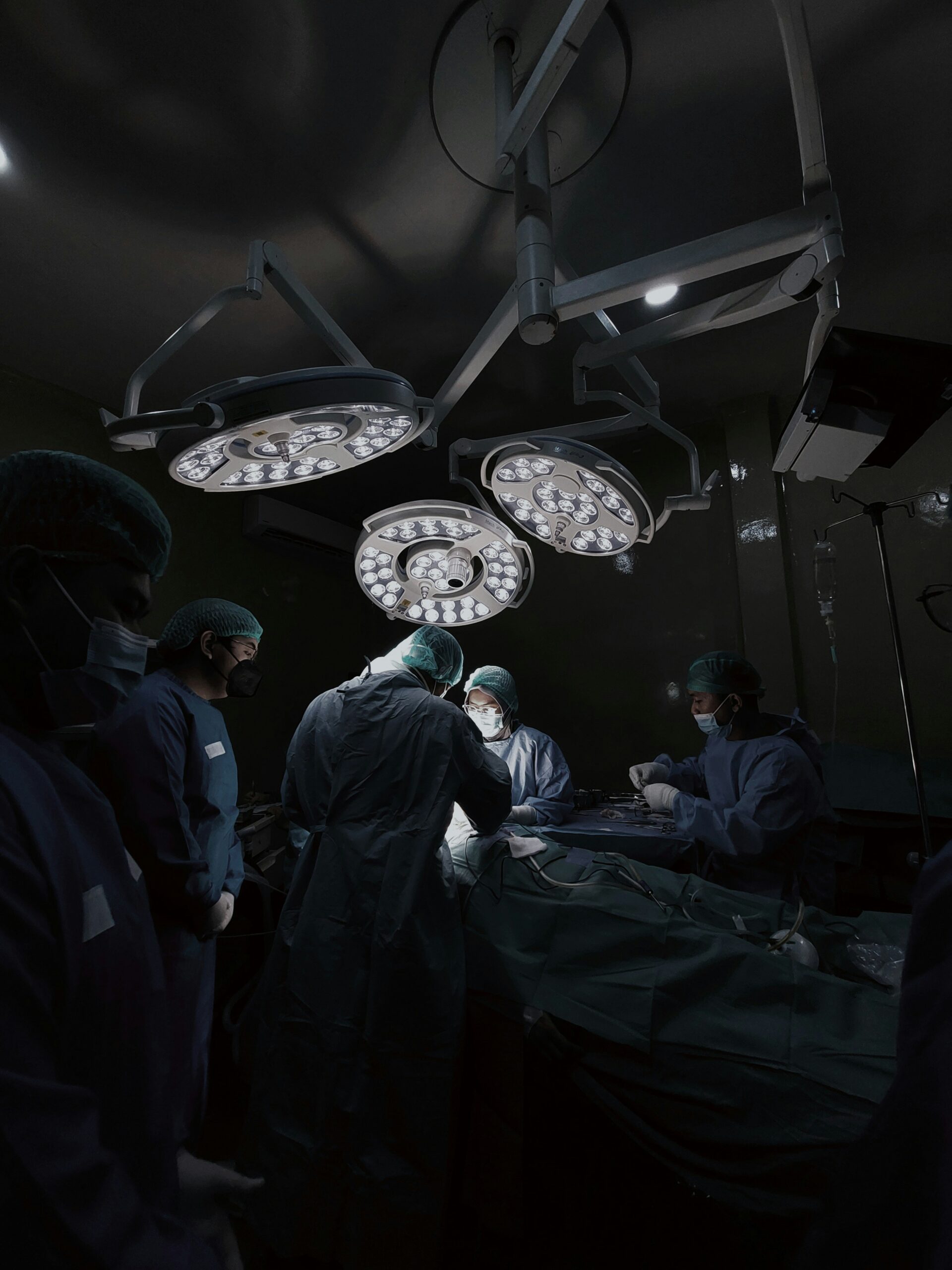
Laparoscopic surgery is considered the gold standard for diagnosing and treating endometriosis because it is minimally invasive and typically offers a shorter recovery period than traditional open surgery. However, recovery is not the same for everyone. Factors such as the extent of the procedure, overall health, and adherence to postoperative instructions all influence healing time. While many patients notice symptom improvements within a few weeks, complete recovery often takes several months. Understanding the recovery timeline and following recommended aftercare practices can help support healing, reduce complications, and make the transition back to everyday life smoother.
Expected Recovery Timeline After Laparoscopic Surgery

Recovery after laparoscopic surgery occurs in stages, with patients gradually regaining mobility, energy, and comfort over time. While the healing process varies from person to person, knowing what to expect during each phase can help reduce uncertainty and support realistic expectations throughout recovery.
Recovery During the First Week
The first week after surgery is largely focused on pain management, rest, and gentle movement. Most patients return home on the same day as surgery or after a brief hospital stay. During this time, abdominal soreness, bloating, fatigue, and mild discomfort around the incision sites are common. Some patients may also experience shoulder pain caused by the gas used during laparoscopic procedures.
Although rest is essential, healthcare providers typically encourage light walking several times a day to improve circulation and reduce the risk of blood clots. Patients should also prioritize hydration, follow medication schedules carefully, and avoid strenuous activities. Small improvements in comfort and mobility during the first week are positive indicators that healing is progressing normally.
Progress Between Weeks Two and Four
Many patients experience noticeable improvements during weeks two through four. Pain levels often decrease significantly, energy levels begin to recover, and daily activities become easier to perform. Light household tasks and desk-based work may be possible during this phase, depending on individual recovery progress and medical guidance.
Even though patients often feel much better by this stage, internal healing continues. Heavy lifting, intense exercise, and physically demanding activities should continue to be avoided. Taking a gradual approach to increasing activity levels helps protect healing tissues and reduces the likelihood of setbacks.
What to Expect During Full Recovery
Full recovery often occurs between eight and twelve weeks, although some patients may continue healing beyond this timeframe. By this stage, many individuals have returned to most of their normal activities and experience significant relief from endometriosis-related symptoms.
Healing should not be measured solely by the absence of pain. Improvements in stamina, sleep quality, mobility, appetite, and overall quality of life are equally important signs of progress. Regular follow-up appointments allow healthcare providers to monitor recovery and address any lingering concerns before they develop into larger issues.
Factors That Affect Recovery Speed

Every recovery journey is unique. Several factors influence how quickly patients heal after laparoscopic surgery, and understanding these factors can help individuals take an active role in supporting their recovery.
Surgical Complexity and Procedure Type
The complexity of the surgery is one of the most significant influences on recovery time. Procedures involving extensive excision of endometriosis lesions, removal of adhesions, or treatment involving multiple organs typically require longer recovery periods than less extensive procedures.
Because more complex surgeries involve greater tissue manipulation and inflammation, patients may experience increased discomfort and longer healing timelines. Discussing the specifics of the procedure with a surgeon before surgery can help establish realistic expectations regarding recovery.
Overall Health and Lifestyle Factors
A patient’s general health can have a substantial impact on healing. Factors such as age, physical fitness, nutritional status, and pre-existing medical conditions all contribute to the body’s ability to recover efficiently after surgery.
Healthy habits such as maintaining a balanced diet, staying hydrated, avoiding smoking, and remaining physically active before surgery can support better recovery outcomes. Patients who prioritize overall wellness often have stronger physiological reserves that assist with healing.
Following Postoperative Instructions
Following postoperative recommendations is one of the most important factors within a patient’s control. Adhering to medication schedules, attending follow-up appointments, and respecting activity restrictions can significantly reduce the risk of complications.
Patients who attempt to return to normal activities too quickly may inadvertently delay healing or increase their risk of setbacks. Maintaining open communication with healthcare providers and reporting any unusual symptoms promptly can contribute to a smoother and safer recovery experience.
Essential Postoperative Care After Surgery
Proper aftercare is critical for supporting recovery and reducing the risk of complications. A combination of pain management, wound care, and healthy lifestyle habits can help patients heal more comfortably and efficiently.
Pain Management During Recovery
Effective pain management allows patients to remain comfortable while supporting mobility during the healing process. Taking prescribed medications according to instructions can help prevent pain from becoming severe and difficult to control. Some patients may also benefit from non-medication approaches such as heat therapy, gentle stretching, and comfortable positioning while resting.
Managing pain effectively encourages movement, which supports circulation and helps prevent complications associated with prolonged inactivity. Patients should discuss any concerns about pain levels or medication side effects with their healthcare provider to ensure appropriate adjustments can be made if necessary.
Proper Wound Care Practices
Keeping incision sites clean and dry is essential for preventing infection and promoting healing. Patients should carefully follow all wound-care instructions provided by their surgical team, including guidance regarding dressings and bathing.
Regularly inspecting incision sites for signs of infection is also important. Redness, swelling, warmth, drainage, or increasing pain around the wounds should be reported to a healthcare provider promptly. Early intervention can often prevent minor issues from becoming more serious complications.
Nutrition and Hydration for Healing
Nutrition plays a crucial role in the recovery process. Protein-rich foods help repair damaged tissues, while fruits and vegetables provide vitamins and minerals necessary for immune function and healing. Adequate hydration also supports circulation, digestion, and overall recovery.
Patients who experience reduced appetite after surgery may find it easier to consume smaller meals throughout the day rather than large portions. Maintaining consistent nutrition and hydration can improve energy levels and help the body recover more effectively from surgery. Read more in How to Prepare Your Body for Endometriosis Surgery.
Recovery Milestones and Physical Improvements

Recovery milestones can help patients better understand what progress may look like throughout the healing process. While individual experiences vary, many patients follow similar patterns of improvement.
Early Recovery Milestones
During the first several days after surgery, many patients are able to stand, walk short distances, and tolerate light meals. Pain is often managed with oral medications, and patients gradually become more comfortable moving around their homes. For more detail, see our article Managing Nerve Pain After Endometriosis Surgery.
By the end of the first week, many individuals notice reduced discomfort and improved independence when performing basic self-care activities. These early milestones provide reassurance that healing is progressing as expected. Read more in Navigating Post-Operative Care After Endometriosis Surgery.
Improvements Between Weeks Three and Six
Between weeks three and six, mobility and energy levels often improve significantly. Many patients can return to work, increase their activity levels, and spend less time focusing on pain management.
Healthcare providers may recommend introducing gentle aerobic exercise such as walking or light cycling during this period. Gradually building endurance can help patients regain confidence while avoiding unnecessary strain on healing tissues.
Recovery Between Eight and Twelve Weeks
By eight to twelve weeks, many patients are approaching their normal level of activity and function. Endometriosis-related symptoms may continue improving, and everyday tasks often become easier to perform without discomfort.
Although patients frequently feel much better by this stage, some internal healing and scar maturation may continue for several months. Maintaining healthy habits and attending follow-up appointments can support long-term recovery success.
Returning to Work and Daily Activities

Returning to normal responsibilities is an important recovery milestone, but it should be approached gradually. Taking the time to rebuild strength and stamina can help prevent setbacks and support long-term healing.
Safe Activity Levels During Recovery
Activity should be increased progressively based on comfort and medical guidance. During the first two weeks, gentle walking and light movement are typically recommended, while heavy lifting and intense exercise should be avoided.
Patients should pay attention to their body’s signals throughout recovery. Increased pain, fatigue, or discomfort may indicate the need to slow down and allow additional healing time before progressing to more demanding activities.
Returning to Work After Surgery
The timeline for returning to work depends largely on job requirements. Patients with sedentary roles often return within two to four weeks, while physically demanding occupations may require additional recovery time.
A phased return-to-work plan can help ease the transition back into professional responsibilities. Gradually increasing work hours and duties can reduce fatigue and help patients adjust more comfortably.
Gradually Resuming Daily Responsibilities
Beyond work, activities such as household chores, exercise routines, and social commitments should also be reintroduced gradually. Attempting to resume all responsibilities at once may place unnecessary stress on the body and slow recovery.
Balancing activity with adequate rest remains important throughout the healing process. By focusing on steady progress rather than rushing recovery, patients can safely return to their normal routines while supporting long-term health and well-being.
Frequently Asked Questions
1. How long does it take for surgical incisions to heal completely after laparoscopic surgery?
Healing times vary between patients. Most notice significant improvement within the first two weeks, with incisions substantially healed in that period. Complete healing may take several weeks to a few months depending on health status, adherence to wound care and the nature of the procedure. Monitor wounds and report signs of infection promptly.
2. What types of follow-up care should patients expect after laparoscopic surgery?
Follow-up typically includes scheduled clinic visits to assess wound healing, review pain control and monitor for complications. Clinicians will advise on activity progression, nutritional support and psychological well-being. Report any unexpected symptoms to enable personalised adjustments to the recovery plan.
3. Are there specific dietary recommendations for optimizing recovery after laparoscopic surgery?
Yes. A nutrient-dense diet with adequate protein, fruits, vegetables and whole grains supports tissue repair. Maintain sufficient hydration. A high-fibre intake can help prevent constipation associated with reduced activity and opioid analgesics. Discuss individual dietary needs with a clinician or nutritionist.
4. When can patients typically start exercising or engaging in physical activities post-surgery?
Begin gentle movements and stretching within the first two weeks, progressing activity as tolerated. More intensive exercise is usually safe around three to six weeks, depending on the procedure and clinical advice. Always confirm activity plans with the surgical team, particularly after complex operations.
5. What signs indicate a complication following laparoscopic surgery that patients should be aware of?
Signs that warrant prompt medical review include increasing pain, new or worsening swelling, redness or drainage at incision sites, fever, persistent nausea or vomiting, and unexpected gastrointestinal symptoms. Early assessment improves the likelihood of straightforward management.
6. How does the emotional aspect of recovery impact the overall healing process after laparoscopic surgery?
Emotional health influences physical recovery. Anxiety, low mood or emotional distress can impede rehabilitation. Accessing supportive care such as counselling, peer support or mindfulness techniques can strengthen coping and improve clinical recovery. When you are ready to talk through your options, schedule an appointment with our team.
7. What are the long-term implications of laparoscopic surgery on daily life and activities?
Long-term outcomes vary with the indication for surgery and individual factors. Many patients experience reduced pain and improved function, enabling return to work and exercise. Some patients require ongoing monitoring for condition-specific issues, including fertility concerns. Maintain regular follow-up to support long-term health.
Conclusion
Recovery from laparoscopic surgery is typically smoother with informed aftercare and close clinical follow-up. Patients should monitor their progress, adhere to prescribed pain management and nutritional guidance, and maintain communication with their care team. For individualised recovery plans and specialist support, consider consulting an Endometriosis Center of Excellence. You may also find Laparoscopic Surgery vs Traditional Surgery: Recovery Insights helpful.
Remember that recovery is a process rather than a single endpoint: set realistic goals, seek help when needed, and use the resources available through your care team to optimise healing and return to activities that matter to you. Learn how our surgeons approach endometriosis excision surgery.