
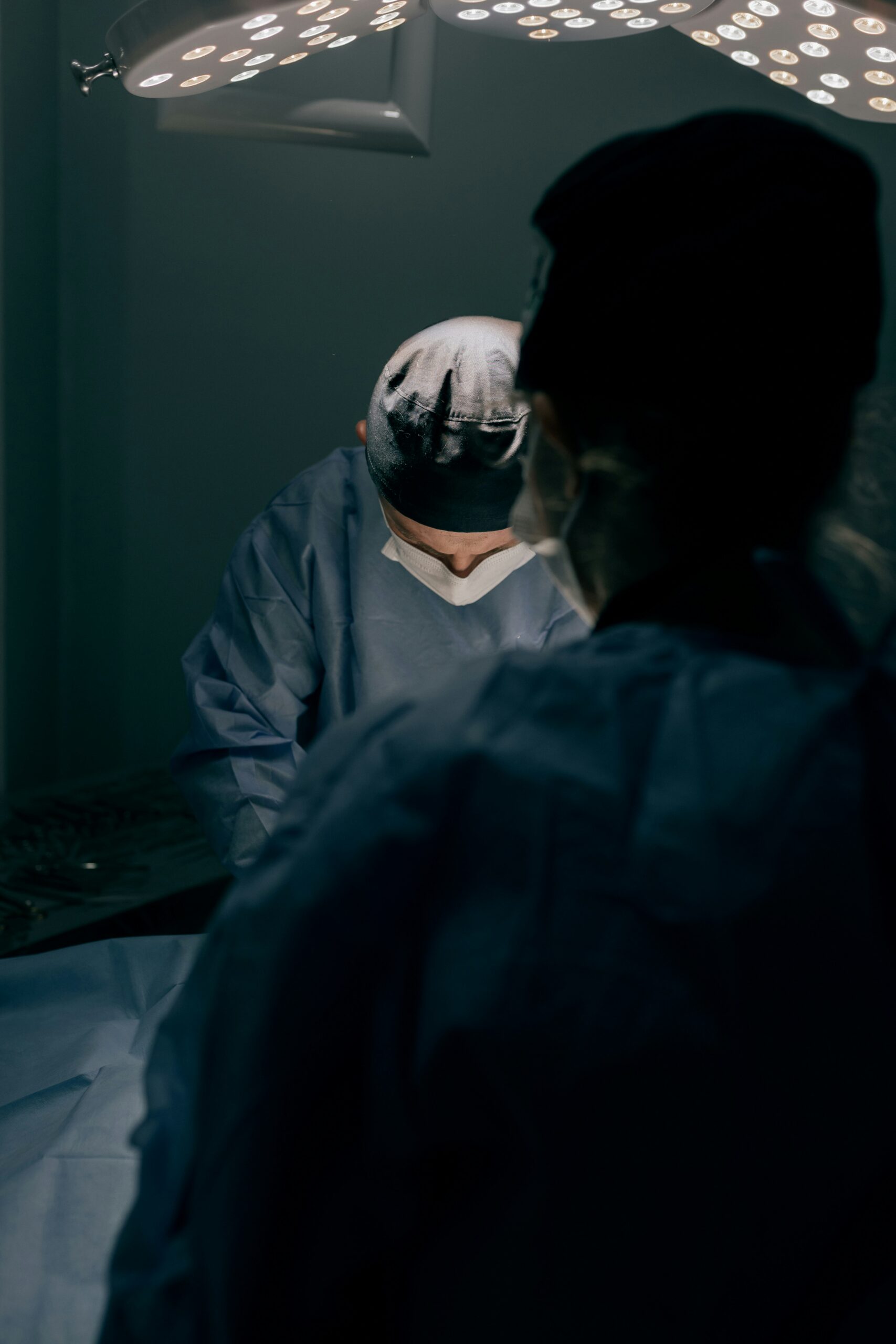
Endometriosis can cause pelvic pain, painful periods, pain with sex, bowel or bladder symptoms, fatigue, and fertility challenges. For some patients, especially those with suspected deep infiltrating endometriosis or complex pelvic disease, surgery may be part of a comprehensive treatment plan.
Robotic-assisted laparoscopic surgery is one minimally invasive approach used for endometriosis excision. The robotic platform gives the surgeon enhanced 3D visualization, wristed instruments, and refined control during delicate pelvic surgery. These features may be especially useful when endometriosis involves areas near the ovaries, bowel, bladder, ureters, pelvic sidewall, or other sensitive structures.
It is important to understand that the robot does not treat endometriosis on its own. The key factor is the surgeon’s ability to identify and excise endometriosis thoroughly while protecting healthy tissue. At Endometriosis Center of Excellence, robotic-assisted surgery may be considered when it supports a patient’s individual anatomy, symptoms, imaging findings, prior surgical history, and fertility goals.
In this guide, we explain how robotic surgery for endometriosis works, when it may be recommended, what recovery can look like, how it may relate to pelvic pain and fertility, and what patients should discuss during a consultation.
What Is Robotic-Assisted Laparoscopy for Endometriosis?
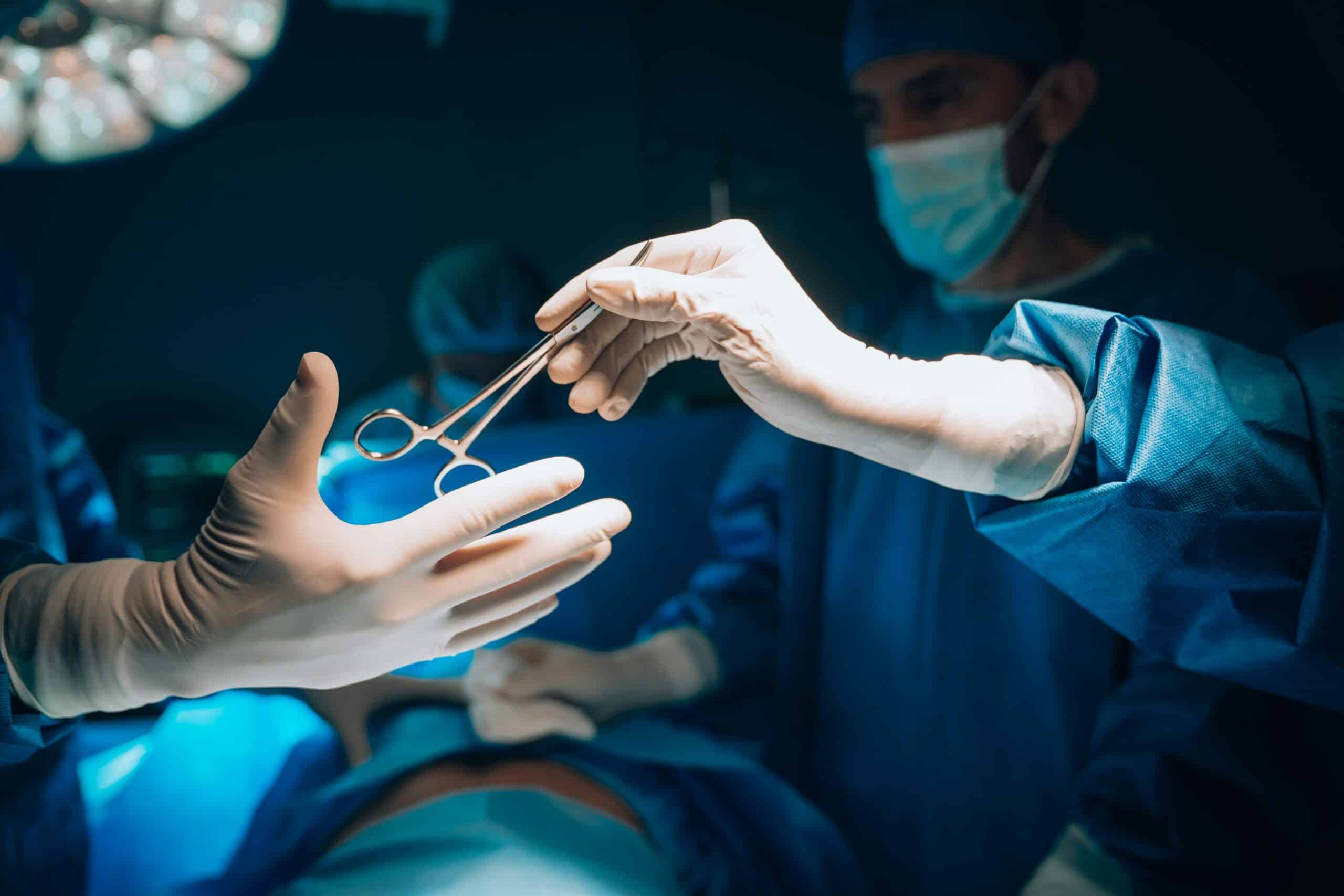
Robotic-assisted laparoscopy is a minimally invasive surgical approach that allows an endometriosis surgeon to operate through small incisions using robotic instruments and a high-definition 3D camera. The robotic system does not perform the surgery on its own; it translates the surgeon’s hand movements into precise, controlled instrument movements inside the pelvis.
For endometriosis, this approach may be useful when excising lesions near delicate structures such as the ovaries, bowel, bladder, ureters, or pelvic sidewall. Robotic-assisted surgery may help improve visualization and surgical control during complex excision, while still offering the benefits of minimally invasive surgery, such as smaller incisions and a more focused recovery plan.
How Does Robotic Surgery Support Precision in Endometriosis Excision?
Robotic surgery can enhance precision by providing the surgeon with magnified 3D visualization and wristed instruments that move with high control. These features may be helpful when carefully separating endometriosis from surrounding tissue or working in narrow areas of the pelvis.
In cases of deep infiltrating endometriosis, improved dexterity, tremor filtration, and enhanced visualization may assist with meticulous excision. However, the most important factor is not the robotic platform alone. Outcomes depend heavily on the surgeon’s training, experience, and ability to identify and remove endometriosis safely and thoroughly.
What Role Does the da Vinci Surgical System Play in Treatment?
The da Vinci Surgical System is one robotic platform used in minimally invasive gynecologic surgery. During robotic-assisted endometriosis surgery, the surgeon controls the instruments from a console while viewing the surgical field in magnified 3D.
This technology may help the surgeon perform delicate movements during excision, especially in complex cases involving deep pelvic disease. The goal is to remove endometriosis as completely as possible while protecting healthy organs and tissue.
What Are the Advantages of Robotic Surgery Compared to Traditional Methods?

Robotic-assisted surgery may offer technical advantages in selected endometriosis cases, especially when the disease is deep, complex, or located near delicate pelvic structures. The robotic platform can provide magnified 3D visualization, wristed instruments, and refined movement control, which may help the surgeon perform careful excision in difficult-to-access areas.
However, robotic surgery is not automatically better than conventional laparoscopy for every patient. Research comparing robotic-assisted surgery with traditional laparoscopic surgery has found similar outcomes for complications, blood loss, and conversion rates in many cases. Some studies also report longer operating times with robotic surgery.
For patients, the most important question is not simply whether surgery is “robotic” or “traditional.” The key is whether the surgeon has advanced experience in endometriosis excision and can choose the safest, most effective approach for the patient’s anatomy, symptoms, and treatment goals.
How Does Minimally Invasive Surgery Benefit Pelvic Pain and Fertility?
Minimally invasive endometriosis surgery uses small incisions to access the pelvis and remove endometriosis lesions. Compared with open surgery, this approach may reduce tissue trauma, postoperative discomfort, scarring, and recovery time.
For patients with pelvic pain, excision surgery may help by removing endometriosis from areas contributing to inflammation, adhesions, nerve irritation, or organ-related symptoms. For patients hoping to conceive, surgery may also be considered when endometriosis affects pelvic anatomy, the ovaries, fallopian tubes, or surrounding structures.
Fertility outcomes vary from patient to patient. Age, ovarian reserve, disease severity, prior surgeries, and other fertility factors all matter. For this reason, surgical planning should be individualized and may include coordination with fertility specialists when appropriate.
What Are the Key Benefits of Gold-Standard Excision Techniques?
Excision surgery is often considered the gold-standard surgical approach for endometriosis because it aims to remove lesions at their roots rather than treating only the surface. During excision, the surgeon carefully identifies and removes endometriosis tissue while preserving healthy organs and surrounding structures whenever possible. The potential benefits of expert excision may include:
- More complete removal of visible endometriosis
- Improved evaluation of deep or hidden disease
- Reduced inflammation and adhesions
- Better symptom control for selected patients
- A treatment plan tailored to pain, fertility goals, and disease location
Robotic technology may support excision in complex cases, but it is the surgeon’s expertise in recognizing and removing endometriosis that has the greatest impact on care.
What Should Patients Expect During Recovery After Robotic Endometriosis Surgery?
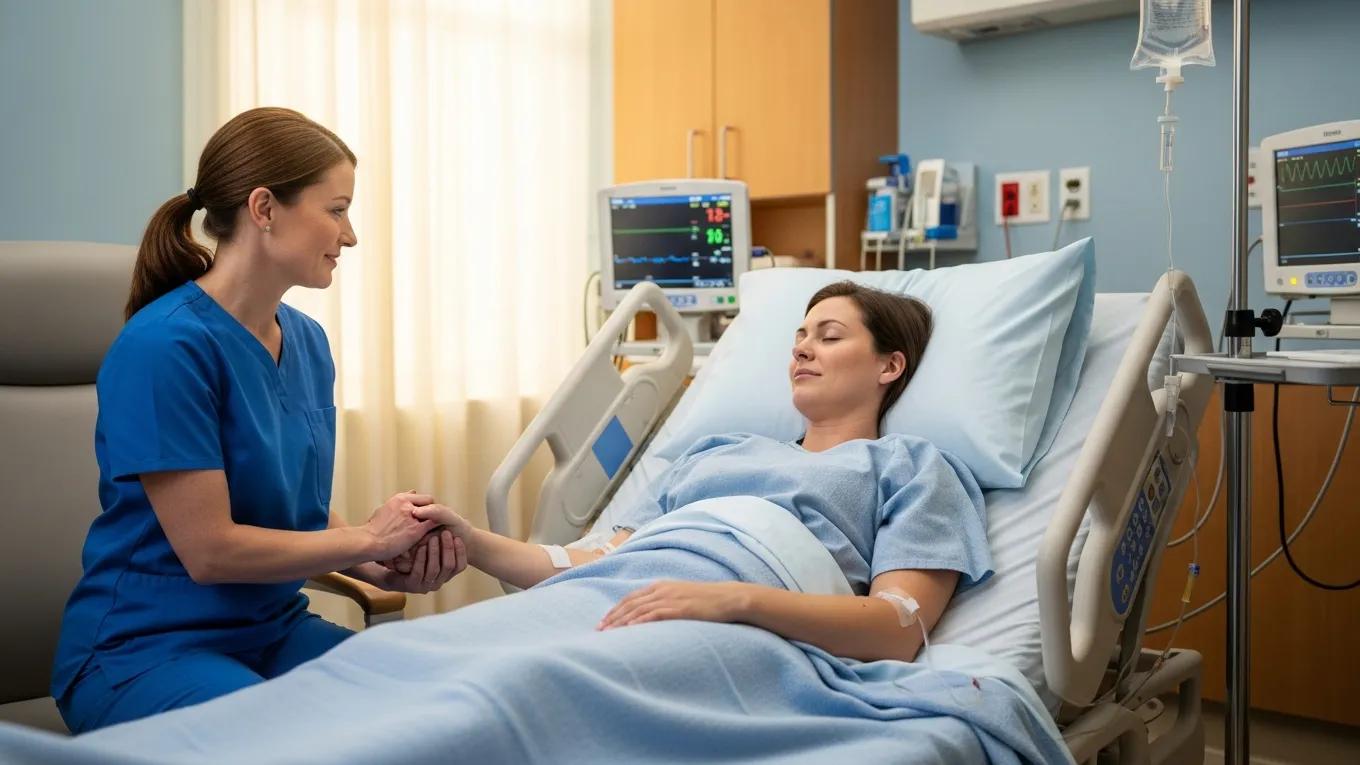
Recovery after robotic endometriosis surgery varies depending on the extent of disease, the organs involved, and the procedures performed. Because robotic-assisted laparoscopy uses small incisions, many patients experience less incision-related discomfort than they might with open surgery. However, deep endometriosis excision can still be complex, and recovery should be guided by the surgeon’s postoperative instructions. You may also find Excision Surgery Recovery for Young Women: What to Expect helpful.
Patients may have soreness, fatigue, bloating, light vaginal bleeding, or shoulder discomfort from the gas used during laparoscopy. These symptoms usually improve gradually. Follow-up visits are important to check healing, review pathology when applicable, and discuss next steps for pain management, pelvic floor therapy, fertility planning, or ongoing endometriosis care.
What Is the Typical Endometriosis Surgery Recovery Time?
Many patients return to light daily activities within 1–2 weeks, but recovery is different for every person. More strenuous activity, heavy lifting, exercise, and sexual activity are usually delayed until the surgeon confirms it is safe. A general recovery timeline may look like this:
- First few days: Rest, walking as tolerated, pain control, hydration, and incision care.
- 1–2 weeks: Gradual return to light activities, depending on symptoms and procedure complexity.
- 4–6 weeks: Many patients are cleared for more normal activity, though this depends on healing.
- Longer recovery: Patients with deep infiltrating endometriosis, bowel or bladder involvement, extensive adhesions, or additional procedures may need more time.
Which Postoperative Care Practices Support Optimal Healing?
Postoperative care plays an important role in recovery after robotic endometriosis surgery. Patients should follow their individualized discharge instructions and contact the care team if symptoms feel unusual or worsen. Helpful recovery practices may include: Read more in Comprehensive Tips for Endometriosis Surgery Recovery.
- Pain management: Take medications as prescribed and report uncontrolled pain.
- Gentle movement: Short walks can support circulation and reduce stiffness.
- Activity limits: Avoid heavy lifting, intense exercise, and intercourse until cleared.
- Incision care: Keep incisions clean and monitor for redness, drainage, or fever.
- Nutrition and hydration: Support healing with fluids, fiber, and balanced meals.
- Emotional support: Recovery can affect mood, energy, and stress, especially for patients who have lived with chronic pain.
A smooth recovery is not only about incision healing. It also includes symptom monitoring, pelvic health support, and a long-term plan for managing endometriosis.
What Expertise Does the Endometriosis Center of Excellence Provide?

The Endometriosis Center of Excellence provides specialized care for patients with suspected or confirmed endometriosis, including complex cases involving chronic pelvic pain, deep infiltrating disease, fertility concerns, bowel symptoms, bladder symptoms, and prior unsuccessful treatment.
Care is centered on accurate evaluation, individualized treatment planning, and advanced surgical expertise when surgery is appropriate. For selected patients, robotic-assisted laparoscopic excision may be used as part of a minimally invasive approach to help identify and remove endometriosis while protecting surrounding organs and tissue. You may also find How to Prepare Your Body for Endometriosis Surgery helpful.
Who Is Dr. Rachael Haverland?
Dr. Rachael Haverland leads care at the Endometriosis Center of Excellence and focuses on the diagnosis and surgical treatment of endometriosis. Her approach emphasizes careful evaluation, patient education, and individualized treatment planning based on each patient’s symptoms, imaging, health history, and fertility goals.
Patients considering robotic endometriosis surgery should discuss Dr. Haverland’s training, surgical experience, and approach to complex excision during their consultation. This helps patients understand whether robotic-assisted surgery, conventional laparoscopy, medical management, or a multidisciplinary treatment plan may be most appropriate.
How Does the Center’s Multidisciplinary Approach Enhance Patient Care?
Endometriosis can affect more than the reproductive organs. Some patients also experience pelvic floor dysfunction, bowel or bladder symptoms, nerve-related pain, fertility challenges, fatigue, and emotional stress from living with chronic symptoms.
A multidisciplinary approach allows the care plan to address the full picture, not just the visible lesions. Depending on the patient’s needs, care may include coordination with pelvic floor physical therapy, fertility specialists, pain management, gastrointestinal or urologic specialists, and mental health support. This collaborative model helps patients receive a treatment plan that is more complete, personalized, and focused on long-term quality of life.
What Are the Risks and Considerations Associated With Robotic Surgery for Endometriosis?

Robotic surgery for endometriosis is minimally invasive, but it is still surgery and carries potential risks. These risks depend on the extent of endometriosis, prior surgeries, scar tissue, the organs involved, and the patient’s overall health. Before surgery, patients should have a detailed discussion with their surgeon about the goals of the procedure, possible complications, expected recovery, and whether robotic-assisted laparoscopy is the best approach for their specific case. You may also find Laparoscopic Surgery vs Traditional Surgery: Recovery Insights helpful.
What Potential Complications Should Patients Be Aware Of?
Possible risks of robotic endometriosis surgery may include:
- Bleeding
- Infection
- Reaction to anesthesia
- Blood clots
- Pain during recovery
- Injury to nearby organs, such as the bowel, bladder, ureters, blood vessels, or reproductive organs
- Need for additional procedures, especially in complex cases involving deep infiltrating endometriosis
Some patients may also need coordinated care with other specialists if endometriosis affects the bowel, bladder, ureters, or pelvic nerves. Understanding these possibilities helps patients make informed decisions and prepare for surgery with realistic expectations.
How Are Risks Mitigated Through Advanced Surgical Planning?
Risks can be reduced through careful preoperative evaluation, appropriate imaging, and a surgical plan tailored to the patient’s anatomy and symptoms. During robotic-assisted surgery, enhanced visualization and precise instrument control may help the surgeon work carefully around delicate pelvic structures.
However, technology is only one part of risk reduction. Surgeon experience, appropriate patient selection, preparation for complex disease, and clear postoperative follow-up are essential to patient safety and recovery.
How Can Patients Schedule a Consultation for Robotic Endometriosis Surgery?
Patients interested in robotic surgery for endometriosis can schedule a consultation with Dr. Rachael Haverland at the Endometriosis Center of Excellence. During the visit, the care team will review symptoms, prior treatments, imaging, surgical history, and fertility goals to determine whether robotic-assisted laparoscopic excision may be appropriate.
Robotic surgery is not the right choice for every patient. The consultation helps determine the safest and most effective treatment plan based on the patient’s condition, anatomy, and long-term goals.
What Is the Process for Initial Evaluation and Appointment Scheduling?
The first step is to contact the office and request an endometriosis consultation. Patients may be asked to provide medical records before the visit so Dr. Haverland can better understand their history and previous care.
The initial evaluation may include:
- A review of pelvic pain symptoms, menstrual symptoms, bowel or bladder concerns, and pain with sex
- A discussion of prior medications, procedures, imaging, or surgeries
- Review of fertility goals, if relevant
- Consideration of whether additional imaging or specialist coordination is needed
- Discussion of treatment options, which may include medical management, pelvic floor therapy, conventional laparoscopy, robotic-assisted surgery, or multidisciplinary care
What Information Should Patients Prepare for Their Consultation?
Patients should bring or send any records that may help guide the evaluation, including:
- Prior operative reports
- Pathology reports
- Ultrasound, MRI, or CT results
- Previous endometriosis treatments or medications
- Fertility history, if applicable
- A list of current symptoms and how they affect daily life
- Questions about surgery, recovery, risks, fertility, and long-term management
Preparing this information helps the care team create a more personalized treatment plan and determine whether robotic endometriosis surgery is an appropriate option.
Frequently Asked Questions
Is robotic surgery better than traditional laparoscopy for endometriosis?
Robotic surgery is not automatically better than traditional laparoscopy for every patient. Both approaches are minimally invasive and can be effective when performed by an experienced endometriosis surgeon. Robotic-assisted surgery may offer technical advantages in selected complex cases, such as deep infiltrating endometriosis or disease near the bowel, bladder, ureters, ovaries, or pelvic sidewall.
Does the robot perform the surgery?
No. The robotic system does not operate on its own. The surgeon controls the robotic instruments from a console. The system translates the surgeon’s hand movements into small, precise movements inside the pelvis while providing magnified 3D visualization.
Who may be a candidate for robotic endometriosis surgery?
Patients with suspected or confirmed deep infiltrating endometriosis, complex pelvic anatomy, prior surgeries, adhesions, or disease near delicate structures may be considered for robotic-assisted laparoscopic excision. Candidacy depends on symptoms, imaging findings, medical history, fertility goals, and the surgeon’s evaluation.
How long does recovery take after robotic endometriosis surgery?
Recovery varies by patient and by the complexity of the procedure. Many patients return to light daily activities within 1–2 weeks, while more strenuous activity may be restricted for 4–6 weeks or longer. Patients with bowel, bladder, ureteral, or extensive deep endometriosis may need a longer recovery plan.
Can robotic surgery help with endometriosis pain?
Robotic-assisted excision may help reduce pain when symptoms are caused by endometriosis lesions, adhesions, inflammation, or organ involvement. Pain outcomes vary, especially when pelvic floor dysfunction, nerve sensitivity, adenomyosis, bladder pain syndrome, or gastrointestinal conditions are also present. A comprehensive evaluation helps identify all possible contributors to pain.
Can robotic endometriosis surgery improve fertility?
Surgery may improve pelvic anatomy in selected patients, which can support fertility goals in some cases. However, fertility outcomes depend on many factors, including age, ovarian reserve, fallopian tube health, sperm factors, disease severity, prior surgeries, and whether assisted reproduction is needed. Fertility planning should be individualized.
What is the difference between excision and ablation?
Excision removes endometriosis lesions by cutting them out from the surrounding tissue. Ablation destroys or burns tissue at the surface. Excision is often preferred for deep or complex endometriosis because it allows the surgeon to remove lesions more completely and send tissue for pathology when appropriate.
What risks should patients know about?
Possible risks include bleeding, infection, anesthesia-related complications, blood clots, postoperative pain, scar tissue, and injury to nearby organs such as the bowel, bladder, ureters, blood vessels, or reproductive organs. Risk depends on disease severity, surgical complexity, prior surgeries, and overall health.
Will I need other specialists involved in my care?
Some patients benefit from a multidisciplinary care plan. If endometriosis involves the bowel, bladder, ureters, pelvic floor, nerves, or fertility concerns, care may include coordination with pelvic floor physical therapy, fertility specialists, urology, gastroenterology, pain management, or other specialists.
How should I prepare for a consultation?
Patients should bring prior imaging results, operative reports, pathology reports, medication history, fertility history if relevant, and a list of symptoms. It is also helpful to track pain patterns, bowel or bladder symptoms, menstrual changes, pain with sex, and previous treatments that did or did not help.