
Preparing for endometriosis surgery can feel like a lot to manage. Along with getting ready physically and emotionally, there are medications to review, questions to ask, hospital essentials to pack, and practical arrangements to make for recovery at home.
Preparing these details ahead of time can make surgery day and the first days of recovery easier to manage.
Your surgeon will provide instructions specific to your procedure and health, and those directions should always come first. Use this endometriosis surgery checklist as a practical guide to help you organize what to do, pack, and prepare before your procedure.
What Should You Do Before Endometriosis Surgery?

Your preoperative instructions will depend on the type and extent of surgery planned. Start preparing early enough that you have time to clarify anything you do not understand with your surgical team.
Review Your Medications and Preoperative Instructions
Make sure you understand exactly what your surgeon expects you to do before surgery.
Your instructions may cover:
-
Medications you should continue
-
Medications or supplements that may need to be adjusted
-
When to stop eating and drinking
-
Any required preoperative testing
-
What time to arrive for surgery
-
Where to check in
-
Any additional preparation specific to your procedure
Do not stop prescription medications or supplements unless your healthcare provider instructs you to do so.
Ask Your Surgeon Your Remaining Questions
Write down your questions before your final preoperative appointment so important details do not get forgotten.
Consider asking:
-
What exactly will be done during my surgery?
-
What are the potential risks?
-
How long is the procedure expected to take?
-
Will I stay in the hospital overnight?
-
How will postoperative pain be managed?
-
What restrictions will I have afterward?
-
What symptoms should prompt me to call?
-
When will my first follow-up appointment be?
-
When might I return to work, exercise, driving, and other activities?
If other specialists may be involved in your procedure, ask how your care will be coordinated.
Arrange Transportation and Support
Plan how you will get home after surgery according to your hospital’s discharge requirements.
It is also helpful to identify someone who can assist you during early recovery. Depending on your needs, you may want help with:
-
Meals
-
Groceries
-
Childcare
-
Pet care
-
Cleaning and laundry
-
Medication pickup
-
Transportation
-
Other everyday responsibilities
Organizing this support beforehand means you have fewer practical concerns to manage while recovering.
What Should You Pack for Endometriosis Surgery?
You do not need to bring your entire home to the hospital. Focus on essential items and anything that can make your hospital stay and trip home more comfortable.
Pack Loose, Comfortable Clothing
Choose clothing that is easy to put on and does not place unnecessary pressure around your abdomen.
Consider packing:
-
Loose-fitting clothes
-
Comfortable underwear
-
Easy-to-wear shoes
-
Comfortable sleepwear if needed
What you need will depend partly on whether your surgery is outpatient or involves an overnight hospital stay.
Bring Your Personal Essentials
Keep toiletries simple and practical.
You may want:
-
Toothbrush and toothpaste
-
Hairbrush or comb
-
Skincare products
-
Eyeglasses or contact lens supplies
-
Phone and charger
-
Other personal items you regularly need
Ask the hospital whether there are items they recommend leaving at home.
Keep Important Information Accessible
Bring any documentation requested by your hospital or surgical team.
This may include:
-
Identification
-
Insurance information
-
Medication list
-
Relevant medical information
-
Required hospital paperwork
-
Emergency contact information
Keeping important information together can make check-in easier.
How Should You Prepare Your Home for Recovery?

Think about what everyday life will look like when you first return home.
You may be tired, uncomfortable, and temporarily restricted from certain activities. Preparing your home beforehand can reduce the amount of bending, lifting, cooking, cleaning, and unnecessary movement required during early recovery.
Create a Comfortable Recovery Space
Choose an area where you can rest comfortably and keep frequently used items within easy reach.
You may want to have:
-
Water
-
Phone charger
-
Pillows
-
Comfortable blankets
-
Books or entertainment
-
Postoperative instructions
-
Medications as directed by your healthcare provider
The goal is simply to avoid repeatedly getting up to find things you need.
Prepare Food and Household Essentials
Consider preparing meals ahead of time, stocking basic groceries, or arranging for someone to help with food.
Also check whether you have enough everyday household supplies to avoid unnecessary errands immediately after surgery.
Follow your surgical team’s instructions if your procedure requires specific dietary considerations during recovery.
Plan Around Your Activity Restrictions
Ask your surgeon what activities you should temporarily avoid after surgery.
Depending on your procedure, you may have restrictions involving lifting, exercise, driving, work, or other physical activities.
Plan household responsibilities around those restrictions rather than assuming you will immediately return to your usual routine.
Frequently Asked Questions
What should I do the day before endometriosis surgery?
Follow the instructions provided by your surgical team regarding medications, eating and drinking, arrival time, and any required preparation. Confirm transportation and make sure your hospital bag and recovery space are ready.
What should I pack for endometriosis surgery?
Focus on loose clothing, basic toiletries, identification, insurance information, required medical documents, and essential personal items. Your hospital can tell you whether anything additional is required.
What should I wear home after endometriosis surgery?
Loose-fitting clothing that does not put unnecessary pressure around the abdomen is generally more comfortable. Choose something easy to put on and remove.
Should someone stay with me after endometriosis surgery?
Your needs will depend on the procedure and your hospital’s discharge instructions. Ask your surgical team whether someone needs to stay with you and for how long.
How much time should I take off work?
There is no single recovery timeline for every patient. The amount of time you need depends on the extent of surgery, your individual recovery, and how physically demanding your job is. Discuss your expected return-to-work timeline with your surgeon before the procedure.
What should I have ready at home after surgery?
Prepare a comfortable recovery area, easy meals, household essentials, postoperative instructions, and any medications your healthcare team has directed you to use. Arrange help for tasks that may conflict with your activity restrictions.
Endometriosis Surgery Checklist
Before surgery day, run through this final checklist:
-
Complete required preoperative evaluations
-
Review medications with your healthcare provider
-
Follow eating and drinking instructions
-
Confirm your surgery time and check-in location
-
Write down questions for your surgeon
-
Confirm transportation home
-
Arrange help during early recovery
-
Pack loose, comfortable clothing
-
Pack essential toiletries
-
Bring required identification and documents
-
Prepare meals or arrange meal support
-
Stock necessary household supplies
-
Create a comfortable recovery area
-
Arrange childcare or pet care if needed
-
Understand your postoperative activity restrictions
-
Know how your pain will be managed
-
Confirm your follow-up appointment
-
Know which symptoms require medical attention
-
Keep your surgical team’s contact information accessible
Conclusion
Preparing for endometriosis surgery does not have to mean trying to anticipate every possible scenario.
Focus on the things you can organize beforehand: understand your medical instructions, ask your remaining questions, pack the essentials, arrange transportation and support, and prepare your home for the first part of recovery.
Most importantly, follow the instructions provided by your surgeon because preparation and recovery can vary significantly depending on the extent of your endometriosis and the procedure being performed.
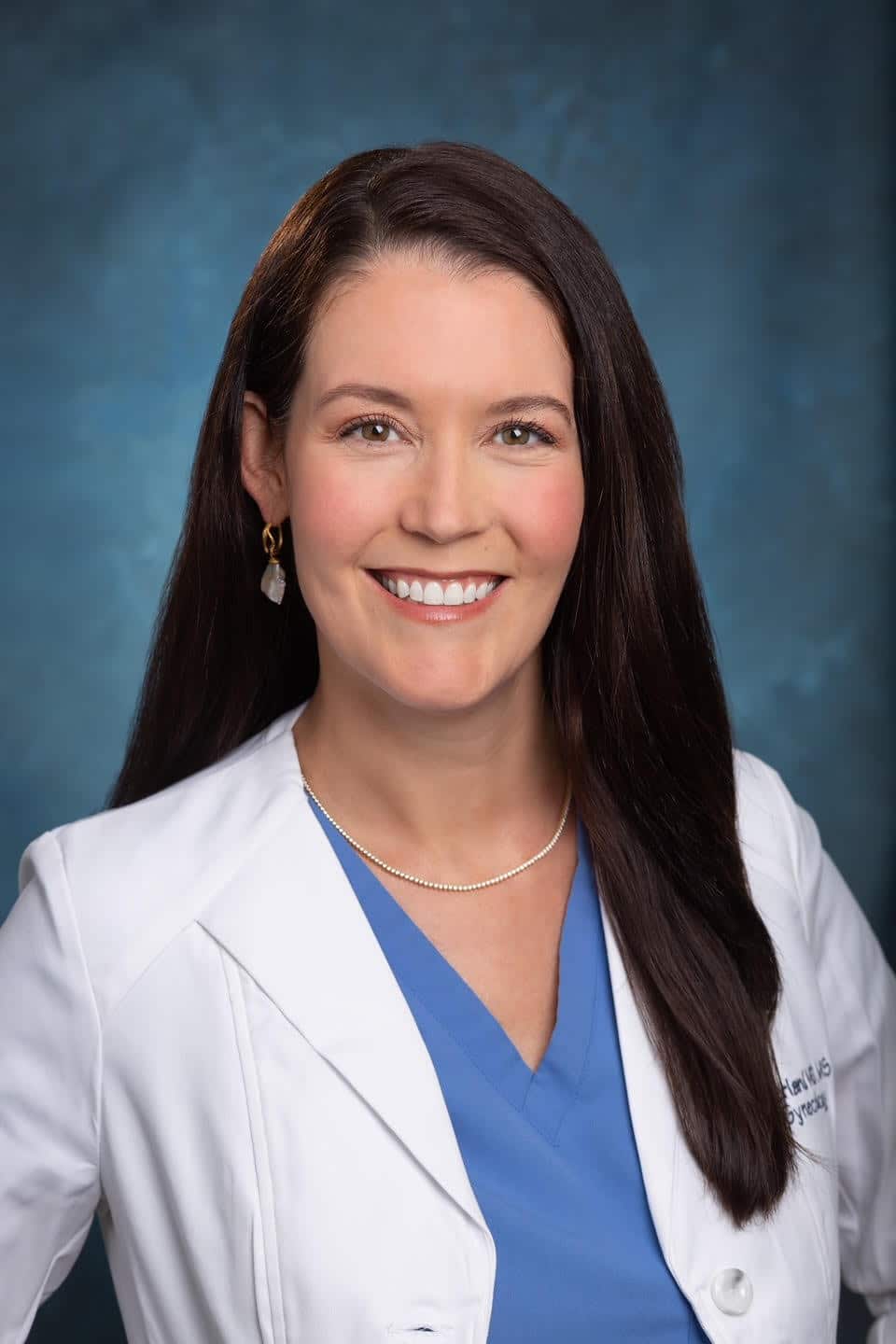
At the Endometriosis Center of Excellence, Dr. Rachael Haverland works with patients to develop individualized surgical plans and helps them understand what to expect before and after their procedure.
Having the practical details organized ahead of time can leave you with fewer things to manage when surgery day arrives and allow you to focus on your recovery.