
Severe endometriosis can affect far more than one area of the pelvis. In complex cases, endometrial-like tissue, adhesions, cysts, and inflammation may involve reproductive organs as well as nearby structures such as the bowel and bladder. This can make both diagnosis and surgical treatment more challenging, particularly when patients are experiencing significant pelvic pain, digestive or urinary symptoms, or concerns about fertility. A collaborative surgical team brings together specialists with different areas of expertise so treatment can be planned around the full extent of the disease rather than addressing each symptom separately. Depending on individual findings, care may involve minimally invasive gynecologic surgery, bowel or bladder expertise, pain management, and fertility considerations. Understanding how these specialists work together can help patients with severe endometriosis better understand their treatment options and what to expect from a personalized surgical plan.
Understanding Severe Endometriosis and Its Surgical Challenges
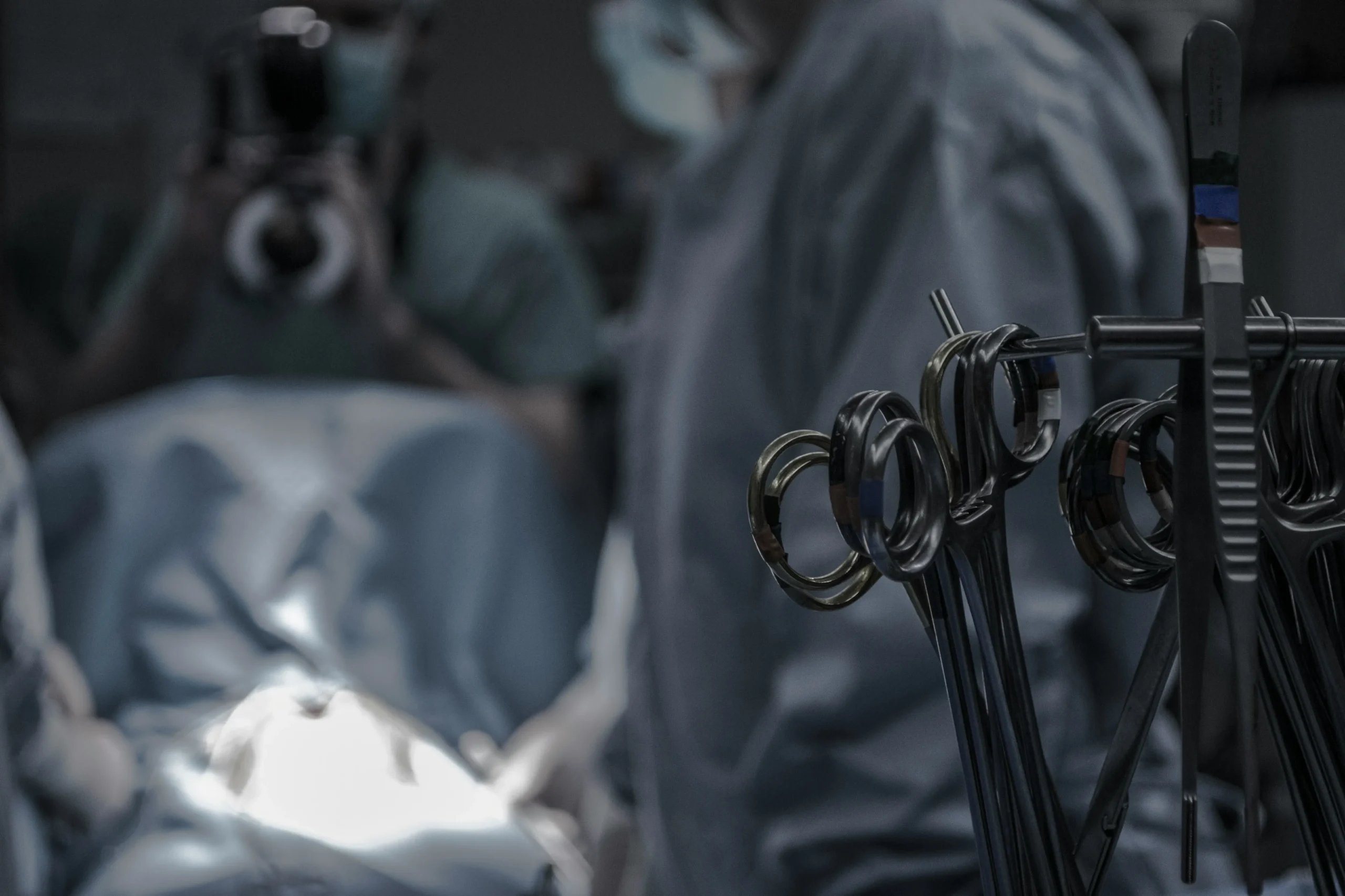
Severe endometriosis can involve adhesions, cysts, significant pelvic pain, and disease affecting multiple pelvic structures. When endometriosis extends to organs such as the bowel or bladder, surgical treatment becomes more complex because specialists must address the disease while protecting the function of surrounding healthy structures.
The extent of disease varies considerably between patients. This is why treatment planning should consider symptoms, imaging findings, organ involvement, previous treatments, and individual health goals rather than relying on a single approach.
How Severe Endometriosis Can Affect the Bowel and Bladder
When endometriosis affects the bowel, inflammation, adhesions, or deeper lesions may contribute to symptoms such as constipation, painful bowel movements, digestive discomfort, or other changes in bowel function. Some patients may require excision of bowel lesions, while more significant involvement can require a bowel procedure.
Bladder endometriosis can also produce urinary symptoms, including painful urination, bladder discomfort, or changes in urinary habits. Surgery involving these areas requires careful planning because the objective is to address endometriosis while preserving bowel, bladder, and urinary function whenever possible.
The involvement of multiple organs is one reason severe endometriosis may require specialists from different surgical disciplines to work together.
The Role of Laparoscopic Excision in Treatment
Laparoscopic excision is a minimally invasive surgical approach used to identify and remove endometriosis lesions. Small incisions and specialized instruments allow the surgeon to access affected areas while limiting disruption to surrounding tissue.
For patients with severe disease, surgical precision becomes especially important because endometriosis may be located close to the bowel, bladder, ovaries, nerves, or other pelvic structures.
Potential advantages associated with a minimally invasive approach may include:
-
Smaller surgical incisions
-
Reduced scarring compared with larger open procedures
-
Detailed visualization of pelvic structures
-
Ability to address endometriosis in multiple affected areas
-
A potentially more manageable postoperative recovery
The exact surgical approach should still be determined by the patient’s individual findings and the location and depth of disease.
Building a Collaborative Surgical Team for Severe Endometriosis
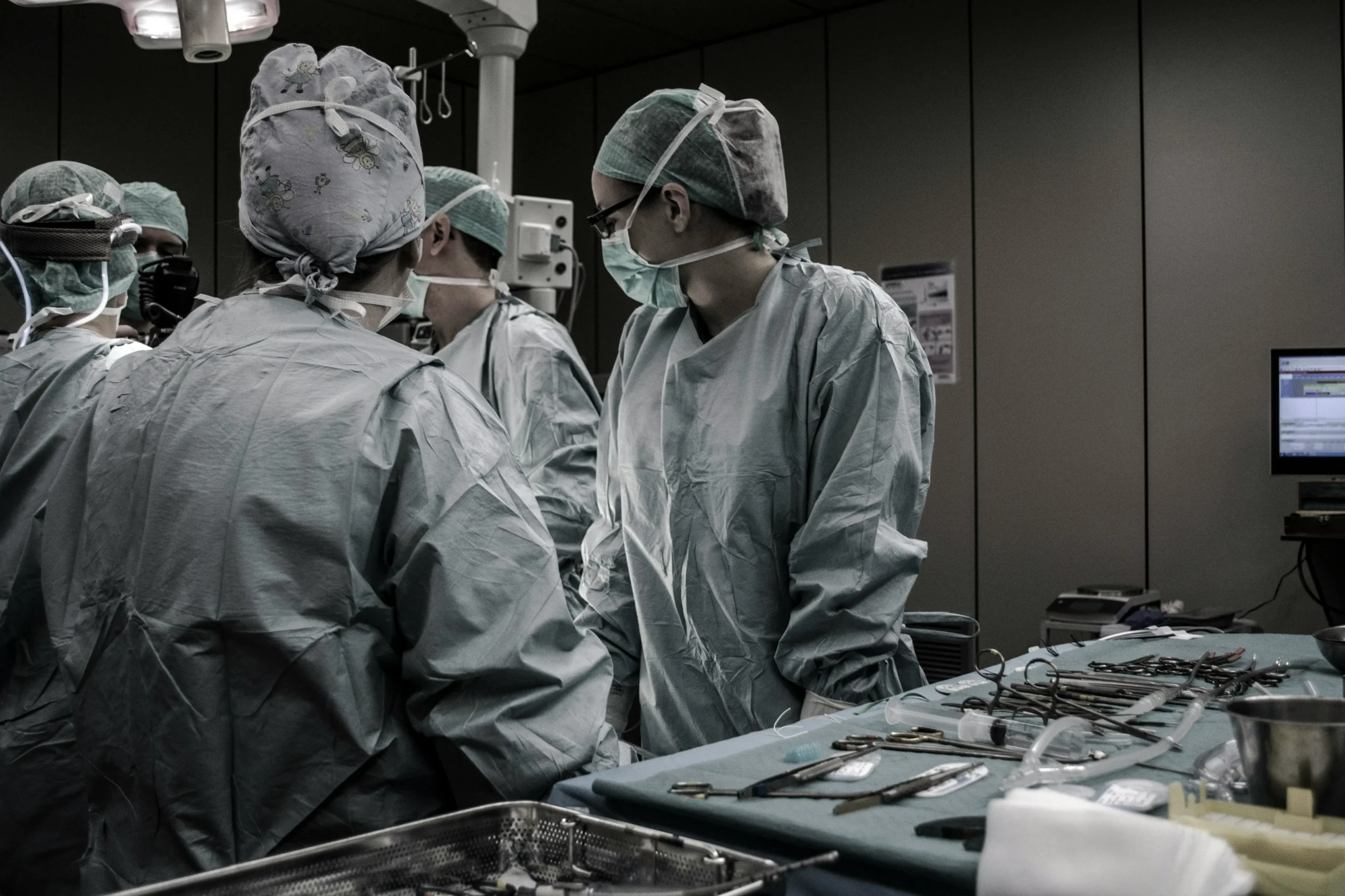
Complex endometriosis may require expertise extending beyond gynecologic surgery alone. A multidisciplinary approach brings together specialists who can evaluate different aspects of the disease and coordinate treatment before surgery begins.
The original content identifies gynecologic surgeons, colorectal surgeons, urologists, pain management professionals, and specialist endometriosis nurses as potential members of a multidisciplinary team.
The Roles of Gynecologic, Bowel, and Bladder Specialists
A gynecologic surgeon typically addresses endometriosis affecting reproductive and surrounding pelvic structures. When disease extends to other organs, additional specialists may participate based on the patient’s findings.
A colorectal surgeon may be involved when endometriosis significantly affects the bowel and requires specialized excision or resection. Urologic expertise may be important when lesions involve the bladder or other parts of the urinary tract.
Having the appropriate specialists involved before surgery can help the team prepare for known areas of disease rather than discovering complex organ involvement without an established surgical plan.
Why Advanced Surgical Training Matters
Severe endometriosis can distort normal pelvic anatomy through adhesions, inflammation, and deep lesions. Advanced training in minimally invasive gynecologic surgery can provide surgeons with additional experience in navigating these complex anatomical changes.
Fellowship training may expose surgeons to advanced laparoscopic techniques and a broader range of complex pelvic cases. This experience can support surgical decision-making when endometriosis affects multiple structures.
Training alone does not determine the appropriate treatment for an individual patient, but experience with complex endometriosis is an important consideration when selecting a surgical care team.
How Multidisciplinary Planning Supports Individualized Treatment
Successful management of severe endometriosis begins before the operation. Multidisciplinary planning allows specialists to review symptoms, imaging, medical history, previous treatments, and potential organ involvement together.
Instead of developing separate treatment plans for each symptom, the team can coordinate a broader strategy based on the patient’s overall condition.
Preparing for Complex Endometriosis Surgery
Preoperative evaluation helps specialists determine which areas may require attention and which professionals should participate in the procedure. Imaging and clinical evaluation can provide important information about the location and extent of suspected disease.
Planning is particularly important when bowel, bladder, or reproductive structures may be involved. The surgical team can discuss potential procedures with the patient beforehand and explain why additional specialists may be necessary.
A comprehensive preoperative assessment may consider:
-
Location and suspected depth of endometriosis lesions
-
Bowel or bladder involvement
-
Previous surgeries and endometriosis treatments
-
Pelvic pain and other ongoing symptoms
-
Fertility goals and reproductive health considerations
-
Potential need for multiple surgical specialists
This information helps create a treatment strategy tailored to the individual rather than using the same surgical plan for every patient.
Creating a Personalized Endometriosis Treatment Plan
Personalized treatment planning recognizes that severe endometriosis affects patients differently. Two people with the same diagnosis may experience very different symptoms, organ involvement, fertility concerns, and treatment priorities.
Clinical evaluations and imaging can help determine whether surgery is appropriate and what type of procedure may be required. Specialists can then discuss treatment options, expected recovery, and potential risks with the patient.
Patient preferences should also remain part of the decision-making process. Clear communication allows patients to understand their options and participate more confidently in decisions about their care.
Treating Bowel and Bladder Endometriosis Safely

When severe endometriosis involves the bowel or bladder, surgery may require additional procedures beyond standard excision. The original content discusses laparoscopic excision, bowel resection, and surgical management of bladder lesions as approaches that may be used depending on disease involvement.
The objective is to remove affected tissue appropriately while preserving as much healthy organ function as possible. The exact technique depends on the location, depth, and extent of endometriosis.
Surgical Approaches for Bowel Endometriosis
Bowel endometriosis may sometimes be managed by excising lesions from the affected area. When disease penetrates more deeply or significantly affects the intestine, a bowel resection may be considered.
During a bowel resection, the surgical team evaluates the affected portion of the intestine and determines how much tissue needs to be removed while preserving healthy bowel function.
Careful planning is necessary because treatment decisions must balance removal of affected tissue with protection of surrounding anatomy. When a bowel procedure is anticipated, having appropriate colorectal expertise available can support coordinated surgical care.
Surgical Strategies for Bladder Endometriosis
Bladder endometriosis also requires an individualized approach. Depending on the extent of involvement, specialists may surgically excise lesions affecting the bladder while working to maintain the integrity and function of healthy bladder tissue.
Because severe endometriosis can involve several structures simultaneously, bowel or bladder treatment may occur during the same operation as gynecologic excision.
The surgical plan may therefore involve several coordinated components:
-
Excision of visible endometriosis lesions
-
Treatment of adhesions affecting pelvic structures
-
Bowel surgery when significant intestinal involvement is present
-
Surgical management of bladder lesions when required
-
Preservation of healthy reproductive and urinary structures when possible
A coordinated team allows each specialist to address the area most closely related to their expertise while contributing to one comprehensive surgical plan.
Supporting Pain, Fertility, and Quality of Life During Treatment

Severe endometriosis treatment involves more than the surgical procedure itself. Pelvic pain, reproductive goals, emotional well-being, and recovery can all influence a patient’s treatment experience.
The original content emphasizes integrating pain management, fertility considerations, and empathetic communication into multidisciplinary care.
Managing Pelvic Pain and Fertility Considerations
Pain management may complement surgical treatment and can include medication or physical therapy depending on the patient’s individual needs. Supportive treatment can also remain important during postoperative recovery.
Fertility considerations may influence surgical planning for patients who want to preserve their reproductive options. When appropriate, the surgical team may consider strategies designed to address disease while preserving healthy reproductive structures.
These decisions should be individualized because the effects of endometriosis and surgery on fertility vary from patient to patient. Patients concerned about future pregnancy should discuss their reproductive goals with their healthcare team before treatment.
Providing Patient-Centered Care Before and After Surgery
Complex surgery can create understandable questions about procedures, risks, recovery, and long-term symptom management. Clear and empathetic communication helps patients understand what is being recommended and why.
Patient-centered care also means considering individual priorities rather than focusing only on surgical findings. Ongoing follow-up gives patients an opportunity to discuss recovery, persistent symptoms, pain management, and other concerns after treatment.
When patients understand their treatment plan and have access to coordinated support, they can participate more actively in decisions about their health.
Frequently Asked Questions
Why Might Severe Endometriosis Require Multiple Surgeons?
Severe endometriosis can affect several pelvic organs, including the reproductive system, bowel, and bladder. When imaging or clinical evaluation suggests involvement of these structures, specialists such as colorectal or urologic surgeons may work alongside a gynecologic surgeon to address different areas during treatment.
Is Laparoscopic Surgery Used for Severe Endometriosis?
Laparoscopic excision is a minimally invasive approach used to identify and remove endometriosis lesions. Whether it is appropriate and what additional procedures may be necessary depend on the location and extent of disease and the patient’s individual circumstances.
Does Bowel or Bladder Endometriosis Always Require Additional Surgery?
Not every patient requires bowel or bladder surgery. The treatment approach depends on the depth, location, and severity of organ involvement. Specialists evaluate imaging, symptoms, and surgical findings to determine which procedures may be appropriate.
Can Fertility Goals Be Considered During Endometriosis Treatment?
Yes. Fertility goals can be an important part of individualized treatment planning. When relevant, patients should discuss reproductive priorities with their surgical team before treatment so these considerations can be incorporated into the overall care plan.
Take the Next Step Toward Specialized Severe Endometriosis Care
Severe endometriosis can involve multiple organs and create challenges that extend beyond pelvic pain alone. When the bowel, bladder, reproductive structures, or several areas are affected, coordinated treatment can help ensure that each aspect of the disease is considered as part of one individualized plan. Multidisciplinary care brings together relevant expertise while keeping the patient’s symptoms, reproductive goals, and overall quality of life at the center of treatment.
If you are dealing with severe or complex endometriosis and want to better understand your treatment options, schedule a consultation with Dr. Rachael Haverland at the Endometriosis Center of Excellence. A specialized evaluation can help assess the extent of your condition, determine whether collaborative surgical care may be appropriate, and develop a personalized treatment plan based on your individual needs.