

Frozen pelvis is a severe pelvic condition in which extensive adhesions cause organs and tissues within the pelvis to become stuck or fused together. These adhesions can restrict normal movement, alter pelvic anatomy, and contribute to chronic pain, painful intercourse, and fertility concerns.
Endometriosis is one condition that can contribute to this extensive scarring. Repeated inflammation may encourage adhesion formation, particularly in patients with deep or extensive disease. Understanding how frozen pelvis develops and how it is treated can help patients better prepare for evaluation and discuss their options with an experienced endometriosis specialist.
How Does Endometriosis Cause a Frozen Pelvis?
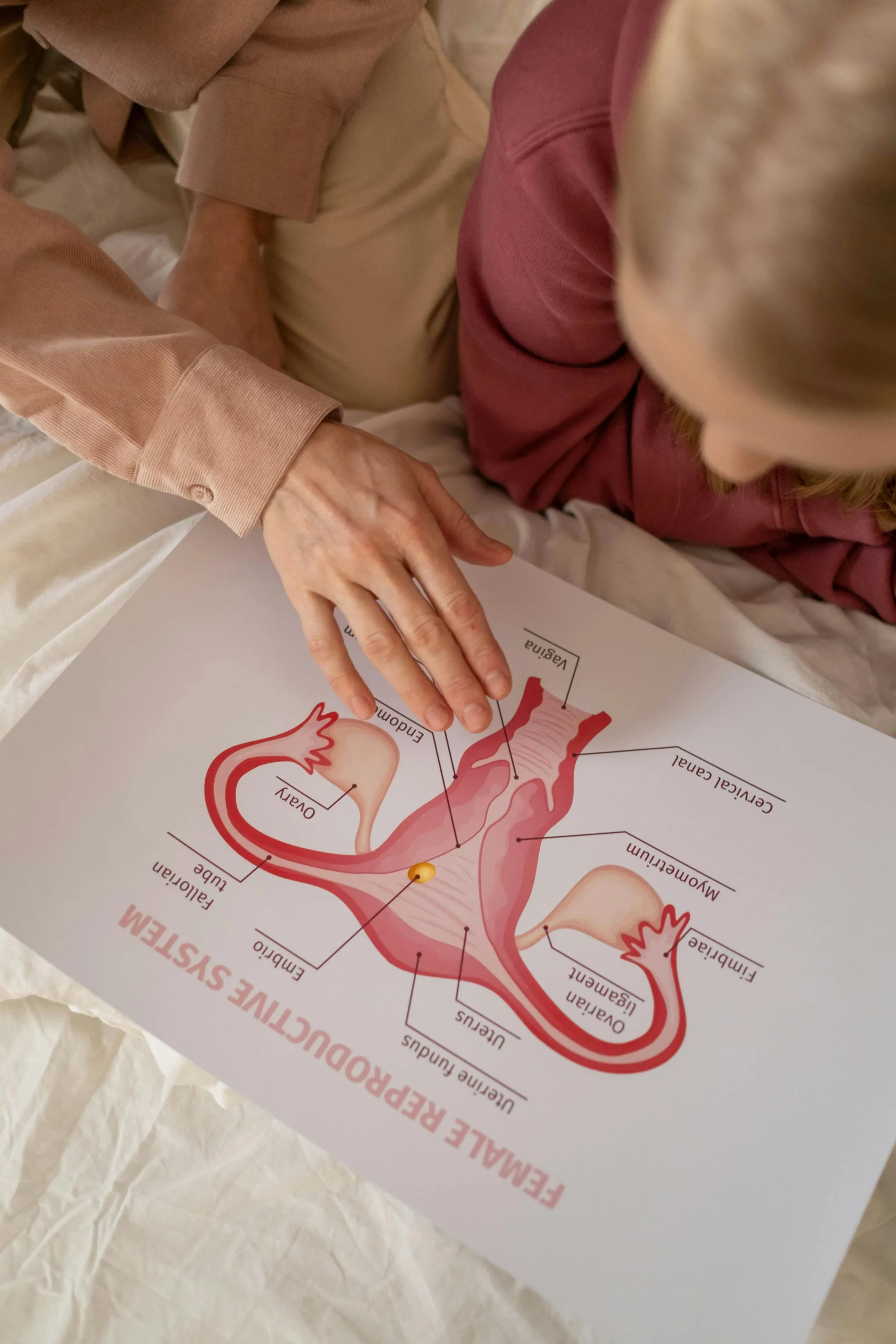
Endometriosis can trigger chronic inflammation within the pelvis. Over time, inflammation and the body’s healing response may contribute to fibrous scar tissue and adhesions that connect structures that would normally move independently.
In severe cases, these adhesions can distort pelvic anatomy and make both symptoms and surgical treatment more complex.
What Are Pelvic Adhesions?
Pelvic adhesions are bands of scar tissue that form between organs or tissues.
Instead of allowing pelvic structures to move freely, adhesions can bind them together. The supplied material notes that adhesions may develop in association with inflammation, previous surgery, or conditions such as endometriosis.
Not every adhesion causes symptoms, but extensive adhesions can interfere with normal pelvic anatomy and organ mobility.
Why Can Deep Endometriosis Cause Extensive Adhesions?
Deep endometriosis can involve tissues and structures beyond superficial pelvic surfaces.
Persistent inflammation associated with the disease may contribute to scarring and adhesion formation. As this process becomes more extensive, different pelvic structures may become anchored together.
This can make complex endometriosis more difficult to treat because surgeons may need to carefully separate structures before addressing the underlying disease.
What Symptoms Can Frozen Pelvis Cause?
Symptoms depend on which structures are affected and the severity of the adhesions.
Common concerns identified in the supplied material include:
-
Chronic pelvic pain
-
Pain during sexual intercourse
-
Fertility difficulties
Patients with underlying endometriosis may also experience painful periods, heavy menstrual bleeding, or other symptoms associated with their disease.
Because these symptoms overlap with several other pelvic conditions, evaluation is important before determining the cause.
How Is Frozen Pelvis Diagnosed?

Diagnosis generally begins with a detailed review of symptoms, medical history, previous surgeries, and physical examination.
Imaging may provide additional information about pelvic anatomy and suspected endometriosis. However, the full extent of adhesions may sometimes become clearer during surgical evaluation.
Can Ultrasound or MRI Detect a Frozen Pelvis?
Ultrasound and MRI may help physicians evaluate pelvic structures and identify abnormalities that suggest severe endometriosis or distorted anatomy.
The supplied material also mentions CT imaging as a possible diagnostic tool.
Imaging can be particularly useful for surgical planning because understanding which organs may be involved can help the surgical team prepare for a potentially complex procedure.
What Role Does Laparoscopy Play?
Laparoscopy allows surgeons to directly visualize pelvic structures through small abdominal incisions.
According to the supplied material, laparoscopy may help confirm the extent of pelvic adhesions while also providing an opportunity for surgical treatment.
Whether surgical evaluation is appropriate depends on the patient’s symptoms, imaging findings, previous treatment, and individual health considerations.
Why Is Preoperative Planning Important?
A frozen pelvis can significantly alter normal anatomy. Structures that would ordinarily be separated may be attached to one another, increasing surgical complexity.
Careful evaluation before surgery helps determine which organs may be involved and what expertise could be required. Patients should also discuss previous pelvic surgeries and other medical conditions because these factors may influence surgical planning and risk.
How Is Frozen Pelvis Treated With Laparoscopic Surgery?

When surgery is appropriate, treatment generally focuses on carefully releasing adhesions and addressing the underlying endometriosis when present.
The goal is to restore anatomy and mobility where possible while protecting nearby organs and healthy tissue.
How Are Severe Pelvic Adhesions Released?
Surgical adhesion release involves carefully separating tissues and organs that have become bound together.
Laparoscopic techniques allow surgeons to work through small incisions while viewing the pelvis with magnification. The source describes specialized dissection techniques that can be used to divide adhesions during complex laparoscopic procedures.
The precise approach depends on the location and severity of adhesions and the structures involved.
How Is Endometriosis Treated During Surgery?
When endometriosis contributes to frozen pelvis, surgery may involve both adhesion release and treatment of endometriosis lesions.
The supplied material describes an approach that combines careful separation of adhesions with removal of endometriosis tissue.
Complex disease may require advanced laparoscopic surgical expertise because normal anatomical landmarks can be difficult to identify when extensive adhesions are present.
What Are the Risks of Frozen Pelvis Surgery?
All surgery involves potential risks, and operating within a severely scarred pelvis may be particularly complex.
Potential risks identified in the source include:
-
Bleeding
-
Infection
-
Injury to nearby organs
Individual risk depends on the severity and location of disease, previous procedures, overall health, and the extent of surgery required. These considerations should be discussed with the surgical team before treatment.
Frequently Asked Questions
Is frozen pelvis the same as endometriosis?
No. Frozen pelvis describes a situation in which extensive adhesions cause pelvic structures to become bound together. Endometriosis is one condition that may contribute to the inflammation and scarring responsible for these adhesions.
Can frozen pelvis cause infertility?
Severe pelvic adhesions may interfere with reproductive anatomy and contribute to fertility difficulties. Fertility outcomes depend on several individual factors, so patients who hope to conceive should discuss reproductive goals as part of their treatment planning.
Can frozen pelvis cause pain during sex?
Yes. Painful intercourse is among the symptoms associated with severe pelvic adhesions. Adhesions may place tension on sensitive pelvic structures during movement.
Can pelvic adhesions be removed laparoscopically?
In appropriate cases, adhesions may be surgically released using laparoscopic techniques. The feasibility and complexity of treatment depend on where the adhesions are located and which structures are involved.
Can pelvic adhesions come back after surgery?
Adhesions can form as part of the body’s healing response after surgery. Patients should discuss their individual risk and postoperative expectations with their surgeon.
Why might a specialist be needed for frozen pelvis surgery?
Severe adhesions can significantly distort normal pelvic anatomy and make surgical dissection more challenging. The supplied material emphasizes specialized training and advanced laparoscopic experience for surgeons treating complex frozen pelvis cases.
Conclusion
Frozen pelvis can develop when extensive adhesions cause pelvic organs and tissues to become bound together. For patients with endometriosis, chronic inflammation and scarring may contribute to this process, leading to chronic pelvic pain, painful intercourse, fertility concerns, and increasingly complex pelvic anatomy.
Evaluation may involve medical history, physical examination, imaging, and laparoscopic assessment when appropriate. When surgery is recommended, treatment may involve carefully releasing adhesions and addressing underlying endometriosis while protecting surrounding structures.
Because severe adhesions can make pelvic surgery considerably more complex, individualized surgical planning and appropriate expertise are important when evaluating treatment options.