

Deep infiltrating endometriosis can affect structures beyond the reproductive organs, including the ureters, the tubes that carry urine from the kidneys to the bladder. When endometriosis involves or compresses a ureter, urine flow may become restricted, creating a risk of urinary tract obstruction and potential kidney dysfunction. One of the challenges is that ureteral endometriosis may produce mild symptoms or sometimes no obvious urinary symptoms at all, meaning the severity of involvement is not always reflected by how a patient feels. Pelvic pain, back discomfort, urinary urgency, frequent urination, or urinary symptoms that fluctuate with the menstrual cycle may occur, but these signs can overlap with other conditions. Evaluation may involve medical history, physical examination, imaging, and consultation with specialists when urinary tract involvement is suspected. When obstruction is present, treatment may include excision of endometriosis, laparoscopic ureterolysis, or other individualized procedures intended to relieve pressure on the ureter and protect kidney function. Early recognition and specialized care are therefore important when deep endometriosis may involve the urinary tract.
How Deep Endometriosis Can Affect the Ureters and Kidneys

Ureteral involvement can occur when deep infiltrating endometriosis develops around structures of the urinary tract. The concern is not simply the presence of endometriosis itself, but whether disease or associated tissue changes interfere with urine traveling from the kidney to the bladder.
The original source highlights severe cases in which endometriosis caused urinary-flow obstruction and significant dilation of the urinary tract. Because symptoms do not necessarily correspond with the degree of involvement, recognizing potential ureteral disease can be difficult.
Why Ureteral Obstruction Can Be a Silent Risk
When a ureter becomes narrowed or compressed, urine may not drain normally from the kidney. Persistent obstruction can place pressure on the upper urinary tract and may ultimately threaten renal function if the underlying problem is not addressed.
The word “silent” is especially relevant because some patients may experience significant ureteral involvement without dramatic urinary symptoms. Others may notice pelvic or back pain but attribute those symptoms to endometriosis generally rather than possible urinary tract involvement.
This disconnect between symptoms and disease severity is one reason careful evaluation matters when deep endometriosis is suspected near the ureters.
Symptoms That May Accompany Ureteral Endometriosis
Symptoms can vary considerably between patients. Pelvic pain may occur alongside urinary complaints, while other patients may experience comparatively subtle symptoms despite significant disease.
The original content identifies several symptoms that may occur with ureteral or urinary tract involvement. None of these symptoms alone confirms ureteral endometriosis, because many can have other causes. Persistent or concerning urinary symptoms should therefore be discussed with an appropriate healthcare professional.
-
Pelvic pain: May occur with deep infiltrating endometriosis involving structures near the ureters.
-
Back discomfort: Can accompany urinary tract or pelvic involvement.
-
Urinary urgency: Some patients may experience a sudden or frequent need to urinate.
-
Frequent urination: Changes in urinary frequency may be part of the clinical picture.
-
Cyclical urinary discomfort: Symptoms may fluctuate around the menstrual cycle.
-
Blood in the urine: The source notes hematuria as a sign that warrants medical attention, particularly when urinary tract involvement is being considered.
Importantly, the absence of these symptoms does not necessarily exclude ureteral involvement.
Diagnosing Ureteral Involvement in Deep Endometriosis

Diagnosing ureteral endometriosis can be challenging because symptoms may overlap with other pelvic or urinary conditions. Subtle disease can also be difficult to identify, especially when the patient does not have prominent urinary complaints.
The original content emphasizes the importance of combining clinical history, physical evaluation, imaging, and specialist involvement when assessing possible ureteral disease.
Why Ureteral Endometriosis Can Be Difficult to Identify
Pelvic pain, urinary urgency, back pain, and urinary frequency are not unique to endometriosis. This overlap can complicate diagnosis and may contribute to delays when symptoms are initially attributed to other conditions.
The source also notes that imaging may not always identify subtle lesions. For that reason, clinicians generally need to interpret imaging findings alongside symptoms, medical history, prior diagnoses, and the suspected location of deep endometriosis.
The possibility of limited symptoms makes evaluation particularly important when other findings raise concern for disease near the urinary tract.
Imaging and Multidisciplinary Evaluation
The original article identifies ultrasound, CT imaging, and MRI among tools that may be considered during evaluation, while emphasizing MRI in the assessment of suspected deep disease. Imaging can help clinicians examine the ureters, surrounding pelvic structures, and signs associated with obstruction.
Complex cases involving the urinary tract may also require coordination between endometriosis specialists and urologists. This multidisciplinary approach can help determine whether the ureter is being compressed externally, directly involved, or otherwise affected.
Diagnostic decisions should be individualized rather than based on a single symptom or imaging result. A detailed medical history and careful assessment remain central to determining the appropriate next steps.
Treating Ureteral Endometriosis to Protect Kidney Function
When deep endometriosis produces significant ureteral obstruction, treatment may be necessary to restore or preserve urinary drainage. The exact procedure depends on the location and extent of disease, the degree of obstruction, kidney function, and other individual factors.
The source discusses laparoscopic ureterolysis, excision of endometriosis, and ureteral stenting as possible components of treatment.
Laparoscopic Ureterolysis and Endometriosis Excision
Laparoscopic ureterolysis involves carefully freeing the ureter from surrounding tissue that may be restricting or compressing it. In appropriate cases, this can relieve obstruction while allowing surgeons to address nearby endometriosis.
Excision of endometriotic tissue may also be performed when disease contributes directly to the problem. The objective of surgical planning is not simply to treat visible endometriosis, but also to protect important structures and preserve urinary tract function.
The source describes laparoscopic ureterolysis as a minimally invasive option, although every surgical procedure carries potential risks and suitability depends on the individual patient.
Ureteral Stenting and Individualized Surgical Planning
Ureteral stents may be used in selected circumstances to help maintain ureteral patency during treatment. Their role depends on the nature of the obstruction and the broader surgical plan.
The original article also emphasizes that treatment decisions should be made after a detailed discussion between the patient and healthcare team. Ureteral disease can vary substantially, so there is no single procedure appropriate for every case.
Treatment planning may consider several approaches depending on the location and severity of disease. Each intervention has its own purpose, potential benefits, and risks. Specialist evaluation is therefore essential before determining an appropriate surgical strategy.
-
Laparoscopic ureterolysis: May be used to free a ureter affected by surrounding endometriosis.
-
Excision of endometriosis: Addresses endometriotic tissue contributing to ureteral involvement or obstruction.
-
Ureteral stenting: May help maintain urinary drainage in selected treatment situations.
-
Kidney assessment: Helps clinicians understand whether obstruction has affected renal function.
-
Individualized surgical planning: Accounts for disease extent, anatomy, symptoms, and urinary tract involvement.
The appropriate approach should be determined by clinicians experienced in managing complex endometriosis rather than selected from symptoms alone.
Why Specialized Surgical Expertise Matters

Ureteral endometriosis can involve structures that require careful identification and surgical management. Treatment may occur in an anatomically complex area where preserving the ureter and surrounding tissues is an important part of the surgical plan.
The source emphasizes surgeon expertise and advanced endometriosis training because complicated urinary tract involvement may require a higher level of surgical experience.
Managing Complex Ureteral Disease Safely
Experienced endometriosis surgeons are familiar with deep disease that extends beyond the reproductive organs. When ureters are involved, surgical planning may require detailed evaluation of the relationship between endometriotic tissue, the urinary tract, and surrounding pelvic structures.
Specialized expertise can be particularly important when ureterolysis or more complex dissection is being considered. The objective is to address disease while minimizing unnecessary injury to important structures.
Cases involving significant obstruction may also benefit from coordination with urologic specialists depending on the circumstances.
Considering Fertility and Quality of Life
Deep endometriosis can affect quality of life through chronic pelvic pain, urinary symptoms, repeated medical evaluations, and concern about organ involvement. These effects can influence daily activities, emotional well-being, work, relationships, and broader reproductive health decisions.
The source also discusses fertility in the context of complex endometriosis. However, the relationship between ureteral involvement itself and fertility is not straightforward, so fertility concerns should be assessed as part of the patient’s broader endometriosis picture rather than assuming ureteral disease directly causes infertility.
A comprehensive treatment plan should therefore account for urinary health, endometriosis symptoms, quality of life, and individual reproductive goals.
Post-Surgical Monitoring and Long-Term Kidney Protection

Treatment does not necessarily end when surgery is completed. Follow-up is important for evaluating recovery, urinary function, and any concerns related to the kidneys or ureters after treatment.
The source emphasizes ongoing renal monitoring and regular medical follow-up as part of protecting kidney function after intervention for ureteral endometriosis.
Monitoring Urinary and Renal Function After Treatment
Follow-up may be used to evaluate whether urinary drainage has improved and whether kidney function remains stable. The exact monitoring strategy depends on the patient’s original degree of obstruction, treatment, and clinical findings.
Patients should also discuss new or recurrent urinary symptoms with their healthcare team rather than assuming they are simply part of normal endometriosis symptoms.
Continued communication becomes especially important when the original disease involved significant ureteral obstruction.
Supporting Patients Through Long-Term Follow-Up
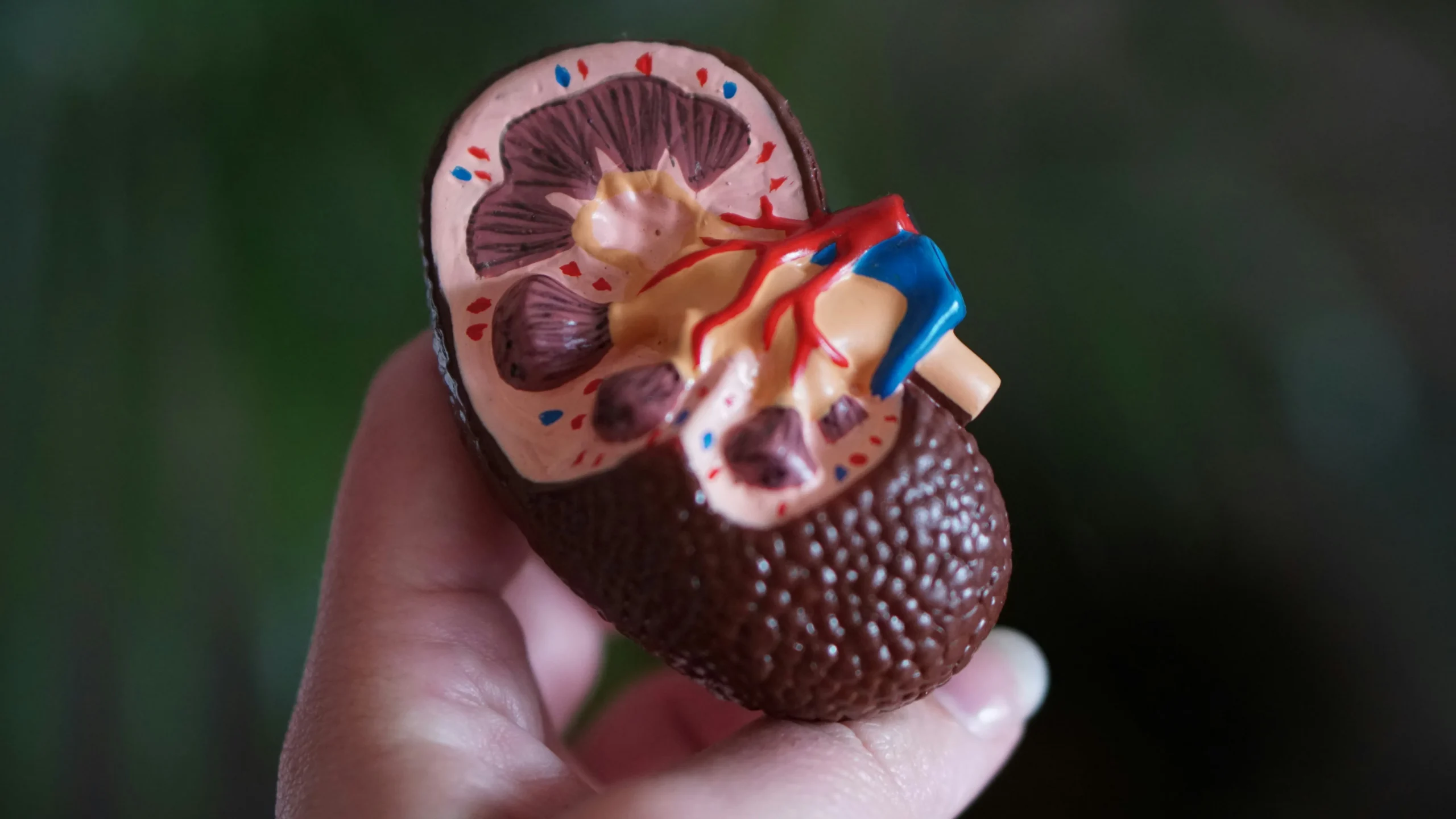
Clear patient education can make a complex condition easier to understand. Diagrams and other visual tools may help explain where the ureters are located, how obstruction can occur, and why kidney monitoring may be necessary.
Long-term care should remain individualized. Patients may have different follow-up requirements depending on disease severity, surgical findings, symptoms, and renal status.
Several elements can support continued care after treatment. Follow-up recommendations should always come from the treating healthcare team because needs differ between patients. Paying attention to changes in symptoms can also help clinicians determine whether further evaluation is needed.
-
Attend recommended follow-up visits: Ongoing evaluation allows clinicians to assess recovery and urinary health.
-
Complete recommended kidney monitoring: Renal testing or imaging may be advised depending on the original obstruction.
-
Report recurring urinary symptoms: New urgency, pain, hematuria, or other changes should be discussed with a healthcare professional.
-
Follow individualized recovery instructions: Postoperative recommendations vary according to the procedure performed.
-
Maintain communication with specialists: Continued coordination may be important in complex cases.
-
Understand the treatment plan: Patient education can make monitoring and future decisions easier to navigate.
These measures support a more organized approach to protecting urinary and kidney health after treatment.
Frequently Asked Questions
Can ureteral endometriosis occur without obvious urinary symptoms?
Yes. The source emphasizes that urinary symptoms can be mild or absent and may not reflect the extent of ureteral involvement. This is one reason significant obstruction can sometimes be difficult to recognize based on symptoms alone.
Can endometriosis damage the kidneys?
When endometriosis causes significant ureteral obstruction, impaired urine drainage can put kidney function at risk. The degree of risk depends on the severity and duration of obstruction, which requires medical evaluation.
How is ureteral endometriosis diagnosed?
Evaluation may involve medical history, physical examination, imaging such as MRI or other urinary tract imaging, and specialist consultation. Complex cases may require coordination between endometriosis specialists and urologists.
What is ureterolysis for endometriosis?
Ureterolysis is a surgical procedure in which the ureter is carefully freed from surrounding tissue that is restricting or involving it. It may be performed as part of surgery for deep endometriosis when clinically appropriate.
Is surgery always required for ureteral endometriosis?
The uploaded source does not support a universal rule that every patient requires surgery. Treatment should instead be individualized according to the extent of disease, obstruction, symptoms, kidney function, and specialist assessment.
Get Specialized Evaluation for Deep Endometriosis and Ureteral Involvement
Ureteral involvement is one of the reasons deep endometriosis should be evaluated as more than a condition defined only by pelvic pain. When disease affects or compresses the ureters, urinary obstruction can develop even when symptoms are limited, creating a potentially important kidney concern.
Early evaluation, appropriate imaging, specialist assessment, and individualized surgical planning can help determine whether urinary tract involvement is present and what treatment may be appropriate. For patients requiring surgery, techniques such as ureterolysis or endometriosis excision may form part of a broader plan designed around disease location and urinary function.
If you have deep endometriosis and are concerned about urinary symptoms, ureteral involvement, or potential kidney risks, contact the Endometriosis Center of Excellence to discuss a specialized evaluation and individualized treatment options. Medical decisions should always be based on your specific symptoms, imaging, kidney function, and consultation with qualified healthcare professionals.