

Bowel endometriosis surgery can be an important step for patients whose endometriosis affects digestive function and causes symptoms such as pelvic pain, bloating, constipation, diarrhea, or painful bowel movements. Recovery, however, involves more than allowing surgical incisions to heal. The digestive system also needs time to adjust, particularly when surgery involves direct treatment of the bowel.
Patients often have practical questions about what they can eat, when bowel movements will return to normal, and how long it will take to resume everyday activities. Recovery varies depending on the extent of endometriosis and the type of procedure performed, but understanding the general stages can make postoperative care easier to navigate.
What Happens During Bowel Endometriosis Surgery?
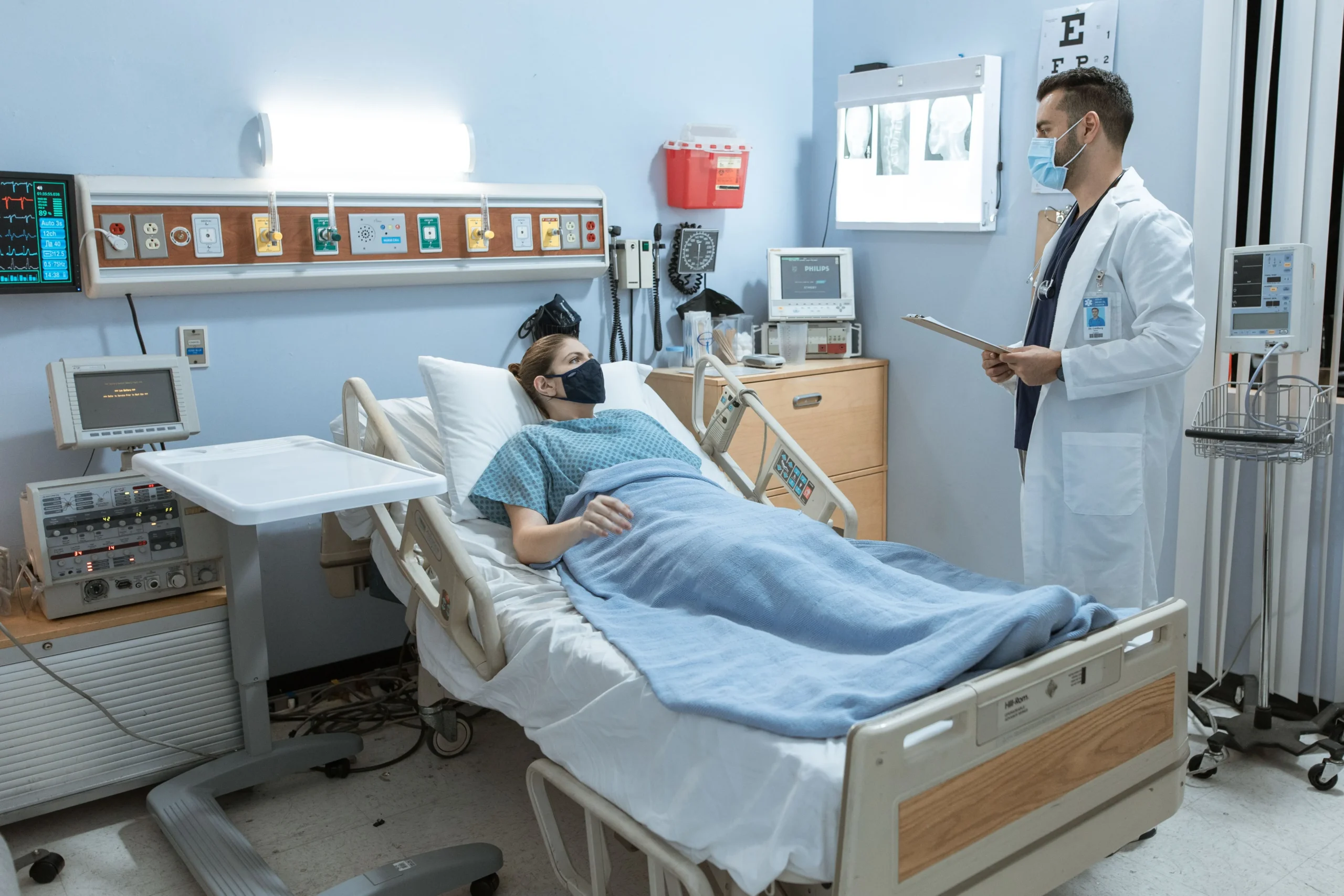
Bowel endometriosis occurs when endometriosis affects tissue on or near the bowel. Surgical treatment aims to remove affected tissue while preserving bowel function whenever possible.
The exact procedure depends on the depth, size, and location of disease, so two patients with bowel endometriosis may have very different operations and recovery experiences.
What Surgical Techniques Are Used?
Surgical options described in the supplied material include laparoscopic excision, shaving, and bowel resection.
With shaving, disease may be removed from the surface of the bowel without removing a segment. When disease extends more deeply into the bowel, more extensive treatment may be required. Bowel resection involves removing an affected section and reconnecting healthy portions of the bowel.
The appropriate technique depends on individual anatomy and disease involvement.
Why Does the Type of Surgery Affect Recovery?
A limited excision and a bowel resection do not place the same demands on the digestive system.
Patients undergoing more extensive procedures may require additional time for bowel function, diet, and physical activity to normalize. Overall health before surgery and the complexity of the procedure can also influence recovery.
The supplied material gives a general recovery range of approximately 4 to 8 weeks, while emphasizing that individual recovery varies.
What Should You Expect Immediately After Surgery?
Pain, nausea, and temporary changes in bowel function can occur during early recovery. Some patients experience constipation or diarrhea while the digestive system adjusts.
Early postoperative care therefore typically focuses on pain control, hydration, monitoring bowel function, and gradually increasing activity and food intake according to the surgical team’s instructions.
How Do Eating and Digestion Change During Recovery?

Digestive recovery usually occurs gradually rather than immediately after surgery.
The bowel needs time to resume normal movement and tolerate food comfortably. Dietary progression should therefore follow the specific instructions provided by the surgical team, particularly after bowel resection.
When Can You Start Eating Normally Again?
Food is generally reintroduced gradually as bowel function recovers.
The supplied material describes a progression beginning with clear liquids, followed by softer foods and eventually a regular diet as tolerated.
Patients should not rush this process. The appropriate progression depends on the procedure and how the digestive system responds after surgery.
What Should You Eat During Recovery?
Nutrition during recovery should support healing while remaining appropriate for the patient’s current digestive tolerance.
The source emphasizes hydration and nutrient-dense foods and notes that solid foods should be reintroduced gradually.
As recovery progresses, adequate protein and balanced nutrition can support tissue healing. However, patients who have undergone bowel surgery should follow their surgeon’s specific dietary instructions before making major changes to fiber intake or food consistency.
What Foods May Be Harder to Tolerate?
Heavy or rich meals, highly processed foods, excessive caffeine, and alcohol may be more difficult to tolerate during early recovery.
Individual tolerance varies. Keeping track of foods that cause bloating, discomfort, nausea, diarrhea, or other digestive symptoms can help patients identify patterns while their digestive system adjusts.
What Does Normal Healing Look Like After Bowel Endometriosis Surgery?

Recovery includes changes in pain, bowel function, mobility, appetite, and energy levels.
Patients should expect gradual improvement rather than assuming they will immediately feel normal once they return home.
When Should Bowel Function Start Returning to Normal?
Bowel function typically returns in stages.
Positive signs described in the source include increasingly regular bowel movements, decreasing severe discomfort, reduced bloating, and the ability to tolerate a wider variety of foods.
Temporary digestive irregularities may occur during recovery. What matters is the overall progression and whether concerning symptoms develop.
How Can You Support Physical Recovery?
Pain medication may be used according to postoperative instructions, while gentle movement such as walking can support circulation and gradual recovery.
Patients should follow their surgical team’s restrictions regarding lifting, exercise, work, and strenuous activity. Returning to activity too quickly can place unnecessary stress on healing tissues.
Regular follow-up appointments also allow the healthcare team to evaluate healing and adjust postoperative recommendations.
What Warning Signs Should You Watch For?
Some symptoms require prompt medical evaluation.
The supplied material identifies warning signs including:
-
Fever above 100.4°F
-
Severe or worsening abdominal pain
-
Persistent vomiting
-
Excessive bleeding
-
Difficulty keeping food or fluids down
Patients should follow the specific emergency and postoperative instructions provided by their surgical team, since warning signs can differ depending on the procedure performed.
Frequently Asked Questions
How long does recovery take after bowel endometriosis surgery?
The supplied material provides a general recovery range of approximately 4 to 8 weeks, although recovery depends on surgical complexity, overall health, and postoperative progress.
When can I return to a normal diet?
Diet is generally advanced gradually as digestive function returns. The source suggests that some patients may progress toward their normal diet within approximately 2 to 6 weeks, but individual instructions from the surgical team should take priority.
Is constipation normal after bowel endometriosis surgery?
Temporary constipation can occur during early recovery as bowel function adjusts after surgery. Medication, reduced activity, dietary changes, and the procedure itself may all influence bowel habits.
When can I start exercising again?
Activity is typically reintroduced gradually. Gentle movement may begin earlier in recovery, while strenuous exercise and heavy lifting may require additional healing time. Patients should follow the restrictions provided by their surgeon.
Will my digestion return to normal after surgery?
Many patients experience improvement as healing progresses, but outcomes depend on disease severity and the extent of surgery. The source notes that bowel function may substantially improve following successful recovery.
Why might multidisciplinary care be needed?
Complex bowel endometriosis can require expertise extending beyond gynecologic surgery. The source emphasizes multidisciplinary care involving professionals such as surgeons, nutrition specialists, and pain-management providers to address different aspects of treatment and recovery.
Conclusion
Recovery after bowel endometriosis surgery is a gradual process involving both surgical healing and restoration of digestive function. Patients may initially experience pain, nausea, constipation, diarrhea, appetite changes, and other temporary digestive symptoms while the bowel adjusts.
Diet is generally reintroduced progressively, activity increases as healing permits, and bowel function should be monitored throughout recovery. Patients who undergo more extensive procedures, including bowel resection, may have different postoperative requirements than those undergoing more limited excision.
Working closely with an experienced endometriosis surgical team and following individualized postoperative instructions can help patients navigate eating, digestion, activity, and long-term recovery safely.
Medical Disclaimer: This article is for educational purposes only and does not replace individualized medical advice, diagnosis, or postoperative instructions. Dietary recommendations and recovery timelines can differ substantially depending on the type of bowel surgery performed. Patients should follow the specific guidance provided by their surgeon and seek medical attention for concerning postoperative symptoms.