
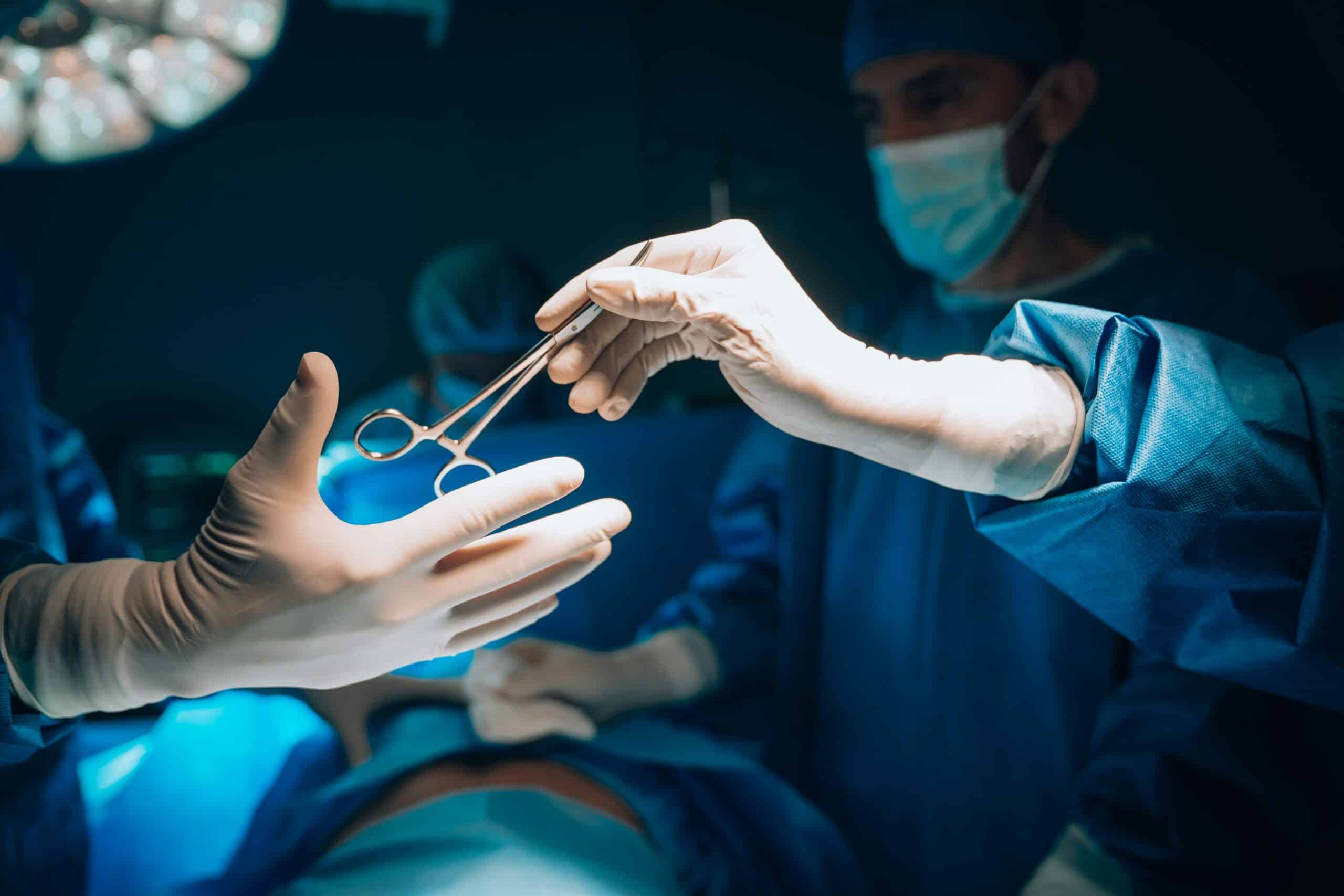
Recovery after laparoscopic endometriosis surgery is gradual, personal, and easier to manage when patients know what to expect. Although laparoscopic excision surgery is minimally invasive, it is still surgery. The body needs time to heal externally at the incision sites and internally, where endometriosis lesions, adhesions, endometriomas, or deep pelvic disease may have been treated.
Some patients return to light activities within days to a couple of weeks. Others need more time, especially if surgery involves extensive excision, ovarian endometriomas, adhesions, bowel or bladder involvement, prior surgical scar tissue, or complex pelvic anatomy. Recovery also depends on baseline pelvic pain, pelvic floor dysfunction, overall health, work demands, caregiving responsibilities, and support at home.
The goal of recovery is not simply for the incisions to look healed. A complete recovery plan should support pain control, safe movement, bowel and bladder function, pelvic healing, activity progression, and long-term endometriosis management.
At Endometriosis Center of Excellence, postoperative guidance is individualized based on each patient’s symptoms, surgical findings, health history, and goals.
What Is Laparoscopic Endometriosis Excision Surgery?
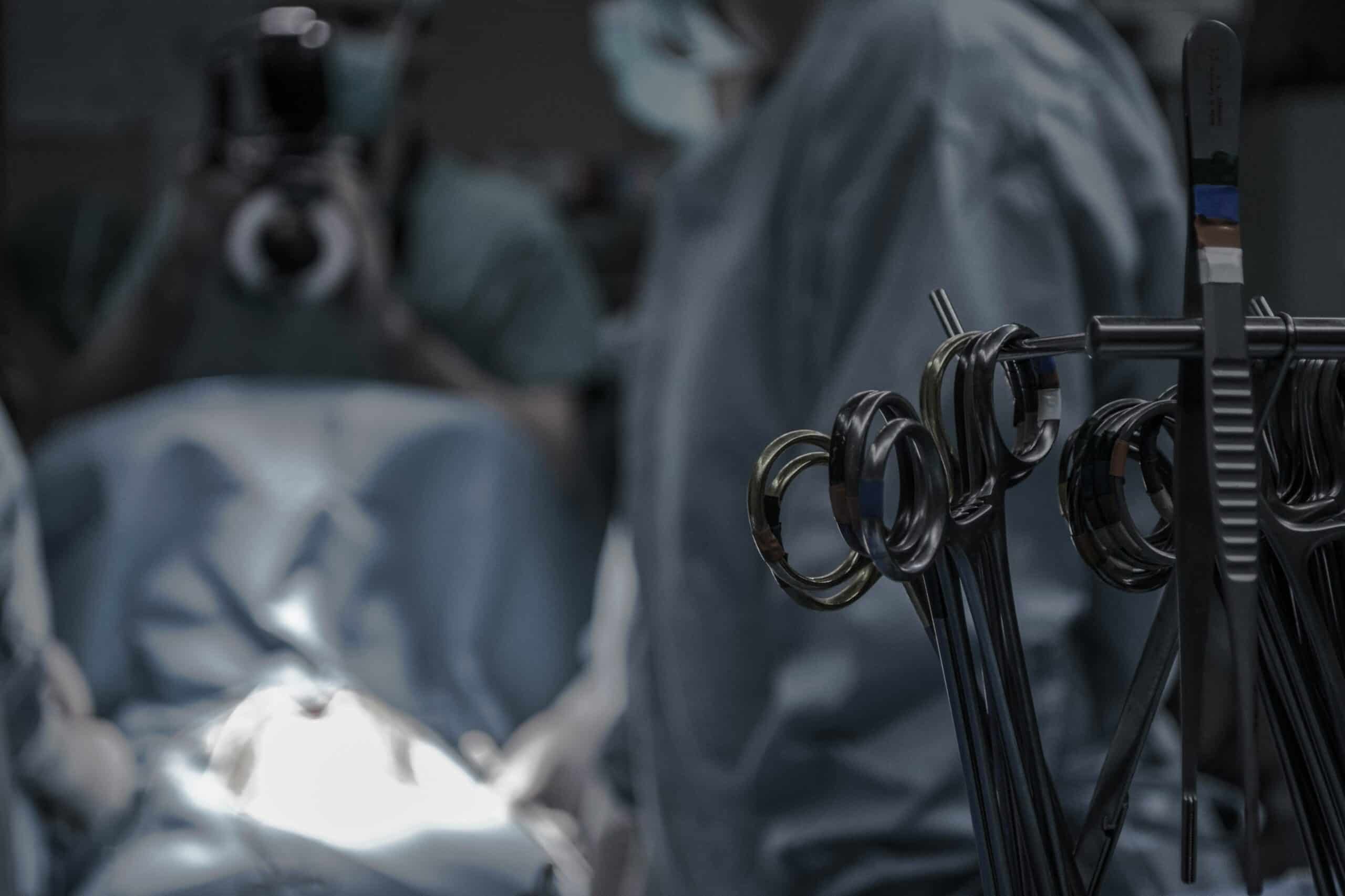
Laparoscopic endometriosis surgery is a minimally invasive procedure performed through small abdominal incisions. A camera and specialized instruments allow the surgeon to see the pelvis and treat identified endometriosis lesions with precision.
Excision surgery means that visible endometriosis lesions are removed from the tissue rather than only treated at the surface. Depending on the patient’s disease pattern, the procedure may also involve releasing adhesions, treating ovarian endometriomas when appropriate, evaluating pelvic anatomy, or addressing disease near nearby structures.
Laparoscopic excision is often used because it allows careful treatment through a minimally invasive approach. Compared with more invasive surgical approaches, smaller incisions may support less wound discomfort, shorter hospital stays, and a more manageable early recovery for many patients. However, internal healing still takes time.
Why Recovery Can Vary
No two endometriosis surgeries are exactly the same. Recovery time can vary depending on:
- The amount and location of endometriosis treated
- Whether disease was superficial or deeply infiltrating
- Whether ovarian endometriomas were treated
- Whether adhesions were released
- Whether bowel, bladder, ureter, or pelvic sidewall involvement was present
- Length and complexity of surgery
- Prior pelvic or abdominal surgeries
- Baseline chronic pelvic pain
- Pelvic floor muscle tension or dysfunction
- Overall health and nutritional status
- Type of job or daily responsibilities
- Level of support at home
A patient with limited superficial disease may recover differently from a patient who had extensive adhesions, ovarian involvement, or deep excision near bowel or bladder structures. For that reason, the most accurate recovery timeline is the one provided by the surgical team after reviewing the actual operative findings.
How Long Does Recovery Take After Laparoscopic Endometriosis Surgery?

Recovery is best understood in phases rather than as one fixed date. Many patients feel better externally before deeper internal healing is complete. Incisions may look healed while pelvic tissues are still recovering.
Some patients resume light activities within the first week or two. More demanding activities, exercise, lifting, sex, and full stamina may take longer. Patients should follow their surgeon’s instructions closely, especially if the surgery was complex or involved the ovaries, bowel, bladder, or deep pelvic tissues.
First 24 to 72 Hours: Immediate Recovery
The first few days after surgery usually focus on recovery from anesthesia, pain control, hydration, and gentle movement. Patients may feel groggy, tired, bloated, or sore.
Common experiences during this phase may include:
- Sleepiness or grogginess from anesthesia
- Incision soreness
- Abdominal bloating
- Shoulder or rib discomfort from surgical gas
- Mild nausea or reduced appetite
- Fatigue
- Pelvic soreness
- Constipation or slowed bowel function
- Light vaginal spotting if expected by the surgical team
A support person is often helpful during the first 24 to 72 hours. Patients may need help with transportation, medications, meals, hydration, walking around the house, and getting comfortable.
Gentle walking is often encouraged as directed because it can support circulation, reduce stiffness, and help bowel function return. This does not mean pushing through pain. Short, slow walks around the home are usually enough in the beginning.
First 1 to 2 Weeks: Early Home Recovery
During the first one to two weeks, many patients gradually become more mobile, but fatigue can still be significant. Incisions may begin to heal externally, but internal tissues are still inflamed and repairing.
Patients may notice that they can do more one day and feel more tired or sore the next. This does not always mean something is wrong. Recovery after endometriosis surgery is not always linear.
During early home recovery, patients are usually advised to:
- Rest often
- Take medications only as directed
- Walk gently and gradually
- Avoid heavy lifting
- Avoid strenuous exercise
- Avoid over-scheduling
- Support bowel function with hydration and prescribed bowel care
- Keep incisions clean and dry according to instructions
- Monitor symptoms and contact the surgical team with concerns
Return to work depends on the type of job and the extent of surgery. Desk work may require less time away than jobs involving lifting, long standing, bending, driving, or high physical demand.
Weeks 3 to 6: Building Stamina
By weeks three to six, many patients feel more mobile and may begin increasing activity with guidance from their surgeon. Energy may still fluctuate, especially after more active days.
Patients may still experience:
- Pelvic soreness
- Pulling or tight sensations
- Bloating
- Fatigue after activity
- Tenderness near incision sites
- Muscle tension or guarding
- Discomfort with prolonged standing or sitting
This is often the phase where patients feel tempted to resume everything at once. Gradual progression is safer. If activity causes a noticeable increase in pain, fatigue, or pelvic pressure, it may be a sign to scale back and discuss activity progression at follow-up.
Some patients begin to notice that surgical pain is improving, but pelvic floor tightness or chronic pain patterns are still present. This can happen when the pelvic floor muscles have been guarding for months or years before surgery. In these cases, pelvic floor physical therapy may be discussed.
Weeks 6 to 12: Deeper Healing and Long-Term Recovery
By six to twelve weeks, many patients have made significant progress, but deeper healing can continue. Some patients return to fuller activity during this period if cleared by the surgical team. Others need a slower progression based on surgical complexity, pain history, or ongoing pelvic floor symptoms.
Pain improvement may continue gradually over several months. Some patients feel meaningful relief early, while others notice a slower reduction in symptoms as inflammation settles, strength returns, bowel function stabilizes, and pelvic floor muscles relax.
Long-term recovery planning may include:
- Activity progression
- Pelvic floor physical therapy
- Medical management when appropriate
- Pain management support
- Fertility-conscious planning if pregnancy is a goal
- Monitoring for recurrent or persistent symptoms
- Follow-up visits to review surgical findings and next steps
The recovery process should be individualized. A patient’s timeline should be guided by the procedure performed, symptoms, and the surgeon’s recommendations.
What Symptoms Are Normal After Surgery?
It is common to have some discomfort after laparoscopic endometriosis surgery. Knowing what may be expected can reduce anxiety and help patients recognize when something needs attention.
Common Short-Term Symptoms
Common symptoms after surgery may include:
- Mild to moderate incision soreness
- Abdominal bloating
- Gas pain or shoulder discomfort
- Fatigue
- Mild nausea
- Temporary appetite changes
- Constipation
- Pelvic soreness
- Light vaginal spotting if expected
- Sleep disruption
- Bruising around incision sites
These symptoms should generally improve over time. Patients should contact their surgical team if symptoms worsen, feel unusual, or do not follow the expected recovery pattern described in discharge instructions.
Symptoms That Should Improve Gradually
Pain should become more manageable as healing progresses. Mobility should improve gradually. Bowel function should begin returning with hydration, gentle walking, and any bowel regimen recommended by the surgical team.
Fatigue should also lessen, though it may take longer than patients expect. Surgery creates a healing demand on the body. Even if the incisions are small, internal healing still requires energy. We cover this further in How to Prepare Your Body for Endometriosis Surgery.
Why Recovery Is Not Always a Straight Line
Recovery after endometriosis excision can involve good days and harder days. Temporary soreness may happen after increased activity. Bloating may fluctuate. Pelvic floor tension can flare. Hormonal cycling may still influence pelvic symptoms.
Patients should avoid judging recovery by one difficult day. A symptom journal can help track patterns, medication use, bowel function, activity level, and questions for follow-up.
Post-Op Care Guidelines After Laparoscopic Endometriosis Surgery

Postoperative instructions from the surgical team should always come first. The following guidance is general and should not replace individualized medical instructions.
Incision Care
Incision care helps reduce infection risk and supports proper healing. Patients should follow written instructions about dressings, showering, and activity restrictions.
General incision-care principles may include:
- Keep incisions clean and dry as directed
- Wash hands before touching incision areas
- Avoid applying creams, ointments, or products unless approved
- Avoid soaking, swimming, or baths until cleared
- Watch for worsening redness, warmth, swelling, drainage, odor, or tenderness
- Report concerning incision changes to the surgical team
Incisions may itch or feel tight as they heal, but worsening pain, spreading redness, or drainage should be evaluated.
Medication and Pain Control
Pain control should be safe, structured, and individualized. Patients should take medications only as prescribed and should not mix medications or add over-the-counter products without approval.
Medication guidance may include:
- Follow the dosing schedule provided by the surgical team
- Avoid taking more medication than prescribed
- Do not drive while using narcotic pain medication
- Ask when and how to taper pain medication
- Use over-the-counter medications only if approved
- Prevent constipation if opioids are prescribed
- Contact the surgical team if pain is worsening or uncontrolled
Pain should gradually become easier to manage. Severe or escalating pain should not be ignored.
Bowel and Bladder Care
Bowel function can slow after surgery due to anesthesia, pain medication, reduced movement, and inflammation. Constipation can increase abdominal and pelvic discomfort.
Helpful steps may include:
- Drinking fluids regularly
- Walking gently as directed
- Eating fiber as tolerated
- Taking stool softeners or bowel medications if prescribed
- Avoiding straining
- Reporting severe bloating or inability to pass gas or stool when concerning
Bladder symptoms should also be monitored. Patients should contact their surgical team if they have difficulty urinating, inability to urinate, burning, worsening bladder pain, or new concerning urinary symptoms, especially if surgery involved the bladder, ureters, or deep pelvic structures.
Eating and Hydration
Appetite may be reduced at first. Patients can start with easy-to-digest foods if nauseated and gradually return to regular meals as tolerated.
Recovery nutrition should stay practical:
- Prioritize fluids
- Add protein as appetite returns
- Eat small meals if larger meals feel uncomfortable
- Include fruits, vegetables, and fiber as tolerated
- Avoid foods that worsen nausea or bloating
- Follow any specific instructions from the surgical team
This is not the time for restrictive dieting. The body needs enough energy and nutrients to heal.
Rest and Support at Home
Planning ahead can make recovery smoother. Before surgery, patients may want to prepare: For more detail, see our article Optimal Recovery with Robotic Surgery for Endometriosis.
- A comfortable recovery area
- Loose clothing
- Easy meals and snacks
- Water bottle or electrolyte drinks
- Medication schedule
- Phone charger near the bed or couch
- Heating pad if approved, avoiding direct heat over incisions
- Pillows for positioning
- Contact information for the surgical team
- Help with children, pets, transportation, or household tasks
The first week should be kept as open as possible. Recovery is easier when patients do not feel pressured to resume normal responsibilities too quickly.
Activity Restrictions and Returning to Daily Life
Activity progression should follow the surgeon’s instructions. Doing too much too soon can worsen soreness, fatigue, or pelvic discomfort.
Walking After Surgery
Gentle walking is usually encouraged early. Walking supports circulation, reduces stiffness, and may help bowel function. Short, frequent walks are often better than one long walk.
Patients should avoid pushing through sharp pain, dizziness, shortness of breath, or exhaustion. Activity should increase gradually.
Lifting, Exercise, and Core Strain
Patients are typically advised to avoid heavy lifting and strenuous activity during early recovery. This includes intense core work, high-impact exercise, heavy resistance training, and activities that create abdominal pressure.
Restrictions may last longer after complex surgery. Patients should ask their surgeon when they can resume:
- Lifting
- Running
- Weight training
- Yoga or Pilates
- Core exercises
- Swimming
- High-impact exercise
- Physically demanding work
Even after clearance, return should be gradual. The body may need time to rebuild endurance and strength.
Returning to Work
Return-to-work timing depends on the patient’s job and recovery. Desk work may be possible sooner than work requiring lifting, prolonged standing, bending, driving, or high physical exertion.
Patients should discuss:
- How much time to take off
- Whether a phased return is appropriate
- Lifting restrictions
- Driving restrictions
- Need for remote work
- Work notes or medical documentation
- Breaks for rest or walking
A realistic plan can prevent setbacks.
Driving
Patients should not drive while taking narcotic pain medication. Driving also requires adequate reaction time, comfort turning the body, ability to brake safely, and mental alertness.
The surgical team can provide case-specific guidance on when driving may be safe.
Sex, Tampons, and Pelvic Activity
Patients should follow surgeon-specific instructions about pelvic rest, sex, tampon use, and internal pelvic activity. Restrictions may vary based on the procedure performed.
If pain with intercourse persists after healing, it should be discussed at follow-up. Persistent pain may be related to pelvic floor dysfunction, residual inflammation, deep healing, or other pain contributors. Pelvic floor physical therapy may be appropriate for some patients.
Pain After Endometriosis Excision Surgery: What to Expect
Pain after surgery can come from several sources. Understanding the difference between surgical pain and endometriosis-related pain can help patients set realistic expectations.
Surgical Pain vs. Endometriosis Pain
Early postoperative pain may come from:
- Incisions
- Surgical gas
- Internal healing
- Inflammation
- Adhesion release sites
- Tissue manipulation
- Pelvic floor guarding
- Temporary bowel or bladder irritation
Endometriosis-related pain may improve gradually rather than immediately. Some patients notice symptom relief within weeks. Others improve over several months as tissues heal, inflammation settles, and supportive therapies are added when needed.
Persistent, severe, or worsening pain should be discussed with the surgical team.
Pelvic Floor Muscle Guarding
Chronic pelvic pain can cause the pelvic floor muscles to tighten protectively. This muscle guarding may persist even after endometriosis lesions are removed. Surgery can treat disease, but pelvic floor muscles may still need rehabilitation.
Pelvic floor physical therapy may help patients with:
- Persistent pelvic pain
- Pain with intercourse
- Bladder urgency or discomfort
- Bowel symptoms
- Muscle spasms
- Movement-related pelvic pain
- Difficulty relaxing pelvic muscles
- Postoperative guarding
Pelvic floor therapy is supportive care. It does not replace excision surgery, but it may help patients recover function and reduce ongoing pain patterns after surgery.
When Pain Relief May Become Noticeable
Pain improvement varies. Some patients notice early relief as surgical pain settles. Others experience gradual improvement over weeks or months. Recovery depends on disease severity, surgical extent, prior pain history, pelvic floor dysfunction, overlapping conditions, and postoperative support.
Patients should avoid comparing their recovery timeline to someone else’s. The better question is whether symptoms are trending in the right direction and whether the recovery plan is being adjusted when needed.
Warning Signs: When to Contact Your Surgical Team

Patients should follow their discharge instructions and contact their surgical team if they are unsure about a symptom. Some symptoms require urgent care.
Contact the surgical team or seek urgent medical attention for:
- Fever or chills
- Worsening redness, warmth, swelling, drainage, or odor from incisions
- Severe or escalating pain not controlled by medication
- Heavy bleeding
- Chest pain
- Shortness of breath
- Calf swelling or severe leg pain
- Persistent vomiting
- Inability to keep fluids down
- Inability to urinate
- Severe abdominal bloating with concerning symptoms
- Inability to pass gas or stool when concerning
- New or worsening bowel or bladder symptoms
- Dizziness, fainting, or rapid worsening weakness
- Any symptom listed as urgent in discharge instructions
Chest pain, shortness of breath, fainting, or symptoms of a blood clot should be treated as urgent. Patients should seek emergency care rather than waiting for a routine follow-up.
Follow-Up Care After Laparoscopic Endometriosis Excision
Follow-up care is an important part of recovery. Surgery is one step in endometriosis treatment, but postoperative planning helps patients transition from immediate healing to long-term symptom management.
What Follow-Up Visits May Review
A postoperative visit may include discussion of:
- Incision healing
- Pain control
- Medication use
- Bowel and bladder function
- Surgical findings
- Pathology results if applicable
- Activity progression
- Return to work
- Return to exercise
- Pelvic pain patterns
- Pain with intercourse
- Need for pelvic floor physical therapy
- Hormonal therapy if appropriate
- Fertility goals if relevant
- Long-term monitoring
Patients should bring questions and symptom notes to follow-up appointments. Details about pain patterns, activity tolerance, bowel function, bladder symptoms, and medication use can help the team adjust the recovery plan.
Why Postoperative Planning Matters
Endometriosis is a chronic condition. Excision surgery can be an important part of care, but recovery planning may also include symptom monitoring, medical management, pelvic floor support, fertility-conscious planning, and ongoing follow-up.
A thoughtful postoperative plan can help patients understand what is expected, what needs attention, and what the next phase of care should include.
Frequently Asked Questions
How long does recovery take after laparoscopic endometriosis surgery?
Recovery varies. Some patients resume light activities within days to a couple of weeks, while deeper internal healing and return to more strenuous activity may take longer. Recovery depends on surgical complexity, disease extent, ovarian involvement, bowel or bladder involvement, prior surgeries, baseline pain, and overall health.
Is laparoscopic endometriosis surgery recovery painful?
Some pain is expected after surgery. Early discomfort may come from incisions, surgical gas, bloating, internal healing, and pelvic soreness. Pain should generally become more manageable over time. Severe, escalating, or uncontrolled pain should be reported to the surgical team.
When can I walk after endometriosis excision surgery?
Gentle walking is often encouraged soon after surgery as directed by the surgical team. Short, slow walks can support circulation, bowel function, and stiffness. Patients should avoid pushing through sharp pain, dizziness, or exhaustion.
When can I return to work after laparoscopic endometriosis surgery?
Return to work depends on the type of work and the extent of surgery. Desk work may require less time away than physically demanding work. Jobs involving lifting, long standing, bending, driving, or high stress may require a longer recovery period or modified duties. You may also find Misconceptions About Endometriosis Surgery Recovery Time helpful.
When can I exercise after endometriosis surgery?
Exercise should resume gradually and only according to the surgeon’s guidance. Heavy lifting, high-impact exercise, intense core work, and strenuous activity are usually avoided during early recovery. Complex surgery may require longer restrictions.
When can I have sex after laparoscopic endometriosis surgery?
Patients should follow their surgeon’s specific instructions about sex, pelvic rest, tampon use, and internal pelvic activity. If pain with intercourse continues after healing, pelvic floor physical therapy or further evaluation may be recommended.
What symptoms are normal after surgery?
Common short-term symptoms may include incision soreness, bloating, gas pain, shoulder discomfort, fatigue, mild nausea, constipation, pelvic soreness, and light spotting if expected. Symptoms should generally improve over time.
Conclusion
If you are considering laparoscopic endometriosis excision surgery, understanding recovery can help you plan with more confidence. Endometriosis Center of Excellence provides individualized endometriosis care, including minimally invasive excision surgery, postoperative guidance, pelvic pain support, and coordination with other specialists when appropriate. Read more in Laparoscopic Surgery vs Traditional Surgery: Recovery Insights.
Schedule a consultation to discuss your symptoms, imaging, prior treatment history, surgical options, recovery expectations, and long-term endometriosis care plan.