Endometriosis Symptoms and Early Detection
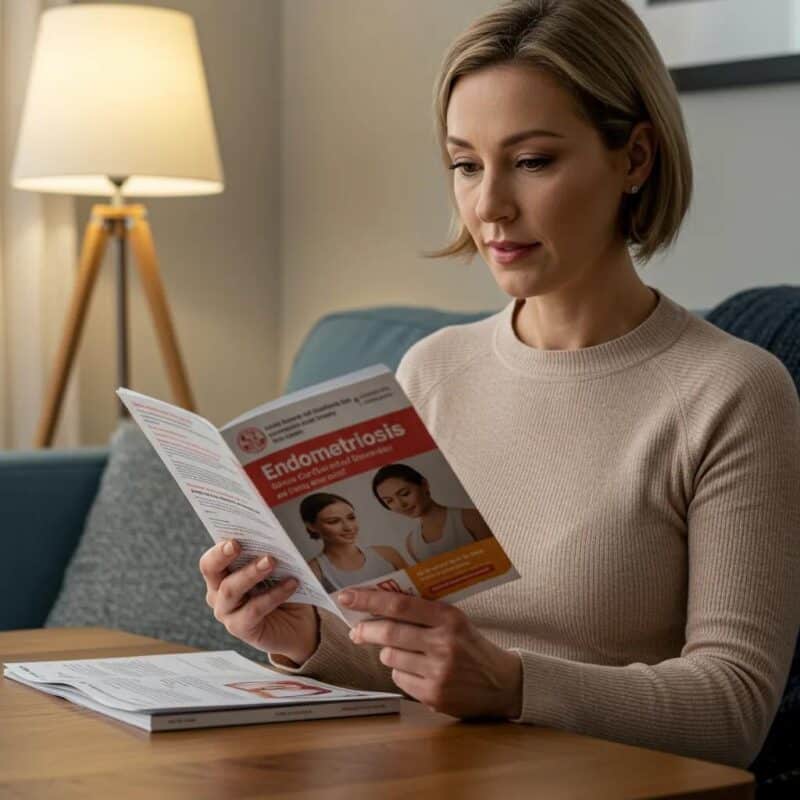
Recognizing the early signs of endometriosis is crucial for timely diagnosis and effective treatment. Endometriosis can manifest in various ways, including pelvic pain, heavy or irregular periods, and fatigue. Understanding these symptoms, especially in adolescents, can lead to early intervention and better management of the condition.
Symptoms such as debilitating cramps, excessive bleeding, and pain during intercourse or bowel movements may indicate the presence of endometriosis. By being aware of these signs and seeking medical attention, individuals can get the necessary support and care to address their endometriosis-related concerns.
Endometriosis and Fertility Challenges
Endometriosis can have a significant impact on fertility, as the condition can cause scarring, adhesions, and damage to the reproductive organs. Addressing fertility concerns is a critical aspect of endometriosis management, as many individuals with the condition may face difficulties in conceiving.
Treatment options, such as medication, surgery, and assisted reproductive technologies, can help improve fertility outcomes for those with endometriosis. By understanding the potential fertility implications and seeking specialized care, individuals can take proactive steps to navigate the challenges and achieve their family-building goals.
Managing Endometriosis Pain and Symptoms
Effective pain management is a crucial aspect of endometriosis care, as the condition can cause debilitating symptoms that significantly impact an individual's quality of life. Various treatment approaches, including medication, lifestyle modifications, and complementary therapies, can be employed to manage endometriosis-related pain and improve overall well-being.
From over-the-counter pain relievers to hormonal therapies and surgical interventions, a comprehensive treatment plan tailored to the individual's needs can help alleviate endometriosis symptoms and provide relief. Additionally, exploring complementary therapies, such as acupuncture, massage, and stress management techniques, can offer additional support in managing the condition.
Endometriosis and Mental Health Considerations
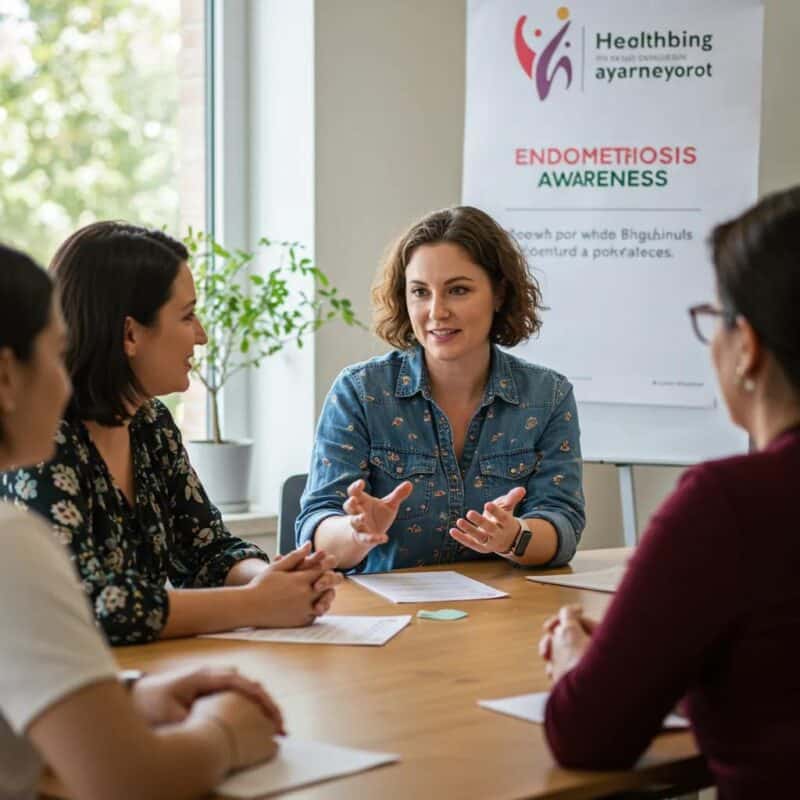
Living with endometriosis can have a significant impact on an individual's mental health, as the chronic pain, fatigue, and fertility challenges associated with the condition can lead to feelings of depression, anxiety, and stress. Addressing the mental health aspects of endometriosis is crucial for improving overall well-being and quality of life.
Seeking support from mental health professionals, joining support groups, and engaging in self-care practices can help individuals with endometriosis manage the emotional and psychological toll of the condition. By addressing both the physical and mental health aspects of endometriosis, a comprehensive approach to care can be achieved, leading to better outcomes and a more positive outlook for those living with the condition.