

Endometriosis after menopause presents a distinct clinical challenge: residual lesions may regress when ovarian estrogen falls, but some lesions persist or reactivate under certain hormonal conditions. This guide explains how hormonal therapies for endometriosis after menopause work, compares options such as combined HRT, progestin-only approaches, GnRH agents, aromatase inhibitors and emerging testosterone strategies, and maps how excision surgery fits into long-term care. Readers will learn how natural versus surgical menopause alters risk, which therapies balance menopausal symptom relief with disease control, and practical monitoring steps for bone and cardiovascular health. The article then outlines when to consider specialist referral and what expert care provides, with evidence-framed recommendations and clear action points for patients and clinicians navigating HRT and endometriosis management in 2025. Throughout, we use current research language to clarify recurrence risks, malignant-transformation considerations, and individualized decision-making.
What Happens to Endometriosis After Menopause?
Endometriosis after menopause commonly regresses due to the decline in ovarian estrogen, but this biological trend is not universal. Local estrogen production by residual lesions or peripheral aromatase activity can sustain disease activity in some patients, and exogenous hormones may stimulate dormant implants. Understanding this variability helps clinicians anticipate which patients need surveillance and which require active management. The next subsections describe symptom trajectories, differences between natural and surgical menopause, and evidence on persistence and recurrence so clinicians and patients can identify warning signs and appropriate follow-up.
How Does Menopause Affect Endometriosis Symptoms?
Menopause typically reduces cyclical pelvic pain because ovarian estrogen and menstrual cycling cease, which often alleviates lesion-driven symptoms. Some patients, however, experience persistent non-cyclical pelvic pain, pelvic floor dysfunction, or organ-specific complaints (bladder, bowel) that reflect chronic inflammation or central sensitization rather than active implants. Clinicians should evaluate ongoing pain for alternative causes and use imaging or specialist consultation if symptoms are progressive or new. Recognizing the shift from cyclical to persistent pain guides testing and subsequent management choices.
What Is the Difference Between Natural and Surgical Menopause for Endometriosis?
Natural menopause and surgical menopause (oophorectomy with or without hysterectomy) create different endocrine milieus that affect recurrence risk and HRT needs. Surgical menopause eliminates ovarian estrogen production abruptly, often improving lesion activity, but retained ovarian tissue or peripheral aromatase can still support lesions. This distinction influences HRT discussions: surgical menopause patients may have different thresholds for estrogen replacement and may need individualized strategies to balance symptom relief and recurrence risk. Clear documentation of prior disease severity and retained tissue is critical for tailoring therapy.
Can Endometriosis Persist or Recur After Menopause?
Yes—endometriosis can persist or recur after menopause, particularly when residual lesions remain or when exogenous estrogen is introduced without adequate progestogen protection. Population estimates show a minority of postmenopausal women have symptomatic disease, and risk factors include prior severe disease, obesity (increasing peripheral estrogen via aromatase), and unopposed estrogen exposure. Surveillance strategies for symptomatic patients include targeted imaging and timely referral to specialists for biopsy or excision if suspicious findings arise. Early recognition of recurrence enables less invasive interventions and better symptom control.
What Are the Main Hormonal Therapy Options for Postmenopausal Endometriosis?

Hormonal therapies for endometriosis after menopause aim either to relieve menopausal symptoms or to suppress any residual lesion activity; choosing between them requires understanding mechanism, indication, and systemic risks. Options include combined estrogen–progestogen HRT, progestin-only regimens (systemic or intrauterine), GnRH agonists/antagonists often with add-back therapy, aromatase inhibitors that target peripheral estrogen synthesis, and investigational testosterone strategies. The table below summarizes key features across these classes to support clinical decision-making and to compare typical patient profiles and monitoring needs. For more detail, see our article Understanding Endometriosis Symptoms in Menopause – A Guide.
The following table provides a concise clinical reference comparing major hormonal options in the postmenopausal endometriosis context.
This comparison highlights that combined HRT with adequate progestogen generally reduces unopposed estrogen exposure to lesions, while GnRH agents and AIs require bone health mitigation and specialist oversight.
How Does Hormone Replacement Therapy Work for Endometriosis After Menopause?
Hormone replacement therapy (HRT) supplies systemic estrogen to relieve menopausal symptoms while co-prescribed progestogen reduces stimulation of residual endometriotic tissue. The therapeutic goal is to alleviate vasomotor and urogenital symptoms without promoting lesion activity, which is why continuous combined estrogen–progestogen regimens are commonly preferred for women with a history of endometriosis. Clinicians choose dose, route (oral, transdermal) and progestogen type based on comorbidities and recurrence risk, and they monitor symptoms and imaging findings during follow-up. These prescribing decisions demand individualized risk–benefit discussion and clear surveillance plans.
What Are the Benefits and Risks of Progestin-Only Therapies?
Progestin-only therapies suppress endometrial and ectopic lesion activity by inducing decidualization and atrophy, and they are useful when estrogen replacement is contraindicated or unwanted. Local delivery via an intrauterine system (IUS) concentrates progestogen in the pelvis with lower systemic exposure, reducing systemic side effects while still suppressing endometrial tissue. Common adverse effects include mood changes, irregular bleeding, and weight fluctuation, and they must be discussed up-front. Progestin-only options provide an important alternative that prioritizes disease control over systemic menopausal symptom relief.
When Are GnRH Agonists and Antagonists Used in Postmenopausal Endometriosis?
GnRH agonists and antagonists create profound hypoestrogenism by suppressing pituitary gonadotropin release, which can effectively reduce active lesions and pain in refractory cases. In postmenopausal patients they are typically reserved for persistent or severe disease not controlled by other measures, and they are frequently combined with add-back therapy to protect bone and reduce menopausal side effects. Short-term courses are preferred, with careful DEXA monitoring and consideration of bone-protective agents as needed. Specialist-led regimens ensure appropriate duration and mitigation of systemic risks.
How Do Aromatase Inhibitors Help Manage Endometriosis After Menopause?
Aromatase inhibitors (AIs) reduce peripheral estrogen synthesis by blocking the aromatase enzyme, thereby lowering local estrogen that can sustain residual disease in postmenopausal women. AIs are typically used in specialist settings for persistent lesions, endometriomas, or when peripheral aromatase activity appears to drive symptoms, and they are often combined with a progestin or low-dose estrogen in carefully balanced regimens. The predominant concern with AIs is accelerated bone loss, so clinicians must institute DEXA surveillance and consider bone-protective therapies. Use of AIs should be individualized and monitored closely by a clinician experienced with these agents.
What Is the Emerging Role of Testosterone in Hormonal Therapy for Menopausal Endometriosis?
Testosterone is being explored as an adjunctive agent to improve sexual function, mood, and possibly modulate inflammatory pathways in menopausal patients with endometriosis-related sexual dysfunction. Early studies suggest potential benefits when testosterone is used alongside progestogen, but evidence remains limited and investigational as of 2025. Safety concerns include virilizing effects and metabolic considerations, so specialist oversight is essential when testosterone is considered. Until larger trials clarify efficacy and safety, testosterone remains an individualized, specialist-managed option for select patients.
How Do Hormonal Therapies Balance Menopausal Symptom Relief with Endometriosis Management?

Balancing menopausal symptom relief with control of endometriosis recurrence requires a structured decision framework that weighs symptom burden, prior disease severity, and systemic risk profiles. The core principle is to minimize unopposed estrogen exposure to residual lesions while maximizing quality-of-life gains from HRT where needed. Shared decision-making should include discussion of recurrence risk, bone and cardiovascular implications, and tailored surveillance. The table below contrasts how common therapies perform across symptom relief, disease control, and systemic effects to guide clinicians and patients in individualized planning.
The table below contrasts therapy classes by menopausal symptom benefit, effect on recurrence risk, bone/cardio implications, and suggested follow-up actions.
This comparison clarifies that combined HRT with adequate progestogen balances symptom relief and lesion protection in many patients, while other classes prioritize disease suppression at the cost of systemic side effects.
- Assess prior disease severity: Document surgical reports, imaging, and symptom history to estimate recurrence risk.
- Review menopausal symptom burden: Rate vasomotor, urogenital, and quality-of-life impact to prioritize therapy goals.
- Evaluate systemic risks: Screen for bone density loss, cardiovascular risk factors, and contraindications to specific agents.
- Agree on monitoring plan: Schedule symptom reviews, imaging triggers, and DEXA scans if bone-active therapies are used.
These steps create a reproducible pathway for shared decisions between patient and clinician, reducing uncertainty during therapy selection. For patients facing complex trade-offs between HRT benefits and recurrence risk, specialist consultation can personalize therapy intensity and monitoring.
For patients seeking specialist support, the Endo Excellence Center provides multidisciplinary evaluation and individualized risk–benefit counseling tailored to prior disease history and menopausal needs. This specialist bridge helps patients understand the nuances of combined HRT, progestin-only strategies, or more suppressive regimens and aligns therapy with long-term monitoring plans.
What Are the Risks of Endometriosis Recurrence with Hormonal Therapy?
Unopposed estrogen is the primary modifiable factor that increases recurrence risk for endometriosis after menopause; combined estrogen–progestogen therapy reduces this stimulus when progestogen exposure is sufficient. Residual macroscopic disease after surgery, prior severe disease, and peripheral aromatase activity also raise recurrence probability. Practical mitigation includes prescribing continuous combined regimens when HRT is needed, considering progestin-only options where appropriate, and scheduling imaging for new or worsening pain. Quantitative recurrence rates vary across studies, but clinicians should counsel that recurrence is possible and plan follow-up accordingly.
Does Hormone Replacement Therapy Increase Malignant Transformation Risk?
Malignant transformation of endometriosis is rare but has been reported, with some evidence suggesting higher association with prolonged unopposed estrogen exposure. Absolute risk remains low, but clinical vigilance is essential: rapid changes in mass size, unexplained bleeding, or alarming pain patterns warrant expedited evaluation. When HRT is considered, favoring combined regimens and close monitoring reduces theoretical transformation risk. Imaging and biopsy decisions should be guided by symptoms and specialist assessment rather than routine invasive screening.
How Do Hormonal Treatments Affect Bone and Cardiovascular Health in Postmenopausal Women?
Hormonal therapies have divergent effects on systemic health: estrogen-containing HRT often provides bone-protective effects but carries mixed cardiovascular implications depending on timing and patient risk profile. Conversely, GnRH agents and aromatase inhibitors markedly increase bone loss risk, requiring DEXA surveillance and consideration of bisphosphonates or other bone-protective measures. A baseline cardiovascular risk assessment and individualized discussion of HRT timing and route (e.g., transdermal vs oral) help optimize safety. Regular monitoring of lipids, blood pressure, and bone density is a cornerstone of postmenopausal care when hormonal suppression or replacement is used.
How Are Individualized Hormonal Treatment Plans Developed?
Individualized plans begin with a comprehensive history (surgical reports, prior HRT, symptom trajectory), focused examination, and targeted imaging when indicated. Decision-making then layers in risk stratification for recurrence and systemic complications, patient preferences for symptom relief, and practical considerations like routes of administration. A shared decision-making template should document goals, chosen regimen, monitoring schedule (symptom check-ins, DEXA, imaging triggers), and contingency plans if symptoms recur. Specialist input is particularly valuable for complex cases, atypical presentations, or when using bone-risking agents.
How Is Excision Surgery Integrated with Hormonal Therapy for Postmenopausal Endometriosis?
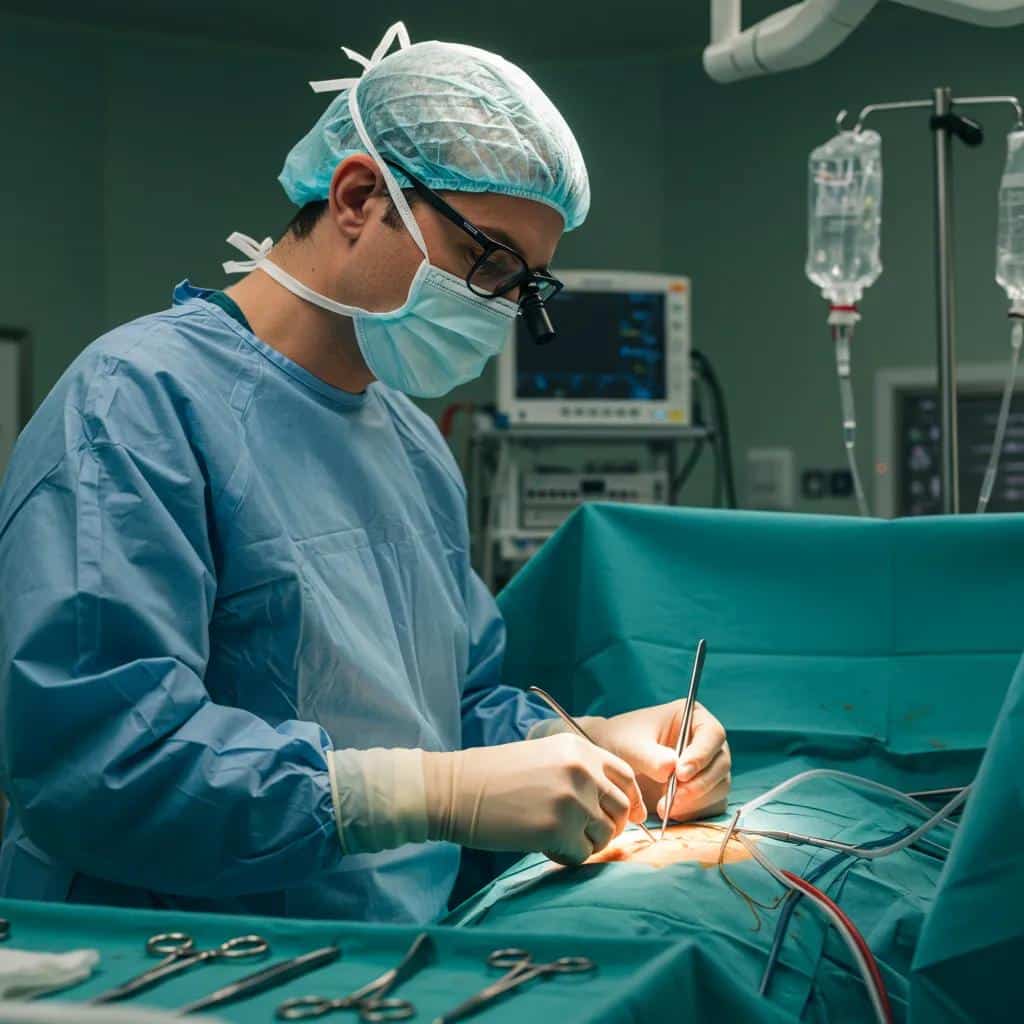
Surgical excision reduces macroscopic disease burden and often improves pain outcomes, making it a strategic step before initiating or resuming certain hormonal therapies in postmenopausal patients. Removing lesions decreases local estrogen production and inflammatory drivers, which can lower recurrence risk and allow less intensive hormonal suppression afterward. The integrated pathway typically sequences excision (when indicated) followed by tailored hormonal therapy to manage menopausal symptoms and reduce residual disease stimulation. The following table outlines roles, timing, and rationale for combined surgical-medical pathways to clarify clinical workflow.
Why Is Excision Surgery Considered the Gold Standard Before Hormonal Therapy?
Excision is considered the gold standard because it physically removes macroscopic disease, decreases inflammatory signaling, and reduces a reservoir for local estrogen production that can fuel recurrence. Compared with ablation, excision aims to remove lesion tissue rather than superficially destroy it, which translates to lower recurrence and better pain outcomes in many series. Minimally invasive excision by experienced surgeons minimizes morbidity and supports quicker recovery and earlier initiation of any necessary hormonal strategies. This surgical-first mindset informs downstream hormonal choices and can reduce the need for more aggressive medical suppression.
How Does Surgery Reduce Disease Burden to Improve Hormonal Therapy Outcomes?
By lowering residual lesion load, surgery decreases local estrogen synthesis and inflammation, which enhances the efficacy of subsequent hormonal suppression or replacement. Reduced disease burden often permits lower-intensity hormonal regimens to control symptoms without provoking recurrence, and some patients may tolerate combined HRT with lower recurrence risk after thorough excision. Clinically, postoperative symptom trajectories guide whether to use progestin-only approaches, combined HRT, or short courses of GnRH agents for further control. Integrating surgical and hormonal strategies therefore creates a complementary pathway optimized for long-term outcomes. You may also find How Hormonal Birth Control Affects Endometriosis Symptoms helpful.
What Non-Hormonal Strategies Support Endometriosis Management After Menopause?
Non-hormonal strategies offer adjunctive symptom control and are important when hormonal options are limited or contraindicated. These include multimodal pain management (analgesics, neuromodulators), pelvic floor physical therapy for musculoskeletal contributors, and cognitive-behavioral approaches to manage chronic pain. Complementary approaches such as targeted exercise, weight management, and dietary adjustments may reduce systemic inflammation and improve well-being. Below is a practical list of non-hormonal supports for postmenopausal patients.
- Analgesic and neuromodulator regimens: Use for nociceptive and neuropathic pain control.
- Pelvic floor physical therapy: Address muscular contributors to pelvic pain and dyspareunia.
- Psychological support (CBT, pain coping): Improve coping mechanisms and reduce pain-related disability.
- Lifestyle modifications: Weight management, exercise, and alcohol/smoking moderation to reduce systemic estrogen and inflammation.
Which Lifestyle and Dietary Changes Help Manage Postmenopausal Endometriosis?
Lifestyle and dietary measures can support symptom reduction and overall health following menopause and are a valuable adjunct to medical and surgical care. Adopting an anti-inflammatory dietary pattern rich in vegetables, omega–3 fats, and whole grains while moderating alcohol may reduce systemic inflammation and peripheral estrogen conversion. Maintaining a healthy weight reduces adipose-driven aromatase activity, and regular weight-bearing exercise supports bone health—particularly important when using bone-impacting therapies. Smoking cessation and limiting alcohol further optimize cardiovascular and bone outcomes, aligning lifestyle choices with medical strategies for durable symptom control.
- Adopting an anti-inflammatory dietary pattern rich in vegetables, omega–3 fats, and whole grains while moderating alcohol may reduce systemic inflammation and peripheral estrogen conversion.
- Maintaining a healthy weight reduces adipose-driven aromatase activity, and regular weight-bearing exercise supports bone health—particularly important when using bone-impacting therapies.
- Smoking cessation and limiting alcohol further optimize cardiovascular and bone outcomes, aligning lifestyle choices with medical strategies for durable symptom control.
Why Is Specialist Care Important for Managing Hormonal Therapies After Menopause?

Specialist care matters because postmenopausal endometriosis management requires nuanced decisions that balance HRT benefits against recurrence, bone and cardiovascular risks, and surgical history. Specialists trained in excision and experienced with complex hormonal regimens can integrate surgical findings with tailored medical plans, ensure appropriate monitoring, and provide multidisciplinary support. Access to a focused center allows coordinated imaging, surgical expertise, and long-term follow-up to catch recurrence early and minimize systemic harm. The next subsections detail what distinguishes specialized approaches, when to seek referral, and common patient questions to expect at consultation.
What Makes Dr. Rachael Haverland’s Approach Unique for Postmenopausal Endometriosis?
Dr. Rachael Haverland leads a specialist model that emphasizes personalized, multidisciplinary care anchored in minimally invasive excision surgery as the primary surgical strategy. As a board-certified specialist with training at the Mayo Clinic, Dr. Haverland combines surgical expertise with individualized hormonal planning and coordinated postoperative surveillance. This approach aligns excision’s disease-modifying benefits with precise hormonal choices to optimize symptom relief while minimizing recurrence and systemic risk. Patients benefit from a care pathway that integrates surgical skill, targeted medical therapy, and comprehensive follow-up.
When Should Patients Seek Expert Consultation for Hormonal Therapy Post-Menopause?
Patients should seek specialist consultation when they experience persistent or new pelvic pain after menopause, when HRT is being considered in the context of a history of endometriosis, or when imaging or symptoms suggest recurrence. Additional triggers for referral include prior severe disease, unclear surgical reports, or the need for therapies with significant systemic risks (GnRH agents, aromatase inhibitors). Preparing for consultation with prior surgical notes, imaging, and a clear symptom timeline enables efficient risk stratification and personalized planning. Early specialist involvement helps avoid trial-and-error and ensures appropriate surveillance. We cover this further in Discover New Therapies for Menopause-Related Endometriosis.
What Are Common Patient Questions About Hormonal Therapy After Menopause?
Patients commonly ask whether HRT will cause recurrence, which hormonal option is safest, and how therapies affect long-term bone and cardiovascular health. They also seek clarity on the role of surgery versus medical management and what surveillance will look like over time. Honest, evidence-framed answers that quantify risk where possible and outline clear monitoring steps reassure patients and support shared decision-making. Explaining individualized pathways and offering specialist evaluation for complex cases helps translate these concerns into actionable plans.
Frequently Asked Questions
What lifestyle changes can help manage endometriosis symptoms after menopause?
Adopting a healthy lifestyle can significantly aid in managing endometriosis symptoms post-menopause. Focus on an anti-inflammatory diet rich in vegetables, omega-3 fatty acids, and whole grains while moderating alcohol intake. Maintaining a healthy weight is crucial, as excess body fat can increase estrogen levels through aromatase activity. Regular weight-bearing exercise supports bone health, especially important when using therapies that affect bone density. Additionally, smoking cessation and limiting alcohol can further enhance overall health and reduce systemic inflammation.
How can psychological support benefit women with endometriosis after menopause?
Psychological support, such as cognitive-behavioral therapy (CBT), can be beneficial for women dealing with endometriosis after menopause. Chronic pain can lead to emotional distress, anxiety, and depression, which may exacerbate symptoms. CBT helps patients develop coping strategies, improve pain management, and enhance their quality of life. By addressing the psychological aspects of chronic illness, women can gain better control over their symptoms and improve their overall well-being, making it an essential component of a comprehensive treatment plan.
What role does physical therapy play in managing endometriosis symptoms?
Physical therapy, particularly pelvic floor physical therapy, can play a significant role in managing endometriosis symptoms after menopause. This therapy focuses on strengthening and relaxing pelvic floor muscles, which can alleviate pain and improve function. It can also address issues like pelvic floor dysfunction, which may arise from chronic pain or surgery. By incorporating targeted exercises and techniques, physical therapy can enhance mobility, reduce discomfort, and improve the overall quality of life for women with endometriosis.
How often should women with postmenopausal endometriosis have follow-up appointments?
Women with postmenopausal endometriosis should have regular follow-up appointments to monitor their symptoms and treatment effectiveness. Typically, follow-ups are recommended every 3 to 6 months, especially after initiating or adjusting hormonal therapies. During these visits, clinicians can assess symptom changes, evaluate the need for imaging, and adjust treatment plans as necessary. Regular monitoring is crucial for early detection of any recurrence or complications, ensuring that patients receive timely and appropriate care.
What should patients prepare for when consulting a specialist for endometriosis management?
When consulting a specialist for endometriosis management, patients should prepare by gathering relevant medical history and documentation. This includes surgical reports, imaging results, and a detailed symptom diary outlining the frequency, intensity, and nature of their symptoms. Being ready to discuss previous treatments and their outcomes can also facilitate a more productive consultation. This preparation helps the specialist tailor a personalized treatment plan and ensures that all pertinent information is considered during the evaluation.
Are there any specific risks associated with long-term hormonal therapy for endometriosis?
Yes, long-term hormonal therapy for endometriosis can carry specific risks, including potential bone density loss, cardiovascular issues, and the possibility of malignant transformation in rare cases. Continuous estrogen exposure, especially without adequate progestogen, can increase the risk of recurrence. Regular monitoring through DEXA scans for bone health and cardiovascular assessments is essential. Patients should discuss these risks with their healthcare provider to weigh the benefits of symptom relief against potential long-term health implications.
Can Endometriosis Come Back After Menopause with Hormone Replacement Therapy?
Yes—endometriosis can recur after menopause, and HRT may increase that risk if estrogen is given without adequate progestogen protection. The highest-risk scenario is unopposed estrogen; continuous combined estrogen–progestogen regimens mitigate this stimulus and are generally preferred when HRT is indicated. Patients with prior severe disease or residual lesions after surgery carry higher baseline risk and should be counseled accordingly. Symptom monitoring and targeted imaging for new or worsening pain are essential components of post-HRT surveillance.
What Is the Safest Hormonal Therapy for Postmenopausal Endometriosis?
There is no one-size-fits-all “safest” therapy; however, continuous combined estrogen–progestogen therapy is commonly favored because the progestogen component reduces unopposed estrogen stimulation of residual lesions. When estrogen is contraindicated, progestin-only regimens—especially local delivery via an IUS—offer effective lesion suppression with lower systemic estrogen exposure. Therapy choice must be individualized based on prior disease severity, comorbidities, and patient goals, with specialist input when uncertainty exists.
How Does Combined Estrogen-Progestogen Therapy Compare to Unopposed Estrogen?
Combined estrogen–progestogen therapy reduces the risk of stimulating residual endometriotic tissue compared with unopposed estrogen, and is therefore recommended when systemic estrogen is needed in patients with a history of endometriosis. Unopposed estrogen carries a higher likelihood of lesion reactivation and has been associated with reports of malignant transformation in rare cases. For this reason, clinicians generally avoid unopposed estrogen in women with known endometriosis unless exceptional circumstances exist and robust surveillance is planned.
Are There Non-Hormonal Alternatives for Managing Endometriosis Symptoms in Menopause?
Yes—non-hormonal alternatives play an important role and include multimodal analgesia, neuromodulators for chronic pelvic pain, pelvic floor physical therapy, cognitive-behavioral therapy, and lifestyle interventions like exercise and weight management. These approaches can reduce pain and improve function, either as standalone options when hormones are contraindicated or as complements to surgical or hormonal therapy. A multidisciplinary plan combining medical, physical, and psychological supports often delivers the best long-term outcomes.
The Endo Excellence Center combines surgical excision expertise with individualized hormonal planning and multidisciplinary support to help patients navigate these choices. Patients seeking a focused evaluation can consult the center’s team led by Dr. Rachael Haverland for integrated assessment, surgical options, and tailored therapy planning. The center’s clinic at 5288 Towne Sq. Dr, Plano TX 75024 offers coordinated care for complex cases and specialist-directed follow-up.
- When to seek urgent review: New mass, rapidly worsening pain, or abnormal bleeding.
- What to bring to consultation: Surgical reports, imaging, and a symptom diary.
- How follow-up is structured: Symptom reviews, imaging triggers, and DEXA for bone-active therapies.
These steps orient patients and referring clinicians toward timely, specialist-led management when hormonal therapy decisions are complex or when postmenopausal recurrence is suspected. When you are ready to talk through your options, schedule an appointment with our team.
Conclusion
Understanding hormonal therapies for endometriosis after menopause is crucial for managing symptoms and minimizing recurrence risks. By exploring various treatment options, patients can make informed decisions that balance symptom relief with long-term health considerations. We encourage you to consult with a specialist to tailor a treatment plan that best suits your individual needs. Discover more about our comprehensive care options at the Endo Excellence Center today. Read more in Transformative Hormonal Therapies for Endometriosis Relief.