

Postmenopausal endometriosis refers to persistent or newly symptomatic endometriosis occurring after ovarian function declines, and it requires a different diagnostic and treatment mindset than reproductive-age disease. Current research shows that lesions can persist or reactivate because of extra-ovarian estrogen production, local aromatase activity in lesions, adipose conversion of androgens, or prior deep infiltrative disease that becomes symptomatic with age. This guide explains common symptoms, the stepwise diagnostic approach, surgical and medical treatment options, and long-term monitoring strategies specific to postmenopausal patients. Readers will learn how imaging and laparoscopy are used to confirm disease, when excision or organ-removal procedures are considered, and how therapies such as aromatase inhibitors or targeted non-hormonal pain management fit into individualized care plans. The article also outlines malignancy-risk factors, evidence-based surveillance protocols, and how a multidisciplinary center can support complex cases. Throughout, we integrate practical checklists, comparison tables, and patient-centered considerations to help older women and their clinicians evaluate treatment options for postmenopausal pelvic pain and endometriosis.
What Are the Common Symptoms of Endometriosis After Menopause?
Postmenopausal endometriosis most commonly presents as persistent pelvic pain, pelvic masses, or new-onset pelvic symptoms that are non-cyclical; these symptoms arise because lesions receive estrogenic stimulation from peripheral sources and lesion-autonomous aromatase activity. Older patients often report continuous rather than cyclic pain, localized deep pelvic pain, or dyspareunia that gradually worsens; recognizing these patterns speeds diagnosis and reduces misattribution to other pelvic conditions. Pain may also be accompanied by a palpable adnexal mass or pressure symptoms that mimic malignancy, so clinicians should maintain diagnostic vigilance. Understanding symptom patterns helps prioritize imaging and referral decisions for definitive evaluation and potential surgical management.
Pelvic pain and related symptoms after menopause most commonly include localized discomfort, deep dyspareunia, and pressure from endometriomas or adhesions that may not fluctuate with menses. These symptoms often interfere with daily function and may be mistaken for musculoskeletal or urologic conditions, which delays diagnosis. Importantly, a new rapidly enlarging pelvic mass or unexpected bleeding is a red flag requiring urgent assessment. Recognizing these presentations leads directly into targeted diagnostic steps that clarify whether endometriosis or another condition is the underlying cause.
Pelvic and gastrointestinal or urinary overlap is common in postmenopausal patients and frequently necessitates multidisciplinary evaluation. When bowel or bladder symptoms accompany pelvic pain, collaboration with gastroenterology or urology increases diagnostic accuracy and guides tailored treatment plans. Early recognition of symptom clusters reduces the chance of inappropriate treatments and supports timely use of imaging, targeted medical therapy, or surgical excision.
How Does Postmenopausal Endometriosis Present Differently?
Postmenopausal endometriosis commonly presents with non-cyclical, persistent pelvic pain and sometimes with mass effect rather than the cyclical pain typical of reproductive-age disease; this difference stems from lesion exposure to peripheral estrogenic sources and local tissue aromatization. Lesion biology can shift over time so that deep infiltrative disease or endometriomas produce continuous symptoms, and adiposity or hormone replacement therapy may further fuel lesion activity. Clinically, patients report steady pain, worsening dyspareunia, and functional bowel or bladder complaints, rather than monthly flares tied to menses. These presentation changes require clinicians to broaden the differential diagnosis and consider imaging or surgical evaluation earlier than they might in younger patients.
Which Pelvic and Abdominal Symptoms Indicate Postmenopausal Endometriosis?
Key pelvic and abdominal indicators include chronic lower abdominal or pelvic pain, painful intercourse, pelvic pressure or fullness from an adnexal mass, and localized tenderness on examination; these signs suggest either residual endometrioma or deep infiltrative lesions. Bowel-related manifestations—such as pain with bowel movements or changes in stool—may indicate rectovaginal or bowel wall involvement, while recurrent urinary urgency, frequency, or hematuria can reflect bladder implantation. Because these symptoms overlap with diverticular disease, pelvic organ prolapse, and gynecologic neoplasms, clinicians should combine symptom patterns with imaging findings to guide next steps. Prompt evaluation when these features change or escalate reduces delay in diagnosis.
Can Endometriosis Cause Bowel and Bladder Issues After Menopause?
Yes—endometriosis can invade or adhere to bowel and bladder structures and produce constipation, pain with defecation, rectal bleeding, urinary urgency, and dysuria; these symptoms may persist or appear after menopause when lesions remain active. Deep infiltrative endometriosis can cause luminal narrowing or focal wall lesions that mimic primary GI or urologic disease, so endoscopy or targeted imaging is sometimes required to exclude other etiologies. Collaboration with colorectal surgeons or urologists is important when bowel or bladder involvement is suspected because combined surgical planning can improve symptom control and functional outcomes. Identifying these symptom clusters early supports comprehensive care that addresses both pain and organ preservation.
How Is Postmenopausal Endometriosis Diagnosed?

Diagnosis of postmenopausal endometriosis requires a stepwise approach: focused clinical assessment, targeted imaging (beginning with transvaginal ultrasound and escalating to pelvic MRI for complex or equivocal cases), and surgical confirmation when indicated because non-invasive tests have limitations in this population. The initial evaluation emphasizes red flags—new pelvic mass, postmenopausal bleeding, or rapidly progressive symptoms—that prompt urgent imaging and possible biopsy. Imaging helps characterize adnexal masses and deep lesions and guides whether diagnostic laparoscopy with excision is necessary, which can be both diagnostic and therapeutic. This diagnostic pathway balances the need to exclude malignancy in older patients while avoiding unnecessary invasive procedures.
A recommended imaging-first algorithm improves diagnostic yield and patient safety by using ultrasound for initial assessment and MRI for detailed mapping of deep infiltrative disease or complex adnexal masses. Ultrasound is accessible for detecting endometriomas, while MRI offers superior soft-tissue contrast and multiplanar evaluation of pelvic compartments. Laboratory tests do not definitively diagnose endometriosis but can help exclude other causes; tumor markers are considered when malignancy is a concern. When imaging is inconclusive or symptoms are refractory, diagnostic laparoscopy with histologic sampling remains the gold standard for definitive diagnosis.
Endo Excellence Center’s diagnostic capabilities are structured to support this stepwise approach through multidisciplinary review and advanced imaging interpretation, led by Dr. Rachael Ann Haverland. The center integrates gynecologic imaging, clinic assessment, and surgical planning to determine when laparoscopy with excision is appropriate, particularly for complex or suspicious cases. This pathway emphasizes individualized evaluation and shared decision-making, ensuring patients receive targeted testing and treatment while minimizing unnecessary interventions.
Postmenopausal Endometriosis: Presentation, Imaging, and Management
1. Postmenopausal endometriosis is an important clinical entity which is likely under-recognized and in which the Radiologist can play a valuable role. In this review, we describe the clinical presentation and management of postmenopausal endometriosis, appraising the literature and providing case examples. Persons with postmenopausal endometriosis may present with symptoms including pelvic pain or dyschezia, but endometriosis may also be an asymptomatic, incidental finding. Women may or may not have a prior history of endometriosis or a history of symptoms consistent with it. Therapies and conditions which increase exogenous or endogenous estrogen, respectively, increase the risk. Endometriosis can be found in different locations throughout the body, and the possibility of malignancy should be assessed, especially in the postmenopausal population, where age increases cancer risk. Treatment may involve surgery or medical interventions. Guidelines describing appropriate imaging surveillance in these patients are lacking. In the postmenopausal population, Radiologists need to consider endometriosis as a diagnosis, recommend appropriate exams such as MRI and US, and suggest endometriosis-associated malignancies when appropriate, based on classic morphologic features.
Endometriosis in the postmenopausal female: clinical presentation, imaging features, and management, WM VanBuren, 2020
- Clinical assessment: focused history and pelvic exam to identify red flags.
- Transvaginal ultrasound: first-line imaging for adnexal masses and basic mapping.
- Pelvic MRI: advanced mapping for deep infiltrative disease or complex findings.
- Diagnostic laparoscopy with excision or biopsy: definitive diagnosis and potential treatment when indicated.
Early, organized evaluation optimizes diagnostic accuracy and helps distinguish endometriosis from malignancy or other pelvic disorders, guiding safer, more effective care.
What Diagnostic Tools Are Used for Older Women?
Transvaginal ultrasound is the usual first imaging modality for older women with suspected endometriosis because it efficiently detects endometriomas and gross adnexal pathology, while pelvic MRI provides superior delineation of deep infiltrative lesions and involvement of bowel or bladder. MRI is particularly useful when ultrasound is inconclusive or when detailed surgical mapping is needed to plan excision. Laboratory tests have limited diagnostic specificity for endometriosis, so clinical judgment and imaging guide decisions; tumor markers and targeted biopsies are used when malignancy cannot be excluded. When non-invasive testing leaves uncertainty or when symptoms significantly impact quality of life, diagnostic laparoscopy with excision and histology remains the definitive tool.
How Do Doctors Differentiate Endometriosis from Other Conditions in Postmenopausal Women?
Differentiation relies on combining symptom patterns, imaging characteristics, and risk-based testing to distinguish endometriosis from gynecologic malignancy, ovarian neoplasms, diverticular disease, or primary urologic pathology. Red flags—postmenopausal bleeding, a rapidly enlarging pelvic mass, systemic symptoms, or suspicious imaging features—trigger oncologic pathways and biopsy when appropriate. Cross-specialty input from gastroenterology or urology clarifies whether bowel or bladder findings represent endometriosis or a primary GI/urologic disorder. Careful interpretation of imaging and consideration of patient risk factors—such as obesity, HRT history, or prior endometriosis—inform the decision to proceed to laparoscopy for definitive diagnosis.
What Role Does Dr. Rachael Haverland and Endo Excellence Center Play in Diagnosis?
Endo Excellence Center offers a coordinated diagnostic pathway that combines targeted imaging review, multidisciplinary case discussion, and selective diagnostic laparoscopy led by Dr. Rachael Ann Haverland, a board-certified specialist with Mayo Clinic training. The center’s approach emphasizes accurate mapping of lesions and risk stratification to differentiate benign endometriosis from malignancy risk factors, while ensuring patients understand the diagnostic benefits and possible therapeutic options. Dr. Haverland’s expertise supports nuanced interpretation of complex imaging and informed surgical decision-making, reducing unnecessary procedures and improving readiness for definitive excision when indicated. This collaborative diagnostic model helps patients navigate the balance between thorough evaluation and individualized treatment planning.
What Surgical Treatment Options Are Available for Postmenopausal Endometriosis?
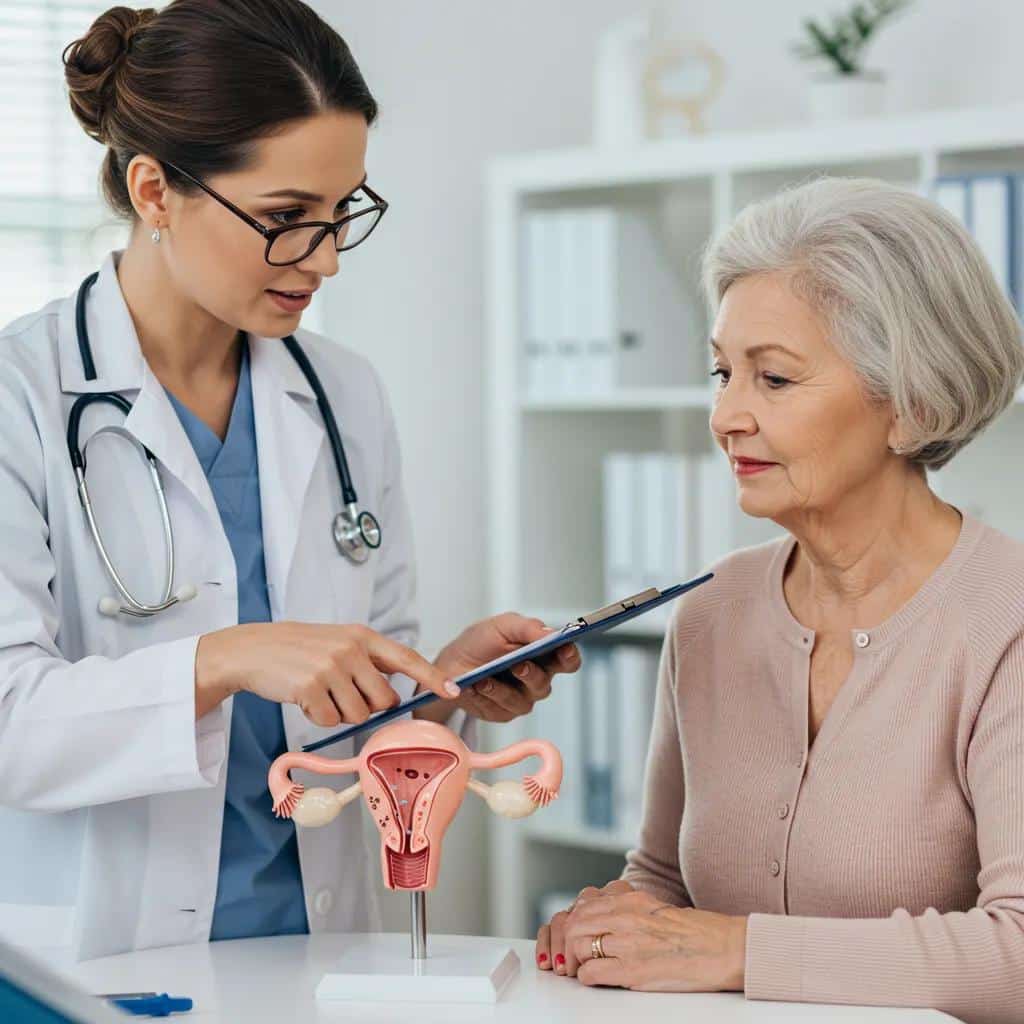
Surgical options for postmenopausal endometriosis include excision surgery (gold standard for symptomatic disease), hysterectomy and/or oophorectomy when indicated, and minimally invasive approaches that reduce recovery time and complications; surgery is selected based on symptom burden, lesion type, and malignancy suspicion. Excision aims to remove lesions to healthy tissue margins and treat adhesions, offering durable pain relief in many cases, while hysterectomy or oophorectomy may be considered for refractory symptoms or suspicious masses. Minimally invasive laparoscopic or robotic techniques can preserve function and shorten recovery for older patients, but open surgery remains necessary for extensive disease. Surgical planning should be individualized, combining lesion mapping, patient goals, and multidisciplinary input.
Before presenting the comparison table, note that surgical decision-making balances outcomes, risks, and post-operative hormonal considerations, especially when ovaries are removed. The table below compares common surgical approaches by typical indication, advantages, expected recovery, and recurrence considerations to help clinicians and patients weigh options.
This comparison shows that complete excision by an experienced surgeon offers the best chance for symptom improvement, while the choice between organ removal and conservative surgery depends on malignancy risk, symptom control goals, and the patient’s hormonal needs.
Surgical options also require coordinated perioperative planning and realistic expectation setting about functional outcomes and potential need for adjuvant medical therapy. Experienced excision techniques reduce residual disease and recurrence risk, but surveillance and multidisciplinary follow-up remain important to detect reactivation or complications. Patients should receive individualized counseling about the trade-offs of each approach in the context of postmenopausal physiology.
- Excision surgery: removes lesions to normal tissue margins.
- Hysterectomy with/without oophorectomy: considered for refractory disease or suspicious lesions.
- Minimally invasive approaches: laparoscopic or robotic techniques to reduce recovery.
- Open surgery: reserved for extensive, complex disease.
Surgical planning must weigh symptom severity, lesion distribution, and the patient’s priorities, and when possible should be performed by surgeons with excision expertise to minimize recurrence and complications.
How Does Excision Surgery Work for Postmenopausal Endometriosis?
Excision surgery physically removes endometriotic lesions with careful dissection to healthy tissue margins, aiming to eradicate niduses of disease and release adhesions that cause pain; this approach reduces lesion burden and often improves pain and organ function. The mechanistic rationale is that removing hormonally active tissue lowers local estrogen production and inflammatory signaling that perpetuate pain, and complete excision correlates with lower recurrence compared with superficial ablation. Technical success depends on lesion mapping and surgical skill, particularly for deep infiltrative disease or lesions involving bowel or bladder. Post-operative recovery varies with procedure extent, but many patients experience meaningful symptom relief and improved quality of life.
When Are Hysterectomy and Oophorectomy Recommended?
Hysterectomy and oophorectomy are considered when disease is refractory to excision, when adnexal masses raise oncologic concern, or when patient goals favor definitive surgery; in postmenopausal women, oophorectomy may reduce recurrence by removing residual ovarian estrogen production, though many women are already hypoestrogenic. The decision balances reduced recurrence risk against the effects of organ removal on hormones and bone health if performed in perimenopause, and it requires counseling about hormone replacement therapy when appropriate. When malignancy is suspected, removal enables thorough pathologic assessment and oncologic staging if necessary. Shared decision-making is essential to match procedural scope with patient priorities and medical risk.
What Are the Benefits of Minimally Invasive Surgical Techniques?
Minimally invasive techniques—laparoscopy and robotic-assisted surgery—offer advantages such as smaller incisions, less blood loss, lower infection risk, shorter hospital stays, and faster return to activities compared with open laparotomy. For older patients, reduced perioperative morbidity and expedited rehabilitation are particularly valuable, and evidence supports comparable lesion clearance by experienced surgeons using minimally invasive platforms. However, surgeon volume and experience with excision techniques are crucial determinants of outcomes, and open approaches remain necessary for extensive adhesions, large masses, or when exposure is inadequate. Selecting the approach should consider disease extent, patient comorbidity, and surgical expertise.
How Does Dr. Rachael Ann Haverland’s Expertise Improve Surgical Outcomes?
Dr. Rachael Ann Haverland’s Mayo Clinic training and focused specialization in endometriosis provide contextual credibility for complex surgical decision-making and excision technique, helping to optimize lesion mapping and operative strategy without asserting unverified outcome statistics. Surgeon experience affects the completeness of excision, complication rates, and ability to coordinate multi-disciplinary resections when bowel or urinary tract is involved, so specialized training supports safer, more effective operations. Patients benefit from a surgeon who integrates advanced imaging, intraoperative strategy, and collaboration with colorectal or urologic colleagues when needed. This expertise underpins individualized surgical plans that prioritize symptom relief and long-term surveillance.
What Medical Management Options Exist for Postmenopausal Endometriosis?

Medical management after menopause focuses on suppressing residual estrogenic stimulation, reducing lesion activity, managing pain, and balancing risks such as bone health and cardiovascular effects; options include aromatase inhibitors, GnRH agonists/antagonists for suppression, selective use of progestins, and non-hormonal pain strategies. Aromatase inhibitors target peripheral estrogen synthesis and are particularly rational in postmenopausal disease driven by extra-ovarian estrogen, but they require bone density monitoring and possible bone-protective measures. GnRH agents can produce profound hypoestrogenism useful for short-term control, while HRT counseling is essential when systemic estrogen replacement is considered for menopausal symptoms. Non-hormonal modalities—NSAIDs, neuropathic agents, pelvic floor therapy—play a key role when hormones are contraindicated. We cover this further in Understanding Endometriosis Symptoms in Menopause – A Guide.
This comparative view clarifies that aromatase inhibitors are especially pertinent after menopause, while non-hormonal strategies complement or substitute hormonal approaches based on individual risk profiles.
Medical management is most effective when individualized and combined with surgical strategies when lesions are resectable, and the choice of agent must consider bone health, cardiovascular risk, and the patient’s symptomatic priorities. Shared decision-making, appropriate baseline testing, and scheduled monitoring optimize safety and therapeutic benefit.
- Aromatase inhibitors for peripheral estrogen suppression.
- GnRH agonists/antagonists for short-term intensive suppression.
- Careful HRT counseling when systemic replacement is necessary.
- Non-hormonal pain management including analgesics and pelvic floor therapy.
These options are chosen based on disease activity, patient comorbidities, and goals for symptom control and quality of life.
How Do Aromatase Inhibitors Help Treat Endometriosis After Menopause?
Aromatase inhibitors block the enzyme aromatase, reducing peripheral conversion of androgens to estrogens and decreasing local estrogen production within endometriotic lesions, which can reduce lesion activity and pain in postmenopausal patients. This mechanism is particularly relevant when ovarian estrogen production is minimal and lesion autonomy or adipose-derived estrogen drives symptoms. Side effects include menopausal symptoms and bone loss, so baseline bone density assessment and periodic monitoring are recommended, and concurrent bone-protective strategies may be needed. Aromatase inhibitors are often used with close follow-up and tailored duration based on symptom response and bone health considerations.
What Is the Role of GnRH Agonists and Antagonists in Treatment?
GnRH agonists and antagonists induce profound hypoestrogenism that can shrink lesions and reduce pain, and they are typically used for shorter courses because of adverse effects such as vasomotor symptoms and bone density loss. In postmenopausal contexts, these agents may be applied when rapid symptom control is necessary or when surgery is delayed or declined, serving as a bridge to definitive management. Bone health protection and symptom mitigation strategies (add-back therapy in select cases) are important, and treatment duration should be individualized to balance symptom relief against long-term risks. Monitoring includes symptom assessment and consideration of bone density surveillance for prolonged use.
How Does Hormone Replacement Therapy Affect Endometriosis Risk and Recurrence?
Hormone replacement therapy (HRT) can potentially stimulate residual endometriosis depending on the regimen, so shared decision-making is essential when treating menopausal symptoms in women with a history of endometriosis. Evidence suggests combined estrogen-progestogen regimens are generally safer than estrogen alone for women with prior endometriosis, because progestogens oppose proliferative effects on lesions; however, individual risk factors and lesion history must guide choices. When HRT is necessary, close surveillance and use of the lowest effective dose with appropriate progestogen inclusion are typical strategies. Counseling should include discussion of recurrence risk, monitoring plans, and alternatives for managing menopausal symptoms.
What Non-Hormonal Pain Management Strategies Are Effective?
Non-hormonal options include NSAIDs for nociceptive pain, neuropathic agents (such as gabapentinoids or certain antidepressants) for central sensitization, pelvic floor physical therapy for musculoskeletal contributors, and integrative approaches like cognitive behavioral therapy to address pain coping and quality of life. These strategies are particularly valuable when hormonal therapies are contraindicated or when residual pain persists after surgery. Multimodal pain management that combines pharmacologic, physical, and behavioral interventions often yields better functional outcomes than single-modality treatment. When pain remains refractory, interventional pain procedures or coordinated surgical re-evaluation may be considered.
What Are the Risks and Long-Term Management Considerations for Postmenopausal Endometriosis?

Long-term management must address recurrence risk, malignancy potential in certain lesions, the implications of hormone therapy, and structured surveillance with symptom review and imaging as indicated; these measures reduce delayed recognition of complications and optimize outcomes. Malignant transformation is uncommon but more relevant in postmenopausal patients, especially in the presence of long-standing endometriomas or atypical lesion features, so risk stratification informs the intensity of follow-up. Monitoring protocols typically combine symptom assessment at regular intervals with targeted imaging—ultrasound or MRI—based on prior lesion characteristics and risk factors. Multidisciplinary follow-up supports management of bowel, bladder, pain, and psychosocial sequelae.
This overview highlights that surveillance should be individualized, with closer follow-up for patients with high-risk lesion types, prior incomplete excision, or those receiving estrogenic therapies.
Ongoing care also emphasizes addressing modifiable risk factors such as obesity, optimizing bone health when using aromatase inhibitors, and coordinating care with oncology when lesion features raise concern. A structured follow-up checklist improves early detection of complications and ensures supportive services—pelvic floor therapy, nutrition, and mental health—are available when needed.
What Is the Risk of Malignant Transformation in Postmenopausal Endometriosis?
Malignant transformation of endometriosis is uncommon but carries proportionally greater concern in postmenopausal patients, particularly with long-standing endometriomas or atypical histologic features; published series report low single-digit percentages in selected cohorts, though absolute risk remains small. Risk factors include older age, obesity, prolonged estrogen exposure including certain HRT regimens, and endometrioma presence. Clinically, atypical imaging features, rapid mass growth, or new systemic symptoms warrant prompt evaluation with imaging and possible biopsy. Understanding these risks informs the threshold for recommending excision and the intensity of post-treatment surveillance. You may also find Hormonal Factors Behind Post-Menopausal Endometriosis helpful.
How Should Patients Be Monitored After Treatment?
Monitoring after treatment combines scheduled symptom reviews, targeted imaging for prior lesion sites, and bone health checks when patients receive aromatase inhibitors or prolonged hypoestrogenic therapies. A pragmatic cadence might include a clinical visit at 6–12 weeks post-op, then every 6–12 months based on risk, with imaging reserved for symptom changes or high-risk features; DEXA scanning is recommended at baseline when bone-impacting therapies are anticipated. Red flags—rapid mass growth, new bleeding, or systemic symptoms—should trigger expedited re-evaluation. A clear, individualized follow-up plan helps detect recurrence or complications early while avoiding unnecessary testing. You may also find Innovative Clinical Trials for Post-Menopausal Endometriosis helpful.
Why Is a Multidisciplinary Approach Important for Complex Cases?
Complex postmenopausal endometriosis often involves bowel, bladder, and pelvic floor structures, so coordinated care with colorectal surgery, urology, pain medicine, and pelvic floor physical therapy improves diagnostic accuracy and functional outcomes. Multidisciplinary planning enables combined procedures when needed, reduces the risk of incomplete resection, and streamlines perioperative management for older patients with comorbidities. Integrating mental health and nutritional support also addresses quality-of-life domains that influence recovery and long-term symptom control. This collaborative model optimizes both surgical strategy and rehabilitation to restore function and reduce recurrence.
How Can Patients Benefit from Personalized Care at Endo Excellence Center?
Endo Excellence Center delivers a multidisciplinary, patient-centered model that integrates meticulous diagnostic evaluation, individualized surgical planning, and tailored medical management for postmenopausal endometriosis; this coordinated approach helps align treatment choices with each patient’s risk profile and quality-of-life goals. The center emphasizes comprehensive care pathways including advanced imaging interpretation, diagnostic laparoscopy with excision when indicated, and medical strategies such as aromatase inhibitor therapy with appropriate monitoring. Supportive services—pelvic floor therapy, nutrition counseling, and mental health resources—are incorporated to address the broad functional impacts of chronic pelvic pain. Patients benefit from a staged, evidence-forward plan that balances symptom control, malignancy vigilance, and long-term wellness.
Endo Excellence Center’s multidisciplinary workflow includes team review of complex cases, collaboration with colorectal and urologic specialists for organ-involving disease, and personalized monitoring plans post-treatment to detect recurrence or complications. Dr. Rachael Ann Haverland’s specialized training informs surgical planning and interpretation of complex imaging, ensuring that patients receive targeted excision when appropriate and clear counseling about risks and benefits. For patients considering care at a specialized center, preparing prior imaging, operative reports, and symptom logs helps make the initial consultation efficient and informative.
- Multidisciplinary evaluation with tailored imaging and specialist input.
- Individualized surgical planning that prioritizes complete excision when safe.
- Customized medical therapy and monitoring for bone health and recurrence.
- Support services including pelvic floor therapy and mental health resources.
These components combine to create a care pathway that addresses both the biologic drivers of disease and the functional needs of older patients, supporting better long-term outcomes.
What Makes the Center’s Approach Unique for Postmenopausal Women?
The center’s approach emphasizes diagnostic vigilance for malignancy, HRT counseling tailored to endometriosis history, and bone health monitoring when medical therapies affect estrogen status; adaptations for older patients include careful preoperative assessment and coordinated specialty involvement. This specificity ensures that treatment decisions reflect postmenopausal physiology and broader health priorities, rather than relying solely on protocols developed for reproductive-age patients. Multidisciplinary case conferences and combined surgical planning reduce fragmentation of care and support comprehensive management of bowel and bladder involvement when present.
Frequently Asked Questions
What lifestyle changes can help manage postmenopausal endometriosis symptoms?
Adopting a healthy lifestyle can significantly impact the management of postmenopausal endometriosis symptoms. Regular physical activity, a balanced diet rich in anti-inflammatory foods, and maintaining a healthy weight can help reduce pain and improve overall well-being. Additionally, stress management techniques such as yoga, meditation, or counseling can enhance coping mechanisms. Staying hydrated and avoiding processed foods may also contribute to symptom relief. It’s essential to discuss any lifestyle changes with a healthcare provider to ensure they align with individual health needs.
How can patients prepare for a consultation regarding postmenopausal endometriosis?
Preparing for a consultation involves gathering relevant medical history, including previous diagnoses, treatments, and any imaging studies. Patients should maintain a symptom diary detailing the frequency, intensity, and nature of their symptoms. This information can help the healthcare provider understand the condition better. Additionally, preparing questions about treatment options, potential side effects, and lifestyle modifications can facilitate a productive discussion. Being open about concerns and expectations will also enhance the consultation experience.
What role does mental health play in managing postmenopausal endometriosis?
Mental health is a crucial aspect of managing postmenopausal endometriosis, as chronic pain and the impact of the condition on daily life can lead to anxiety, depression, and stress. Addressing mental health through therapy, support groups, or counseling can provide coping strategies and emotional support. Integrating mental health care with physical treatment plans can improve overall quality of life. Patients are encouraged to discuss their mental health concerns with their healthcare providers to receive comprehensive care that addresses both physical and emotional well-being.
Are there any specific dietary recommendations for women with postmenopausal endometriosis?
While there is no one-size-fits-all diet for postmenopausal endometriosis, certain dietary choices may help manage symptoms. A diet rich in fruits, vegetables, whole grains, and healthy fats can reduce inflammation. Omega-3 fatty acids found in fish, flaxseeds, and walnuts may also be beneficial. Limiting red meat, processed foods, and sugars can help decrease inflammation and pain. It’s advisable for patients to consult with a nutritionist or healthcare provider to create a personalized dietary plan that aligns with their health goals.
What are the potential complications of untreated postmenopausal endometriosis?
Untreated postmenopausal endometriosis can lead to several complications, including chronic pain, bowel or bladder dysfunction, and the potential for malignant transformation in certain lesions. Persistent endometriosis may also result in adhesions, which can cause further complications in surrounding organs. Additionally, untreated symptoms can significantly impact quality of life, leading to emotional distress and decreased functionality. Regular monitoring and appropriate treatment are essential to mitigate these risks and ensure optimal health outcomes.
How can patients find support for living with postmenopausal endometriosis?
Patients can find support through various channels, including local and online support groups specifically for women with endometriosis. These communities provide a platform for sharing experiences, coping strategies, and emotional support. Additionally, healthcare providers can recommend resources such as counseling services or educational materials. Engaging with a multidisciplinary care team, including mental health professionals, can also enhance support systems. Patients are encouraged to seek out resources that resonate with their needs and preferences for comprehensive support.
Does Endometriosis Go Away After Menopause?
Endometriosis often improves after menopause because ovarian estrogen declines, but lesions can persist or reactivate due to peripheral estrogen sources, lesion aromatase activity, or HRT exposure, so complete resolution is not guaranteed. Many patients experience symptom reduction, yet a subset continues to have pain or develops new symptoms that warrant evaluation. The possibility of persistence underlies the need for targeted assessment when new pelvic complaints arise after menopause. Monitoring and individualized treatment remain important even when symptoms appear to remit.
Can Endometriosis Recur After Menopause?
Recurrence is possible after menopause, particularly when residual disease remains, ovaries are preserved in perimenopause, or estrogenic exposures occur; risk factors include prior incomplete excision, obesity, and certain HRT regimens. Surveillance strategies and discussion of medical suppression options can mitigate recurrence risk, and surgical excision by experienced surgeons reduces the burden of residual disease that could later reactivate. Patients should report new or worsening symptoms promptly to facilitate timely reassessment.
Can Hormone Replacement Therapy Make Endometriosis Worse?
HRT can stimulate residual endometriosis depending on the regimen, so clinicians typically favor combined estrogen-progestogen preparations over estrogen alone when HRT is needed for symptom control in women with a history of endometriosis. Shared decision-making weighs menopausal symptom relief against potential recurrence risk, and close monitoring with clinical review and imaging as indicated is important. Alternatives and the lowest effective doses should be considered when feasible, with individualized surveillance plans. You may also find Must-Try Supplements for Post Menopausal Women’s Comfort helpful.
What Are the Best Treatment Options for Postmenopausal Endometriosis?
The best treatment balances symptom severity, lesion type, malignancy suspicion, comorbidities, and patient goals, often combining excision surgery for resectable lesions with targeted medical therapy—such as aromatase inhibitors—or non-hormonal pain management when appropriate. For suspicious masses or refractory disease, definitive surgery including hysterectomy and oophorectomy may be advised after careful counseling; for less severe disease, medical suppression and conservative measures may suffice. Individualized, multidisciplinary planning ensures that the chosen approach addresses both disease biology and the patient’s functional and quality-of-life priorities.
- Prioritize complete excision for symptomatic, resectable lesions when surgical risk is acceptable.
- Use aromatase inhibitors when peripheral estrogen production likely drives disease activity.
- Employ non-hormonal pain strategies and multidisciplinary support when hormones are contraindicated.
These principles guide personalized care that aims to maximize symptom relief while minimizing unnecessary risk.
Conclusion
Understanding postmenopausal endometriosis is crucial for effective management, as it presents unique challenges and requires tailored treatment strategies. By recognizing symptoms, utilizing advanced diagnostic tools, and considering both surgical and medical options, patients can achieve significant relief and improved quality of life. Engaging with a multidisciplinary team, like the one at Endo Excellence Center, ensures personalized care that addresses individual needs and concerns. Take the first step towards better health by scheduling a consultation today.