Endometriosis Symptoms and Their Impact
Endometriosis can manifest through a variety of symptoms, including pelvic pain, heavy or irregular menstrual bleeding, and infertility. Understanding the diverse symptoms and their potential impact on daily life is crucial for individuals seeking effective management and treatment strategies.
Symptoms can range in severity and may vary across different stages of the condition. Recognizing the early signs of endometriosis, such as painful periods or gastrointestinal issues, can help facilitate timely diagnosis and intervention, leading to improved quality of life for those affected.
Endometriosis Diagnosis and Diagnostic Tools
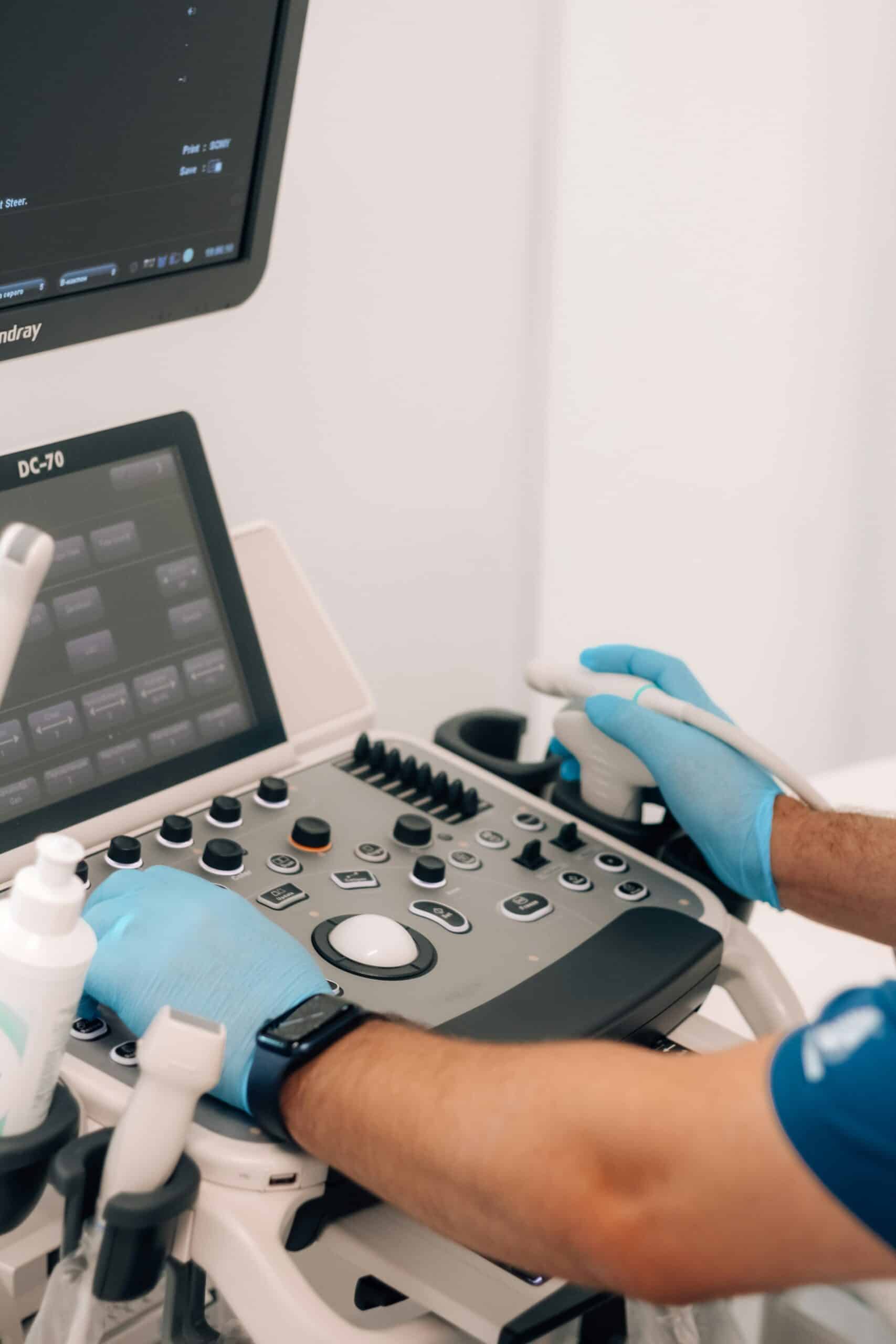
Accurately diagnosing endometriosis can be a complex process, as the condition may present with symptoms that mimic other gynecological disorders. Various diagnostic tools, including pelvic examinations, imaging tests, and in some cases, laparoscopic surgery, are utilized to confirm the presence and extent of endometriosis.
Understanding the diagnostic process and the role of different healthcare professionals, such as gynecologists and endometriosis specialists, can empower individuals to advocate for their health and obtain the appropriate care and treatment options.
Endometriosis Treatment Approaches
The management of endometriosis involves a multifaceted approach, including both medical and surgical interventions. Hormone therapy, pain medication, and lifestyle modifications may be employed to alleviate symptoms and slow the progression of the condition.
In more severe cases, surgical procedures, such as laparoscopic excision or ablation of endometrial lesions, may be recommended to improve symptoms and potentially restore fertility. Understanding the various treatment options and their potential benefits and risks is crucial for individuals to make informed decisions about their healthcare.
Endometriosis and Reproductive Health
Endometriosis can have a significant impact on an individual's reproductive health, including reduced fertility and increased risk of pregnancy complications. Addressing the relationship between endometriosis and fertility is essential for those seeking to conceive, as early intervention and tailored treatment strategies can improve the chances of successful pregnancy.
Additionally, understanding the potential impact of endometriosis on pregnancy outcomes, such as an increased risk of preterm birth or placental complications, can help individuals and their healthcare providers develop appropriate management plans during pregnancy.