
Endometriosis does not always end at menopause; instead, the menopausal transition commonly reshapes how lesions behave and how symptoms present. Recent research shows that perimenopausal hormone fluctuation—marked by erratic estrogen and falling progesterone—can trigger inflammatory signaling in endometriotic tissue and amplify pain through central sensitization. This article explains what to expect during perimenopause and after menopause, reviews diagnostic considerations for older patients, and outlines treatment and surveillance strategies tailored to menopausal physiology. For readers seeking specialist input, Endo Excellence Center and Dr. Rachael Haverland (Mayo Clinic–trained, board-certified) provide multidisciplinary evaluation and advanced excision surgery when indicated. You will learn how perimenopause can worsen or alter symptoms, when endometriosis can persist or appear after menopause, how hormone replacement therapy (HRT) may affect disease activity, what advanced treatments are recommended for postmenopausal patients, and practical approaches to living well during and after the menopausal transition.
How Does Perimenopause Affect Endometriosis Symptoms?

Perimenopause is the multi-year transition before menopause characterized by irregular ovulation and fluctuating estrogen and progesterone levels, which can provoke intermittent activation of endometriotic implants and increased pelvic pain. Erratic estrogen surges during perimenopause stimulate local aromatase activity in lesions, increasing prostaglandin-mediated inflammation and nociceptor sensitization; this mechanism often translates into episodic flare-ups of symptoms. Clinically, patients may report changes in pain timing, heavier or irregular bleeding, or new bowel and bladder symptoms that differ from their earlier reproductive-phase pattern. Understanding these hormonal dynamics helps clinicians anticipate symptom variability and tailor investigations or therapies to the fluctuating endocrine milieu.
Perimenopausal hormonal instability also affects systemic symptoms such as sleep disturbances and mood, which interact with pain processing and can worsen perceived symptom burden. These overlapping effects underscore the importance of distinguishing endocrine-driven flares from other causes of pelvic pain, since management strategies differ. The next sections break down the specific hormonal shifts and explain why these fluctuations often precipitate symptomatic changes.
What Hormonal Changes Occur During Perimenopause?
Perimenopause involves a progressive decline in ovarian reserve with intermittent anovulatory cycles and irregular luteal function, producing wide swings in circulating estradiol and progesterone. Early in perimenopause, ovarian follicles may still produce high estrogen intermittently, while progesterone production falls with increasing anovulation, creating periods of relative estrogen dominance that stimulate endometrial-like tissue. This shifting endocrine environment increases local inflammatory mediators through upregulated aromatase and estrogen receptor activity in ectopic implants, enhancing lesion metabolic activity. Clinically, these endocrine shifts explain why some people experience transient improvements while others have sudden worsening of pelvic pain or new gastrointestinal and urinary complaints.
The interplay between systemic hormones and local tissue aromatase means that even decreasing average estrogen levels do not eliminate the potential for lesion activation. Recognizing these patterns prompts targeted symptom tracking and informs decisions about medical suppression versus surgical management in perimenopausal patients.
Why Do Endometriosis Symptoms Flare Up in Perimenopause?
Endometriosis flares in perimenopause result from episodic estrogen stimulation of lesion biology and heightened nociceptive signaling both peripherally and centrally. Estrogen promotes angiogenesis and prostaglandin production within lesions, which increases local inflammation and nerve ingrowth; at the same time, repeated pain episodes can create central sensitization, lowering the threshold for pain perception. Ovulatory cycles and bleeding events, when present, mechanically irritate peritoneal implants and adhesions, producing cyclical symptom peaks even as overall ovarian function declines. Case examples show patients who previously had stable pain developing unpredictable severe flares during mid-to-late perimenopause, illustrating this mechanism.
Because inflammation and sensitization feed into one another, addressing only peripheral lesion activity without pain-modulating therapy may leave patients symptomatic. The next subsection lists the typical symptom patterns to help clinicians and patients recognize when specialist evaluation is warranted.
Which Symptoms Are Common During Perimenopausal Endometriosis Flare-Ups?
Perimenopausal flare-ups often present with a mix of gynecologic and visceral symptoms that can differ from earlier reproductive-phase patterns and may mimic other conditions. Common manifestations include worsening pelvic pain that is less cyclic and more constant, new or increased bowel symptoms (constipation, pain with defecation), bladder urgency or pain, heavier or irregular vaginal bleeding, and persistent dyspareunia. Red flags prompting urgent evaluation include sudden severe pelvic pain, palpable adnexal mass, or signs of urinary or bowel obstruction—these require prompt specialist assessment.
For patients and clinicians tracking symptoms, note that overlapping menopause-related issues such as pelvic floor dysfunction and urogenital atrophy can mimic or accentuate endometriosis complaints. Early recognition of these patterns supports timely imaging or referral to an endometriosis specialist when indicated.
Does Endometriosis Persist or Disappear After Menopause?
Endometriosis commonly diminishes after menopause due to lower ovarian estrogen production, but disease persistence or reactivation occurs in a minority of patients and de novo postmenopausal cases are documented. Epidemiologic summaries indicate that a small proportion—commonly cited in the range of about 2–5%—continue to have symptomatic or histologically confirmed disease after menopause, especially when exogenous estrogen exposure, obesity, or local aromatase activity sustains lesion stimulation. Mechanistically, ectopic endometrial tissue can produce estrogen locally via aromatase or respond to peripheral conversion of androgens in adipose tissue, enabling lesion persistence despite ovarian senescence. Clinicians should therefore not assume symptoms will resolve automatically at menopause and should investigate persistent or new postmenopausal pelvic complaints.
Can Endometriosis Develop Anew After Menopause?
Although less common, de novo endometriosis after menopause can occur, and documented risk factors include unopposed exogenous estrogen (including certain approaches), obesity with increased peripheral aromatization, and persistent local aromatase expression within pelvic tissues. These mechanisms allow estrogenic stimulation of peritoneal or ovarian tissues even when ovarian function has ceased, creating conditions conducive to the growth or emergence of endometriotic lesions. Clinically, patients with new pelvic pain, adnexal masses, or unexplained pelvic symptoms after menopause warrant evaluation for both benign and malignant causes, with attention to modifiable risks such as unopposed estrogen exposure.
Risk mitigation strategies include careful selection, weight management, and prompt investigation of new symptoms; the following section differentiates symptom presentations in the postmenopausal population.
What Are the Typical Symptoms of Postmenopausal Endometriosis?
Postmenopausal endometriosis tends to present with chronic pelvic pain that may be less cyclic, palpable adnexal masses or ovarian cysts, bowel or bladder dysfunction, and, less commonly, abnormal uterine bleeding when residual endometrial tissue is present. These manifestations often overlap with more common postmenopausal disorders such as ovarian neoplasms or pelvic organ prolapse, making clinical distinction challenging without imaging and, in many cases, surgical assessment. Red flags include progressive pelvic mass growth, unexplained weight loss, or new-onset gastrointestinal or urinary obstruction symptoms, which require expedited evaluation to exclude malignancy.
Accurate symptom characterization directs the diagnostic workup, which balances imaging utility with the need for definitive tissue diagnosis when suspicion is high.
How Is Endometriosis Diagnosed in Postmenopausal Women?
Diagnosis in postmenopausal women relies on a combination of targeted imaging, laboratory evaluation, and often surgical exploration with excision and histopathology for definitive confirmation. Transvaginal ultrasound and MRI can identify adnexal masses and deep infiltrating disease, but both have limitations distinguishing benign endometriotic lesions from neoplasia; tumor markers such as CA-125 are nonspecific in this age group. Diagnostic laparoscopy with complete excision of suspicious lesions remains the gold-standard approach because tissue histology both confirms endometriosis and excludes malignant transformation. Specialist referral is recommended when imaging shows suspicious lesions, when symptoms persist despite conservative measures, or when malignancy cannot be excluded noninvasively.
Timely surgical diagnosis allows both treatment and essential pathologic evaluation, which informs further management decisions.
How Does Hormone Replacement Therapy Impact Endometriosis After Menopause?

HRT can improve menopausal symptoms but carries variable risks for reactivating or exacerbating endometriosis depending on formulation and route. In general, unopposed systemic estrogen presents the highest theoretical risk of stimulating residual endometriotic implants, whereas combined estrogen-progestogen regimens and localized low-dose vaginal therapies are associated with lower reactivation risk. Clinical decision-making should weigh the severity of menopausal symptoms against the patient’s endometriosis history and prioritize individualized plans with surveillance when systemic estrogen is used. The table below compares common formulations and their relative impact on endometriosis activity to guide conversations between patients and clinicians.
What Types of HRT Affect Endometriosis Symptoms?
Different types influence endometriosis risk through their systemic estrogen exposure and progestogen support; estrogen-only preparations carry the clearest potential for stimulating residual implants, while combined estrogen–progestogen therapies provide a protective progestational effect that can suppress endometrial-like tissue. Transdermal delivery may reduce systemic peaks compared with oral routes, facilitating dose adjustments that mitigate stimulation of peripheral aromatase activity, while local vaginal estrogen offers symptomatic relief for urogenital atrophy with minimal systemic absorption. Choice of formulation should therefore reflect both menopausal symptom burden and the patient’s endometriosis history, with specialist consultation when prior severe disease or excised lesions are present.
Shared decision-making between menopause clinicians and endometriosis specialists helps balance quality-of-life benefits with recurrence risk.
Can HRT Reactivate or Worsen Endometriosis?
Yes—systemic unopposed estrogen can reactivate or worsen endometriosis by directly stimulating estrogen receptors in ectopic tissue and increasing local inflammatory mediator production, but the magnitude of risk varies with formulation, dose, and patient factors. Observational data and case series have documented reactivation in some patients given estrogen-only , whereas combined regimens and low-dose localized treatments report fewer such events. Precautions include preferential use of combined estrogen–progestogen when appropriate, considering transdermal routes for dose control, and instituting follow-up plans that monitor symptoms and, if needed, imaging. Ultimately, careful counseling and specialist input reduce the likelihood of unrecognized reactivation.
How Should Women With Endometriosis Approach HRT Decisions?
Women with a history of endometriosis should approach through a structured shared decision-making process that assesses prior disease severity, current symptom burden, comorbid risks, and monitoring capacity. Steps include documenting surgical history and pathology, evaluating current symptoms and imaging, discussing HRT formulations (favoring combined regimens when appropriate), and establishing a surveillance schedule with symptom tracking and periodic imaging as indicated. Referral to an endometriosis specialist is recommended for those with complex surgical histories, prior deep infiltrating disease, or concerns about recurrence risk. This collaborative framework ensures menopausal quality-of-life gains while minimizing potential disease reactivation.
What Are the Advanced Treatment Options for Endometriosis After Menopause?

Management of symptomatic or suspicious endometriosis after menopause ranges from conservative surveillance to definitive surgical excision, with excision surgery considered the gold-standard when lesions are symptomatic, enlarging, or of uncertain nature. Indications for surgery include persistent pelvic pain refractory to non-surgical measures, adnexal masses of unclear significance, or any concern for malignant transformation based on imaging or clinical features. Complete excision allows symptom relief, reduces recurrence risk, and provides tissue for histopathologic analysis to exclude malignancy—benefits particularly salient in postmenopausal patients. A multidisciplinary approach optimizes outcomes by integrating gynecologic surgery with colorectal or urologic expertise when deep infiltrating disease involves adjacent organs.
Why Is Excision Surgery the Gold Standard for Postmenopausal Endometriosis?
Excision surgery targets complete removal of endometriotic implants and adhesions, reducing the tissue reservoir that can sustain inflammation and pain, and it provides specimens for histopathologic assessment to rule out malignant transformation. Compared with surface ablation, complete excision decreases recurrence and improves long-term symptom control because it addresses deep infiltrating disease and involved organ surfaces that ablation may leave behind. In postmenopausal patients, the diagnostic value of excision is especially important, as pathology can distinguish benign endometriosis from atypia or neoplasia. The expectation of better outcomes with meticulous excision supports referral to surgeons experienced in complex minimally invasive techniques when disease involves bowel, bladder, or extensive adhesions.
Surgical planning often benefits from preoperative imaging and multidisciplinary input to ensure comprehensive disease clearance and organ preservation when possible.
How Does Dr. Rachael Haverland’s Expertise Enhance Surgical Outcomes?
Dr. Rachael Haverland brings Mayo Clinic–based surgical training and board certification to complex endometriosis care, emphasizing complete excision using minimally invasive techniques that aim to reduce recurrence and preserve organ function. Surgeon experience correlates with higher rates of complete lesion removal, lower complication rates, and improved functional outcomes; a specialist trained in advanced excision and pelvic anatomy is therefore central to optimal postmenopausal management. The Endo Excellence Center applies a patient-centered model combining surgical precision with tailored perioperative planning, which can shorten recovery and clarify postoperative surveillance needs. Patients interested in specialist evaluation or a surgical consultation may contact the center to discuss individualized treatment planning and next steps at (214) 281-4460.
What Multidisciplinary Care Supports Menopausal Endometriosis Patients?
A coordinated team including gynecologic surgeons, colorectal specialists, urologists, pelvic floor physical therapists, pain medicine specialists, and behavioral health providers addresses the multifaceted needs of menopausal endometriosis patients. Colorectal or urologic consultation is crucial when lesions infiltrate bowel or bladder, while pelvic floor therapy and neuromodulatory pain interventions can complement surgical and pharmaceutical approaches to improve function. Pain specialists offer neuropathic agents, nerve blocks, and coordinated multimodal analgesia; mental health providers assist with coping strategies for chronic pain-related mood and sleep disturbances. This integrated pathway reduces fragmentation of care and promotes recovery by addressing both lesion eradication and symptom modulation.
How Can Women Live Well With Endometriosis During and After Menopause?
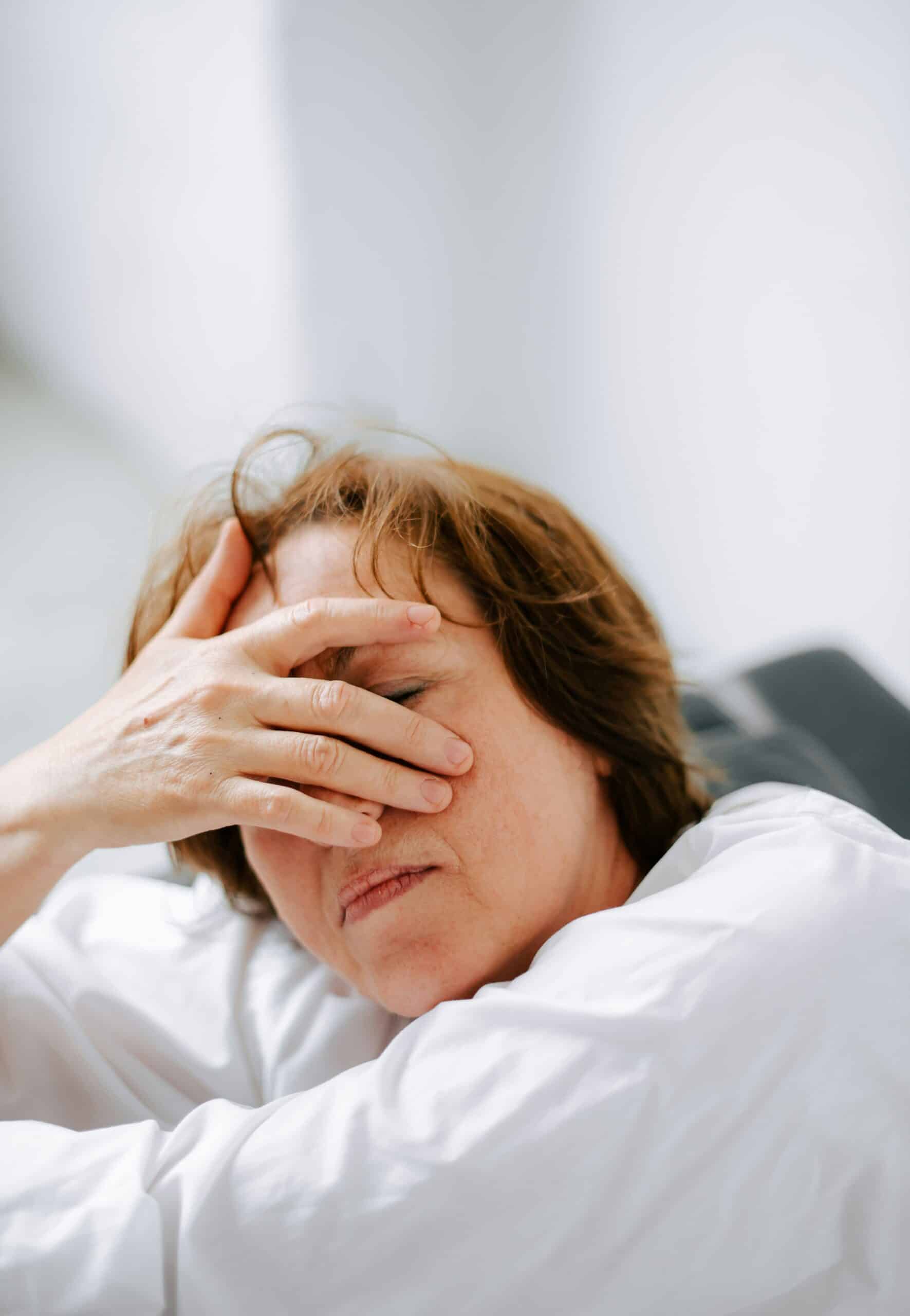
Living well with endometriosis in the menopausal years combines evidence-based pain control, lifestyle modifications that reduce systemic inflammation, and vigilant surveillance for concerning changes. Non-hormonal pain strategies and targeted physical therapies can significantly improve daily function, while diet, exercise, weight management, sleep optimization, and stress reduction lower the inflammatory milieu that contributes to symptom expression. Surveillance plans tailored to individual risk—including periodic imaging and symptom review—help detect potential complications, including the small but present risk of malignant transformation. Below are practical management strategies and a comparative table summarizing pain-control options to guide shared care planning.
What Pain Management Strategies Are Effective for Chronic Pelvic Pain?
Effective chronic pelvic pain management in menopausal endometriosis blends anti-inflammatory medications, neuropathic agents, interventional procedures, and rehabilitative therapies tailored to an individual’s pain phenotype. Short courses of NSAIDs address prostaglandin-driven pain, while gabapentin or similar agents target central sensitization; nerve blocks can provide diagnostic and therapeutic benefit in refractory cases. Pelvic floor physical therapy addresses myofascial contributors, and cognitive behavioral therapy or mindfulness-based approaches help patients reframe pain and improve coping, which in turn can reduce perceived pain intensity. Combining these modalities within a coordinated care plan often produces superior symptom control compared with single-modality treatment.
These strategies are best integrated through multidisciplinary teams that monitor efficacy and side effects, leading into lifestyle-based adjuncts discussed next.
How Do Lifestyle Adjustments Support Endometriosis Symptom Relief?
Lifestyle measures—regular moderate exercise, weight management, an anti-inflammatory dietary pattern, good sleep hygiene, and stress reduction—support lower systemic inflammation and improved pain thresholds in menopausal endometriosis. Exercise promotes endorphin-mediated analgesia, weight loss reduces peripheral aromatase activity that can fuel local estrogen production, and diets emphasizing whole foods and omega-3 fats may reduce inflammatory mediators linked to pain. Sleep optimization and stress-management techniques diminish central sensitization, improving overall symptom control and quality of life. Patients who combine lifestyle strategies with medical or surgical treatment usually report better long-term outcomes and resilience against symptom flare-ups.
Adopting these changes is practical and complements medical care; the next subsection examines the small but important risk of malignant transformation and monitoring approaches.
What Is the Risk of Malignant Transformation in Postmenopausal Endometriosis?
Malignant transformation of endometriosis is rare but clinically significant, with published estimates typically ranging roughly from 0.7% to 2.5% depending on study populations and detection methods; the ovary is the most common site when malignant change occurs. Mechanisms proposed include long-standing endometriotic cysts undergoing atypical hyperplasia and the pro-oncogenic effects of unopposed estrogen or chronic inflammation. Clinically, progressive adnexal masses, rapid lesion growth, or new systemic symptoms should prompt expedited evaluation including imaging and consideration of surgical excision with histopathology. Surveillance strategies are individualized but emphasize prompt assessment of new or changing findings rather than routine invasive testing in all patients.
Balanced vigilance ensures early detection while avoiding unnecessary procedures for stable, asymptomatic lesions.
Frequently Asked Questions
What lifestyle changes can help manage endometriosis symptoms during menopause?
Adopting a healthy lifestyle can significantly alleviate endometriosis symptoms during menopause. Regular moderate exercise helps reduce inflammation and improve pain thresholds, while a balanced diet rich in whole foods and omega-3 fatty acids can lower inflammatory mediators. Additionally, maintaining a healthy weight can decrease estrogen production from adipose tissue, which may exacerbate symptoms. Prioritizing good sleep hygiene and stress management techniques, such as mindfulness or yoga, can also enhance overall well-being and symptom control during this transitional phase.
How can I differentiate between endometriosis pain and other pelvic pain conditions?
Distinguishing endometriosis pain from other pelvic pain conditions can be challenging. Endometriosis typically presents as chronic pelvic pain that may be less cyclic and more constant, often accompanied by bowel or bladder dysfunction. Symptoms may also include dyspareunia (pain during intercourse) and irregular bleeding. Keeping a detailed symptom diary can help identify patterns and triggers. If you experience sudden severe pain, new masses, or changes in bowel or urinary habits, it’s essential to seek evaluation from a healthcare professional for accurate diagnosis and management.
What role does diet play in managing endometriosis symptoms?
Diet can play a crucial role in managing endometriosis symptoms by reducing systemic inflammation. An anti-inflammatory diet, rich in fruits, vegetables, whole grains, and omega-3 fatty acids, may help alleviate pain and improve overall health. Avoiding processed foods, trans fats, and excessive sugar can also be beneficial. Some women find relief by tracking their food intake and identifying potential dietary triggers. Consulting with a nutritionist who specializes in endometriosis can provide personalized dietary strategies to support symptom management.
Are there any non-hormonal treatments for endometriosis after menopause?
Yes, there are several non-hormonal treatment options for managing endometriosis after menopause. These include pain management strategies such as nonsteroidal anti-inflammatory drugs (NSAIDs), neuropathic agents like gabapentin, and interventional procedures such as nerve blocks. Physical therapy, particularly pelvic floor therapy, can also be effective in addressing pain and dysfunction. Additionally, lifestyle modifications, including exercise and dietary changes, can support symptom relief and improve quality of life without the use of hormones.
What should I do if I experience new symptoms after menopause?
If you experience new symptoms after menopause, such as pelvic pain, abnormal bleeding, or changes in bowel or bladder function, it’s important to seek medical evaluation. These symptoms may indicate the persistence or reactivation of endometriosis or other underlying conditions. A thorough assessment, including imaging and possibly surgical exploration, may be necessary to determine the cause. Early intervention is key to managing symptoms effectively and ruling out more serious conditions.
How can I prepare for a consultation with an endometriosis specialist?
Preparing for a consultation with an endometriosis specialist involves gathering relevant medical history and symptom details. Document your symptoms, including their frequency, intensity, and any triggers. Bring records of previous treatments, surgeries, and imaging results. It may also be helpful to prepare questions about treatment options, potential risks, and lifestyle modifications. Being open about your concerns and goals for treatment will facilitate a productive discussion and help the specialist tailor a management plan to your needs.
Does Endometriosis Go Away After Menopause?
Endometriosis often improves after menopause, but it does not universally disappear; studies estimate a small proportion of cases—commonly cited around 2–5%—persist or become symptomatic postmenopausally. Persistence is more likely with factors that maintain estrogenic stimulation such as obesity or exogenous estrogen exposure. Patients with ongoing pelvic pain or new masses after menopause should seek evaluation to determine whether residual disease or another pathology is present.
Can Endometriosis Symptoms Worsen During Perimenopause?
Yes—perimenopausal hormonal fluctuations frequently cause flare-ups by creating intermittent estrogen dominance and reduced progesterone support, which stimulate lesions and increase inflammatory signaling. These flares often present as changes in pain pattern, new bowel or bladder symptoms, or irregular bleeding. Management includes symptom tracking, medical suppression where appropriate, and specialist referral for persistent or severe symptoms.
What Treatments Are Available for Postmenopausal Endometriosis?
Treatment options range from surveillance for asymptomatic lesions to medical suppression for mild symptoms and complete surgical excision for symptomatic or suspicious lesions; excision is favored when diagnostic clarity and durable symptom relief are priorities. Multidisciplinary care optimizes outcomes when disease involves bowel or bladder, and non-hormonal pain-management strategies support symptom control regardless of definitive therapy. Discuss individual risks and benefits with your care team to select the most appropriate path.
Can Hormone Replacement Therapy Affect Endometriosis After Menopause?
can affect endometriosis—systemic unopposed estrogen has the highest potential to reactivate disease, while combined estrogen–progestogen regimens and local vaginal therapies generally pose lower risk. Decisions about should be individualized, taking into account prior disease severity and surveillance plans, and made in consultation with an endometriosis specialist when history is complex.
Is It Possible to Get Endometriosis After Menopause?
Yes—de novo postmenopausal endometriosis can occur, often linked to exogenous estrogen exposure, obesity-related peripheral aromatization, or local aromatase activity. New pelvic pain or masses after menopause warrant evaluation to determine cause, and referral to a specialist is recommended when imaging or symptoms raise concern.
- If you have persistent or new pelvic pain after menopause, seek specialist assessment.
- If you are considering HRT with a history of endometriosis, discuss risks and monitoring with your clinician.
- Lifestyle measures and multidisciplinary pain care can substantially improve function during the menopausal transition.
Conclusion
Understanding how menopause influences endometriosis symptoms is crucial for effective management and improved quality of life. By recognizing the hormonal changes and their impact on symptom presentation, patients can make informed decisions about treatment options. Engaging with specialists and exploring tailored management strategies can significantly enhance outcomes during this transitional phase. For personalized support and expert guidance, consider reaching out to the Endo Excellence Center today.