

Even after menopause, endometriosis can persist or become symptomatic, continuing to cause pelvic pain, organ dysfunction, or, in rare cases, even malignant changes. This guide is here to help you understand why endometriosis can remain active after menopause, how its symptoms might differ from typical menopausal experiences, and the personalized diagnostic and treatment paths available for women in this stage of life. You’ll learn to recognize important signs—like postmenopausal bleeding or a rapidly growing pelvic mass—understand the role of imaging and laparoscopy, and explore medical and surgical options, including gold-standard excision surgery, aromatase inhibitors, and HRT considerations. We also cover strategies for living well: multidisciplinary follow-up, pelvic floor rehabilitation, effective pain management, and realistic monitoring plans. Our goal is to provide clear, evidence-based insights and actionable next steps for women seeking expert evaluation for postmenopausal pelvic symptoms.
Understanding Postmenopausal Endometriosis: Why Does It Persist?
Postmenopausal endometriosis occurs when endometrial-like tissue persists or appears anew after 12 months without menstruation. It can persist because remaining lesions may thrive on local estrogen production, external hormones, or new biological pathways. Even when ovarian estrogen levels drop, local aromatase activity within these lesions can produce estradiol, sustaining them. Additionally, systemic factors like hormone replacement therapy (HRT) can further stimulate any lingering disease. Understanding this persistence is crucial because symptoms can be specific to certain organs, remain hidden for years, or manifest as unusual signs like postmenopausal bleeding or adnexal masses, which demand careful investigation. Recognizing these underlying mechanisms highlights why a focused evaluation and expert guidance are so vital for older women experiencing pelvic concerns.
How Endometriosis Impacts Women After Menopause
After menopause, endometriosis primarily causes localized pelvic symptoms that point to specific organ involvement, rather than the cyclical pain experienced before. Common patterns include chronic pelvic pain, bowel issues, and bladder discomfort. When lesions infiltrate the bowel or bladder, they can lead to painful bowel movements (dyschezia), rectal bleeding, urinary urgency, or painful urination (dysuria). These symptoms often resemble other age-related conditions, making diagnosis more complex. For some women, endometriomas (ovarian cysts) may persist or become symptomatic, sometimes discovered incidentally during imaging. Their behavior in postmenopausal women requires thorough evaluation, as their characteristics can differ from those seen before menopause. Understanding this organ-specific impact naturally leads us to consider the hormonal and risk factors that can sustain or reactivate these lesions.
What Hormonal and Risk Factors Influence Postmenopausal Endometriosis?
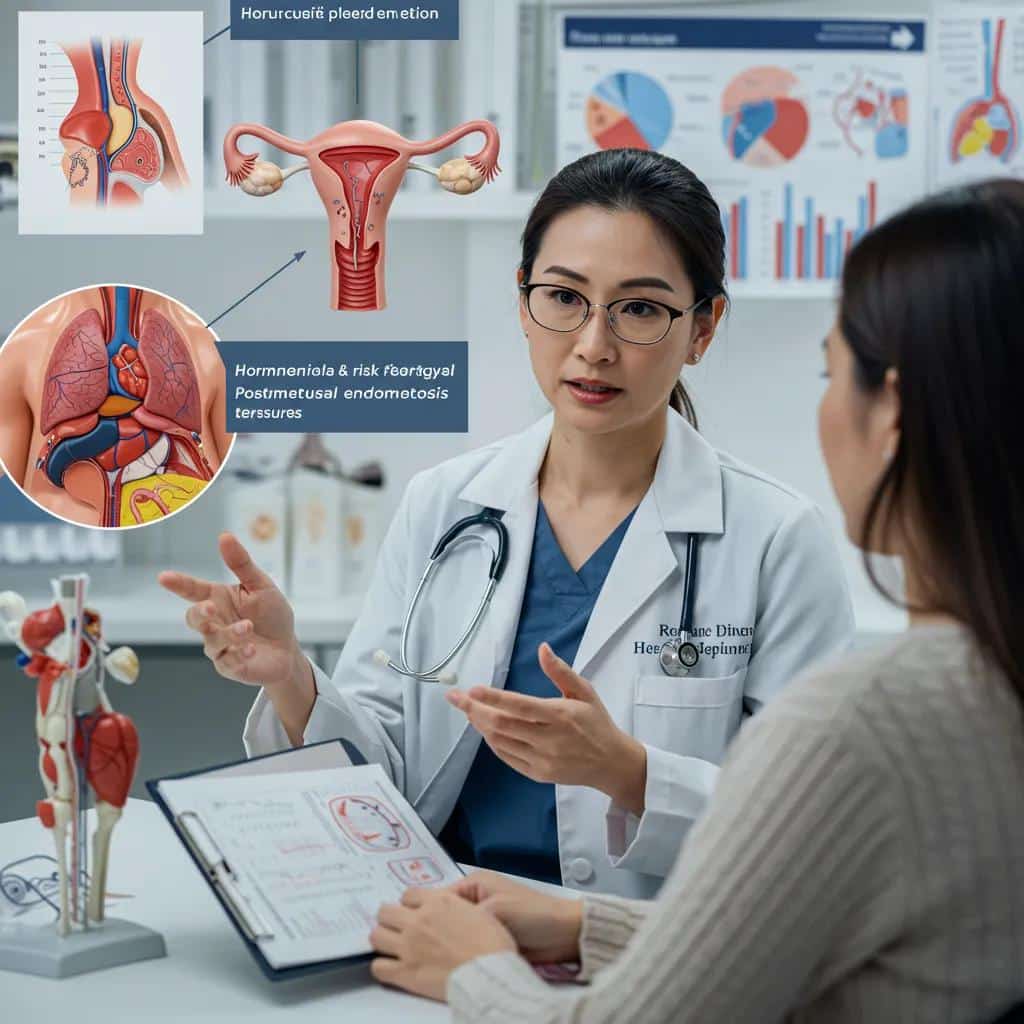
Several factors can contribute to persistent or recurrent endometriosis after menopause. These include a history of endometriosis, the use of estrogen-containing hormone replacement therapy (HRT), increased body fat (adiposity) which can lead to peripheral conversion of androgens to estrogens, and certain medications like selective estrogen receptor modulators. Within the ectopic tissue itself, local aromatase activity can create a localized source of estrogen, allowing lesions to survive even without ovarian function. External estrogen exposure—particularly unopposed estrogen—can further increase the likelihood of symptoms returning. Other contributing factors include microscopic implants left behind after previous surgery and certain medications (such as some breast cancer therapies) that affect estrogen signaling. These important risk considerations highlight why personalized treatment planning is essential when evaluating the benefits of HRT against the potential risk of recurrence.
The potential for endometriosis to persist or recur after menopause is influenced by various hormonal and risk factors, with exogenous estrogen exposure being a significant contributor.
Can Endometriosis Develop or Recur After Hysterectomy or Menopause?
Yes, endometriosis can recur or persist even after a hysterectomy, because the procedure doesn’t always guarantee the removal of all ectopic tissue. Ovarian and extra-uterine lesions can remain and continue to be hormonally active. Recurrence might stem from microscopic residual implants, adenomyotic remnants, or new lesion formation driven by local estrogen production. For women experiencing persistent symptoms after a hysterectomy—or new pelvic concerns after menopause—a specialist assessment is crucial to determine if imaging or diagnostic laparoscopy is needed. Monitoring plans should always be individualized, taking into account symptom severity, previous disease extent, and any risk factors for malignant changes.
Key Symptoms of Endometriosis After Menopause
Endometriosis after menopause usually presents with symptoms focused on specific organs, rather than the cyclical pain tied to menstruation. Recognizing these signs is key to differentiating endometriosis from common menopausal complaints. The main manifestations include chronic pelvic pain, painful intercourse (dyspareunia), bowel and bladder dysfunction, postmenopausal vaginal bleeding, and ovarian masses. Since systemic menopausal symptoms like hot flashes and mood swings are different from the localized effects of endometriosis, it’s important to pay close attention to specifics—such as pain location, any bowel bleeding, urinary symptoms, and any noticeable masses—to guide imaging and specialist referral. Prompt recognition of warning signs like heavy postmenopausal bleeding or a rapidly growing pelvic mass can lead to urgent evaluation and prevent diagnostic delays.
Here are some common symptom patterns to help you recognize potential signs:
- Chronic pelvic pain that is constant or intermittent and not tied to your menstrual cycle.
- Gastrointestinal issues like painful bowel movements, constipation, or rectal bleeding.
- Urinary symptoms including urgency, frequent urination, or painful urination, which may indicate bladder involvement.
These symptom patterns help guide diagnostic steps and distinguish endometriosis from other conditions like menopausal atrophy, IBS, or interstitial cystitis.
How Pelvic Pain Manifests in Postmenopausal Endometriosis
Pelvic pain in postmenopausal endometriosis is typically chronic and localized, rather than the cyclical pain experienced before. Women often describe a deep, constant discomfort that can intensify with bowel movements or sexual activity. This pain might be neuropathic if lesions affect pelvic nerves, or if central sensitization has developed from years of untreated pain, which can make it harder to respond to standard pain relievers. Carefully evaluating the nature of your pain, its triggers, and your past pain history helps distinguish endometriosis from musculoskeletal or nerve-related pain syndromes. If pelvic pain is severe, persistent, or worsening, a referral to a specialist for targeted imaging and consideration of diagnostic laparoscopy is the appropriate next step.
What Gastrointestinal and Urinary Symptoms to Watch For
When endometriosis involves the gastrointestinal or urinary systems, it can lead to symptoms like constipation, painful bowel movements, diarrhea, rectal bleeding, urinary urgency, and painful urination (dysuria). These organ-specific signs often suggest deep infiltrating disease. Localized symptoms (for example, pain in the rectovaginal septum or bladder) should raise suspicion for direct infiltration and may lead to an MRI for detailed mapping before any surgery. Since these symptoms can overlap with conditions like IBS or interstitial cystitis, distinguishing features—such as a history of cyclical worsening or localized tenderness during an exam—can point to endometriosis. If imaging indicates organ involvement, a coordinated referral to colorectal or urology specialists can significantly improve diagnostic accuracy and treatment planning.
Abnormal Vaginal Bleeding and Postmenopausal Endometriosis: What’s the Link?
While postmenopausal bleeding can sometimes be caused by endometriosis implants affecting the uterine lining or vaginal tissue, it is always crucial to first rule out endometrial or ovarian cancer. Evaluation typically involves endometrial sampling and pelvic imaging to check for localized lesions. We recommend a low threshold for tissue biopsy (histologic assessment) whenever bleeding or suspicious masses are present. Endometriosis-related bleeding indicates active disease and should prompt a specialist assessment to determine if excision or biopsy is needed. Timely investigation of any postmenopausal bleeding is essential to rule out malignancy and ensure you receive safe, evidence-based care.
Other Important Signs: Fatigue, Painful Intercourse, and Ovarian Cysts
Non-specific symptoms like fatigue often stem from the chronic pain, sleep disruption, and inflammation linked to endometriosis. Painful intercourse (dyspareunia) frequently results from deep lesions or pelvic floor dysfunction. Ovarian endometriomas can remain after menopause and may appear as complex masses on ultrasound. These require careful evaluation, as cyst characteristics and your age will influence treatment decisions. Pelvic floor physical therapy, pain neuromodulators, and multidisciplinary interventions are effective in addressing dyspareunia and fatigue. For suspicious ovarian cysts, an MRI assessment is often warranted, and in certain cases, surgical excision may be recommended for a definitive diagnosis.
Diagnosing Postmenopausal Endometriosis in Older Women

Diagnosing endometriosis after menopause involves a careful, stepwise approach: starting with a thorough clinical assessment, moving to targeted imaging, and—if needed—diagnostic laparoscopy with tissue analysis (histology) to confirm the disease. Because the classic cyclical symptoms are absent, clinical suspicion can be more challenging. Therefore, a detailed history focusing on any prior endometriosis, previous surgeries, and organ-specific signs is absolutely crucial. Transvaginal ultrasound and pelvic MRI offer complementary information—ultrasound is excellent for ovarian cysts and masses, while MRI excels at mapping deep infiltrating disease. However, very small peritoneal implants can sometimes be missed, which is why laparoscopy remains the diagnostic gold standard. Close coordination with colorectal or urology specialists further enhances the detection of organ-specific lesions and guides precise surgical planning.
Here are the key diagnostic steps our specialists typically follow:
- A detailed clinical history and pelvic examination to pinpoint specific signs.
- First-line transvaginal ultrasound to evaluate ovarian cysts and masses.
- MRI for suspected deep infiltrating disease or complex anatomical situations.
- Diagnostic laparoscopy with excision and tissue confirmation (histology) when non-invasive tests don’t provide a clear answer.
At specialized centers like ours, access to experienced laparoscopic assessment and advanced imaging significantly streamlines both diagnosis and surgical planning. For patients seeking expert evaluation, we offer specialized diagnostic pathways that combine detailed MRI mapping with laparoscopic assessment. These are delivered through our multidisciplinary teams, who expertly coordinate imaging, surgical planning, and referrals to colorectal or urology colleagues whenever necessary. You may also find Effective MRI for Postmenopausal Endometriosis Diagnosis helpful.
Challenges in Diagnosing Endometriosis After Menopause
Diagnosing endometriosis after menopause can be challenging because the classic cyclical pain patterns are no longer present. Additionally, age-related pelvic conditions like atrophy or other growths (neoplasia) often mimic endometriosis symptoms. The presence of other health conditions (comorbidities) and multiple medications (polypharmacy) in older patients can further complicate the clinical picture, sometimes leading to delayed specialist referral. Small, superficial implants are also difficult to detect with imaging alone, and relying solely on non-invasive tests can result in missed diagnoses. Recognizing these obstacles underscores the importance of seeking early specialist referral, especially when organ-specific symptoms or warning signs are present. Read more in Understanding Endometriosis Symptoms in Menopause – A Guide.
Imaging Techniques for Diagnosing Postmenopausal Endometriosis
Transvaginal ultrasound is often the first tool we use to evaluate ovarian masses and suspected endometriomas. Pelvic MRI, however, offers superior soft-tissue contrast and detailed mapping of deep infiltrating disease and adhesions. MRI is particularly strong at precisely showing rectovaginal and bladder involvement, which is invaluable for planning excision surgery. Still, imaging sensitivity has limits for very small peritoneal implants, meaning a normal ultrasound or MRI doesn’t necessarily rule out the disease if there’s a strong clinical suspicion. Choosing the right imaging method depends on your specific symptoms and what’s needed for surgical planning.
Radiologists play a crucial role in diagnosing postmenopausal endometriosis by identifying characteristic imaging features and considering the possibility of associated malignancies.
When Is Laparoscopy Recommended for a Definitive Diagnosis?
Laparoscopy is recommended when symptoms continue despite negative or unclear imaging results, when suspicious ovarian masses are present, or when surgical treatment is expected to significantly improve your outcomes. During diagnostic laparoscopy, excising (removing) lesions allows for definitive tissue confirmation and reduces the disease burden, which can greatly improve pain and functional results. For older patients, a thorough pre-operative assessment considers any existing health conditions (comorbidities) and the potential need for multidisciplinary support during surgery, especially if bowel or bladder resection is anticipated. For the most effective results, definitive diagnosis via laparoscopy should ideally be performed by surgeons highly experienced in excision techniques to ensure maximum lesion clearance and minimize recurrence.
How We Differentiate Endometriosis from Other Postmenopausal Conditions
Differentiating endometriosis from other conditions relies on a careful review of your medical history, focused pelvic and rectal examinations, and targeted imaging. This helps us distinguish it from ovarian cancer, atrophic vaginitis, pelvic organ prolapse, IBS, or interstitial cystitis. Key distinguishing features include localized pelvic tenderness, organ-specific signs (like rectal bleeding or historical cyclical patterns), and imaging findings such as complex ovarian cysts or deep infiltrating masses. Our multidisciplinary collaboration with oncology, urology, or colorectal specialists is crucial for clarifying ambiguous cases and ensuring you receive safe, appropriate management.
Effective Treatment Options for Postmenopausal Endometriosis

When considering treatment, we carefully balance symptom control, your overall health (comorbidity), and the potential risk of malignant transformation. Excision surgery is widely recognized as the most definitive option for symptomatic endometriosis in postmenopausal patients. Medical options, such as aromatase inhibitors, can suppress local estrogen production and may be beneficial when surgery isn’t an option or when lesions are hormonally active. However, these require specialist oversight due to their systemic effects. Hormone Replacement Therapy (HRT) demands an individualized assessment; unopposed estrogen might increase the risk of recurrence, while combined regimens or concurrent use of aromatase inhibitors could help reduce this risk in specific cases. Non-hormonal strategies, including pain relievers, pelvic floor therapy, and cognitive behavioral approaches, also play vital roles in providing comprehensive care.
Below is a concise comparison of common treatments and when they are typically used.
This table helps our clinicians weigh options and tailor treatment precisely to your individual priorities and needs.
After exploring treatment options, many patients wonder where to find truly expert surgical care. For those considering surgery or advanced diagnostic evaluation, the Endometriosis Center of Excellence, led by Dr. Rachael Haverland, provides specialized, excision-focused surgical care within a comprehensive multidisciplinary framework. We emphasize minimally invasive laparoscopic excision as the preferred approach for symptomatic postmenopausal endometriosis, working closely with pelvic pain specialists, colorectal surgeons, and urology colleagues to optimize your outcomes and ensure thorough follow-up.
Why Excision Surgery is the Gold Standard for Endometriosis Treatment
Excision surgery aims for the complete removal of ectopic tissue, which reduces inflammation and pain more effectively than superficial ablation. When performed laparoscopically by our experienced surgeons, excision can help restore normal anatomy, alleviate organ-specific symptoms, and lower recurrence rates compared to less definitive techniques. Surgical outcomes are strongly linked to the surgeon’s expertise, especially for deep infiltrating disease affecting the bowel or bladder, making specialist referral absolutely critical. Recovery is typically faster with minimally invasive approaches, and excision also allows for tissue analysis (histology) to rule out any atypical cells or malignancy.
How Hormone Replacement Therapy (HRT) Impacts Postmenopausal Endometriosis
While HRT can significantly improve your quality of life during menopause, it may stimulate any residual endometriosis if unopposed estrogen is used. Therefore, decisions about HRT require careful specialist input. Options to reduce this risk include combined estrogen-progestogen regimens, considering lower estrogen doses, or using aromatase inhibitors concurrently in specific cases. We always balance the symptomatic benefits against the potential risk of recurrence. Shared decision-making—with guidance from gynecologic specialists who deeply understand endometriosis biology—ensures your HRT plan is precisely tailored to your symptom burden, past disease history, and individual risk profile.
Aromatase inhibitors are a relatively new and promising treatment option for postmenopausal endometriosis, particularly when surgery is contraindicated or for recurrent disease, though careful monitoring for side effects is essential.
Non-Hormonal Pain Management Strategies Available
Non-hormonal approaches offer valuable relief and include NSAIDs for inflammatory pain, nerve-specific medications like gabapentinoids for nerve-related discomfort, and pelvic floor physical therapy to address painful intercourse (dyspareunia) and pelvic floor dysfunction. Psychological therapies, such as cognitive behavioral therapy, can also help manage central sensitization and improve coping strategies. We often recommend referral to pain management clinics, incorporating tailored exercise, and adopting lifestyle strategies (like good sleep hygiene and an anti-inflammatory diet) to complement medical therapies. These measures frequently enhance function and quality of life, serving as effective standalone treatments when surgery isn’t preferred, and as crucial adjuncts to surgical care.
Addressing the Risk of Malignant Transformation in Treatment
While malignant transformation of endometriosis is rare, certain signs warrant immediate attention: rapid growth of an ovarian mass, unusual imaging characteristics, or any postmenopausal bleeding. These should prompt prompt excision and tissue analysis (histologic assessment). Our surveillance includes targeted imaging and a low threshold for surgical evaluation if suspicious changes arise. If malignant transformation is suspected, close coordination with oncology for staging and management becomes critical. Early excision of suspicious lesions not only confirms the pathology but also addresses symptomatic disease, highlighting the profound importance of specialist surgical expertise.
Living Well with Postmenopausal Endometriosis

Long-term management is all about controlling your symptoms, restoring function, and ensuring coordinated follow-up to minimize recurrence and preserve your quality of life. Our multimodal approach—combining surgical management when appropriate, medical therapy, physiotherapy, pain management, and psychological support—addresses both the physical and emotional impacts of endometriosis. Regular symptom tracking, patient education about warning signs, and individualized surveillance plans empower both you and our clinicians to detect any concerning changes early. Peer support and structured rehabilitation also play vital roles in helping many women regain activity and social functioning.
Here are practical strategies you can adopt for day-to-day management:
- Track your symptoms, pain triggers, and how you respond to medications to help guide follow-up decisions.
- Engage in pelvic floor rehabilitation and tailored exercise to reduce pain and improve sexual function.
- Seek psychological support or cognitive behavioral therapies to manage the emotional impact of chronic pain.
These practical approaches can lead to meaningful improvements in your daily functioning and overall quality of life, complementing any medical or surgical interventions as needed.
Emotional and Quality of Life Impacts of Postmenopausal Endometriosis
Chronic pain and organ dysfunction can deeply affect your sleep, mood, intimate relationships, and daily activities, often contributing to anxiety and depressive symptoms. Addressing this psychosocial dimension through counseling, peer support, and symptom-focused rehabilitation can significantly improve coping and enhance the effectiveness of medical or surgical treatments. Acknowledging the emotional burden as a vital part of comprehensive care leads to better long-term outcomes and greater patient satisfaction. By integrating mental health resources into our care plans, we ensure that your treatment addresses you as a whole person, not just the physical disease.
How Multidisciplinary Approaches Enhance Symptom Management
Our multidisciplinary teams—bringing together experts in gynecology, colorectal surgery, urology, pelvic physiotherapy, pain medicine, and mental health—create coordinated plans that effectively target complex disease and reduce the need for repeated procedures. For instance, combining preoperative MRI mapping with intraoperative colorectal collaboration allows for the safe, complete excision of bowel-involved lesions, optimizing your symptom relief and minimizing complications. This coordinated care also streamlines postoperative rehabilitation and ongoing monitoring, improving functional outcomes and building your confidence in continuous, seamless care. Such integrated approaches are especially valuable for older patients with multiple health conditions and complex endometriosis.
Where to Find Support and Real-Life Success Stories
We believe in empowering our patients with comprehensive support. Resources include advocacy organizations, peer-led groups, and anonymized success stories from our clinic that illustrate various treatment pathways and realistic outcomes. Reading these de-identified patient journeys can help set expectations about recovery timelines after excision surgery and the roles of complementary therapies. Our clinician-led support options connect you to essential services like pelvic physiotherapy and pain management, increasing your access to multidisciplinary care. These resources are designed to help you feel less isolated and provide practical tips for living well while navigating your clinical care.
At the Endometriosis Center of Excellence, we provide extensive multidisciplinary support resources, including coordinated referrals to pelvic floor physiotherapy, pain management, and counseling services as an integral part of your ongoing care. We utilize anonymized patient pathways to help inform expectations and facilitate shared decision-making with all our prospective patients.
Can Endometriosis Persist or Recur After Menopause?
Yes, it can. Endometriosis can persist or recur after menopause due to residual implants, local estrogen production driven by aromatase, or exposure to external estrogens. This is why any new pelvic symptoms after menopause warrant a specialist evaluation. Management often begins with targeted imaging and may progress to diagnostic laparoscopy if your symptoms or imaging findings suggest active disease.
How Postmenopausal Endometriosis Differs from Typical Menopausal Symptoms
Endometriosis typically leads to organ-focused issues—like pelvic pain, painful intercourse (dyspareunia), or bowel and bladder symptoms—whereas menopausal symptoms are generally systemic, such as hot flashes, night sweats, and mood changes. Any postmenopausal bleeding, localized pelvic pain, or new ovarian masses should always prompt an evaluation for endometriosis or other underlying conditions, rather than being solely attributed to menopause.
Signs That Require Immediate Medical Attention
Please seek urgent medical care if you experience heavy postmenopausal bleeding, severe acute abdominal pain, fever (which could suggest infection), or a rapidly enlarging pelvic mass. These signs may indicate serious complications such as hemorrhage, ovarian torsion, infection, or possible malignant transformation, and they require prompt assessment. Knowing the difference between an emergency and an urgent outpatient referral helps ensure you receive timely intervention.
How Effective is Excision Surgery for Postmenopausal Patients?
Excision surgery is highly effective for providing symptomatic relief, especially when complete removal of lesions is achieved, particularly for deep infiltrating disease. Outcomes depend on the extent of the disease and the surgeon’s expertise. Older patients can greatly benefit from minimally invasive laparoscopic excision when it’s a feasible option. Our multidisciplinary collaboration during surgery further enhances safety and completeness for complex lesions.
Can Hormone Replacement Therapy (HRT) Trigger Endometriosis Recurrence?
HRT can potentially stimulate residual endometriosis, depending on the specific formulation. Unopposed estrogen carries a higher theoretical risk, while combined regimens or additional strategies can help reduce this stimulation. We strongly recommend shared decision-making with a specialist who deeply understands endometriosis biology before starting HRT. It’s important to consider alternatives or mitigating strategies, such as combined therapy or close monitoring, to ensure the best approach for you.
If you’re wondering about your next steps, we encourage you to consult a specialist if you experience persistent organ-specific pelvic symptoms, postmenopausal bleeding, or have suspicious imaging findings. The Endometriosis Center of Excellence, along with other specialized multidisciplinary programs, offers clear diagnostic pathways and comprehensive treatment planning for complex postmenopausal endometriosis.
Why Choose the Endometriosis Center of Excellence for Postmenopausal Endometriosis Treatment?
At the Endometriosis Center of Excellence, our focus is on providing personalized, multidisciplinary care for endometriosis, with a strong emphasis on excision surgery as the gold standard for definitive management. Our mission is to help women live pain-free by combining advanced minimally invasive surgical techniques with coordinated postoperative support. This includes referrals for pelvic physiotherapy, expert pain management, and emotional well-being resources. As a leading resource, we are dedicated to guiding patients through evidence-based options and facilitating access to specialized surgical care whenever it’s indicated.
What Makes Dr. Rachael Haverland an Expert in Endometriosis Excision Surgery?
Dr. Rachael Haverland is a board-certified specialist, trained at the renowned Mayo Clinic, and she leads our center’s surgical focus on advanced excision techniques and minimally invasive approaches. Her extensive background in laparoscopic excision and her emphasis on multidisciplinary coordination are crucial for complex surgical planning, especially for patients with bowel or bladder involvement. This specialist expertise is vital because outcomes for deep infiltrating endometriosis are directly linked to surgical experience and the completeness of excision.
How Personalized, Multidisciplinary Care Benefits Postmenopausal Women
Our personalized, multidisciplinary care ensures that every surgical decision, medical therapy, and rehabilitation plan is perfectly aligned with your unique symptoms, existing health conditions (comorbidities), and quality-of-life goals. This collaborative approach—involving gynecology, colorectal surgery, urology, pelvic physiotherapy, and pain management—reduces the need for repeat procedures and supports your comprehensive recovery. For postmenopausal women with complex disease, this coordinated care significantly improves symptom control and streamlines both follow-up and ongoing monitoring.
How to Schedule a Consultation and Access Our Specialized Services
If you’re interested in a specialist evaluation for suspected postmenopausal endometriosis, you can learn more about the Endometriosis Center of Excellence’s services and consultation pathways through our informational resources. Your initial consultation will focus on your symptom history, previous treatments, and a thorough review of any imaging to create a tailored diagnostic and treatment plan just for you. We encourage prospective patients to prepare any prior medical records, imaging reports, and a concise timeline of your symptoms for your first visit. This helps us prioritize diagnostic steps and facilitate any necessary multidisciplinary referrals efficiently.
Your Path Forward: Hope and Healing After Menopause
Understanding postmenopausal endometriosis is absolutely crucial for recognizing its unique symptoms and ensuring you receive timely diagnosis and effective treatment. By identifying key signs such as chronic pelvic pain and any postmenopausal bleeding, you can confidently advocate for your health and seek the specialized care you deserve. Engaging with a dedicated multidisciplinary team can significantly enhance your treatment outcomes and dramatically improve your quality of life. For personalized support and expert evaluation, we invite you to reach out to the Endometriosis Center of Excellence today. When you are ready to talk through your options, schedule an appointment with our team.