

Getting an endometriosis diagnosis can be frustrating, particularly for patients who have experienced years of painful periods, pelvic discomfort, or unexplained digestive symptoms. As interest in noninvasive testing grows, many people are searching for Endomtest and at-home endometriosis tests as possible alternatives to traditional diagnostic procedures.
Emerging technologies are exploring whether biological markers found in saliva, blood, or menstrual fluid can help identify endometriosis. These approaches offer the possibility of making evaluation more accessible and reducing diagnostic delays.
However, not every test marketed for endometriosis has the same scientific evidence, regulatory status, or intended use. An at-home symptom questionnaire is also different from a laboratory-based biomarker test. Currently, no widely established at-home test can independently diagnose or rule out endometriosis with sufficient certainty for routine clinical use.
At the Endometriosis Center of Excellence, Dr. Rachael Haverland focuses on specialized endometriosis evaluation and treatment, including laparoscopic excision surgery. Understanding the benefits and limitations of emerging diagnostic tools can help patients make informed decisions about when to seek specialist care.
What Is Endomtest, and How Do At-Home Endometriosis Tests Work?
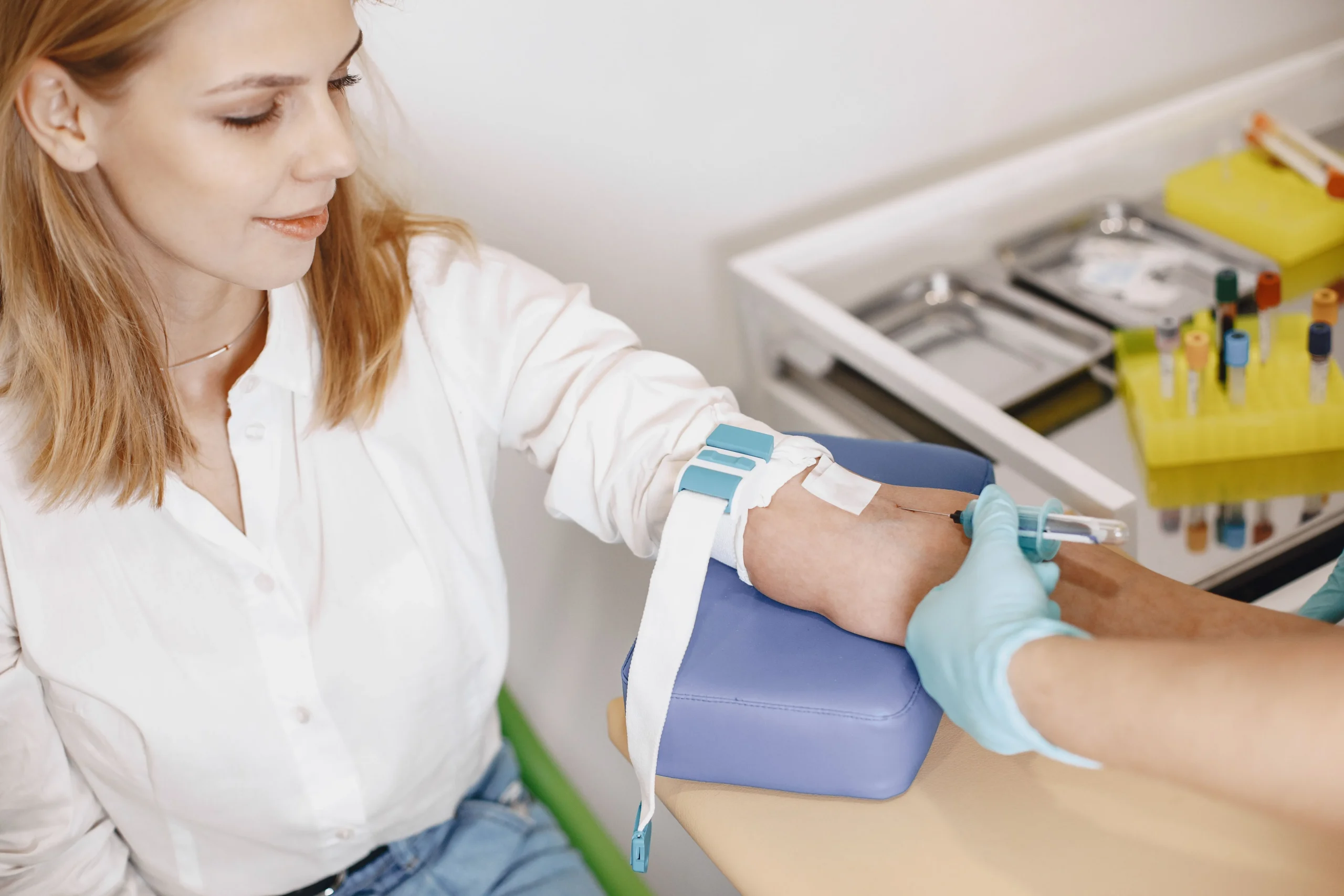
The term Endomtest may be used in online searches for endometriosis testing options. It should not be assumed to refer to one universally recognized or clinically validated diagnostic test. Researchers and medical technology developers are investigating several approaches to noninvasive endometriosis detection.
Some focus on biomarkers, which are measurable biological characteristics that may be associated with a medical condition. Others use symptom questionnaires or risk assessments to identify people who may benefit from further evaluation. These approaches differ in how they work and what their results can establish.
What Do At-Home Endometriosis Tests Measure?
Emerging endometriosis tests may investigate biological markers in different sample types. Potential approaches include:
-
Saliva-based testing: Some researchers are studying microRNAs, small molecules involved in regulating gene activity, as potential indicators of endometriosis.
-
Blood-based testing: Investigational approaches may evaluate inflammatory markers, proteins, or other biological signals associated with the condition.
-
Menstrual fluid testing: Researchers are exploring whether menstrual samples contain measurable characteristics that could help identify endometriosis.
-
Symptom-based screening: Questionnaires assess patterns such as painful periods, chronic pelvic pain, bowel symptoms, and pain during intercourse.
These methods are not interchangeable. A biomarker test attempts to identify measurable biological differences, while a questionnaire evaluates symptoms and medical history. Neither approach should automatically be considered a substitute for professional clinical assessment.
Are At-Home Endometriosis Tests Clinically Validated?
Validation depends on the specific test. Researchers must establish whether a diagnostic tool can accurately identify people with and without a condition across relevant patient populations. Important measures include sensitivity, specificity, and the likelihood of false-positive or false-negative results.
A test that performs well in an early research study may not produce the same results in routine clinical practice. Patients should ask whether a particular product has undergone appropriate clinical validation and whether it has relevant regulatory authorization for its advertised purpose. Availability for purchase does not, by itself, establish that a test can reliably diagnose endometriosis. We cover this further in Why Is Endometriosis So Hard to Diagnose.
Can an At-Home Test Confirm Endometriosis?
An at-home result should not be treated as definitive confirmation of endometriosis. A positive screening result may indicate that further medical evaluation is appropriate. A negative result does not necessarily rule out the condition.
Endometriosis varies in its location, appearance, and associated symptoms. Different forms of the disease may not produce the same biological signals. For this reason, results from emerging tests must be interpreted within the broader clinical picture. For more detail, see our article Understanding Endometriosis Tests: A Comparative Overview.
How Do At-Home Tests Compare With Clinical Endometriosis Diagnosis?

Clinical evaluation of suspected endometriosis generally begins with a detailed medical history and discussion of symptoms. A healthcare professional may also recommend a physical examination or imaging studies. In selected cases, laparoscopy may be appropriate for diagnosis or treatment. Importantly, patients do not always need surgery before a clinician can make a working diagnosis of endometriosis or begin treatment. For more detail, see our article Discover Effective Imaging Tests for Endometriosis Diagnosis.
What Is the Difference Between Screening and Diagnosis?
Screening is intended to identify people who may have a condition or who could benefit from additional testing. Diagnosis involves evaluating the available clinical evidence to determine whether a condition is present. An at-home questionnaire may help patients recognize symptoms that deserve medical attention.
A laboratory-based biomarker test may provide additional information if it has been appropriately validated for its intended use. However, neither should automatically replace clinical history, examination, or imaging.
The most appropriate diagnostic pathway depends on the patient’s symptoms, medical history, and available clinical findings.
Can Ultrasound Detect Endometriosis?
Specialized transvaginal ultrasound can help identify certain forms of endometriosis. For example, ultrasound may detect ovarian endometriomas and some forms of deep endometriosis. However, superficial endometriosis can be difficult to visualize.
A normal ultrasound does not necessarily mean endometriosis is absent. The accuracy of imaging also depends on the type of disease, examination technique, and experience of the healthcare professional performing or interpreting the study.
Can MRI Help Diagnose Endometriosis?
Magnetic resonance imaging (MRI) may be useful when clinicians suspect deep endometriosis or disease affecting complex pelvic structures. It can help assess certain anatomical findings and support surgical planning when appropriate. However, MRI does not identify every endometriosis lesion. Normal imaging results should be interpreted alongside symptoms and clinical findings rather than used alone to exclude the condition.
Is Laparoscopy Always Required to Diagnose Endometriosis?
No. Laparoscopy allows a surgeon to examine pelvic structures directly and, when appropriate, remove tissue for pathological examination. It can provide valuable diagnostic information, particularly when surgery is already being considered for treatment.
However, current clinical approaches also recognize that endometriosis may be suspected or diagnosed clinically based on symptoms, examination, and imaging findings. Empirical medical treatment may be appropriate without surgical confirmation in selected patients. The decision to undergo laparoscopy should be individualized.
Can At-Home Tests Replace Diagnostic Laparoscopy?

At-home tests cannot currently replace all the information obtained through clinical assessment, imaging, or surgery. A biomarker test does not show where endometriosis lesions are located or whether they involve the bowel, bladder, ovaries, or other structures. It also cannot remove lesions or address anatomical complications. However, this does not mean that every patient requires surgery to receive appropriate care. We cover this further in Comprehensive Guide: Endometriosis Assessment Best Practices.
What Information Can Laparoscopy Provide?
Laparoscopy allows direct examination of pelvic anatomy. During the procedure, a surgeon may identify visible endometriosis lesions, adhesions, ovarian cysts, or other abnormalities. If appropriate, tissue can be removed for pathological evaluation. Read more in Discover How Pelvic Ultrasound Helps Diagnose Endometriosis.
Surgery may also provide an opportunity to treat identified endometriosis. However, laparoscopy has limitations and risks, and not every procedure will identify all possible causes of pelvic pain. Surgical findings must be interpreted alongside the patient’s symptoms and clinical history.
Can At-Home Tests Determine the Stage of Endometriosis?
No. An at-home biomarker or symptom test cannot reliably determine the anatomical extent of endometriosis. Traditional surgical staging systems describe findings such as lesion location, adhesions, and ovarian involvement. However, the stage of endometriosis does not consistently predict pain severity.
Some patients with limited visible disease experience substantial pain, while others with extensive disease report relatively mild symptoms. Clinical decisions should therefore consider symptoms, organ involvement, reproductive goals, and individual circumstances rather than relying solely on a staging classification.
Does Delaying Laparoscopy Always Allow Endometriosis to Progress?
No. Endometriosis does not follow an identical progression pattern in every patient. Some lesions may remain stable, while others may change over time. It is not accurate to assume that every delay in surgery causes progressive tissue damage or irreversible complications.
However, persistent or worsening symptoms deserve evaluation, and certain findings, such as suspected bowel or urinary tract obstruction, may require more urgent assessment. Patients should discuss the potential benefits and risks of treatment timing with a qualified healthcare professional.
What Symptoms Should Prompt Endometriosis Testing?

Endometriosis can cause a wide range of symptoms, and not every patient experiences the same pattern. Some individuals have severe menstrual pain, while others primarily report digestive discomfort, chronic pelvic pain, or fertility difficulties. Recognizing these symptoms can help patients determine when a professional evaluation may be appropriate.
What Are the Common Symptoms of Endometriosis?
Possible symptoms include:
-
Severe menstrual cramps that interfere with daily activities
-
Chronic pelvic pain
-
Pain during or after sexual intercourse
-
Painful bowel movements
-
Pain during urination, particularly around menstruation
-
Abdominal bloating
-
Lower back discomfort
-
Fatigue
-
Difficulty becoming pregnant
These symptoms can also occur with other medical conditions. Endometriosis cannot be diagnosed from symptoms alone without considering other possible explanations.
Can Endometriosis Cause Digestive or Bladder Symptoms?
Yes. Some patients experience constipation, diarrhea, bloating, painful bowel movements, or urinary discomfort. Symptoms may become more noticeable during menstruation. However, irritable bowel syndrome, bladder pain syndrome, pelvic floor dysfunction, and other conditions can produce similar complaints. Some patients may have more than one condition contributing to their symptoms. A comprehensive evaluation can help identify these overlapping causes.
Should You Seek Testing if Your Period Pain Is Severe?
Severe menstrual pain that disrupts work, school, sleep, or everyday activities deserves medical attention. Although menstrual cramps are common, persistent or disabling pain should not automatically be dismissed as normal. A healthcare professional can review symptoms and determine whether endometriosis or another condition may be contributing. Patients do not need to wait for symptoms to become unbearable before requesting evaluation.
Frequently Asked Questions
Can Endomtest diagnose endometriosis at home?
The term Endomtest does not establish that a particular test is clinically validated. No widely established at-home test currently replaces a comprehensive clinical evaluation for diagnosing endometriosis. Patients should verify the evidence and intended use of any specific product.
Can a saliva test detect endometriosis?
Saliva-based biomarker tests, including approaches involving microRNA analysis, are being investigated for endometriosis detection. Their clinical usefulness depends on the specific test, validation evidence, and regulatory status.
Can a blood test confirm endometriosis?
There is no single routine blood test that reliably confirms or excludes endometriosis. Blood-based biomarkers are being studied, but results should not replace clinical evaluation.
Does a negative at-home endometriosis test mean I do not have the condition?
No. A negative result from an unvalidated or limited screening test cannot reliably exclude endometriosis. Persistent symptoms should still be discussed with a healthcare professional.
Can ultrasound diagnose endometriosis without surgery?
Ultrasound can identify certain forms of endometriosis, including ovarian endometriomas and some deep lesions. However, normal imaging does not rule out all forms of the disease.
Do I need laparoscopic surgery to receive endometriosis treatment?
Not always. Some patients can begin medical treatment based on clinical assessment and suspected endometriosis without undergoing surgery. Laparoscopy may be considered when surgical treatment or additional diagnostic information is appropriate.
When Should You See an Endometriosis Specialist?
Patients experiencing persistent pelvic pain, severe menstrual symptoms, painful intercourse, or unexplained bowel and bladder discomfort may benefit from specialist evaluation. An experienced clinician can review the symptom history, assess previous testing, and determine whether additional imaging or treatment is appropriate.
Specialist evaluation may be particularly helpful when symptoms continue despite initial treatment or when deep endometriosis is suspected. At the Endometriosis Center of Excellence, Dr. Rachael Haverland focuses on specialized endometriosis care, including laparoscopic excision surgery. An individualized evaluation can help patients understand whether medical management, additional diagnostic testing, or surgery may be appropriate for their circumstances.
Conclusion
Endomtest and at-home endometriosis testing reflect growing interest in making endometriosis diagnosis more accessible. Emerging biomarker technologies may eventually contribute to earlier recognition of the condition and help reduce diagnostic delays. However, the accuracy and clinical usefulness of individual tests must be established through appropriate research and validation.
At-home screening cannot reliably determine lesion location, assess the extent of disease, or replace a comprehensive medical evaluation. Importantly, surgery is not required for every patient to receive an endometriosis diagnosis or begin treatment. If you experience persistent pelvic pain, severe menstrual symptoms, or unexplained digestive discomfort, consult a qualified healthcare professional rather than relying solely on an at-home test result. For more detail, see our article Comprehensive Guide to Endometriosis Screening Blood Tests.
Medical Disclaimer: This article is intended for educational purposes only and does not replace professional medical advice, diagnosis, or treatment. Diagnostic technologies and regulatory approvals may change over time. Consult a qualified healthcare provider for guidance about endometriosis testing and treatment. When you are ready to talk through your options, schedule an appointment with our team.