
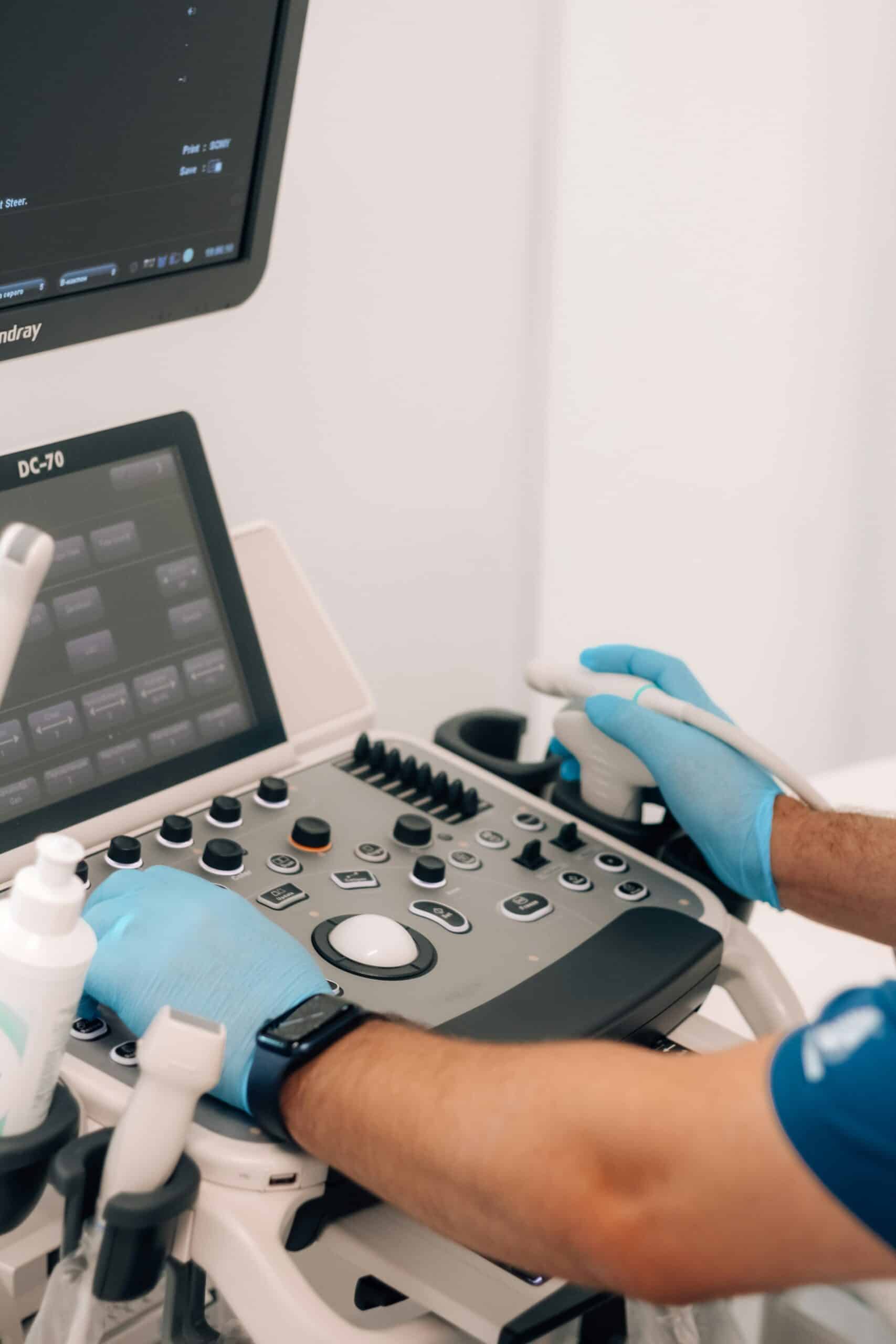
Understanding the role of pelvic ultrasound in accurately diagnosing endometriosis transforms the clinical pathway for many women facing chronic pelvic pain. Endometriosis, a condition where uterine–like tissue implants outside the uterus, often eludes timely detection due to symptom overlap and reliance on invasive laparoscopy. This article equips readers with expert insights into the underlying disease mechanism, the advantages of non–invasive imaging, and the specialized ultrasound protocols that improve diagnostic accuracy. We will explore endometriosis pathophysiology and symptom patterns, examine how standard and transvaginal ultrasound techniques visualize lesions, detail characteristic ultrasound findings, and explain preparation and alternative imaging strategies. Finally, we highlight why Endo Excellence Center’s specialized pelvic ultrasound service offers superior detection, patient support, and optimized preoperative planning—all guiding women toward faster, more effective care.
What is Endometriosis and Why is Accurate Diagnosis Challenging?

Endometriosis is a chronic gynecological condition characterized by ectopic endometrial tissue that provokes inflammation, cyclical pain, and impaired fertility. This disorder arises when uterine lining cells implant on pelvic organs, triggering bleeding and scar formation outside the uterus. Accurate diagnosis is challenging because symptoms mimic other pelvic disorders, standard imaging may miss small implants, and the definitive confirmation by laparoscopy is invasive. Early recognition through non–invasive imaging like pelvic ultrasound can reduce diagnostic delay and guide timely treatment, yet many women wait years for proper evaluation.
Global studies report an average 4–12-year delay between symptom onset and formal diagnosis, during which quality of life and fertility may decline. Overlapping signs—such as menstrual cramps, gastrointestinal discomfort, and urinary frequency—often lead to misattribution or symptom normalization. Recognizing these barriers sets the stage for understanding how pelvic ultrasound, especially when performed by specialized teams, becomes a pivotal diagnostic tool.
What Causes Endometriosis and What Are Its Common Symptoms?
Endometriosis arises from a combination of retrograde menstruation, coelomic metaplasia, and altered immune clearance that allow displaced endometrial cells to implant and proliferate outside the uterine cavity. These implants adhere to ovaries, fallopian tubes, ligaments, bladder, or bowel, releasing inflammatory mediators with each cycle. Common symptoms include severe menstrual pain, painful intercourse, chronic pelvic ache, and infertility.
- Pelvic pain that intensifies around menstruation
- Dysmenorrhea unresponsive to standard pain relief
- Dyspareunia during deep penetration
- Infertility or subfertility linked to pelvic adhesions
- Gastrointestinal upset such as bloating or painful bowel movements
These manifestations often vary in severity and presentation, contributing to delayed recognition and misdiagnosis in primary care settings.
Why is Endometriosis Often Misdiagnosed or Diagnosed Late?
Endometriosis is frequently overlooked due to symptom variability, the normalizing of menstrual pain, and low sensitivity of routine imaging. General pelvic ultrasound without endometriosis–specific scanning protocols can fail to detect deep infiltrating implants or small adhesions. Many patients endure repeated consultations and empirical treatments before referral for specialist imaging or laparoscopy. Social factors, such as reluctance to discuss severe menstrual symptoms and limited access to expert sonographers, further prolong confirmation, with some women waiting over a decade for an accurate diagnosis.
How Does Endometriosis Affect Pelvic Organs and Fertility?
Endometriotic lesions can invade ovaries, fallopian tubes, uterosacral ligaments, bladder, and bowel, distorting normal anatomy and causing adhesions. Inflammatory cytokines released by implants contribute to scarring and reduced organ mobility. These changes compromise ovarian reserve by damaging healthy ovarian tissue and hinder tubal patency, lowering spontaneous pregnancy rates by up to 30%. Adhesions around the rectovaginal septum can cause fixed pelvic organs, intensifying pain during movement and intercourse. Recognizing this destructive cycle underscores the need for precise lesion mapping before therapeutic intervention.
How Does Pelvic Ultrasound Help Detect Endometriosis?
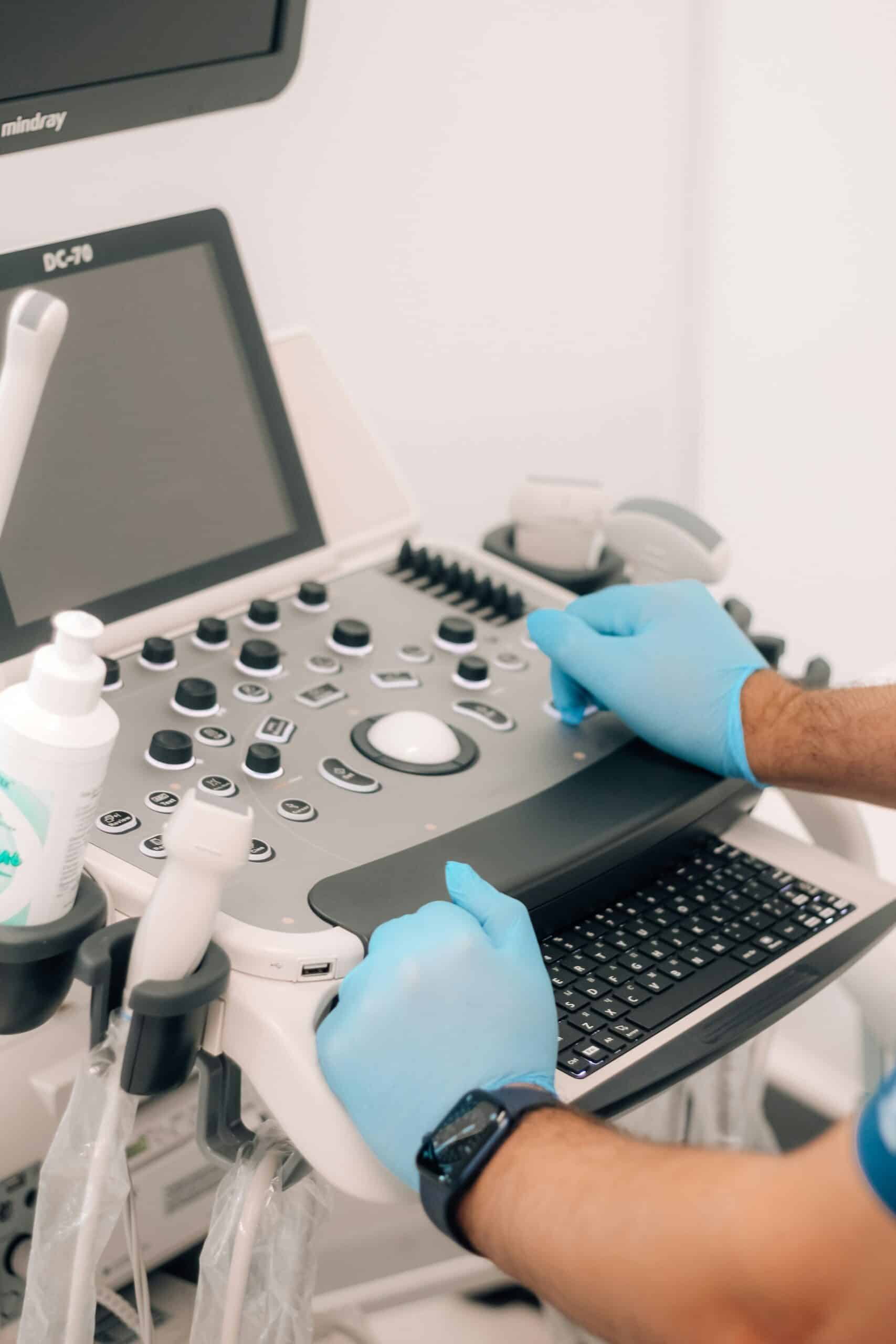
Pelvic ultrasound is a first–line imaging modality that uses high–frequency sound waves to visualize pelvic anatomy in real time. By comparing transabdominal and transvaginal approaches, sonographers can identify cystic and nodular lesions, assess organ relationships, and detect anatomical distortion from adhesions. Ultrasound offers benefits of non–invasiveness, accessibility, and absence of radiation, making it ideal for initial endometriosis evaluation.
Dynamic scanning protocols enable assessment of organ mobility and sliding interfaces, which indirectly reveal adhesions. When performed by experienced practitioners using standardized protocols, pelvic ultrasound achieves high sensitivity for endometriomas and deep infiltrating endometriosis, reducing reliance on invasive diagnostic laparoscopy. This mapping capability supports targeted treatment planning and can shorten the path to relief.
What is Pelvic Ultrasound and How is it Performed?
Pelvic ultrasound is an imaging procedure that employs an ultrasound scanner to send sound waves through the abdomen or vagina and capture reflected echoes. Transabdominal ultrasound requires a full bladder to act as an acoustic window for the probe placed on the lower abdomen. Transvaginal ultrasound involves a lubricated, high–frequency probe inserted into the vagina, providing closer proximity to pelvic structures and higher resolution. Sonographers capture multiple planes—sagittal, transverse, and oblique—to evaluate uterine contour, ovarian morphology, and potential cysts or nodules. This systematic scanning ensures comprehensive visualization of both superficial and deep pelvic compartments.
What is Transvaginal Ultrasound and Why is it Preferred for Endometriosis?
Transvaginal ultrasound (TVUS) is a specialized type of pelvic ultrasound in which a high–frequency probe is placed within the vaginal canal to obtain detailed images of pelvic organs. By positioning the probe nearer to the uterus and ovaries, TVUS delivers superior resolution compared to transabdominal imaging and can detect smaller lesions and subtle tissue changes. This proximity allows for more accurate measurement of endometrioma size, depth of infiltration in uterosacral ligaments, and identification of hypoechoic nodules. In endometriosis evaluation, TVUS is preferred because it enhances diagnostic confidence, improves lesion mapping, and informs surgical planning more effectively. We cover this further in Discover How to Diagnose Endometriosis Symptoms Effectively.
Which Pelvic Organs and Lesions Can Ultrasound Visualize?
Pelvic ultrasound can visualize multiple anatomical structures and associated endometriotic lesions within the pelvis.
- Uterus: contour abnormalities, adenomyosis signs
- Ovaries: ovarian cysts, endometriomas
- Fallopian tubes: hydrosalpinx or tubal distortion
- Bladder: anterior wall implants or nodules
- Bowel: rectosigmoid nodules penetrating the bowel wall
- Rectovaginal septum and uterosacral ligaments: hypoechoic thickening indicating deep implants
This comprehensive organ survey reveals both cystic and solid lesions, guiding further management. Recognizing which structures are assessable by ultrasound prepares the clinician and patient for detailed lesion characterization. We cover this further in Comprehensive Guide: Endometriosis Assessment Best Practices.
What Does Endometriosis Look Like on Pelvic Ultrasound?

Pelvic ultrasound findings in endometriosis vary by lesion type and location but share characteristic imaging signatures. Endometriomas appear as unilocular cysts with homogeneous “ground–glass” echogenicity, while deep infiltrating nodules manifest as irregular hypoechoic masses. Adenomyosis produces a heterogeneous myometrium with small myometrial cysts and asymmetrical uterine wall thickening. Pelvic adhesions alter normal organ mobility, detected through dynamic sliding assessments. Standardized image interpretation ensures consistent identification of these hallmarks in clinical practice.
These imaging features form the basis for targeted intervention, reducing the need for blind surgeries and improving outcome predictability.
How Are Endometriomas Identified on Ultrasound?
Endometriomas are ovarian cysts containing degenerated blood products that appear as homogeneously hypoechoic or low–level internal echoes on ultrasound. Their smooth, well–defined wall and lack of papillary projections distinguish them from hemorrhagic or neoplastic cysts. Doppler evaluation shows minimal internal blood flow, reflecting old blood rather than active vascularity. Recognizing these signature features allows sonographers to differentiate endometriomas from other adnexal masses, enabling accurate counseling and management decisions.
How is Deep Infiltrating Endometriosis (DIE) Detected via Ultrasound?
Deep infiltrating endometriosis (DIE) is detected on ultrasound as nodular, hypoechoic lesions infiltrating at least 5 mm beneath the peritoneal surface. Common sites include the uterosacral ligaments, rectovaginal septum, bladder wall, and bowel serosa. Dynamic palpation with the transvaginal probe can reveal tethered organs and assess lesion mobility. Precise measurement of nodule depth and lateral spread informs multidisciplinary surgical planning, ensuring complete excision of aggressive implants and minimizing postoperative recurrence.
What Ultrasound Signs Indicate Adenomyosis and Pelvic Adhesions?
Adenomyosis presents on ultrasound with a thickened myometrium, asymmetrical wall measurements, and small intramyometrial cysts or linear striations. The junctional zone exceeds 12 mm in many cases, and color Doppler may reveal scattered vascularity. Pelvic adhesions are inferred by restricted movement between organs during dynamic scanning, best observed with the sliding sign test. Together, these signs differentiate coexisting adenomyosis and adhesion disease from isolated endometriotic implants.
What is the “Sliding Sign” and How Does it Indicate Adhesions?
The sliding sign is a dynamic ultrasound assessment in which the sonographer gently presses the probe to observe relative motion between the uterus and adjacent bowel loops. A normal sliding interface shows free movement, whereas the absence of sliding indicates fibrous adhesions tethering organs together. This non–invasive test provides functional information about adhesion severity, guiding the surgical team on the likely extent of dissection required.
Why is Specialized Endometriosis Ultrasound More Accurate Than Standard Ultrasound?
Specialized endometriosis ultrasound combines focused protocols, advanced scanning techniques, and experienced sonographers to exceed standard imaging performance. By following the IDEA consensus—systematic evaluation of six pelvic compartments with dynamic organ assessment—specialized scans detect deep implants and subtle adhesions that general scans often miss. This enhanced accuracy directly influences preoperative mapping, reducing intraoperative surprises and incomplete excision. As a result, patients benefit from shorter surgery times, fewer re–operations, and improved symptom relief. For more detail, see our article How Pelvic Exam Techniques Diagnose Endometriosis.
This comparative framework highlights why investment in specialized training and protocols translates to more reliable diagnostic information.
What Training and Protocols Improve Ultrasound Accuracy for Endometriosis?
Adopting standardized scanning steps—such as the IDEA consensus protocol—ensures systematic assessment of all pelvic compartments. Training programs emphasize recognition of hypoechoic nodules, sliding sign evaluation, and three–dimensional volume acquisition for complex lesions. Sonographers learn dynamic techniques like bowel compression maneuvers and targeted evaluation of the uterosacral ligaments. Certification courses and peer–review sessions reinforce consistency and accuracy, elevating diagnostic confidence across imaging centers.
How Does Specialized Ultrasound Aid in Pre–Operative Surgical Planning?
Specialized ultrasound maps lesion location, depth, and organ involvement, providing surgeons with a bespoke surgical roadmap. Detailed measurements of nodule dimensions, adhesion extent, and proximity to vital structures—such as the ureter and bladder—allow for tailored surgical approaches. This preoperative intelligence reduces exploration time, limits unnecessary tissue dissection, and enhances patient counseling on expected outcomes. Ultimately, precise mapping contributes to more complete excision of disease and fewer postoperative complications.
What Are the Limitations of Pelvic Ultrasound in Diagnosing Endometriosis?
Despite its advantages, pelvic ultrasound has limitations: it is operator dependent, with accuracy hinging on sonographer expertise. Superficial peritoneal implants smaller than 5 mm often evade detection, and deeply seated lesions in the posterior cul–de–sac may be obscured by bowel gas or patient body habitus. Transvaginal probes cannot visualize high–lying pelvic structures or deep retroperitoneal implants. In these scenarios, further evaluation with magnetic resonance imaging or direct laparoscopic inspection remains necessary.
How Should Patients Prepare for an Endometriosis Pelvic Ultrasound?
Proper preparation enhances image quality and diagnostic yield for both transabdominal and transvaginal approaches. A comfortably full bladder during transabdominal scanning displaces bowel loops, creating a clear acoustic window. Conversely, transvaginal ultrasound is performed with an emptied bladder for probe comfort and optimal organ visualization. Patients may be advised to fast for two hours beforehand and use a mild laxative or enema to reduce bowel gas. Clear instructions ensure consistent results and minimize the need for repeat examinations.
What Are the Recommended Preparations for Transvaginal and Transabdominal Ultrasound?
Patients should drink at least 500 mL of water one hour before a transabdominal pelvic scan and avoid voiding until after the procedure. For transvaginal ultrasound, an empty bladder maximizes patient comfort and probe maneuverability. A gentle bowel regimen—such as a mild laxative or enema—reduces gas interference. Wearing loose, two–piece clothing allows easy access to the lower abdomen and pelvic area. Following these steps ensures optimal imaging conditions.
When is the Best Time in the Menstrual Cycle to Schedule Ultrasound?
Scheduling pelvic ultrasound in the early follicular phase—typically between days 5 and 10 of the menstrual cycle—provides the clearest view of endometriotic lesions. During this window, the endometrium is thinnest and ovarian cysts are well formed, improving lesion contrast. Pain is often more tolerable in the days following menstruation, facilitating complete scanning. Coordinating imaging with this cycle phase enhances detection sensitivity for both endometriomas and deep infiltrating implants.
What Are the Alternatives and Complementary Imaging Techniques for Endometriosis Diagnosis?

When ultrasound results are inconclusive or deeper staging is required, additional imaging and diagnostic methods complement pelvic ultrasound. Magnetic resonance imaging (MRI) offers multiplanar views of pelvic compartments and superior soft tissue contrast, making it ideal for complex posterior lesions. Sonovaginography, which injects saline into the vagina during ultrasound, can better delineate rectovaginal septum disease. Emerging blood biomarkers and symptom scoring systems contribute to non–invasive screening but lack lesion mapping capabilities. A multimodal approach tailors diagnostics to individual patient needs.
When is MRI Recommended Alongside or After Ultrasound?
MRI is recommended when ultrasound findings are equivocal, deep infiltrating endometriosis is suspected, or preoperative staging requires high soft–tissue resolution. It excels at detecting uterine adenomyosis, bladder wall invasion, and small peritoneal implants beyond ultrasound reach. MRI protocols include T2–weighted and fat–suppressed sequences to highlight endometriotic nodules and differentiate them from adjacent structures. Combining ultrasound with MRI provides a comprehensive lesion overview for surgical planning. We cover this further in Can an Ultrasound or MRI Find Deep Endometriosis.
What Non–Invasive Diagnostic Methods Exist Beyond Ultrasound?
Beyond imaging, clinicians may utilize serum biomarkers—such as CA–125—to support the diagnostic picture, although specificity remains limited. Sonovaginography enhances ultrasound delineation of rectovaginal disease by distending the vaginal canal with saline. Symptom questionnaires and pain scoring tools offer standardized assessment of disease impact. Research into novel biomarkers and machine–learning image analysis holds promise for future non–invasive diagnosis but is not yet routine clinical practice.
Why Choose Endo Excellence Center for Specialized Pelvic Ultrasound in Endometriosis Diagnosis?
Endo Excellence Center combines advanced imaging technology, dedicated endometriosis protocols, and compassionate patient care to deliver superior diagnostic accuracy. Our center prioritizes a patient–centered approach, offering tailored consultations, clear education on findings, and seamless coordination with multidisciplinary treatment teams. By integrating evidence–based scanning methods and experienced sonographers, we reduce diagnostic delay and guide targeted treatment planning for each woman’s unique disease presentation.
What Expertise and Technology Does Endo Excellence Center Offer?
Endo Excellence Center employs board–certified radiologists and sonographers trained in endometriosis–specific imaging protocols. We utilize high–resolution transvaginal probes, three–dimensional volume acquisition, and dynamic sliding assessments to capture detailed images of lesions. Adherence to international consensus guidelines ensures consistent evaluation of six pelvic compartments, enhancing detection of deep infiltrating implants and adhesions. This expertise translates into more accurate diagnoses and informed surgical planning.
How Does the Center Support Patients Through the Diagnostic Journey?
From the initial consultation, patients receive personalized care plans that outline the imaging process, expected findings, and implications for treatment. Our multidisciplinary team—including gynecologists, radiologists, and fertility specialists—collaborates to interpret results and recommend next steps. Educational materials and private consultations address patient concerns and empower informed decision–making. Follow–up visits and direct communication channels ensure ongoing support through treatment and recovery.
How Can Patients Schedule a Consultation for Endometriosis Ultrasound?
Patients interested in specialized pelvic ultrasound at Endo Excellence Center are invited to contact our scheduling department by phone or email for an initial consultation. Our team will gather medical history, explain preparation instructions, and arrange an appointment at a convenient time in the menstrual cycle. This streamlined process minimizes delays and sets the stage for accurate diagnosis and timely intervention. If you have questions about your own symptoms, you can schedule an appointment with our endometriosis specialists.
Pelvic ultrasound represents a transformative, non–invasive tool for identifying endometriomas, deep infiltrating lesions, and pelvic adhesions that underlie chronic pain and infertility. When performed using specialized protocols by experienced sonographers, it can rival invasive surgical diagnosis and guide precise treatment planning. Women who suspect endometriosis should seek evaluation by skilled imaging teams like those at Endo Excellence Center to shorten diagnostic delay and improve care outcomes. Prompt, expert assessment paves the way to targeted therapies and lasting relief. For more detail, see our article Advanced Ultrasound Techniques for Identifying Endometriosis.