

Bowel endometriosis is a complex form of endometriosis in which tissue similar to the uterine lining grows on or within the bowel, causing chronic inflammation and painful digestive symptoms. Many women experience severe bloating, painful bowel movements, constipation, diarrhea, and pelvic pain that often worsen during their menstrual cycle. Because these symptoms closely resemble gastrointestinal disorders such as irritable bowel syndrome (IBS), bowel endometriosis is frequently overlooked or diagnosed late. Understanding how the condition affects the digestive system, recognizing its symptoms, and learning about available treatment options can help patients seek specialized care sooner. Early diagnosis and individualized treatment can significantly improve symptom control, preserve bowel function, and enhance overall quality of life.
What Is Bowel Endometriosis?
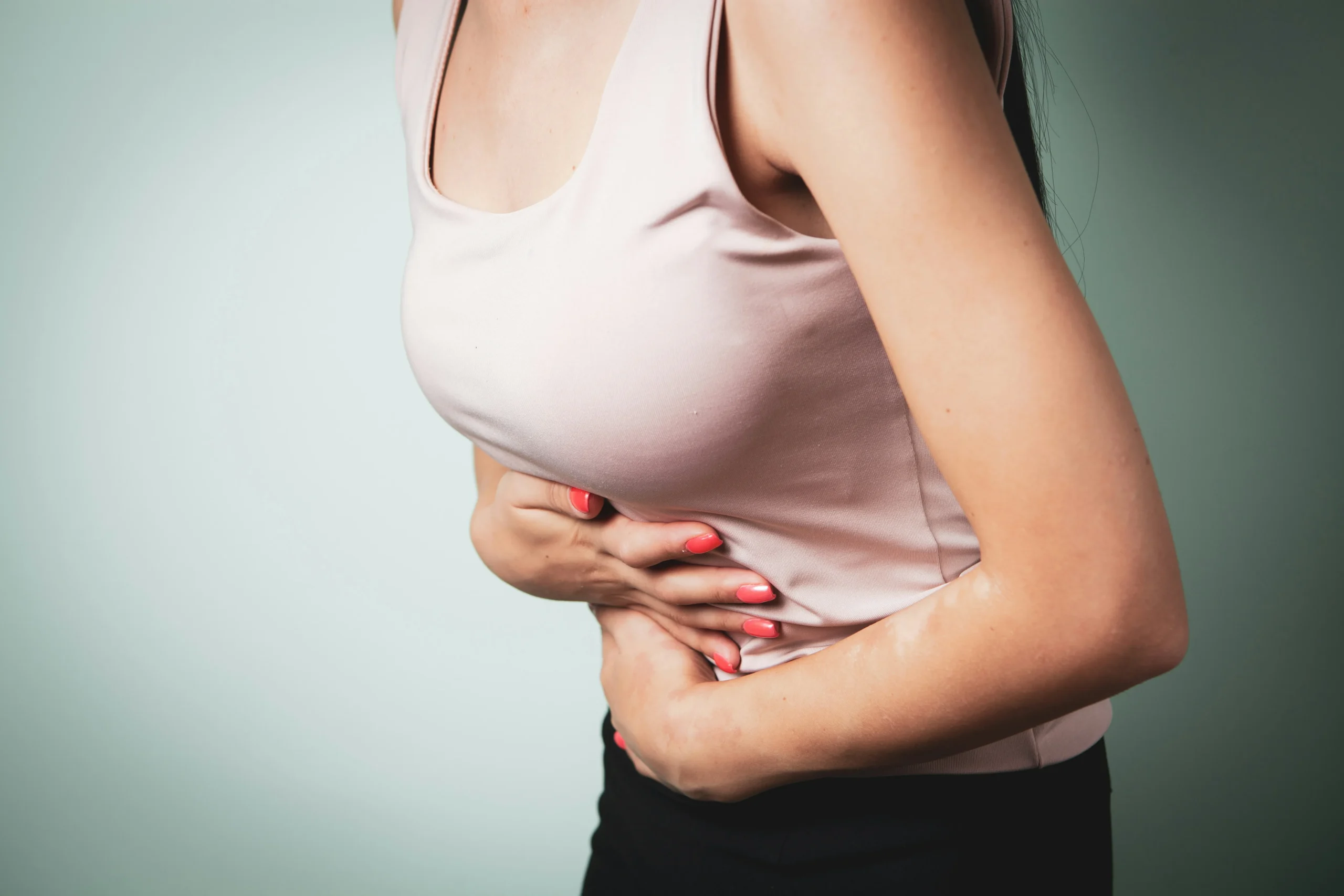
Bowel endometriosis is a form of deep infiltrating endometriosis that affects the intestines, most commonly the rectum and sigmoid colon. As endometriosis lesions grow deeper into surrounding tissues, they can interfere with normal bowel function and contribute to chronic pelvic inflammation.
Although bowel involvement occurs in a smaller percentage of patients with endometriosis, its impact on daily life can be substantial due to recurring digestive symptoms and pelvic pain.
How Endometriosis Affects the Digestive System
When endometriosis develops on or near the bowel, hormonal changes during the menstrual cycle trigger inflammation within these lesions. This inflammation may irritate surrounding nerves, reduce bowel mobility, and contribute to painful digestion.
Some patients develop scar tissue or adhesions that further restrict normal bowel movement, making symptoms progressively worse over time. The severity of symptoms often depends on the size, depth, and location of the endometriosis lesions.
Because digestive symptoms fluctuate with hormonal changes, many patients notice that bowel discomfort becomes more intense around menstruation.
Why Symptoms Are Often Misdiagnosed
Bowel endometriosis frequently mimics other digestive disorders, including IBS, inflammatory bowel disease, constipation, or food intolerances. Patients may undergo years of gastrointestinal treatment before endometriosis is considered.
One of the most important clues is the cyclical nature of symptoms. Digestive discomfort that consistently worsens before or during menstruation may suggest endometriosis rather than a primary bowel disorder.
Recognizing this pattern allows healthcare providers to investigate beyond common gastrointestinal conditions and pursue a more accurate diagnosis.
Common Symptoms of Bowel Endometriosis

Symptoms vary depending on the location and extent of bowel involvement. Some women experience only mild digestive discomfort, while others develop severe pain that interferes with eating, work, exercise, and everyday activities.
Understanding the most common symptoms can help patients recognize when specialized evaluation may be needed.
Digestive Symptoms That Should Not Be Ignored
Digestive symptoms are often the first signs that bowel endometriosis is affecting the gastrointestinal tract. These symptoms may occur throughout the month but frequently become more severe during menstruation.
Recurring digestive symptoms that follow the menstrual cycle deserve careful medical evaluation.
Common symptoms include:
Recognizing these symptoms early may shorten the time to diagnosis and allow treatment to begin before the disease progresses further.
-
Severe abdominal bloating
-
Painful bowel movements
-
Constipation
-
Diarrhea
-
Pain during menstruation
-
Abdominal cramping after eating
Severe abdominal bloating
Painful bowel movements
Constipation
Diarrhea
Pain during menstruation
Abdominal cramping after eating
Although these symptoms overlap with other digestive disorders, their relationship to the menstrual cycle often provides an important diagnostic clue.
Pelvic Pain and Its Impact on Daily Life
Beyond digestive symptoms, bowel endometriosis commonly causes chronic pelvic pain that may become progressively worse over time. Patients often describe deep pelvic pressure, severe cramping, or sharp pain that interferes with walking, sitting, exercising, or performing routine daily activities.
Persistent pain may also affect sleep, emotional well-being, work productivity, and personal relationships. Because symptoms can become debilitating, comprehensive evaluation by an experienced endometriosis specialist is essential for identifying the underlying cause and developing an effective treatment plan.
Diagnosing Bowel Endometriosis
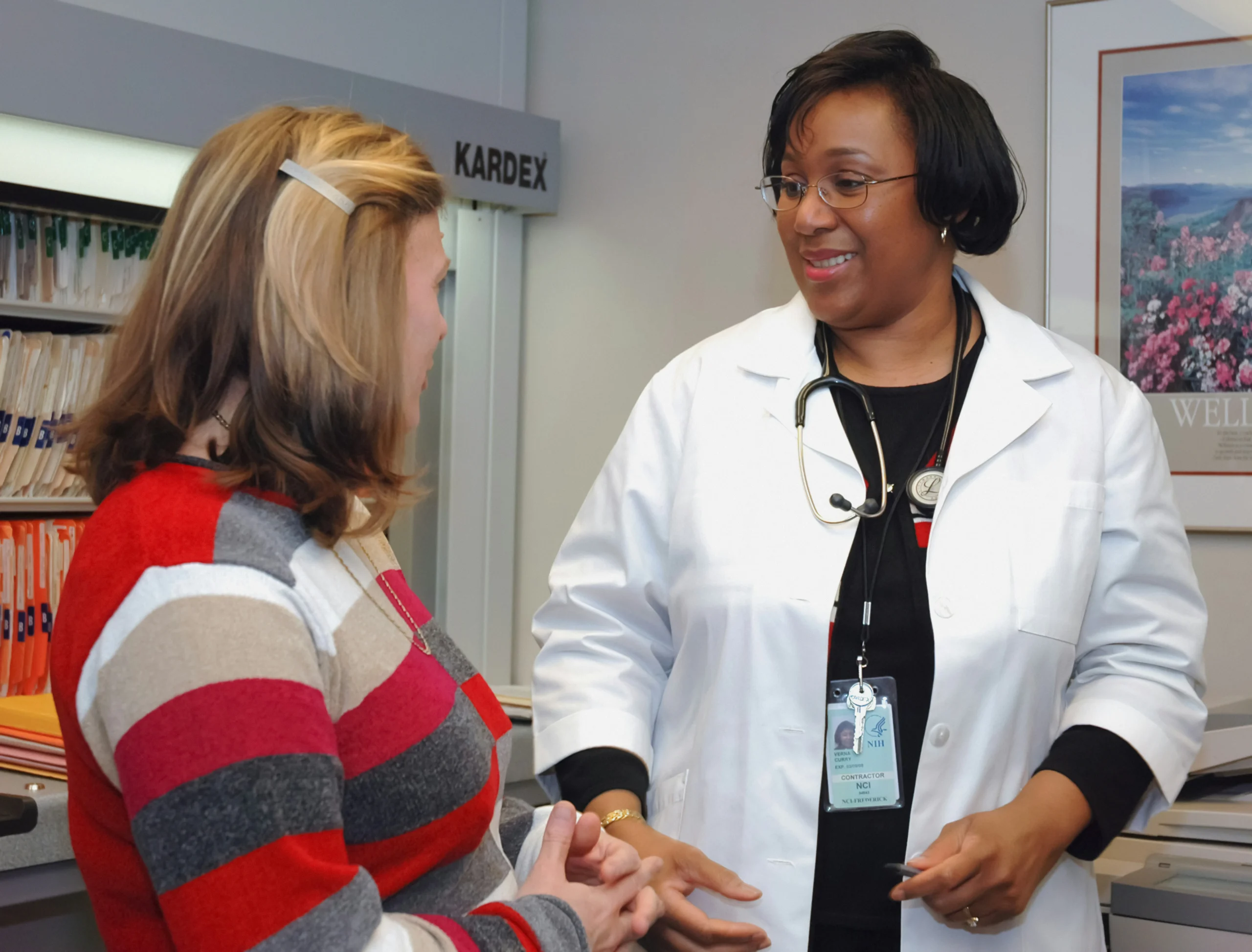
Diagnosing bowel endometriosis requires a combination of symptom evaluation, physical examination, and advanced imaging. Since lesions are often located deep within pelvic tissues, accurate diagnosis depends on careful assessment by specialists experienced in managing complex endometriosis.
Early diagnosis helps patients begin treatment before chronic inflammation leads to more extensive bowel involvement.
Advanced Imaging and Clinical Evaluation
The diagnostic process begins with a detailed review of symptom history, menstrual patterns, digestive complaints, previous treatments, and overall medical history. Healthcare providers evaluate whether digestive symptoms consistently worsen around menstruation and assess how they affect daily life.
Advanced imaging studies such as pelvic MRI and transvaginal ultrasound help identify deep infiltrating endometriosis and determine whether bowel structures are involved. Although imaging provides valuable information, some smaller lesions may still require further evaluation.
Imaging findings are interpreted alongside clinical symptoms to create the most accurate diagnosis possible.
Why a Multidisciplinary Assessment Matters
Because bowel endometriosis affects both reproductive and digestive health, diagnosis often benefits from collaboration between multiple specialists. Experienced gynecologic surgeons, radiologists, gastroenterologists, and pelvic pain specialists work together to evaluate complex cases and develop individualized treatment plans.
A comprehensive evaluation may include:
Each part of the assessment contributes to understanding the extent of disease while guiding personalized treatment recommendations.
-
Detailed medical and menstrual history
-
Pelvic examination
-
MRI or transvaginal ultrasound
-
Assessment of bowel symptoms
-
Evaluation by an experienced endometriosis specialist
Detailed medical and menstrual history
Pelvic examination
MRI or transvaginal ultrasound
Assessment of bowel symptoms
Evaluation by an experienced endometriosis specialist
A multidisciplinary approach improves diagnostic accuracy and ensures treatment plans address both digestive symptoms and long-term pelvic health.
Treatment Options for Bowel Endometriosis
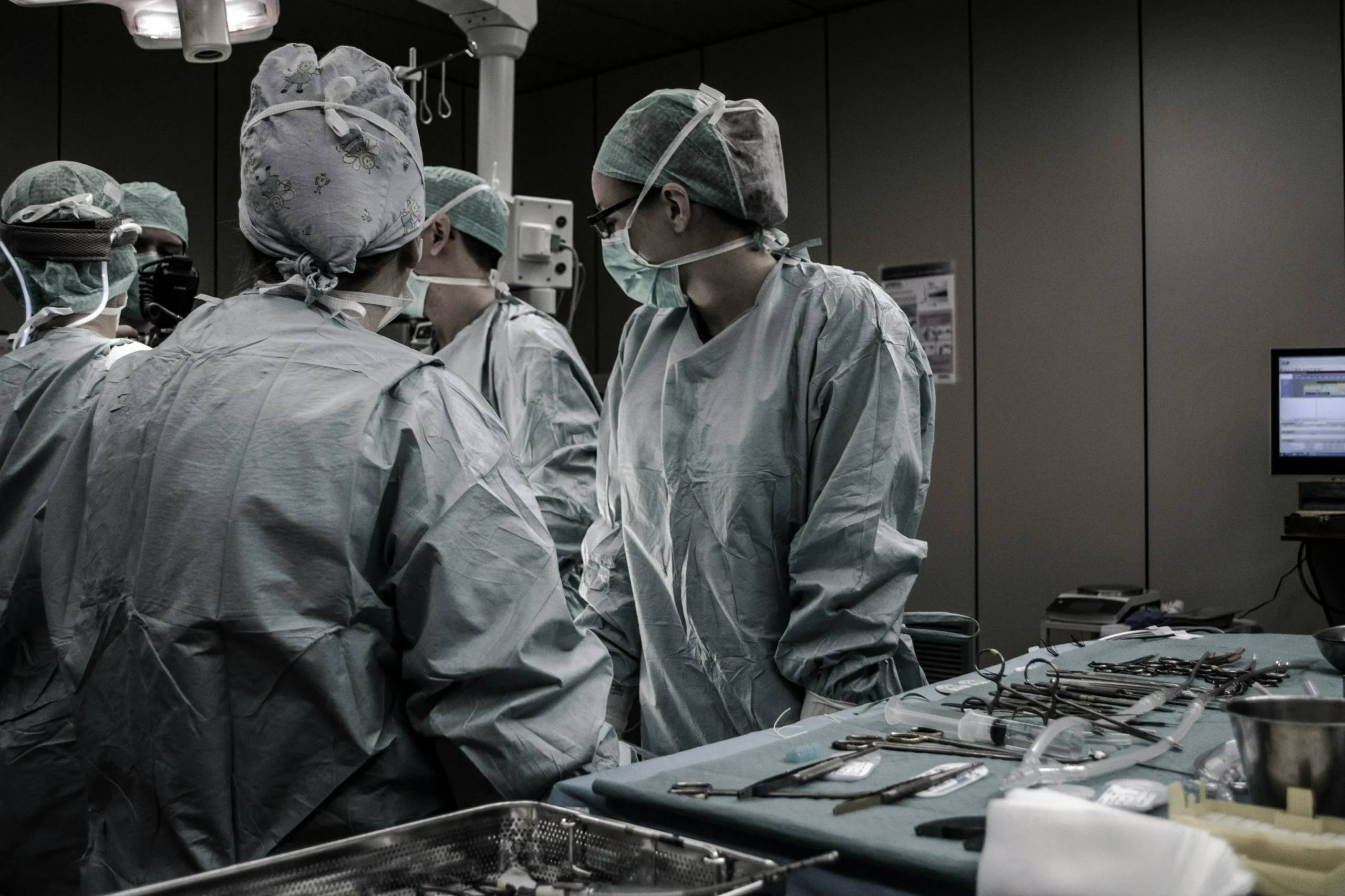
Treatment for bowel endometriosis depends on the severity of symptoms, the extent of bowel involvement, and each patient’s overall health and reproductive goals. Because the condition affects patients differently, treatment plans are individualized to relieve pain, improve bowel function, and preserve long-term quality of life.
Early treatment may also reduce the progression of deep infiltrating disease and help prevent complications related to chronic inflammation.
Non-Surgical Management
For patients with mild symptoms or limited bowel involvement, conservative treatment may help manage discomfort and reduce inflammation. Hormonal therapies are commonly used to suppress disease activity, while pain management strategies may improve day-to-day comfort.
Patients are also encouraged to monitor digestive symptoms, maintain regular follow-up appointments, and discuss lifestyle adjustments that may complement medical treatment. Although these approaches can improve symptom control, they do not remove existing endometriosis lesions.
Treatment plans are continuously reviewed to ensure they remain appropriate as symptoms or healthcare needs change.
Laparoscopic Excision Surgery
For patients with persistent symptoms or significant bowel involvement, laparoscopic excision surgery is often considered the most effective treatment option. Unlike treatments that primarily suppress symptoms, excision surgery removes endometriosis lesions while preserving as much healthy bowel tissue as possible.
Advanced surgical planning allows specialists to carefully evaluate the depth and location of bowel involvement before surgery. This personalized approach helps reduce inflammation, restore pelvic anatomy, improve digestive function, and relieve chronic pain while minimizing disruption to healthy surrounding structures.
Many patients report significant improvements in painful bowel movements, bloating, and overall quality of life following successful excision surgery.
Recovery and Long-Term Outlook

Recovery from bowel endometriosis treatment extends beyond symptom relief. Long-term care focuses on restoring digestive health, reducing inflammation, monitoring recovery, and helping patients safely return to their normal daily activities.
Ongoing follow-up care allows healthcare providers to evaluate healing while adjusting treatment recommendations as needed.
Recovery Following Surgery
Recovery time varies depending on the complexity of the procedure and the extent of bowel involvement. Many patients begin noticing gradual improvements in pelvic pain and digestive symptoms within several weeks, although complete recovery may take longer depending on individual circumstances.
During recovery, healthcare providers encourage patients to follow postoperative instructions, remain physically active as appropriate, maintain balanced nutrition, and attend scheduled follow-up appointments.
Recovery commonly includes:
Each patient’s recovery timeline is unique, and regular follow-up ensures healing progresses safely.
-
Gradual return to normal daily activities
-
Pain management during early healing
-
Nutritional support for bowel health
-
Follow-up appointments to monitor recovery
-
Personalized guidance based on surgical findings
Gradual return to normal daily activities
Pain management during early healing
Nutritional support for bowel health
Follow-up appointments to monitor recovery
Personalized guidance based on surgical findings
Careful recovery planning helps patients regain confidence while supporting long-term digestive and pelvic health.
Fertility and Long-Term Health Considerations
For many women, bowel endometriosis affects more than digestive function. The condition may also influence fertility depending on the location and severity of disease. By removing endometriosis lesions and restoring normal pelvic anatomy, excision surgery may improve reproductive function for appropriately selected patients.
Long-term management focuses on monitoring symptoms, maintaining bowel health, preserving fertility when appropriate, and reducing the likelihood of symptom recurrence. Individualized care allows patients to receive recommendations that align with both their current symptoms and future health goals.
Regular communication with an experienced endometriosis specialist remains an important part of long-term success.
Frequently Asked Questions
Can Bowel Endometriosis Be Mistaken for IBS?
Yes. Many symptoms of bowel endometriosis, including bloating, constipation, diarrhea, and abdominal pain, closely resemble irritable bowel syndrome. Symptoms that consistently worsen during menstruation should be evaluated by an endometriosis specialist.
Is Surgery Always Required for Bowel Endometriosis?
Not always. Some patients achieve symptom relief with hormonal therapy and conservative management. Surgery is generally recommended when symptoms persist, bowel function is significantly affected, or deep infiltrating disease is present.
How Is Bowel Endometriosis Diagnosed?
Diagnosis usually includes a detailed medical history, pelvic examination, advanced imaging such as MRI or transvaginal ultrasound, and evaluation by a specialist experienced in diagnosing complex endometriosis.
How Long Does Recovery Take After Excision Surgery?
Recovery varies depending on the individual and the complexity of the procedure. Many patients begin returning to normal activities within a few weeks, while complete recovery may continue over several months.
Finding Lasting Relief From Bowel Endometriosis
Living with bowel endometriosis can be physically and emotionally challenging, especially when chronic digestive symptoms and pelvic pain interfere with everyday life. Understanding the connection between painful digestion, severe bloating, bowel symptoms, and endometriosis is an important step toward obtaining an accurate diagnosis and effective treatment. With early evaluation, individualized care, and advanced minimally invasive treatment options, many patients experience significant improvements in both digestive health and overall quality of life.
At the Endometriosis Center of Excellence, our experienced team specializes in diagnosing and treating complex bowel endometriosis using advanced imaging, comprehensive evaluation, and minimally invasive excision surgery. If painful digestion, severe bloating, or chronic pelvic pain is affecting your daily life, schedule a consultation today to explore personalized treatment options designed to relieve symptoms, restore bowel function, and support your long-term health.