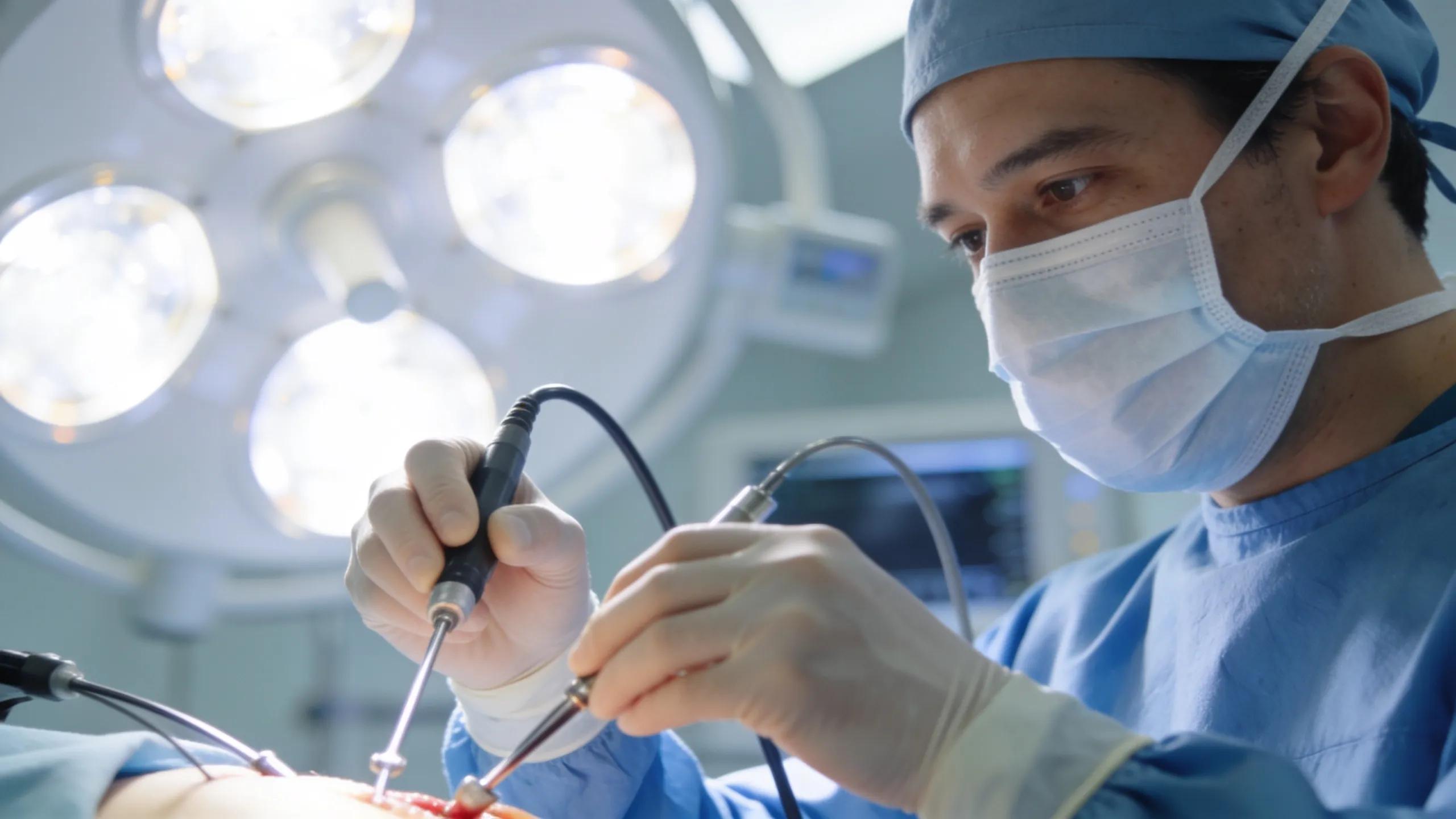
Bowel endometriosis is one of the more complex forms of endometriosis, occurring when endometriosis lesions grow on or infiltrate the bowel. For some patients, this can lead to severe pelvic pain, painful bowel movements, digestive symptoms, and fertility challenges that significantly impact daily life. When surgery is recommended, two primary techniques may be considered: bowel shaving and bowel resection. Although both procedures aim to remove endometriosis and improve symptoms, they differ in their surgical approach, recovery, and suitability depending on the extent of disease. Understanding these treatment options and working with an experienced endometriosis specialist can help patients make informed decisions based on their symptoms, reproductive goals, and long-term health.
Understanding Bowel Endometriosis and Surgical Treatment Options
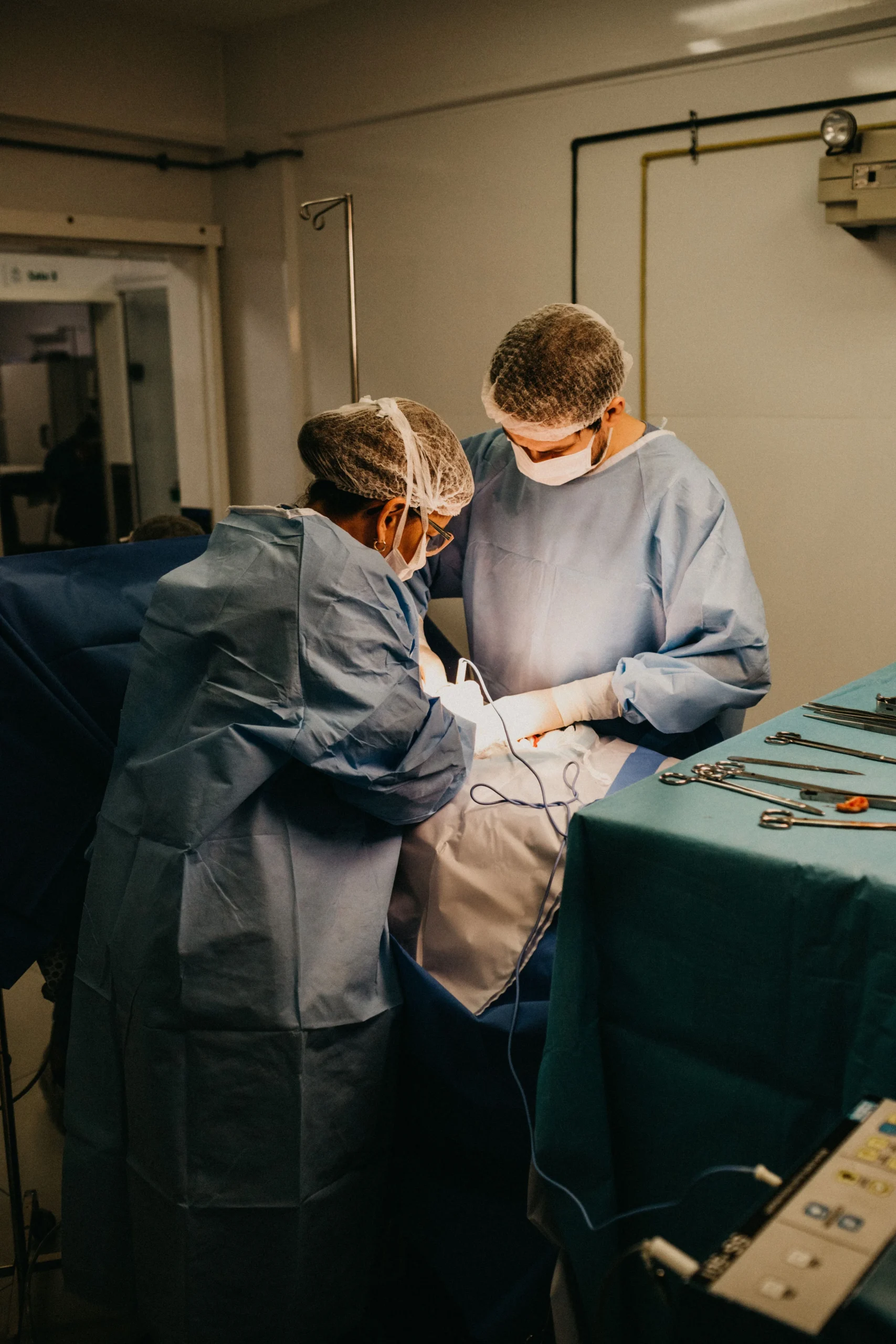
The choice between bowel shaving and bowel resection depends largely on the depth and severity of bowel involvement. A thorough evaluation allows surgeons to determine which technique offers the best balance between effective disease removal and preservation of bowel function.
What Is Bowel Endometriosis?
Bowel endometriosis occurs when tissue similar to the uterine lining grows on or within the bowel, most commonly affecting the rectum or sigmoid colon. Depending on the depth of invasion, patients may experience pelvic pain, painful bowel movements, bloating, constipation, diarrhea, or, in severe cases, bowel obstruction. The extent of bowel involvement plays a major role in determining the most appropriate surgical treatment, making it helpful to understand how bowel endometriosis is treated before discussing surgical options.
When Is Bowel Shaving Recommended?
Bowel shaving is typically recommended for patients with superficial endometriosis lesions that have not deeply infiltrated the bowel wall. During this minimally invasive procedure, the surgeon carefully removes the endometriosis while preserving as much healthy bowel tissue as possible. Because bowel integrity is maintained, patients often experience less postoperative discomfort and a faster recovery compared to more extensive procedures. We cover this further in 10 Critical Questions for Your Surgeon Before Endom Surgery.
When Is Bowel Resection Necessary?
Bowel resection is generally reserved for more advanced cases in which endometriosis has deeply infiltrated the bowel wall or involves a significant portion of the intestine. During this procedure, the affected segment of bowel is removed, and the healthy ends are reconnected. Although bowel resection is a more extensive operation, it may provide more definitive treatment for severe disease while reducing symptoms associated with deep bowel involvement.
Comparing Benefits, Risks, and Recovery

Both bowel shaving and bowel resection are effective surgical techniques when selected for the appropriate patient. Understanding their benefits and potential limitations helps patients make informed decisions alongside their surgical team.
Benefits and Limitations of Bowel Shaving
Bowel shaving offers several advantages, particularly for patients with less extensive disease. Because it preserves healthy bowel tissue, patients often experience shorter recovery times, less postoperative pain, and reduced disruption to normal bowel function. However, if lesions extend deeper than anticipated, there is a possibility that some disease may remain, potentially increasing the likelihood of persistent symptoms or future treatment. Read more in Bowel Endometriosis: Symptoms, Diagnosis, and When Surgery Is Necessary.
Benefits and Risks of Bowel Resection
For patients with deep infiltrating bowel endometriosis, bowel resection can provide substantial pain relief by completely removing severely affected bowel segments. This approach may also improve fertility outcomes in carefully selected patients by restoring normal pelvic anatomy. However, because it is a more extensive procedure, bowel resection carries greater surgical risks, including bowel leaks, infection, longer recovery, and temporary changes in bowel function. We cover this further in Understanding Non-Surgical Options for Endometriosis Relief.
Recovery After Surgery
Recovery varies depending on the surgical technique performed. Patients undergoing laparoscopic bowel shaving often return to normal daily activities more quickly because the procedure is less invasive. Recovery after bowel resection generally requires additional healing time due to bowel reconstruction and the increased complexity of surgery. Regardless of the approach, postoperative pain management, gradual return to activity, and close follow-up with the surgical team contribute to a successful recovery. You may also find Assess Your Endometriosis: When to Consider Advanced Surgery helpful.
Choosing the Right Surgical Approach

No single surgical technique is appropriate for every patient with bowel endometriosis. Personalized treatment planning ensures that the chosen procedure aligns with the severity of disease, fertility goals, and overall health while maximizing long-term outcomes. For more detail, see our article Surgical vs Non-Surgical Endometriosis Treatment Options.
Individualized Surgical Planning
Several factors influence whether bowel shaving or bowel resection is recommended. These include the depth of bowel infiltration, the size and location of endometriosis lesions, previous surgeries, symptom severity, bowel function, and future pregnancy plans. Every treatment decision should be based on a comprehensive evaluation rather than a one-size-fits-all approach.
The Importance of Fellowship-Trained Specialists
Complex bowel endometriosis surgery requires advanced surgical expertise.Fellowship-trained endometriosis specialists have extensive experience performing minimally invasive laparoscopic procedures, and understanding why a colorectal surgeon may join your endometriosis surgery team can help patients prepare when bowel involvement is significant.This multidisciplinary approach improves surgical precision and supports individualized patient care.
Shared Decision-Making With Your Healthcare Team
Choosing between bowel shaving and bowel resection involves careful discussion between the patient and surgical team. Understanding the expected benefits, risks, recovery timeline, and potential impact on fertility allows patients to make informed decisions that reflect their personal priorities and long-term health goals. Open communication with an experienced specialist is essential for developing the most appropriate treatment plan.
Frequently Asked Questions
What is the difference between bowel shaving and bowel resection?
Bowel shaving removes superficial endometriosis lesions from the bowel surface while preserving healthy bowel tissue. Bowel resection removes an entire segment of bowel affected by deep infiltrating endometriosis.
Which procedure has a faster recovery?
Patients undergoing laparoscopic bowel shaving generally experience a shorter recovery than those undergoing bowel resection because the procedure is less invasive and preserves bowel integrity.
Can bowel surgery improve fertility?
Many patients experience improved fertility following successful treatment of bowel endometriosis, particularly when surgery restores normal pelvic anatomy and reduces inflammation. Individual outcomes vary depending on several medical factors. You can read more about endometriosis excision surgery at our center.
Why should I see a fellowship-trained endometriosis specialist?
Fellowship-trained specialists have advanced expertise in diagnosing and surgically treating complex bowel endometriosis using minimally invasive techniques. Their experience supports individualized treatment planning and may improve surgical outcomes.
How is the best surgical option determined?
The decision depends on the severity of bowel involvement, overall health, reproductive goals, previous surgeries, and a comprehensive evaluation performed by an experienced endometriosis specialist.
Conclusion
Bowel shaving and bowel resection are both effective surgical treatments for bowel endometriosis, but each serves a different purpose depending on the extent of disease. While bowel shaving preserves healthy tissue and often allows for faster recovery, bowel resection may be necessary for patients with deeply infiltrating endometriosis affecting the bowel wall. Careful evaluation, advanced laparoscopic expertise, and personalized surgical planning ensure that patients receive the most appropriate treatment for their individual condition. Consulting a fellowship-trained endometriosis specialist provides the guidance needed to make informed decisions while optimizing pain relief, bowel function, fertility outcomes, and long-term quality of life.