

Pelvic pain from endometriosis does not always come from endometriosis lesions alone. When you live with recurring pain, the muscles surrounding the pelvis may also become tense and guarded. Over time, that tightness can contribute to discomfort and make it harder for the pelvic floor to relax normally.
Gentle pelvic floor stretches and relaxation techniques may help some patients reduce tension and become more comfortable with movement. They can also be incorporated into care before or after endometriosis surgery when recommended by your healthcare team.
The important word is gentle. A tight or painful pelvic floor does not necessarily need more strengthening. Understanding how to relax and coordinate these muscles can be just as important.
Why Can Endometriosis Make Your Pelvic Floor Feel Tight?

The pelvic floor is a group of muscles that supports pelvic organs and contributes to bladder, bowel, sexual, and movement functions.
When pelvic pain occurs repeatedly, these muscles may respond by tightening or guarding. What begins as a protective response can eventually contribute to an ongoing cycle of tension and discomfort.
Pain Can Cause Your Muscles to Guard
Think about how your body reacts when you anticipate something painful. You may tense your shoulders, clench your jaw, or stiffen without consciously deciding to do so.
A similar protective response can occur around the pelvis.
When pain is persistent or repeatedly triggered, pelvic muscles may remain tense even when that tension is no longer helpful.
Tight Pelvic Muscles Can Add to Discomfort
Pelvic floor tension can become another component of an already complicated pain experience.
The supplied material identifies increased muscle tension, recurring pain cycles, and myofascial dysfunction as concerns that may occur alongside endometriosis.
This is one reason treatment may involve more than addressing endometriosis itself. Pelvic floor function may also need evaluation. You may also find Understanding Pelvic Floor Dysfunction in Endometriosis Treatment helpful.
Strengthening Is Not Always the First Answer
Pelvic floor exercises are often associated with Kegels, but strengthening is not appropriate for every pelvic floor problem.
If muscles are already excessively tense, repeatedly contracting them may not address the underlying problem. Some patients may instead benefit from learning how to relax, coordinate, and gradually restore comfortable movement.
A pelvic floor physical therapist can evaluate your individual muscle function and determine which approach is appropriate.
Which Gentle Stretches May Help Relax the Pelvic Floor?

The source material identifies diaphragmatic breathing, Child’s Pose, and Cat-Cow as gentle techniques that may support pelvic relaxation.
These movements should feel comfortable rather than intense. Stop if a position causes significant pain, pulling, pressure, or worsening symptoms.
Diaphragmatic Breathing
Diaphragmatic breathing is one of the simplest ways to practice pelvic floor relaxation.
Find a comfortable position and allow your abdomen and rib cage to expand naturally as you inhale. Rather than actively tightening the pelvic floor, focus on allowing your body to soften as you breathe.
Keep your breathing slow and comfortable. The purpose is relaxation, not forcing the muscles into a particular position.
Child’s Pose
Child’s Pose can provide a gentle stretch through the hips, lower back, and pelvic region.
Begin only if the position is comfortable for you. Ease into the stretch rather than pushing your hips or torso farther than they naturally want to move.
Props such as pillows can also be used for additional support.
If you have recently undergone surgery, ask your healthcare provider before attempting positions that place pressure or stretch across the abdomen.
Cat-Cow Stretch
Cat-Cow introduces gentle movement through the spine and pelvis.
Move slowly between comfortable spinal positions while continuing to breathe. Avoid forcing either end of the movement.
The goal is not to achieve the deepest possible stretch. Instead, focus on comfortable mobility and becoming aware of where your body holds tension.
How Can Pelvic Floor Therapy Help With Endometriosis?
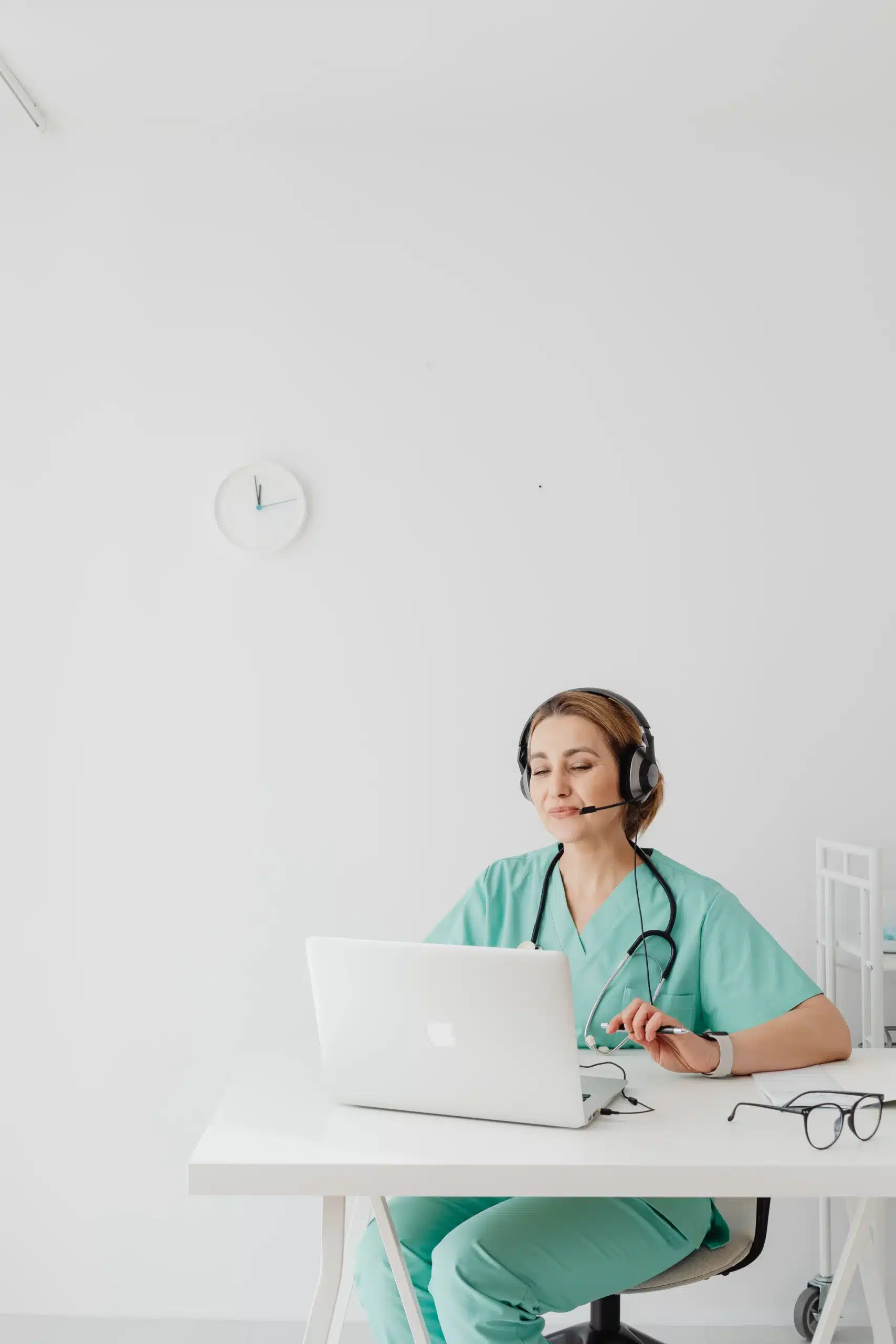
Stretching at home is not the same as receiving individualized pelvic floor physical therapy.
A pelvic health physical therapist can evaluate how your muscles are functioning and determine whether tension, weakness, coordination problems, or other factors may be contributing to symptoms.
Pelvic Floor Therapy Is Individualized
Two patients with endometriosis can experience very different pelvic floor problems.
One may have excessive muscle tension, while another may eventually require strengthening or coordination work. This is why following a generic exercise program may not address the actual problem.
A professional assessment can help determine what your pelvic floor needs.
Therapy May Include More Than Stretching
According to the supplied material, pelvic floor physical therapy may incorporate techniques such as myofascial release, progressive strengthening, and coordination retraining.
The specific techniques used should depend on the patient’s symptoms, examination, treatment history, and stage of recovery.
Relaxation Can Be Part of Breaking the Pain-Tension Cycle
If recurring pain has taught your body to continuously guard the pelvic region, learning to relax those muscles may become an important part of treatment.
This does not mean pelvic floor therapy treats the endometriosis itself. Instead, it can address muscular and functional problems that may exist alongside the condition.
Frequently Asked Questions
Can endometriosis cause a tight pelvic floor?
Endometriosis-related pain may contribute to protective muscle guarding and increased pelvic floor tension. However, pelvic pain can have multiple causes, so an individualized assessment is important.
Should I do Kegels if I have endometriosis?
Not automatically. Kegels involve contracting the pelvic floor and may not be appropriate when the muscles are already overly tense. A pelvic floor physical therapist can determine whether you need relaxation, coordination, strengthening, or a combination.
What stretches can help relax a tight pelvic floor?
The supplied material recommends gentle techniques including diaphragmatic breathing, Child’s Pose, Cat-Cow, hip-opening movements, and a supine figure-four stretch. The appropriate exercises depend on your symptoms and physical condition.
Should pelvic floor stretches hurt?
No. Pelvic floor relaxation exercises should be gentle. Stop or modify the movement if you experience significant pain or worsening symptoms. Read more in How Pelvic Floor Strength Affects Endometriosis Symptoms.
Can I do pelvic floor stretches before endometriosis surgery?
Gentle relaxation techniques may be incorporated before surgery when appropriate. Discuss exercises with your healthcare team, particularly if you are preparing for a complex procedure.
When can I start pelvic floor exercises after endometriosis surgery?
There is no universal timeline appropriate for every patient. The extent of your surgery and individual recovery should determine when exercises resume. Follow your surgeon’s postoperative instructions before beginning or restarting pelvic floor exercises.
Pelvic Floor Exercises Before and After Endometriosis Surgery
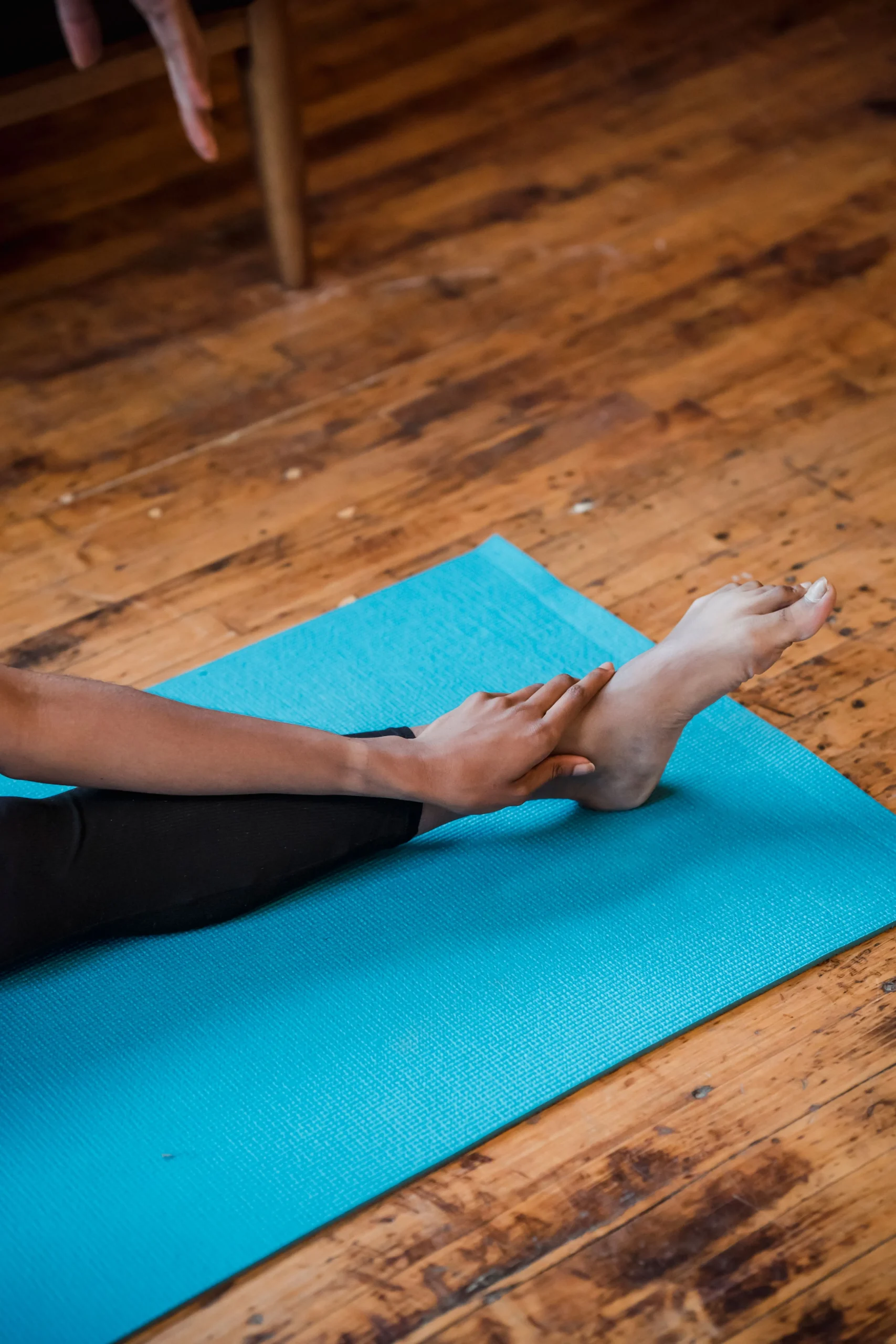
Pelvic floor care can look different before surgery than it does during recovery.
Before surgery, some patients may focus on breathing, relaxation, mobility, and improving awareness of how the pelvic floor responds to pain.
After surgery, the immediate priority is healing. Exercises and physical therapy should be reintroduced according to the instructions of your surgical and rehabilitation team.
Dr. Rachael Haverland and the Endometriosis Center of Excellence emphasize individualized treatment and recovery planning for patients undergoing endometriosis care.
If pelvic floor symptoms are part of your experience, discussing them with your endometriosis specialist can help determine whether pelvic floor physical therapy should become part of your broader treatment plan.
Conclusion
A tight pelvic floor can add another layer to the pain and discomfort experienced by some people with endometriosis.
Gentle techniques such as diaphragmatic breathing, Child’s Pose, and Cat-Cow may help encourage relaxation and comfortable movement. However, the right pelvic floor treatment depends on whether your muscles are tense, weak, poorly coordinated, or affected by another problem.
Rather than assuming your pelvic floor needs strengthening, consider discussing persistent pelvic tension or pain with a qualified pelvic health professional.
For patients preparing for or recovering from endometriosis surgery, exercise should always be adapted to the stage of recovery and the specific instructions provided by the surgical team.