
Complex endometriosis surgery can involve difficult decisions, particularly for patients who want to become pregnant in the future. Endometriosis itself may affect reproductive health, while surgery involving the ovaries or other reproductive structures can introduce additional considerations for ovarian reserve and future conception.
Fertility goals should therefore be discussed before surgery rather than after the procedure. Understanding how your surgeon plans to remove endometriosis while protecting healthy reproductive tissue can help you participate more actively in treatment decisions.
For patients undergoing complex endometriosis surgery, asking detailed questions about ovarian reserve, fertility preservation, surgical technique, and postoperative family planning can help ensure that reproductive goals are incorporated into the overall treatment strategy.
How Can Endometriosis Surgery Affect Fertility and Ovarian Reserve?
Endometriosis may affect fertility through several mechanisms, including inflammation and disease involving the ovaries or other reproductive structures. When surgery is recommended, the location and extent of disease become important because treatment may involve tissue close to structures that contribute to reproductive function.
For patients concerned about future pregnancy, preoperative evaluation provides an opportunity to assess reproductive goals and discuss whether additional fertility planning should occur before surgery.
How Will You Protect My Healthy Ovarian Tissue During Surgery?
This is particularly important when endometriosis involves the ovaries.
Ask your surgeon how they plan to distinguish endometriosis from healthy ovarian tissue and what techniques will be used to minimize unnecessary damage during lesion removal.
Patients can also ask whether the location, number, or size of ovarian endometriomas changes the surgical approach. The objective should be clearly explained so you understand how disease treatment is being balanced with preservation of ovarian function.
Should My Ovarian Reserve Be Evaluated Before Surgery?
Ovarian reserve assessment can provide useful information when fertility is an important consideration.
One commonly discussed test is anti-Müllerian hormone (AMH), which can provide information related to ovarian reserve. Ultrasound and a detailed reproductive history may also contribute to the overall assessment.
Useful questions include:
-
Should I have AMH testing before surgery?
-
Would ultrasound provide additional information about my ovaries?
-
Does my current ovarian reserve change your surgical recommendation?
-
Should these tests be repeated after surgery?
Ovarian reserve testing should be interpreted by an appropriate healthcare professional within the context of the patient’s overall reproductive health.
Should I Consider Egg or Embryo Freezing Before Surgery?
Fertility preservation options may include egg or embryo freezing for selected patients.
Whether these options should be considered depends on individual circumstances, including age, ovarian reserve, extent of ovarian involvement, previous surgery, and future family-building goals.
Ask whether consultation with a fertility specialist should occur before endometriosis surgery. This is especially important if surgery is expected to involve one or both ovaries or if you already have fertility concerns.
What Should You Ask About the Surgical Technique?

Not all endometriosis surgeries are identical. The extent of disease, organs involved, previous procedures, and surgeon’s experience can substantially influence the operation.
Understanding exactly what your surgeon intends to do can help you evaluate how the proposed procedure aligns with your fertility goals.
Will You Perform Laparoscopic Excision?
Laparoscopic excision uses minimally invasive techniques to identify and remove endometriosis lesions while attempting to preserve surrounding healthy structures.
Ask your surgeon:
-
Which lesions do you expect to remove?
-
Are my ovaries involved?
-
How will healthy ovarian tissue be preserved?
-
Could surgery involve my fallopian tubes?
-
What happens if more extensive disease is discovered during surgery?
The answers should give you a clearer understanding of both the planned procedure and potential decisions that could arise during surgery.
How Much Experience Do You Have With Fertility-Preserving Endometriosis Surgery?
Complex endometriosis may involve ovaries, bowel, bladder, pelvic nerves, or other structures. Surgical experience becomes particularly important when treatment requires extensive dissection while preserving healthy anatomy.
Ask how frequently the surgeon treats cases similar to yours and how fertility goals influence their surgical planning.
Patients may also want to ask whether additional specialists will be involved if imaging suggests disease affecting other organs.
Could Surgery Affect My Ovaries or Fallopian Tubes?
Ask specifically what reproductive structures may be affected by the planned operation.
Important questions include:
-
Is endometriosis affecting one or both ovaries?
-
Are my fallopian tubes involved?
-
Could scar tissue affect reproductive anatomy?
-
What circumstances could require removal of ovarian tissue?
-
How would unexpected findings be handled?
Understanding these possibilities before surgery allows you to discuss preferences and consent while there is still time to consider fertility preservation options.
What Should You Ask About Pregnancy After Endometriosis Surgery?

Fertility planning does not end when surgery is completed. Postoperative discussions should address recovery, reproductive goals, and whether additional fertility evaluation may be appropriate.
The ideal next step can differ considerably between someone hoping to conceive immediately and someone planning pregnancy several years later.
How Soon Can I Try to Conceive After Surgery?
There is no universal timeline that applies to every patient.
Ask your surgeon how the extent of your procedure and individual recovery may influence when attempting conception is appropriate.
If fertility treatment is already being considered, ask when you should reconnect with your reproductive endocrinologist or fertility specialist after surgery.
Will I Need Fertility Treatment After Surgery?
Surgery does not guarantee natural conception, and not every patient will require assisted reproductive treatment afterward.
Your surgeon should explain how factors such as age, ovarian reserve, disease extent, reproductive anatomy, and previous fertility history may influence the next steps.
If appropriate, coordinated care between your endometriosis surgeon and fertility specialist can help create a plan based on your individual goals.
How Will My Fertility Be Monitored After Surgery?
Ask what follow-up will be recommended after the procedure and whether additional reproductive testing may be appropriate.
Depending on your circumstances, postoperative planning might include reviewing surgical findings, monitoring recovery, discussing ovarian reserve, or coordinating with a fertility specialist.
Most importantly, ask what the surgeon actually found and treated during the procedure. Those findings may provide information that affects subsequent fertility planning.
Frequently Asked Questions
Does endometriosis surgery always improve fertility?
No. Fertility outcomes vary according to age, disease location and severity, ovarian reserve, reproductive anatomy, previous treatments, and other individual factors. Surgery should be considered within a broader fertility plan when future pregnancy is a priority.
Can surgery for an ovarian endometrioma affect ovarian reserve?
Surgery involving the ovary can potentially affect healthy ovarian tissue. Patients with ovarian endometriomas should discuss ovarian reserve and tissue-preserving surgical techniques before undergoing a procedure.
Should I see a fertility specialist before endometriosis surgery?
It may be appropriate for some patients, particularly those with ovarian involvement, existing fertility difficulties, reduced ovarian reserve, previous ovarian surgery, or concerns about delaying pregnancy.
What fertility preservation options can I discuss?
Egg freezing and embryo freezing are among the options that may be discussed. Whether either is appropriate depends on individual reproductive circumstances and should be evaluated with qualified fertility professionals.
What is AMH testing?
Anti-Müllerian hormone testing is commonly used as one component of ovarian reserve assessment. It should not be interpreted alone as a prediction of whether someone can or cannot become pregnant.
Why should I discuss fertility goals before surgery?
Your reproductive goals may influence preoperative testing, fertility preservation discussions, and surgical planning. Raising these concerns before surgery gives your healthcare team an opportunity to incorporate them into the treatment strategy.
Conclusion
Fertility preservation during complex endometriosis surgery requires planning before the operation begins. Patients should understand how endometriosis affects their reproductive anatomy, whether the ovaries or fallopian tubes are involved, and how the proposed surgical approach may affect healthy reproductive tissue.
Questions about ovarian reserve testing, egg or embryo freezing, laparoscopic excision, ovarian tissue preservation, surgeon experience, and pregnancy planning can provide valuable information before making treatment decisions.
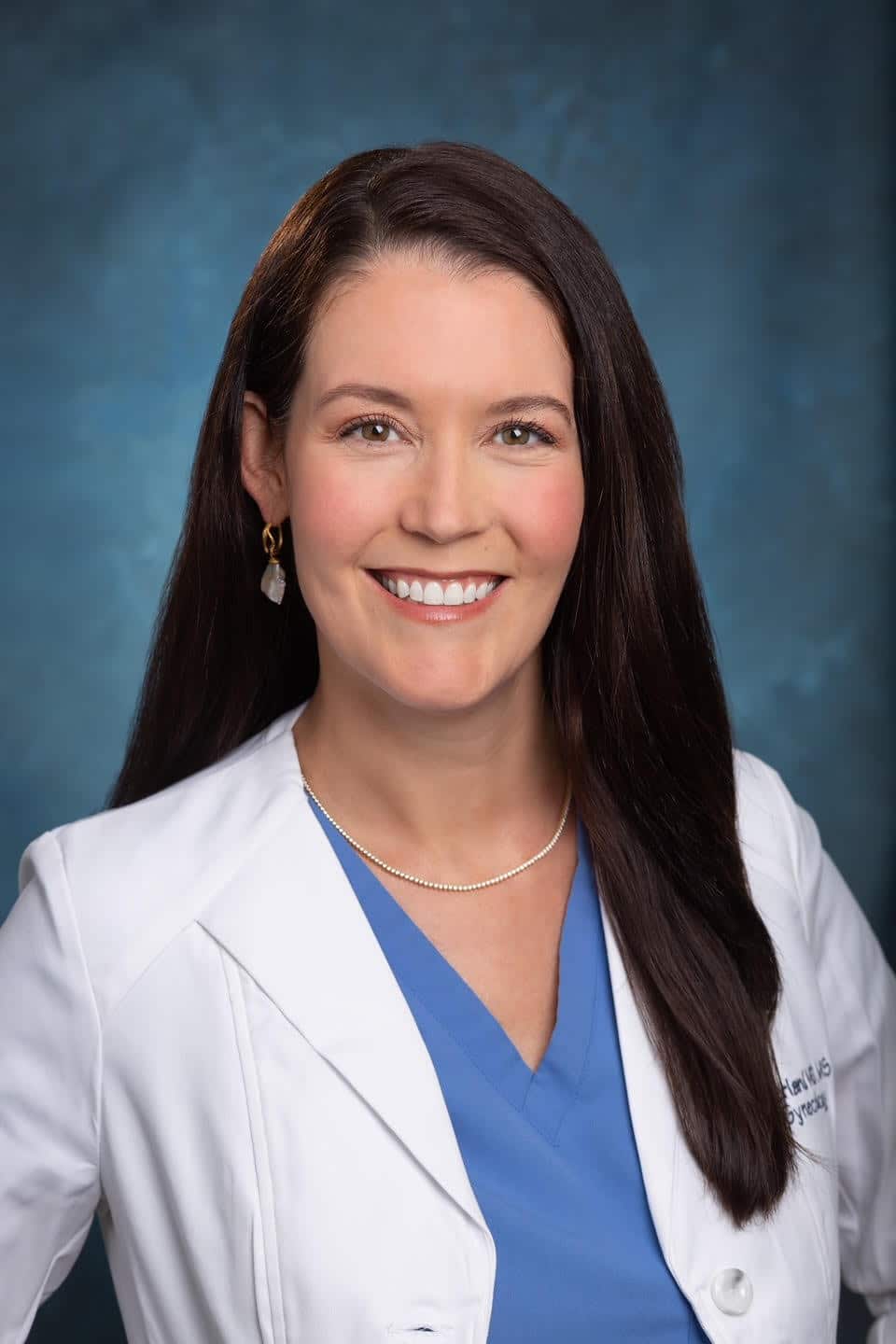
At the Endometriosis Center of Excellence, Dr. Rachael Haverland provides individualized evaluation and surgical planning for patients with complex endometriosis, including consideration of fertility goals when developing an appropriate treatment strategy.
If you are considering endometriosis surgery and future fertility is important to you, schedule a consultation with Dr. Rachael Haverland at the Endometriosis Center of Excellence to discuss your surgical options, reproductive goals, and fertility preservation considerations before treatment.