Finding the right endometriosis specialist may sometimes mean traveling outside your city or state for care. If surgery is involved, that trip requires more planning than an ordinary medical appointment.
You need to think about more than flights or hotel reservations. Medical records must reach the surgical team, accommodations need to work for postoperative recovery, transportation needs to be arranged, and you need to know when your surgeon considers it safe for you to travel home.
Planning these details before your procedure can make the experience more manageable and allow you to focus on your treatment and recovery.
Here is what to consider when traveling for endometriosis surgery.
Before You Travel: Coordinate Your Surgery and Medical Care

Start planning as early as possible once you know you will be traveling for specialized endometriosis care.
Your surgical team should be your primary source for medical instructions. Travel plans should be built around those recommendations rather than the other way around.
Gather Your Medical Records
Ask the surgical center which records they need before your consultation or procedure.
These may include:
-
Previous medical records
-
Imaging reports or images
-
Prior surgical reports
-
Test results
-
Current medication information
-
Relevant treatment history
Organizing these documents in advance can make it easier for your new care team to understand your medical history.
Do not assume every provider automatically has access to records from another health system.
Confirm Your Preoperative Requirements
If you need testing or medical clearance before surgery, determine whether it should be completed at home or after you arrive.
Ask your surgical team about:
-
Required preoperative evaluations
-
Medication instructions
-
Eating and drinking restrictions
-
Arrival time
-
Expected hospital stay
-
Whether another specialist may participate in surgery
-
How long you should remain near the surgical center afterward
Having these answers before booking your return trip can prevent unnecessary changes later.
Check Insurance and Travel Logistics
If you are traveling out of state, confirm your insurance coverage before the procedure.
Ask about the surgery itself as well as imaging, anesthesia, hospital services, laboratory testing, and other components of your care that may be billed separately.
You should also research accommodations close to the surgical center so you do not have a long or difficult journey immediately before or after surgery.
Plan for Recovery Away From Home
Your hotel, rental, or temporary accommodation becomes your recovery space after discharge, so convenience matters.
Choose arrangements based on what your postoperative needs are likely to be rather than what you would normally prioritize while traveling.
Stay Close to the Surgical Center
When possible, choose accommodations that minimize travel time between where you are staying and the hospital or surgical center.
You may need to return for a postoperative appointment or contact the team if a concern develops.
Before surgery, ask how long your surgeon recommends remaining locally.
Do not book a flight home immediately after the procedure unless your surgical team has specifically cleared that plan.
Bring Comfortable Recovery Clothing
Pack loose-fitting clothing that will not place unnecessary pressure around your abdomen.
You may also want:
-
Comfortable sleepwear
-
Easy-to-wear shoes
-
Basic toiletries
-
Necessary medical supplies
-
Chargers and personal essentials
-
Identification and insurance information
-
Copies or digital access to important medical documents
Keep your packing practical. Recovery comfort matters more than having multiple outfit options.
Travel With Support When Possible
Ask your surgical team whether someone needs to accompany you during discharge and early recovery.
A support person can help with transportation, meals, medication pickup, luggage, communication, and other everyday tasks that may be difficult immediately after surgery.
If you are traveling alone, discuss that with the surgical center beforehand so you understand what arrangements may be required.
How Do You Get Home Safely After Endometriosis Surgery?
Your return journey deserves as much planning as your trip to the surgical center.
The right time to travel depends on the extent of surgery, your recovery, complications, your transportation method, and your surgeon’s recommendations.
Ask Your Surgeon When You Can Travel
There is no single travel timeline that applies to every endometriosis surgery patient.
The supplied guidance mentions waiting approximately one to two weeks before air travel after laparoscopic surgery, but this should not be treated as a universal rule. Your surgeon should determine when you are medically ready to fly based on your procedure and recovery.
Before leaving, ask:
-
When am I cleared to fly or drive home?
-
How long can I safely remain seated?
-
Do I need to take precautions during travel?
-
What symptoms should stop me from traveling?
-
Who should I contact if something happens after I leave?
Do not choose your return date solely based on the cheapest or most convenient ticket.
Plan Transportation After Discharge
You may not be able to drive yourself after surgery.
Arrange transportation between the hospital and your accommodation and, eventually, to the airport or other departure point.
Avoid putting yourself in a situation where you need to carry heavy luggage or navigate complicated transportation alone during early recovery.
Know What Symptoms Require Medical Attention
Before traveling home, make sure you understand your postoperative warning signs.
If you develop unexpected or worsening symptoms, contact your surgical team rather than assuming you need to continue with your planned trip.
Your healthcare provider can determine whether you need evaluation before traveling.
Frequently Asked Questions
Why do some patients travel for endometriosis surgery?
Some patients seek care outside their local area when they want evaluation or treatment from a clinician who focuses on complex endometriosis or a specific surgical approach. Whether travel is necessary depends on the patient’s condition and available local care.
What should I bring when traveling for endometriosis surgery?
Bring comfortable clothing, toiletries, identification, insurance information, necessary medical supplies, and any medical records requested by your surgical team. Keep important postoperative instructions easily accessible.
How long should I stay near the hospital after surgery?
This depends on your procedure and individual recovery. Ask your surgeon how long you should remain near the surgical center before making nonrefundable return travel arrangements.
How soon can I fly after laparoscopic endometriosis surgery?
There is no universal timeline. Your surgeon should determine when you are medically ready for air travel based on the extent of your procedure, your recovery, and your individual risk factors.
Should someone travel with me for endometriosis surgery?
Having someone available can be helpful for transportation and practical support after surgery. Your hospital may also have specific discharge requirements regarding who must accompany you, so confirm these requirements beforehand.
What happens if I have a problem after returning home?
Before leaving the surgical center, ask who you should contact about postoperative concerns and whether follow-up can be coordinated with a healthcare provider closer to home.
Plan Your Follow-Up Care Before Going Home
Traveling home does not end your postoperative care.
Before leaving, confirm when your next follow-up is scheduled and whether it will happen in person or remotely.
You should know:
-
Who to contact with postoperative questions
-
Which symptoms require urgent evaluation
-
Where to seek care if a problem occurs at home
-
When follow-up appointments are scheduled
-
Whether you need additional specialists or rehabilitation
-
How your surgical team will communicate with your local healthcare providers
The source emphasizes the importance of establishing postoperative communication and planning follow-up care when recovering away from home.
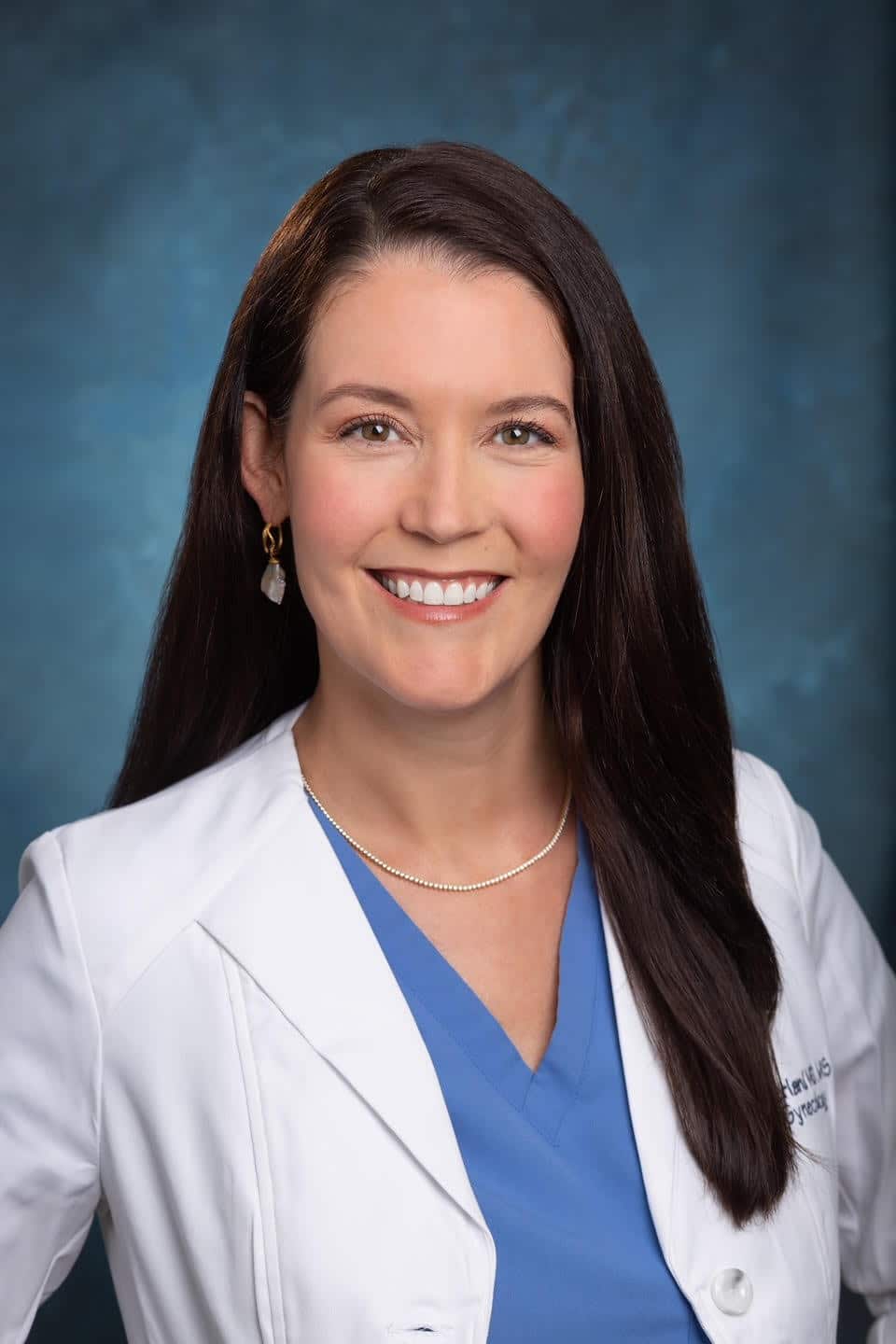
For patients traveling to the Endometriosis Center of Excellence for care with Dr. Rachael Haverland, discussing these logistical questions before surgery can help create a clearer plan for the period before surgery, local recovery, and the eventual return home.
Conclusion
Traveling for endometriosis surgery adds another layer of preparation to an already significant medical experience.
Gather your records early, understand your preoperative requirements, confirm insurance details, choose accommodations close to your surgical center, arrange transportation and support, and avoid committing to a return date until you understand your surgeon’s recommendations.
Most importantly, plan beyond surgery day.
Know where you will recover, who will help you, when you can safely travel, and how postoperative care will continue once you return home.
A well-organized travel plan cannot eliminate every uncertainty surrounding surgery, but it can help reduce avoidable logistical stress while you focus on your health and recovery.