

A lump near an old C-section scar may seem like ordinary scar tissue at first. But if that lump becomes more painful, tender, or swollen around your period, there may be another explanation: C-section scar endometriosis.
Scar endometriosis, also called abdominal wall endometriosis when it occurs in the abdominal wall, can develop near a previous surgical incision. One of its most recognizable patterns is pain that repeatedly worsens around menstruation.
Not every painful C-section scar is caused by endometriosis. Hernias, suture reactions, hematomas, infections, and other conditions can produce similar symptoms. That is why a changing or painful lump deserves proper medical evaluation rather than self-diagnosis.
What Does C-Section Scar Endometriosis Feel Like?
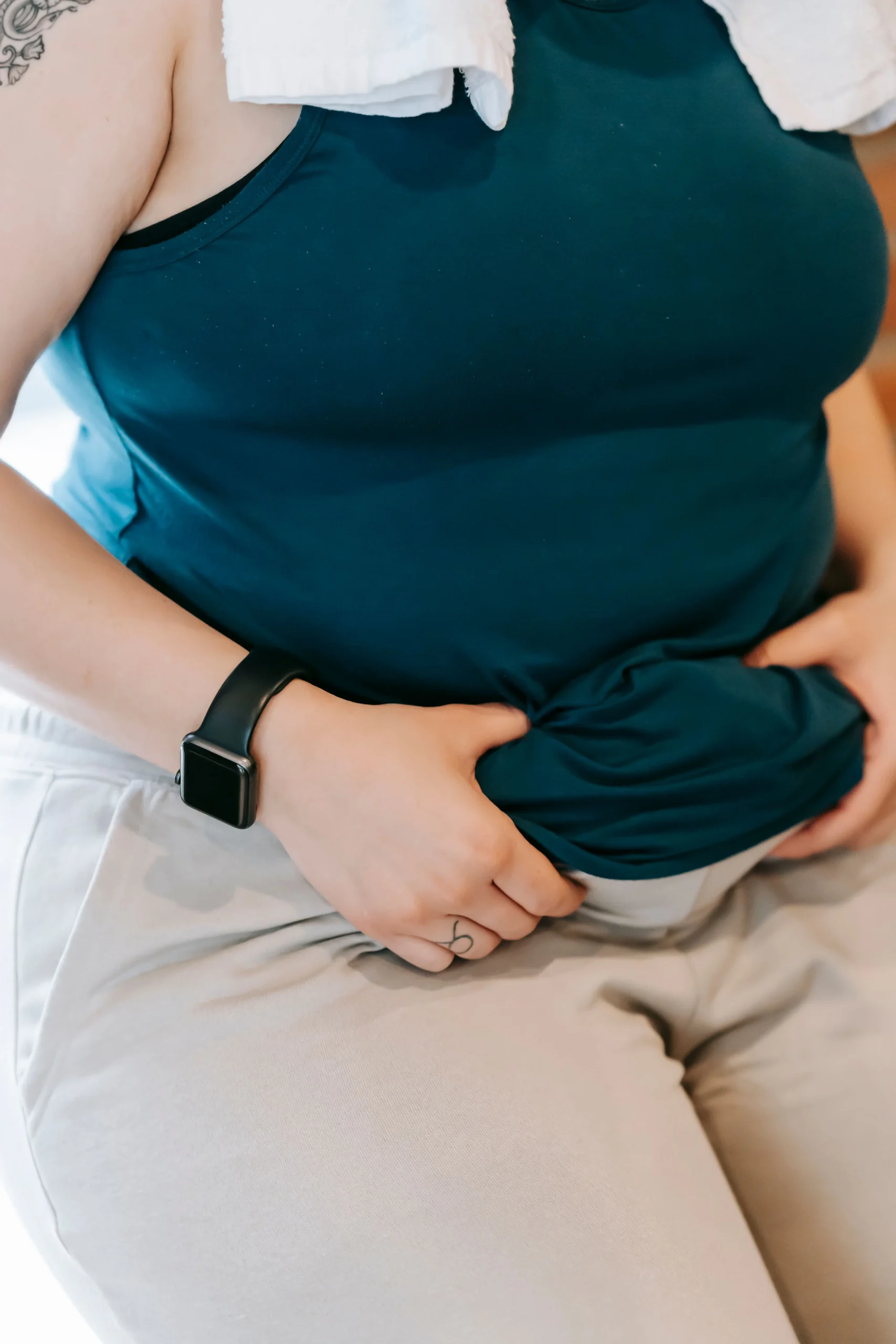
Scar endometriosis can be difficult to recognize because symptoms may develop well after the original C-section incision has healed.
The combination of a previous abdominal surgery, a palpable lump near the scar, and symptoms that fluctuate with the menstrual cycle can raise suspicion for scar endometriosis.
A Firm or Tender Lump Near the Scar
One of the most noticeable symptoms is a firm lump or nodule at or near the C-section incision.
The mass may be tender when touched and may gradually change over time.
However, the presence of a lump alone cannot confirm endometriosis. Several other conditions can cause masses around previous surgical sites.
Pain That Gets Worse During Your Period
The timing of the pain is particularly important.
Scar endometriosis may cause pain or tenderness that becomes more noticeable before or during menstruation and then improves afterward.
The source identifies this cyclical pattern as an important clue when distinguishing possible scar endometriosis from ordinary scar sensitivity.
Swelling or Changes Around the Incision
Some patients may notice that the area becomes more swollen or tender around their menstrual cycle.
Changes occurring repeatedly at approximately the same point in each cycle are worth discussing with a healthcare provider, particularly when they occur around a previous C-section or abdominal surgery scar.
How Is C-Section Scar Endometriosis Diagnosed?

A painful lump does not automatically mean you have scar endometriosis.
Diagnosis generally begins with your medical and surgical history, the characteristics of your symptoms, and a physical examination. Imaging may then be used to better understand the location and nature of the mass.
Your Symptom Pattern Matters
Tell your healthcare provider if the pain appears to follow your menstrual cycle.
Useful details include:
-
When you first noticed the lump
-
Whether it has changed in size
-
Where the pain occurs
-
Whether the area becomes swollen
-
Whether symptoms worsen around menstruation
-
When your C-section or other abdominal surgery occurred
Tracking symptoms over several cycles may also help you describe the pattern more clearly.
Imaging Can Help Evaluate the Mass
Ultrasound or other imaging may be used to evaluate a mass near a previous surgical scar.
Depending on the findings and individual circumstances, additional imaging may be recommended to better characterize the lesion and help with treatment planning.
Imaging should be interpreted alongside your symptoms and clinical examination rather than being treated as a diagnosis on its own.
Other Causes Need to Be Considered
Several conditions can resemble scar endometriosis.
The source specifically identifies possibilities including:
-
Hernia
-
Suture granuloma
-
Abscess
-
Hematoma
-
Other soft-tissue masses
Because these conditions require different treatments, proper evaluation is important before deciding what should happen next.
How Is C-Section Scar Endometriosis Treated?
Treatment depends on the diagnosis, the location and depth of the lesion, your symptoms, and other individual factors.
When scar endometriosis is confirmed and surgery is appropriate, treatment may involve removing the affected tissue.
Surgical Excision May Be Recommended
Excision involves surgically removing the endometriosis lesion and affected tissue.
For abdominal wall disease, the surgical approach depends on exactly where the lesion is located and how deeply it involves surrounding tissues.
This is important because scar endometriosis is outside the typical pelvic location of endometriosis. The surgical plan therefore needs to reflect the patient’s individual anatomy rather than assuming every lesion can be treated in exactly the same way.
Surgical Planning Matters
Imaging and examination can help the surgical team understand where the lesion is located and whether nearby structures may be involved.
For patients with suspected scar endometriosis, useful questions to ask include:
-
Where is the mass located?
-
How large is it?
-
How deeply does it extend?
-
What surgical approach would be used?
-
Could surrounding tissue or structures be involved?
-
What should I expect during recovery?
-
Will additional evaluation be needed for pelvic endometriosis?
The answers will depend on your individual case.
Recovery Varies Between Patients
Recovery depends on the size and location of the lesion, the extent of surgery, your overall health, and the specific procedure performed.
Some postoperative discomfort, swelling, or fatigue may occur during healing. Your surgeon should provide individualized instructions regarding wound care, pain management, activity, work, and follow-up.
Frequently Asked Questions
Can endometriosis grow in a C-section scar?
Endometriosis can occur at or near previous abdominal surgical scars, including C-section incisions. This is commonly referred to as scar endometriosis or abdominal wall endometriosis.
What does a C-section endometriosis lump feel like?
It may present as a firm or tender mass near the previous incision. Pain or swelling that repeatedly becomes worse around menstruation is an important symptom to mention to your healthcare provider.
How long after a C-section can scar endometriosis appear?
Symptoms do not necessarily develop immediately after surgery. A new or changing lump near an older C-section scar should still be evaluated, particularly when symptoms appear to follow the menstrual cycle.
Does a painful C-section scar always mean endometriosis?
No. Hernias, granulomas, abscesses, hematomas, and other conditions can cause lumps or pain near a previous incision. Medical evaluation is needed to determine the cause.
Can imaging diagnose C-section scar endometriosis?
Imaging can help characterize a mass and contribute to the diagnostic process, but it should be considered alongside your medical history, symptoms, and physical examination.
Does C-section scar endometriosis require surgery?
Treatment should be individualized. When scar endometriosis is confirmed, surgical removal may be recommended depending on the patient’s symptoms, lesion characteristics, health, and other clinical considerations.
When Should You Have a C-Section Scar Lump Checked?
Do not ignore a new, growing, or persistently painful lump near a previous C-section incision.
Evaluation is particularly important when you notice:
-
A firm lump at or near the scar
-
Increasing tenderness
-
Pain that worsens around your period
-
Monthly swelling or changes around the mass
-
Changes in the skin around the area
-
A lump that appears to be growing
These symptoms do not prove that you have endometriosis, but they provide a reason to investigate what is causing the change.
The Endometriosis Center of Excellence in Plano, Texas evaluates complex presentations of endometriosis, including disease involving previous surgical sites.
Conclusion
A painful lump near a C-section scar should not automatically be dismissed as normal scar tissue, particularly when the pain or swelling repeatedly worsens around your menstrual cycle.
C-section scar endometriosis is one possible explanation, but other conditions can produce similar symptoms.
The combination of your surgical history, symptom pattern, physical examination, and appropriate imaging can help your healthcare team determine what is causing the mass and whether treatment is needed.
If you have noticed a new or changing lump near an old C-section incision, especially one associated with cyclical pain, consider discussing it with a healthcare provider experienced in evaluating endometriosis and abdominal wall conditions.