

Rectovaginal endometriosis is a complex form of endometriosis in which endometrial-like tissue develops in the area between the rectum and vagina, known as the rectovaginal septum. Because of its location, the condition can cause deep pelvic pressure, persistent pelvic pain, painful bowel movements, discomfort during intercourse, and other bowel or pelvic symptoms that interfere with everyday life. Deep lesions may also create inflammation, adhesions, and changes in normal pelvic anatomy, making accurate diagnosis and individualized treatment especially important. Depending on the severity and extent of disease, treatment may include hormonal management, pain relief, pelvic floor therapy, or minimally invasive surgical excision. For patients with more complex disease, multidisciplinary care may also be needed. Understanding why pelvic pressure occurs and how rectovaginal endometriosis is evaluated can help patients have more informed discussions with their specialists and explore treatment options suited to their individual symptoms and health goals.
Why Rectovaginal Endometriosis Causes Deep Pelvic Pressure

Deep pelvic pressure associated with rectovaginal endometriosis can develop through several mechanisms. Endometriosis lesions can trigger inflammation and contribute to adhesions and fibrous tissue, potentially changing how pelvic structures move and function.
Because the rectovaginal septum is located near several important pelvic structures, disease in this area may affect more than one system. Symptoms can therefore include pelvic, bowel, bladder, and sexual discomfort rather than presenting as one isolated type of pain.
How Deep Endometriosis Affects Pelvic Structures
Deep infiltrating endometriosis can extend into or adhere to structures surrounding the reproductive organs. When lesions involve areas close to the rectum or bladder, they can contribute to inflammation, scarring, and changes in normal pelvic anatomy.
These changes may help explain why some patients experience pressure alongside bowel or urinary symptoms. For example, bowel involvement can contribute to painful bowel movements, while disease affecting nearby urinary structures may be associated with urinary discomfort.
Symptoms vary considerably between patients, making specialist evaluation important for understanding which structures may be involved.
The Role of Rectovaginal Nodules and Adhesions
Rectovaginal nodules may contribute directly to pelvic pain and pressure by affecting surrounding tissue and altering normal pelvic anatomy. Inflammation associated with these lesions may also increase sensitivity in the pelvic region.
Adhesions can further restrict the normal movement of pelvic structures. Together, inflammation, nodules, and adhesions may create a persistent feeling of heaviness or pressure.
Patients may experience several symptoms alongside this pressure. Paying attention to the complete symptom pattern can provide valuable information during evaluation.
Common concerns may include:
-
Persistent or recurring deep pelvic pressure
-
Painful bowel movements
-
Pain during intercourse
-
Gastrointestinal discomfort
-
Pelvic pain that changes around menstruation
Recording when these symptoms occur and how they affect daily activities can help provide useful context during a specialist consultation.
Recognizing and Diagnosing Rectovaginal Endometriosis
Diagnosing rectovaginal endometriosis requires careful assessment because its symptoms can overlap with other pelvic and gastrointestinal conditions. Persistent pelvic pain or bowel discomfort alone cannot determine whether rectovaginal endometriosis is present.
Evaluation may involve clinical assessment, medical history, imaging, and, in selected cases, laparoscopic examination. The objective is to understand both the presence and extent of suspected disease before developing a treatment plan.
Symptoms That May Lead to Further Evaluation
Persistent pelvic pain is one of the symptoms associated with rectovaginal endometriosis. Patients may also experience painful bowel movements, discomfort during intercourse, gastrointestinal concerns, or changes in symptoms around their menstrual cycle.
Because rectovaginal disease can affect structures close to the bowel and other pelvic organs, symptoms may not always feel exclusively gynecologic.
Patients experiencing persistent or worsening symptoms should discuss them with a healthcare provider. A detailed description of pain patterns, bowel symptoms, menstrual changes, and previous treatment can help guide the next stage of evaluation.
Ultrasound, MRI, and Laparoscopic Evaluation
Transvaginal ultrasound and magnetic resonance imaging, or MRI, may be used to evaluate suspected rectovaginal endometriosis. These imaging methods can help specialists identify lesions and assess the location and potential extent of disease.
Imaging findings are interpreted alongside symptoms and clinical examination. Depending on the individual case, laparoscopic evaluation may also be considered to directly visualize areas of suspected endometriosis.
A comprehensive evaluation may include several components:
-
Detailed symptom and medical history
-
Clinical pelvic evaluation when appropriate
-
Transvaginal ultrasound
-
MRI for additional anatomical detail
-
Laparoscopic evaluation when clinically indicated
Combining these findings can provide specialists with a clearer picture of the patient’s condition and help guide individualized treatment planning.
Medical and Supportive Treatment for Deep Pelvic Pressure

Not every patient with rectovaginal endometriosis immediately requires surgery. Medical management and supportive therapies may be considered based on symptoms, treatment goals, and the extent of disease.
The original content identifies hormonal therapies, pain management, pelvic floor therapy, and lifestyle support as potential components of care. Treatment may also change over time as symptoms and individual priorities evolve.
Hormonal Therapy and Pain Management
Hormonal treatment may be used to help manage endometriosis-related symptoms. Options discussed in the source include hormonal contraceptives and GnRH agonists, with the specific approach determined by the patient’s healthcare provider.
Pain management can also form part of conservative care. Nonsteroidal anti-inflammatory drugs, or NSAIDs, may be considered for some patients to help manage pain and inflammation.
Medical treatment is particularly relevant for patients whose symptoms can be managed without immediate surgery or for those who prefer to explore conservative options first. In some circumstances, medical therapy may also be incorporated into a broader long-term treatment strategy.
Pelvic Floor Therapy and Supportive Care
Pelvic floor dysfunction can contribute to the pain and pressure experienced by patients with endometriosis. Pelvic floor physical therapy may therefore complement medical or surgical treatment by addressing muscle function and pelvic discomfort.
The source also discusses psychological support and lifestyle modifications. Chronic pelvic pain can affect emotional well-being, relationships, work, and everyday activities, making supportive care an important part of a comprehensive treatment plan.
Supportive strategies may include:
-
Pelvic floor physical therapy
-
Individualized pain-management support
-
Counseling or cognitive behavioral therapy
-
Appropriate exercise based on individual tolerance
-
Stress-management strategies
These approaches are not substitutes for appropriate medical evaluation or treatment of endometriosis itself. Instead, they may support symptom management and quality of life as part of an individualized care plan.
Laparoscopic Excision for Rectovaginal Endometriosis
Surgery may be considered for patients with significant symptoms or more extensive disease, particularly when conservative approaches are not providing sufficient symptom control. The decision to proceed with surgery should be based on the patient’s individual findings, symptoms, and treatment goals.
The original content identifies laparoscopic excision as an important surgical approach for rectovaginal endometriosis. Because disease in this area may involve structures close to the bowel, careful surgical planning and appropriate expertise are particularly important.
How Laparoscopic Excision Addresses Deep Lesions
Laparoscopic excision is a minimally invasive procedure in which surgeons use small incisions and specialized instruments to identify and remove endometriosis lesions.
With rectovaginal disease, surgical treatment may require careful separation of affected tissues and excision of lesions while protecting nearby healthy structures. The exact procedure varies depending on lesion location, depth, adhesions, and possible involvement of surrounding organs.
When bowel involvement is suspected, treatment planning may require additional expertise. The surgical team evaluates how deeply disease affects surrounding structures and determines the appropriate approach based on individual findings.
Preserving Healthy Tissue and Considering Fertility
For patients concerned about future fertility, reproductive goals can be incorporated into treatment discussions before surgery. Rectovaginal endometriosis may affect pelvic anatomy and reproductive health differently from one patient to another.
Surgical planning can therefore consider both treatment of disease and preservation of healthy reproductive structures when clinically possible.
Patients concerned about fertility should discuss several considerations with their care team before treatment, including:
-
Current extent and location of endometriosis
-
Previous pelvic or endometriosis surgery
-
Ovarian and reproductive health
-
Future pregnancy goals
-
Whether consultation with a fertility specialist may be appropriate
These discussions allow treatment decisions to reflect the patient’s broader health priorities rather than focusing solely on the immediate surgical procedure.
Why Specialized Multidisciplinary Care Matters
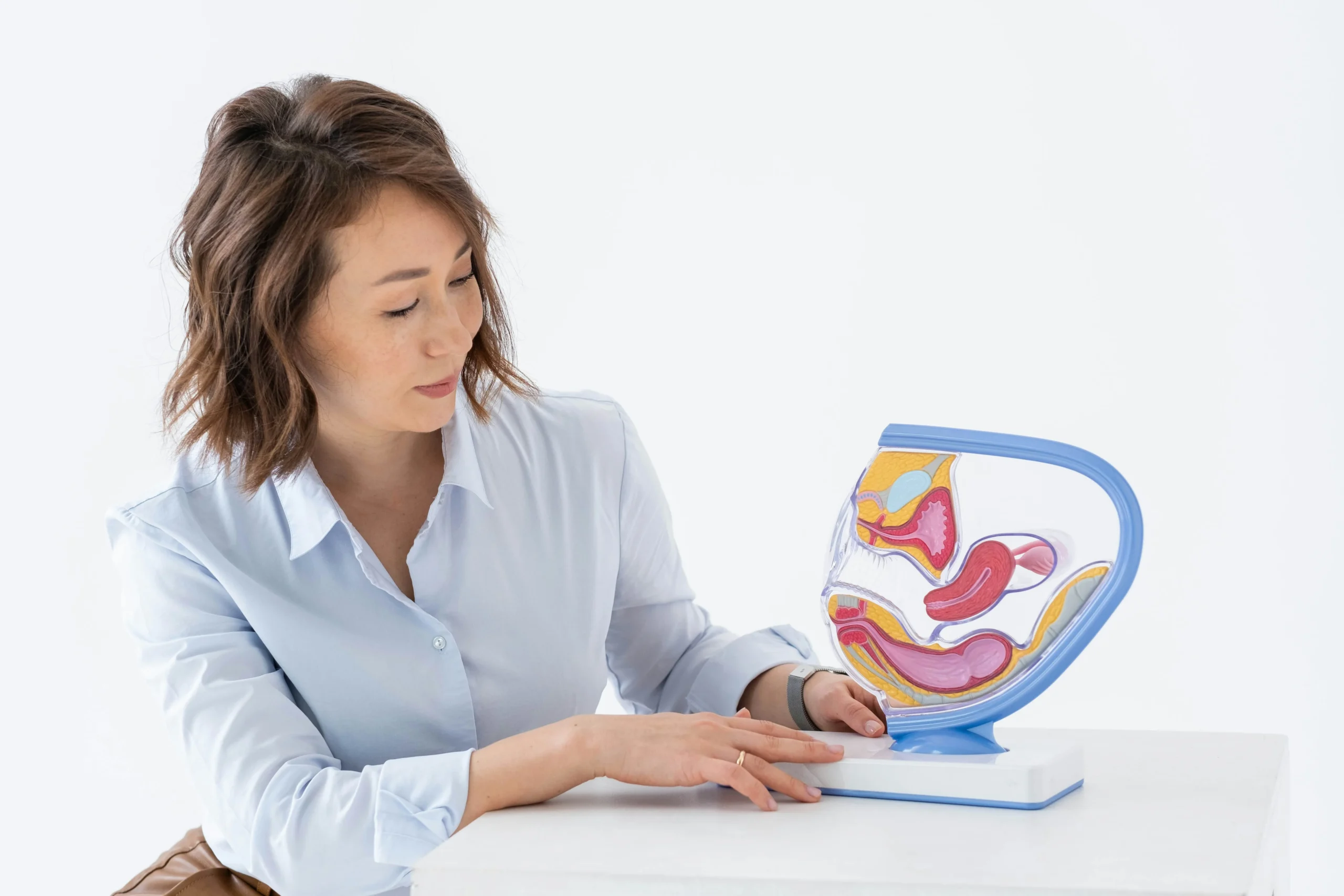
Rectovaginal endometriosis can affect multiple aspects of pelvic health at the same time. Pelvic pain, bowel symptoms, pelvic floor dysfunction, fertility concerns, and emotional well-being may all require attention during treatment.
For this reason, multidisciplinary planning can be valuable in more complex cases. Collaboration among gynecologic specialists, pain professionals, pelvic floor therapists, and other relevant healthcare providers can create a more comprehensive treatment strategy.
Coordinating Care for Complex Symptoms
A coordinated approach helps ensure that treatment addresses more than one symptom at a time. A surgeon may focus on the endometriosis lesions themselves, while pelvic floor therapy can address muscular dysfunction and pain specialists may help manage persistent discomfort.
When bowel involvement is significant, additional surgical expertise may also be appropriate. Likewise, patients with fertility concerns may benefit from discussing reproductive goals as part of treatment planning.
The specialists involved will depend on the individual patient’s symptoms and disease involvement rather than following the same multidisciplinary structure for everyone.
Creating an Individualized Long-Term Treatment Plan
Endometriosis is a chronic condition, and treatment needs may evolve over time. Some patients may initially manage symptoms medically, while others may eventually consider surgical treatment because of disease severity or persistent symptoms.
Long-term care may involve follow-up appointments, symptom monitoring, supportive therapy, or adjustments to medical treatment. Patients who undergo surgery may also require continued management depending on their recovery and ongoing symptoms.
The Endometriosis Center of Excellence, led by Dr. Rachael Haverland, emphasizes specialized evaluation and individualized treatment for patients with complex endometriosis.
Frequently Asked Questions
What Does Rectovaginal Endometriosis Feel Like?
Symptoms vary, but patients may experience deep pelvic pressure, persistent pelvic pain, painful bowel movements, discomfort during intercourse, or gastrointestinal symptoms. The location and severity of disease can influence how symptoms are experienced.
Can Rectovaginal Endometriosis Affect the Bowel?
Yes. Deep infiltrating lesions may involve or adhere to structures near the rectum and bowel. This can contribute to symptoms such as painful bowel movements or other gastrointestinal discomfort. The extent of bowel involvement should be evaluated individually.
Does Rectovaginal Endometriosis Always Require Surgery?
No. Treatment depends on symptoms, disease extent, personal circumstances, and treatment goals. Medical management, pain management, and supportive therapies may be appropriate for some patients, while laparoscopic excision may be considered for more significant disease or persistent symptoms.
Can Rectovaginal Endometriosis Affect Fertility?
Rectovaginal endometriosis may affect reproductive anatomy and can be associated with fertility challenges in some patients. Those concerned about fertility can discuss individualized assessment and potential fertility-preservation considerations with their healthcare team.
Take the Next Step Toward Relief From Rectovaginal Endometriosis
Deep pelvic pressure, painful bowel movements, and persistent pelvic pain can significantly affect everyday life when rectovaginal endometriosis is involved. Identifying the extent of disease through specialist evaluation can help determine whether medical management, supportive therapy, laparoscopic excision, or a combination of approaches may be appropriate. Because every patient’s symptoms and disease involvement are different, treatment should be built around individual findings and health goals.
If you are experiencing symptoms that may be related to rectovaginal or deep infiltrating endometriosis, schedule a consultation with Dr. Rachael Haverland at the Endometriosis Center of Excellence. A specialized evaluation can help clarify the source of your symptoms and develop a personalized treatment plan focused on your individual needs, pelvic health, and long-term quality of life.