

You had endometriosis excision surgery, the lesions were removed, and your initial surgical recovery is progressing. So why are you still experiencing pelvic pain?
Persistent pain after endometriosis surgery does not necessarily mean the surgery failed or that endometriosis has already returned. Pelvic pain is complex, and after living with endometriosis for months or years, other parts of the body may have become involved in the pain cycle.
Nerves can become unusually sensitive. Pelvic floor muscles may remain tense or poorly coordinated. Scar tissue and adhesions may contribute to discomfort. Some patients may also have overlapping conditions that produce symptoms similar to endometriosis.
Understanding these possibilities can help you and your healthcare team investigate why pain remains and determine what type of treatment may be appropriate.
Why Can Pain Continue After Endometriosis Is Removed?

Excision surgery addresses endometriosis lesions, but pain does not always have a single source.
The nervous system, pelvic floor muscles, surrounding tissues, and other pelvic conditions can all influence how pain is experienced. This means persistent symptoms require evaluation rather than automatically being attributed to recurrent endometriosis.
Nerves May Remain Sensitive
Nerve-related pain can feel different from typical postoperative soreness.
Burning, tingling, heightened sensitivity, or shooting pain may suggest that nerves are contributing to the symptoms. Nerves can become irritated by inflammation or affected during the surgical and healing process.
In some cases, nerve sensitivity may continue even after other surgical symptoms have improved.
Pelvic Floor Muscles Can Remain Guarded
Living with chronic pelvic pain can teach the body to protect the painful area.
Pelvic floor muscles may become tense, develop spasms, or lose normal coordination. That guarding can then contribute to additional discomfort, creating a cycle in which pain causes muscle tension and muscle tension contributes to more pain.
Pelvic floor dysfunction can also involve weakness or difficulty coordinating the muscles appropriately.
Scar Tissue and Adhesions May Contribute
Healing after surgery naturally involves tissue repair. In some patients, adhesions or scar tissue may contribute to restricted movement or discomfort.
However, persistent pain cannot be assumed to come from adhesions based on symptoms alone. Your healthcare provider may need to consider several potential causes before determining what is contributing to your pain.
Could Your Nervous System Still Be Responding to Pain?

Persistent pain is not always a sign that tissue is continuing to be damaged.
For some patients, changes in how the nervous system processes pain may become part of the problem.
This is where a concept called central sensitization becomes relevant.
What Is Central Sensitization?
Central sensitization describes increased sensitivity within the nervous system.
After prolonged pain or injury, the brain and spinal cord may begin processing pain signals differently. As a result, sensations that would normally produce little discomfort may feel significantly more painful.
This can help explain why pain sometimes continues after the original source of pain has been treated.
What Does Nerve-Related Pelvic Pain Feel Like?
Nerve involvement may produce symptoms such as:
-
Burning
-
Tingling
-
Shooting pain
-
Heightened sensitivity
-
Unusual painful sensations
These symptoms do not confirm a nerve problem on their own, but they provide useful information to discuss with your healthcare provider.
Can the Nervous System Be Retrained?
Some rehabilitation approaches focus on reducing sensitivity and helping the nervous system respond differently to movement and sensation.
Depending on the individual, treatment may incorporate therapeutic movement, sensory re-education, pain education, pelvic floor rehabilitation, and other strategies.
Treatment should be tailored to the specific mechanism suspected of contributing to the patient’s pain.
What Else Can Cause Persistent Pelvic Pain?
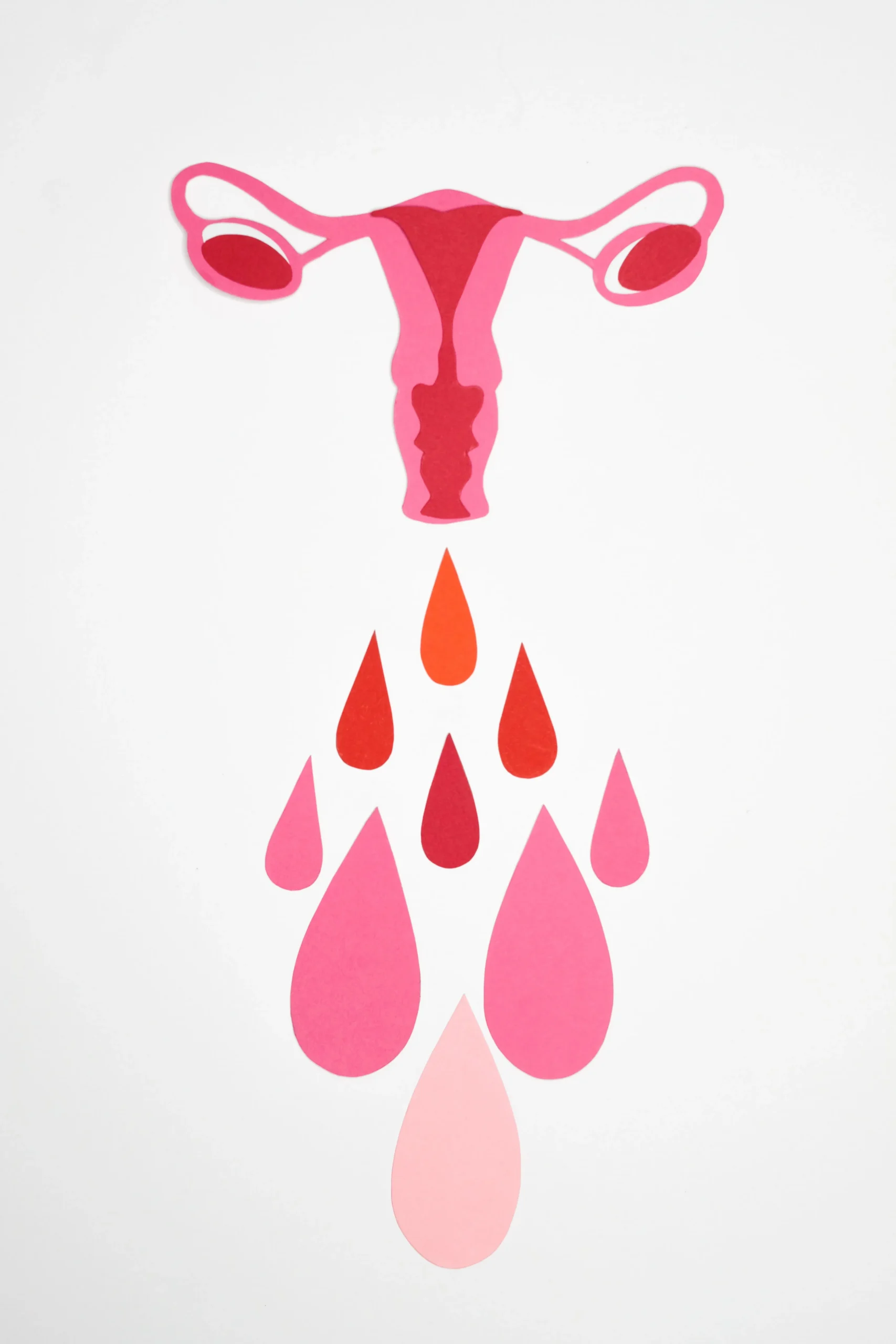
Not every symptom experienced after endometriosis surgery originates from endometriosis.
The source identifies several overlapping conditions that may coexist with endometriosis, including interstitial cystitis, vulvodynia, and irritable bowel syndrome. These conditions can complicate the clinical picture and may require their own evaluation and treatment.
Pelvic Floor Dysfunction
Pelvic floor dysfunction may involve excessive muscle tension, weakness, spasms, or poor coordination.
Possible symptoms can include pelvic pain, pain during sexual activity, urinary symptoms, and difficulty with normal movement.
A pelvic floor physical therapist can evaluate muscle function and determine whether rehabilitation may be appropriate.
Bladder, Bowel, or Vulvar Conditions
Symptoms involving the bladder, bowel, or vulvar region may sometimes overlap with symptoms attributed to endometriosis.
If these symptoms persist after surgery, further evaluation may help determine whether another condition is contributing.
The goal is not to assume every symptom has a separate diagnosis, but to avoid assuming every symptom must come from endometriosis.
The Effects of Long-Term Pain
Persistent pain can affect much more than the painful area itself.
Stress, anxiety, reduced physical activity, disrupted sleep, and fear of triggering pain can influence how someone moves and experiences symptoms.
These factors do not mean the pain is imaginary. They illustrate why chronic pain can require treatment that addresses several parts of the pain experience.
Frequently Asked Questions
Does pelvic pain after surgery mean endometriosis has returned?
Not necessarily. Persistent pelvic pain may have several potential causes, including nerve sensitivity, pelvic floor dysfunction, scar tissue, overlapping conditions, or continued surgical healing. Symptoms alone cannot determine whether endometriosis has returned.
How long can pelvic pain last after endometriosis surgery?
Some pelvic pain can occur for days or weeks while the body heals. The supplied material notes that recovery varies and that pain may persist longer when factors such as nerve involvement or muscle dysfunction are present.
What does nerve pain after endometriosis surgery feel like?
Possible nerve-related symptoms include burning, tingling, shooting pain, or heightened sensitivity. Persistent or worsening symptoms should be discussed with your healthcare provider.
Can pelvic floor therapy help persistent pain?
Pelvic floor physical therapy may be used when muscle tension, weakness, spasms, or coordination problems contribute to symptoms. Treatment can include individualized rehabilitation, relaxation techniques, and other approaches based on the patient’s needs.
What is central sensitization after endometriosis surgery?
Central sensitization refers to heightened nervous system sensitivity that can cause pain signals to be experienced more intensely. It may contribute to persistent pain even after the original source of pain has been treated.
When should I see my doctor about persistent pelvic pain?
Contact your healthcare provider if pain is not improving as expected, becomes worse, changes significantly, or is accompanied by new symptoms. Keeping track of the location, intensity, frequency, and characteristics of your pain can provide useful information during evaluation.
Persistent Pain May Require a Broader Treatment Approach
When pain continues after endometriosis surgery, the next step is not necessarily another operation.
The source identifies several nonsurgical approaches that may be considered depending on the cause of symptoms, including pelvic floor therapy, medications, and complementary approaches such as biofeedback or mindfulness.
Some patients may benefit from multidisciplinary care involving an endometriosis specialist, pelvic floor physical therapist, pain specialist, or other healthcare professionals.
At the Endometriosis Center of Excellence, evaluation of persistent symptoms can help identify which factors may be contributing to an individual’s pain and guide an appropriate treatment plan.
The important question is not simply, “Why do I still hurt?” It is, “What is contributing to my pain now?”
Conclusion
Persistent pelvic pain after endometriosis surgery can be frustrating, particularly when you expected removing the disease to resolve your symptoms.
But continuing pain does not automatically mean endometriosis has returned.
Nerve sensitivity, central sensitization, pelvic floor dysfunction, scar tissue, overlapping conditions, and the effects of long-term pain can all potentially contribute to symptoms after surgery.
Identifying the mechanism behind your pain matters because different causes may require different treatments.
If your pelvic pain continues beyond your expected recovery period or changes in intensity or character, discuss it with your healthcare provider. A comprehensive evaluation can help determine what may be contributing to your symptoms and what options are appropriate for your individual recovery.