
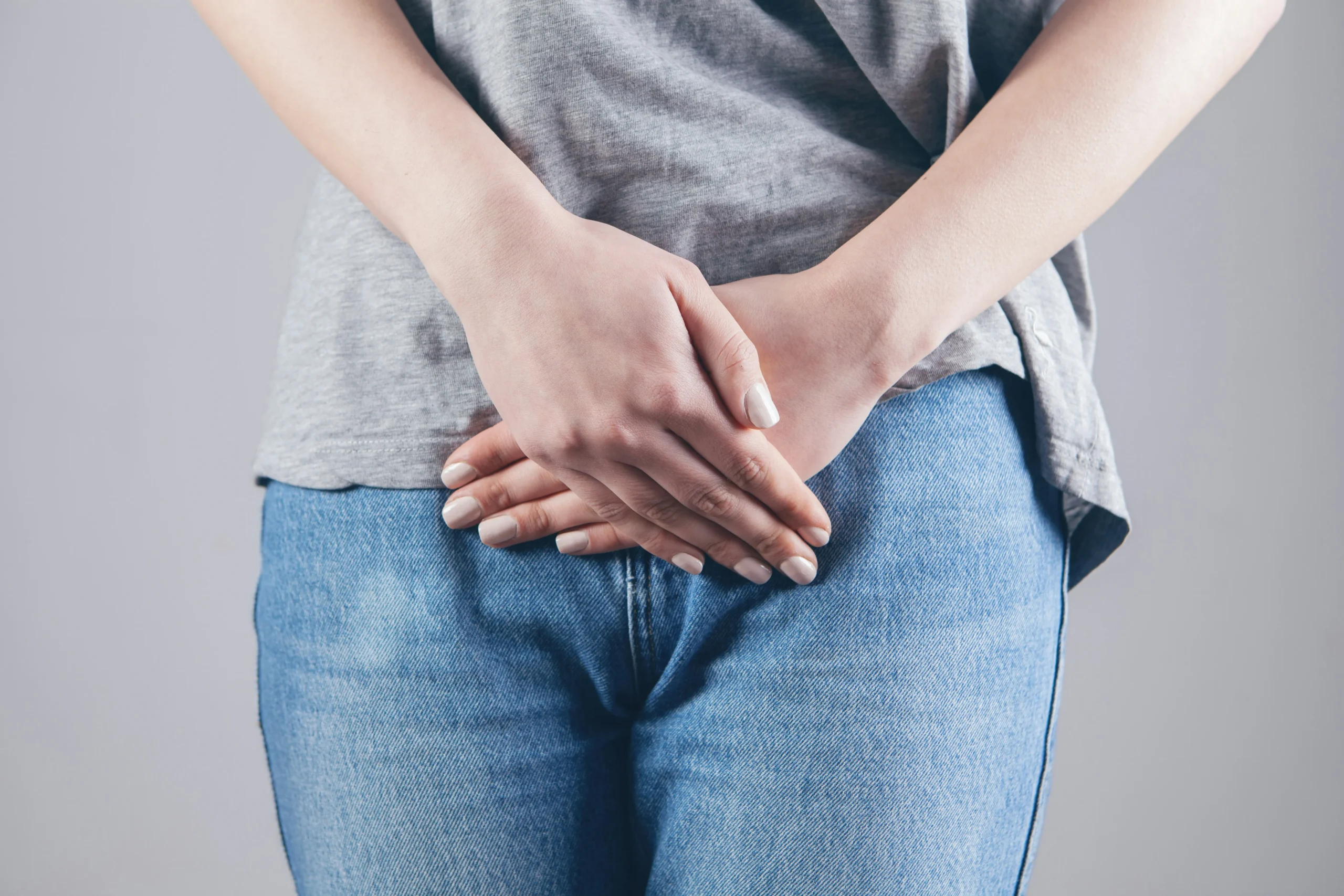
Bladder and urinary endometriosis is a less common but potentially serious form of endometriosis that affects the bladder or other parts of the urinary tract. Although many women associate endometriosis with pelvic pain and painful periods, urinary involvement can cause symptoms such as painful urination, pelvic pressure, urinary urgency, and bladder discomfort that are often mistaken for urinary tract infections or other bladder disorders. Because these symptoms overlap with several common conditions, diagnosis is frequently delayed, allowing symptoms to worsen over time. Understanding how bladder endometriosis develops, recognizing its warning signs, and learning about modern diagnostic and treatment options can help patients seek specialized care earlier. With personalized evaluation and appropriate treatment, many women achieve significant symptom relief while improving their long-term quality of life.
What Is Bladder and Urinary Endometriosis?

While endometriosis most commonly affects the ovaries, pelvic lining, and surrounding reproductive organs, it can also involve the bladder and urinary tract, including endometriosis affecting the ureters.
How Bladder Endometriosis Develops
Bladder endometriosis occurs when tissue similar to the uterine lining grows on or within the bladder wall. Like other forms of endometriosis, these lesions respond to hormonal changes throughout the menstrual cycle, leading to repeated inflammation, swelling, and irritation.
As the disease progresses, inflammation may affect bladder function and nearby pelvic structures. Some patients develop symptoms only during menstruation, while others experience discomfort throughout the month as inflammation becomes more persistent. For more detail, see our article Can Endometriosis Affect the Bladder.
Although urinary endometriosis is less common than other forms of the disease, recognizing it early is important because appropriate treatment can help prevent ongoing symptoms and preserve bladder function.
Why It Is Often Misdiagnosed
Many symptoms of bladder endometriosis closely resemble urinary tract infections, making it important to understand whether bladder pain and constant urgency may be endometriosis or a UTI. As a result, patients are often treated repeatedly for infections despite negative urine cultures.
The cyclical nature of symptoms provides one of the most valuable diagnostic clues. Pain and urinary symptoms that consistently worsen around menstruation should prompt further evaluation for possible endometriosis.
Because diagnosis requires experience with both gynecological and urinary disorders, referral to an endometriosis specialist is often an important step toward receiving appropriate care.
Common Symptoms of Bladder Endometriosis

Symptoms vary depending on the location and extent of disease involvement. Some patients experience only mild urinary discomfort, while others develop persistent pelvic pain that significantly interferes with daily activities.
Understanding the range of symptoms helps distinguish bladder endometriosis from other urinary conditions and encourages earlier medical evaluation.
Urinary Symptoms to Watch For
Bladder endometriosis frequently causes urinary symptoms that become more noticeable during the menstrual cycle. Inflammation around the bladder may increase sensitivity, making routine bladder filling and emptying painful.
Patients often notice recurring urinary symptoms that cannot be fully explained by infection or other common bladder disorders.
Common symptoms include:
Recognizing these warning signs can help patients seek appropriate evaluation before symptoms become more severe.
-
Painful urination
-
Frequent urination
-
Urinary urgency
-
Pelvic pressure
-
Bladder pain during menstruation
-
Blood in the urine during the menstrual cycle in some cases
Painful urination
Frequent urination
Urinary urgency
Pelvic pressure
Bladder pain during menstruation
Blood in the urine during the menstrual cycle in some cases
Although these symptoms can occur with several conditions, recurring menstrual-related urinary discomfort deserves further investigation.
Symptoms Beyond the Bladder
Bladder endometriosis rarely affects only the urinary tract. Many patients also experience symptoms associated with pelvic endometriosis, making comprehensive evaluation essential.
Chronic pelvic pain, painful menstrual cramps, pain during intercourse, lower back discomfort, and bowel symptoms may occur alongside urinary complaints. Some women also report fatigue and reduced quality of life due to recurring pain and frequent urination.
Because symptoms often overlap with other forms of endometriosis, healthcare providers evaluate the entire pelvis rather than focusing only on bladder symptoms.
Diagnosing Bladder and Urinary Endometriosis

An accurate diagnosis begins with understanding a patient’s symptoms, menstrual history, and overall medical history. Since urinary endometriosis is relatively uncommon, evaluation often requires specialized imaging and careful assessment to distinguish it from other bladder disorders.
Early diagnosis allows treatment to begin before ongoing inflammation leads to more extensive disease involvement.
Clinical Evaluation and Advanced Imaging
During the initial consultation, healthcare providers review symptom timing, urinary complaints, menstrual history, fertility goals, and previous treatments. Particular attention is given to whether urinary symptoms consistently worsen during menstruation.
Advanced imaging studies such as pelvic ultrasound and MRI help identify deep infiltrating endometriosis affecting the bladder or nearby urinary structures. These imaging techniques also assist with surgical planning when intervention becomes necessary.
Imaging provides valuable anatomical information, but findings are always interpreted alongside the patient’s symptoms and clinical examination.
The Role of Laparoscopy in Diagnosis
Although imaging is extremely useful, minimally invasive laparoscopy remains one of the most reliable methods for confirming bladder endometriosis. During the procedure, surgeons directly visualize the pelvic organs, identify endometriosis lesions, and assess the extent of disease.
Laparoscopy not only confirms the diagnosis but may also allow surgeons to remove visible endometriosis during the same procedure when appropriate.
Diagnostic evaluation may include:
Each step contributes to developing a personalized treatment plan based on the patient’s symptoms and the extent of disease involvement.
-
Detailed medical and menstrual history
-
Pelvic examination
-
Pelvic ultrasound or MRI
-
Laparoscopic evaluation when indicated
-
Assessment by an experienced endometriosis specialist
Detailed medical and menstrual history
Pelvic examination
Pelvic ultrasound or MRI
Laparoscopic evaluation when indicated
Assessment by an experienced endometriosis specialist
An accurate diagnosis provides the foundation for individualized treatment that addresses both urinary symptoms and the underlying endometriosis. For more detail, see our article Explore Causes of Endometriosis and Urinary Issues.
Treatment Options for Bladder and Urinary Endometriosis

Treatment for bladder endometriosis is based on the severity of symptoms, the location of the disease, bladder involvement, and each patient’s overall health and reproductive goals. Because no two patients experience the condition in exactly the same way, treatment plans are carefully individualized to provide symptom relief while preserving urinary and pelvic function.
Early intervention often improves outcomes and helps prevent disease progression.
Non-Surgical Management
For patients with mild symptoms or limited bladder involvement, conservative treatment may help control pain and reduce inflammation. Hormonal therapies are commonly used to suppress hormonal stimulation of endometriosis lesions, while pain management strategies may improve daily comfort. For more detail, see our article How to Relieve Endometriosis Bladder Pain.
Patients also benefit from regular monitoring to evaluate whether symptoms remain stable or require additional treatment. Lifestyle modifications, hydration, and pelvic floor rehabilitation may complement medical management depending on individual needs.
A comprehensive treatment plan may include:
Each recommendation is tailored to the patient’s symptoms and long-term treatment goals.
-
Hormonal therapy to reduce disease activity
-
Pain management when appropriate
-
Pelvic floor physical therapy
-
Routine follow-up evaluations
-
Personalized symptom monitoring
Hormonal therapy to reduce disease activity
Pain management when appropriate
Pelvic floor physical therapy
Routine follow-up evaluations
Personalized symptom monitoring
Although non-surgical treatment can effectively manage symptoms for many patients, persistent or progressive disease may require surgical intervention.
Minimally Invasive Surgical Treatment
When bladder endometriosis causes significant symptoms or deeply infiltrates the bladder wall, minimally invasive laparoscopic excision surgery may be recommended. Rather than simply suppressing symptoms, excision surgery removes endometriosis lesions while preserving as much healthy bladder tissue as possible.
Careful surgical planning is especially important when urinary structures are involved. Advanced imaging helps surgeons understand the extent of disease before surgery, allowing for precise treatment while protecting bladder function.
Many patients experience meaningful improvements in painful urination, pelvic pressure, urinary urgency, and overall quality of life following successful excision surgery.
Why Specialized Care Is Important

Bladder endometriosis often involves both gynecological and urinary systems, making specialized care essential for accurate diagnosis and effective treatment. A multidisciplinary approach ensures that every aspect of the condition is evaluated while treatment is tailored to each patient’s unique needs.
Coordinated Care Improves Outcomes
Managing bladder endometriosis may involve collaboration between minimally invasive gynecologic surgeons, urologists, radiologists, pelvic floor therapists, and pain management specialists. This team-based approach allows patients to receive comprehensive care throughout diagnosis, treatment, and recovery.
Working together, specialists can evaluate complex cases, coordinate imaging and surgery, and develop individualized long-term management plans that address both urinary symptoms and pelvic health.
Coordinated care also helps patients receive consistent follow-up while monitoring recovery and reducing the risk of ongoing complications.
Protecting Long-Term Bladder and Pelvic Health
Successful treatment extends beyond relieving symptoms. Long-term management focuses on preserving bladder function, reducing chronic inflammation, maintaining pelvic mobility, and supporting overall quality of life.
Patients who receive specialized care often gain a better understanding of their condition and develop practical strategies for managing symptoms throughout recovery.
Regular follow-up appointments also allow healthcare providers to monitor progress, adjust treatment recommendations, and provide continued support as healthcare needs evolve.
Frequently Asked Questions
Can Endometriosis Affect the Bladder?
Yes. Endometriosis can grow on or within the bladder, causing symptoms such as painful urination, pelvic pressure, urinary urgency, and bladder pain, particularly during menstruation.
Is Painful Urination Always Caused by a Urinary Tract Infection?
No. Although urinary tract infections commonly cause painful urination, recurring symptoms that worsen during the menstrual cycle may indicate bladder endometriosis or another underlying pelvic condition.
Is Surgery Always Necessary for Bladder Endometriosis?
Not always. Some patients achieve symptom relief with hormonal therapy and conservative management. Surgery is generally considered when symptoms persist, disease is extensive, or bladder function is significantly affected.
How Is Bladder Endometriosis Confirmed?
Diagnosis typically involves a combination of medical history, pelvic examination, advanced imaging such as MRI or ultrasound, and, when appropriate, minimally invasive laparoscopy to confirm the presence of endometriosis.
Finding Lasting Relief From Bladder Endometriosis
Bladder and urinary endometriosis can significantly affect daily comfort, bladder function, and overall quality of life, but timely diagnosis and personalized treatment can make a meaningful difference. Recognizing symptoms such as painful urination, pelvic pressure, urinary urgency, and bladder pain that worsen during the menstrual cycle is the first step toward receiving appropriate care. Whether treatment involves medical management, minimally invasive excision surgery, or a combination of therapies, individualized care remains essential for achieving long-term symptom relief and protecting urinary health.
At the Endometriosis Center of Excellence, our experienced team specializes in diagnosing and treating complex forms of endometriosis, including bladder and urinary involvement. Through advanced diagnostic evaluation, minimally invasive excision surgery, and personalized treatment planning, we help patients reduce pain, improve bladder function, and regain confidence in their daily lives. Schedule a consultation today to learn more about treatment options tailored to your individual needs.