
The best way to approach how to prevent endometriosis is to understand that there is currently no proven way to prevent the condition from developing. However, recognizing early symptoms, seeking timely medical evaluation, and starting appropriate care may help manage symptoms, address complications, and protect your quality of life.
Although you cannot guarantee that endometriosis will not develop or progress, you can take meaningful steps toward understanding your symptoms and receiving appropriate treatment. Early evaluation at the Endometriosis Center of Excellence can help you explore your options and create a personalized care plan.
Can Endometriosis Be Prevented?

Currently, there is no established method that reliably prevents endometriosis. Researchers continue to investigate why the condition develops, but its exact causes are not fully understood.
Endometriosis occurs when tissue similar to the lining of the uterus grows outside the uterus, often on the ovaries, fallopian tubes, and pelvic lining. It is believed to involve several interacting factors, including hormonal activity, immune system responses, inflammation, and genetic influences. Because these factors are complex, no specific diet, exercise routine, medication, or lifestyle change has been proven to stop endometriosis from developing.
You may not be able to prevent endometriosis itself, but recognizing symptoms early and seeking appropriate care can help you avoid prolonged uncertainty and unnecessary delays in treatment. What you can focus on includes:
-
Recognizing symptoms: Pay attention to menstrual pain, pelvic discomfort, painful bowel movements, and other recurring symptoms that interfere with daily activities.
-
Seeking evaluation: Discuss persistent or worsening symptoms with a healthcare professional rather than assuming they are normal menstrual experiences.
-
Understanding your diagnosis: Appropriate evaluation can help identify possible endometriosis and distinguish it from other conditions with similar symptoms.
-
Exploring treatment: Medical management, supportive therapies, and surgery may help address symptoms and complications, depending on your individual situation.
-
Monitoring changes: Keep track of symptoms and communicate new or worsening concerns during follow-up appointments.
Why Does Early Diagnosis Matter?

Endometriosis can affect more than your menstrual cycle. Depending on where the tissue develops and how your body responds, it may contribute to persistent pelvic pain, inflammation, scar tissue, and changes in pelvic anatomy. Early diagnosis gives you an opportunity to understand what is causing your symptoms and consider appropriate treatment before they significantly interfere with your daily life.
How Can Delayed Diagnosis Affect Your Health?
When endometriosis remains unrecognized, symptoms may continue without an effective management plan. Some individuals experience worsening pain, while others notice changes in bowel, bladder, or reproductive health. Potential concerns include:
-
Persistent inflammation: Endometriosis lesions may trigger ongoing inflammatory responses in surrounding tissues.
-
Adhesion formation: Scar-like tissue can cause pelvic structures to stick together, potentially affecting their normal movement and function.
-
Chronic pain: Repeated pain episodes may become more difficult to manage and interfere with work, sleep, relationships, and physical activity.
-
Fertility concerns: Endometriosis is associated with infertility in some people, although many individuals with the condition can still conceive.
-
Emotional strain: Living with unexplained pain or uncertainty may contribute to stress, frustration, and reduced emotional well-being.
Can Early Care Protect Fertility?
Endometriosis does not automatically mean you will experience infertility. Many individuals with endometriosis conceive naturally, while others may need additional evaluation or fertility support.
Early assessment may help identify ovarian involvement, changes in pelvic anatomy, or other factors that could affect reproductive health. If you hope to become pregnant, discussing your fertility goals before choosing treatment is particularly important.
What Early Signs Should You Watch For?

Endometriosis symptoms vary considerably. Some individuals experience severe menstrual pain, while others have persistent pelvic discomfort or symptoms involving the digestive or urinary systems.
Which Symptoms May Indicate Endometriosis?
Common symptoms include:
-
Severe menstrual cramps: Pain that disrupts school, work, sleep, or everyday responsibilities may warrant further evaluation.
-
Chronic pelvic pain: Discomfort may occur during menstruation or continue throughout the month.
-
Heavy or irregular bleeding: Some individuals experience heavy periods, prolonged bleeding, or spotting between periods.
-
Pain during intercourse: Deep pelvic pain during or after sexual activity can be associated with endometriosis.
-
Painful bowel movements: Discomfort during bowel movements, particularly around menstruation, may indicate pelvic involvement.
-
Urinary symptoms: Painful urination, bladder discomfort, or recurring urinary symptoms may require further investigation.
-
Difficulty becoming pregnant: Endometriosis may contribute to fertility challenges in some individuals.
-
Lower back or abdominal pain: Pain may extend beyond the immediate pelvic area and vary throughout the menstrual cycle.
When Should You Contact a Healthcare Provider?
Consider scheduling an evaluation if you notice:
-
Menstrual pain that regularly prevents you from completing daily activities.
-
Pelvic pain that continues between periods or becomes increasingly difficult to manage.
-
Pain during sex, bowel movements, or urination.
-
Bleeding patterns that change significantly or cause concern.
-
Persistent digestive or urinary discomfort associated with your menstrual cycle.
-
Difficulty conceiving or concerns about your future fertility.
Seek urgent medical attention for sudden, severe pelvic pain, particularly when accompanied by fainting, fever, vomiting, or unusually heavy bleeding. These symptoms can have several possible causes and should not automatically be attributed to endometriosis.
What Happens During an Early Endometriosis Evaluation?

An evaluation helps connect your symptoms, medical history, and examination findings to determine whether endometriosis may be contributing to your discomfort.
What Information Should You Prepare?
Before your appointment, consider documenting:
-
Menstrual history: Record when your periods begin, how long they last, and whether pain or bleeding changes throughout your cycle.
-
Pain patterns: Note where discomfort occurs, how intense it feels, and whether it appears during specific activities or times of the month.
-
Digestive and urinary symptoms: Document bloating, constipation, painful bowel movements, bladder discomfort, or other recurring concerns.
-
Previous treatments: Make a list of medications, hormonal treatments, or other approaches you have tried and whether they helped.
-
Fertility goals: Share whether you are currently trying to conceive or hope to become pregnant in the future.
What Questions Should You Ask?
You may want to ask:
-
Could my symptoms be related to endometriosis?
-
What other conditions might cause similar symptoms?
-
Would imaging or additional evaluation be appropriate?
-
How might endometriosis affect my fertility?
-
Which treatment options match my symptoms and reproductive goals?
A specialized endometriosis consultation can help you explore these questions and understand which diagnostic and treatment approaches may be appropriate.
How Is Endometriosis Diagnosed?
Diagnosing endometriosis can require careful evaluation because its symptoms overlap with other gynecological, digestive, urinary, and pelvic conditions. There is no single symptom or routine test that identifies every case. Your healthcare provider may combine your medical history, physical examination, imaging findings, and, when appropriate, surgical evaluation.
Can Imaging Detect Endometriosis?
Ultrasound and magnetic resonance imaging (MRI) may help identify certain forms of endometriosis, including ovarian endometriomas and some cases of deep endometriosis. Imaging can also provide information about the location and possible extent of disease, helping guide treatment discussions. However, normal imaging does not necessarily rule out endometriosis. Superficial lesions, in particular, may not be visible on standard imaging examinations.
Is Surgery Always Necessary for Diagnosis?
Not everyone needs surgery before beginning treatment. A healthcare provider may make a clinical diagnosis based on symptoms, examination findings, and imaging, then discuss appropriate medical management. In certain situations, laparoscopy may be considered to evaluate and treat suspected endometriosis. This minimally invasive procedure uses small incisions and a camera to examine the pelvic cavity.
When surgical treatment is appropriate, laparoscopy for endometriosis may allow the surgeon to identify affected areas and remove visible disease.
What Treatment Can Help Manage Endometriosis?

Once endometriosis is suspected or diagnosed, treatment focuses on addressing your symptoms, overall health, and individual priorities.
Which Non-surgical Treatments May Help?
Medical management can help reduce symptoms and improve daily functioning. Depending on your circumstances, options may include:
-
Anti-inflammatory medications: These may help manage pain and discomfort associated with inflammation.
-
Hormonal medications: Certain treatments may reduce menstrual activity and suppress hormonal stimulation of endometriosis-related symptoms.
-
Pelvic floor physical therapy: Specialized exercises and techniques may help address pelvic muscle tension, pain, and movement-related discomfort.
-
Nutrition guidance: Individualized nutrition recommendations may support digestive comfort and general well-being, although dietary changes do not prevent or eliminate endometriosis.
-
Ongoing symptom monitoring: Regular follow-up can help determine whether your current approach is providing adequate relief or needs adjustment.
Hormonal treatments may not be appropriate for everyone, particularly when pregnancy is a current goal. Your treatment options should reflect your medical history and reproductive plans.
When Might Surgical Excision Be Considered?
Surgery may be considered when symptoms remain difficult to manage, medical treatment is not appropriate or effective, or examination findings suggest disease that may benefit from removal. Endometriosis excision surgery involves removing visible endometriosis lesions rather than simply destroying their surface. The Endometriosis Center of Excellence describes excision as the gold standard of surgical treatment.
Dr. Rachael Haverland performs laparoscopic and robotic-assisted endometriosis excision surgery. Excised tissue is sent to pathology for examination and confirmation.
A hysterectomy, or removal of the uterus, is a separate procedure. It does not by itself remove endometriosis outside the uterus, so it is not considered a way to prevent endometriosis. Depending on the location and extent of disease, excision surgery may help address pain, remove affected tissue, and improve pelvic function. However, symptom improvement and fertility outcomes vary, and surgery cannot guarantee that endometriosis will never return.
What Can You Do to Support Your Health Between Appointments?

Although lifestyle changes cannot prevent endometriosis, practical habits may help you manage discomfort and communicate more effectively with your healthcare team.
How Can You Monitor Your Symptoms?
Keeping a simple symptom journal can help you recognize patterns and explain your experiences during appointments. Consider recording:
-
Pain intensity: Note whether discomfort is mild, moderate, or severe and whether it affects your normal routine.
-
Cycle-related changes: Record whether symptoms appear before, during, or after menstruation.
-
Food and digestive responses: Observe whether certain meals appear to coincide with bloating or digestive discomfort without assuming they cause endometriosis.
-
Daily activities: Track whether exercise, prolonged sitting, bowel movements, or sexual activity affect your symptoms.
-
Treatment responses: Record which medications or supportive therapies seem helpful and whether any side effects occur.
Which Daily Habits May Support Symptom Management?
Depending on your individual needs, you may find it helpful to:
-
Maintain gentle physical activity: Walking, stretching, or other comfortable movement may support general health and help some individuals manage discomfort.
-
Prioritize sleep: Consistent sleep habits may support energy levels and your ability to cope with chronic pain.
-
Choose balanced meals: Regular, nutritious meals can support digestive and general health, although no particular diet has been proven to prevent endometriosis.
-
Make time for emotional support: Counseling, supportive relationships, and stress-management practices may help you navigate the emotional effects of persistent symptoms.
-
Follow your treatment plan: Discuss medication concerns, new symptoms, and changes in your health rather than stopping or adjusting prescribed treatment independently.
Frequently Asked Questions
Can Endometriosis Develop Even If You Have No Symptoms?
Yes. Some individuals have endometriosis without noticeable symptoms, while others experience significant pain. The absence of symptoms does not necessarily mean the condition is absent.
Can Endometriosis Go Away on Its Own?
Endometriosis does not reliably disappear without treatment. Symptoms may fluctuate over time, but changes in pain do not necessarily mean the underlying disease has resolved.
Does Having Painful Periods Mean You Have Endometriosis?
Not necessarily. Severe menstrual pain can have several causes, including endometriosis and other gynecological conditions. A healthcare provider can help investigate the source of your symptoms.
Can You Prevent Endometriosis Through Diet and Exercise?
No specific diet or exercise routine has been proven to prevent endometriosis. Healthy habits may support general well-being and symptom management, but they cannot guarantee protection against developing the condition.
Does Early Treatment Mean You Will Not Need Surgery?
Not always. Some individuals manage their symptoms with medical treatment and supportive therapies, while others may benefit from surgery. The appropriate approach depends on disease characteristics, symptom severity, treatment response, and personal goals.
Schedule an Evaluation at Endometriosis Center of Excellence
Although there is no proven way to prevent endometriosis itself, early recognition and appropriate care can make a meaningful difference in how you manage the condition. Paying attention to persistent symptoms, understanding your diagnosis, and exploring treatment options can help you make informed decisions about your long-term health.
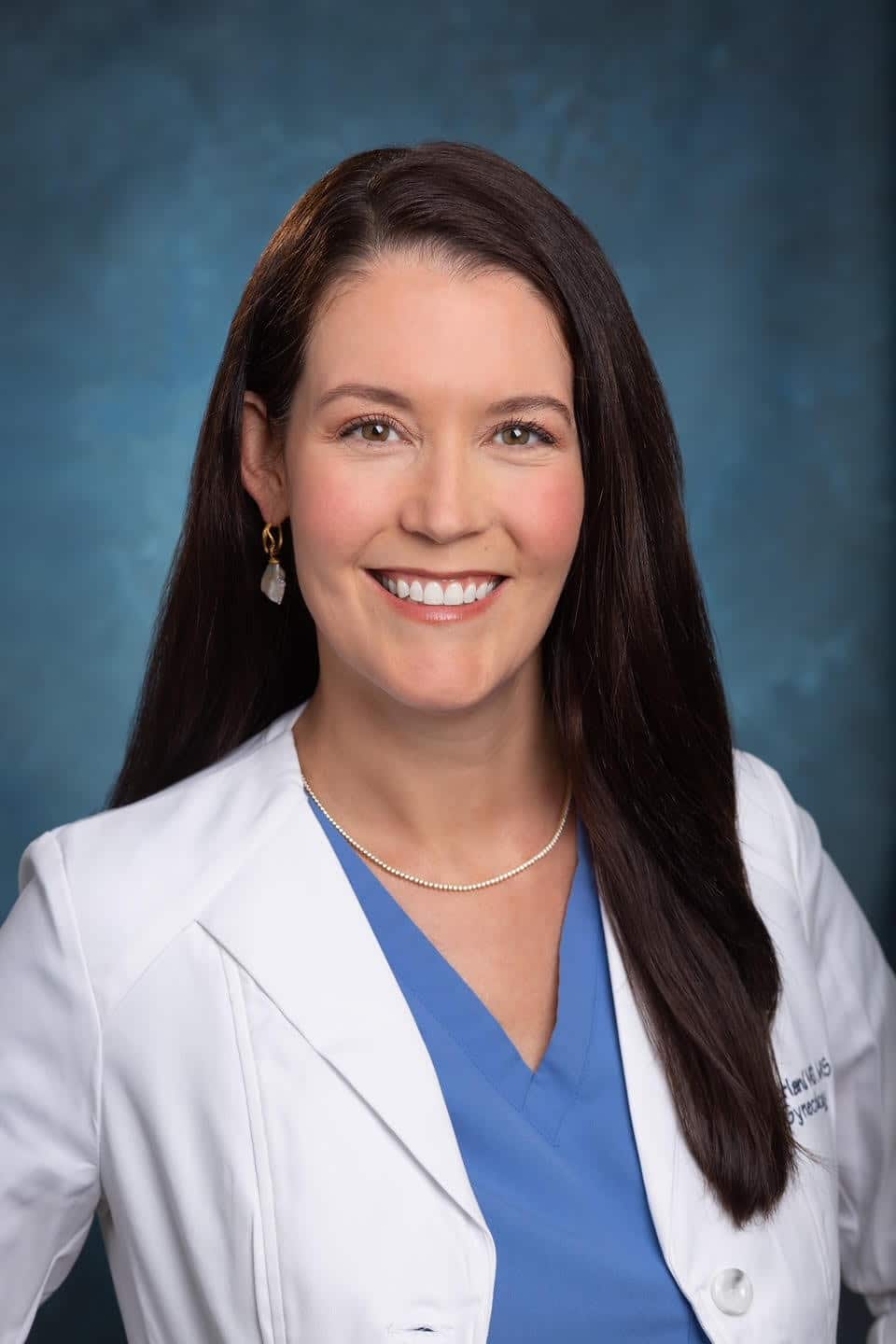
At the Endometriosis Center of Excellence, Dr. Rachael Haverland, a board-certified gynecologist and endometriosis specialist, is fellowship-trained in minimally invasive endometriosis surgery at the Mayo Clinic. Her approach combines specialized surgical care with personalized medical management and supportive therapies.
If you are experiencing persistent pelvic pain, painful periods, bowel or bladder discomfort, or fertility concerns, you do not have to wait for symptoms to become more disruptive. Schedule an appointment with the Endometriosis Center of Excellence to discuss your symptoms and explore an appropriate care plan.
Medical Disclaimer: This article is for educational purposes only and does not replace professional medical advice, diagnosis, or treatment.