
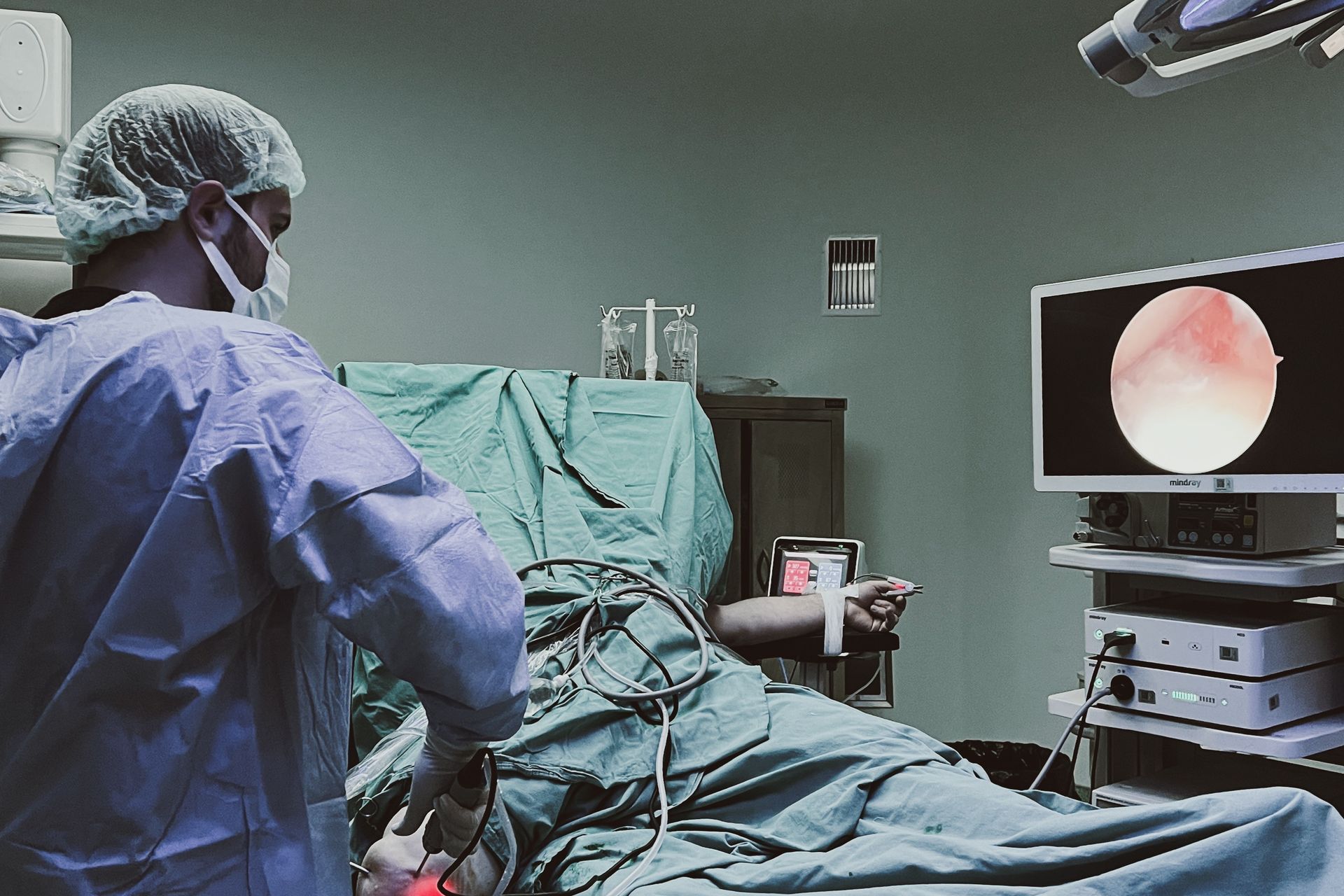
Endometriosis ablation complications can include incomplete treatment, damage to nearby organs from heat energy, scar tissue formation, and persistent or returning symptoms. Although laparoscopic ablation is used to treat visible endometriosis lesions, the procedure has limitations that patients should understand when considering surgery or evaluating symptoms after a previous operation.
Ablation involves destroying the surface of endometriosis lesions using heat or another energy source rather than cutting the affected tissue out. It may be called fulguration, coagulation, or vaporization, depending on the technique used. Understanding how ablation works, what it may leave behind, and how it compares with excision can help patients have more informed conversations with their surgical team.
What Is Laparoscopic Ablation for Endometriosis?
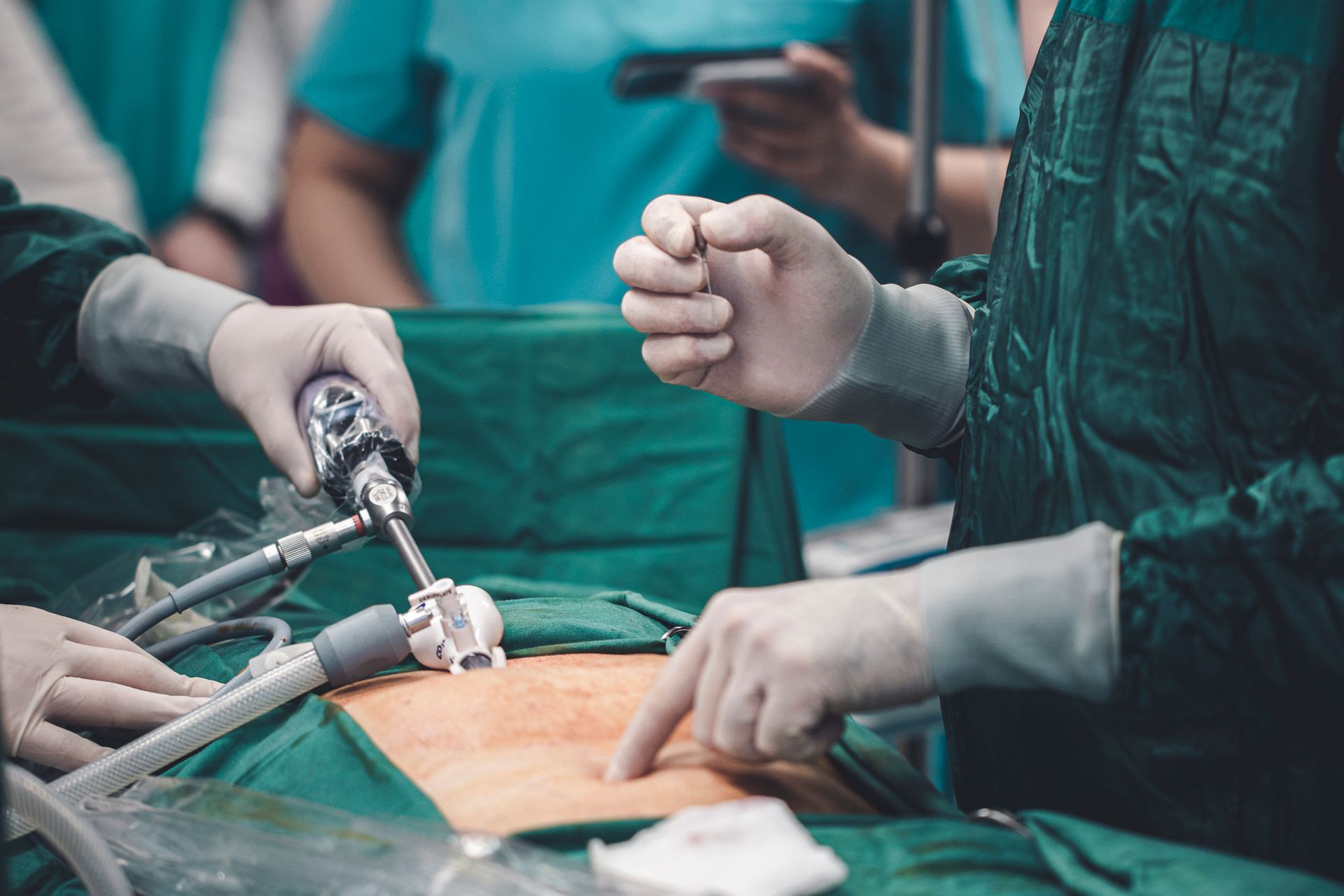
Laparoscopic ablation is a minimally invasive surgical technique that uses small incisions and a camera to locate endometriosis lesions. Once identified, the surgeon applies an energy source to destroy the visible surface of the abnormal tissue. The goal is to reduce disease-related irritation and pain by treating the lesions that can be seen during surgery.
How Does Ablation Destroy Endometriosis Lesions?
During ablation, a surgeon uses an energy-based instrument to apply heat or another form of energy to the surface of endometriosis lesions. The affected tissue is damaged or destroyed in place rather than being cut out and removed. The energy may come from electrical current, a laser, or another heat-based instrument, depending on the surgeon’s technique.
Because the treatment targets the visible surface, its effectiveness can depend on the location, depth, and extent of the disease. Some lesions may extend further into underlying tissue than they appear to during surgery. This distinction is particularly important when endometriosis affects structures such as the bowel, bladder, ureters, nerves, or diaphragm.
Is Ablation the Same as Endometrial Ablation?
No. Laparoscopic ablation for endometriosis and endometrial ablation are two different procedures that treat different conditions. Endometrial ablation destroys the lining inside the uterus, usually as a treatment for heavy menstrual bleeding.
Endometriosis, however, involves tissue similar to the uterine lining growing outside the uterus. Endometrial ablation does not remove or treat endometriosis lesions on the ovaries, pelvic lining, bowel, bladder, or other surrounding structures. Patients should understand which procedure is being discussed before making a treatment decision.
What Are the Possible Complications of Endometriosis Ablation?
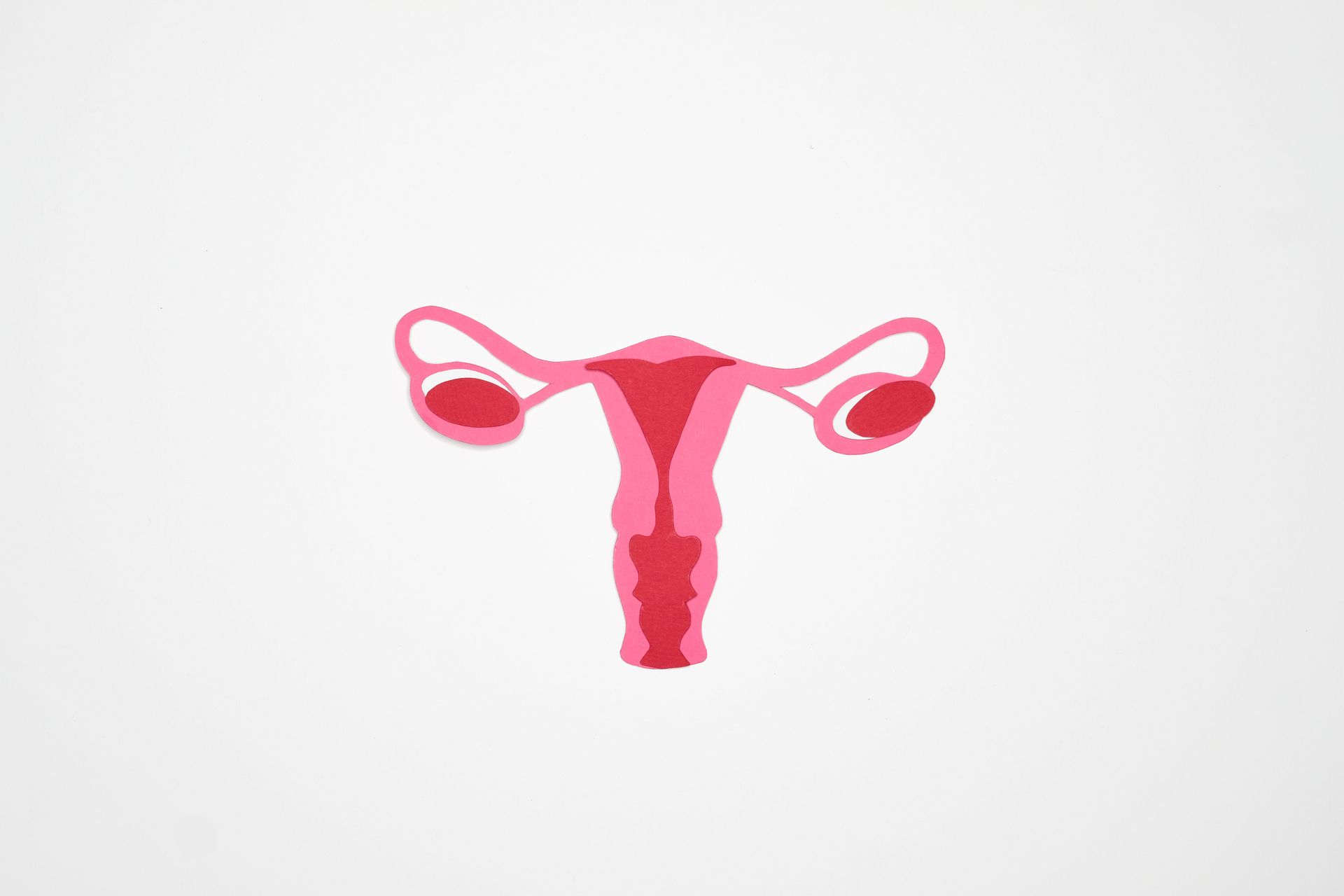
Like other surgical procedures, laparoscopic ablation carries risks, and endometriosis ablation complications generally fall into a few groups. Some relate to the limitations of treating lesions at their surface, while others involve the use of energy near delicate pelvic structures or the general risks of abdominal surgery. The likelihood and seriousness of complications can vary depending on the patient’s anatomy, disease location, and surgical circumstances.
Can Ablation Leave Endometriosis Behind?
One important limitation is incomplete treatment. Ablation destroys the visible surface of a lesion but may not reach disease extending deeper into the underlying tissue. Deep infiltrating endometriosis can involve structures beneath the surface, making it possible for some affected tissue to remain after the procedure.
When disease is left behind, patients may continue experiencing pelvic pain, painful periods, pain during intercourse, bowel symptoms, or other endometriosis-related concerns. Symptoms may persist or return, and some patients may eventually consider another operation. However, pain after surgery does not automatically mean that endometriosis remains or has returned, since other pelvic conditions can produce similar symptoms. The distinction between incomplete removal and true endometriosis recurrence can be important when evaluating ongoing symptoms.
Can Ablation Cause Damage to Nearby Organs?
Ablation uses heat or other energy to destroy tissue, and some of that energy may affect structures close to the treated lesion. This is known as thermal spread. The concern may be greater when endometriosis is located on or near delicate organs and structures, including the bowel, bladder, ureters, blood vessels, and nerves.
Potential injuries may include burns or damage to surrounding tissue. Some thermal injuries are not immediately apparent during surgery and may become noticeable days later as inflammation, tissue breakdown, or other complications develop. This is one reason that careful surgical planning and postoperative monitoring are important, particularly when treating disease near vital structures.
What Other Risks Can Occur After Ablation Surgery?

Not every complication is directly caused by the energy used during ablation. Patients may also experience complications associated with operating inside the abdomen and pelvis. Understanding these possibilities helps distinguish expected recovery symptoms from changes that may require medical attention.
Can Ablation Cause Adhesions or Affect the Ovaries?
Adhesions are bands of scar tissue that can develop between organs and surrounding tissues after surgery. They may form as part of the body’s healing response to inflammation or tissue injury. In some cases, adhesions can restrict the normal movement of pelvic organs or contribute to discomfort and other symptoms.
Endometriomas, which are ovarian cysts associated with endometriosis, present additional treatment considerations. A surgeon may discuss destroying the cyst wall with an energy-based technique or removing the cyst wall, and both approaches can involve trade-offs for healthy ovarian tissue. The potential effects on ovarian reserve and future reproductive plans should be considered individually. The most appropriate approach depends on factors such as the cyst’s characteristics, the patient’s ovarian health, and personal treatment goals.
What Are the General Risks of Laparoscopic Surgery?
Ablation is commonly performed using laparoscopy, which involves operating through small abdominal incisions. Minimally invasive surgery can offer recovery advantages, but it does not remove the general risks of anesthesia and abdominal surgery. These include bleeding, infection at an incision or inside the abdomen, reactions to anesthesia, and blood clots that may travel to the lungs.
Some discomfort is also expected during recovery. Patients may experience abdominal soreness, fatigue, bloating, and shoulder pain caused by the gas used to create working space during laparoscopy. These symptoms generally improve as the body recovers, but severe, worsening, or unusual symptoms should not automatically be attributed to normal healing.
What Warning Signs After Ablation Require Medical Attention?

Recovery experiences vary, and some discomfort is common after laparoscopic surgery. However, certain symptoms may point to infection, bleeding, an organ injury, or other endometriosis ablation complications. Patients should receive clear discharge instructions and know how to contact their surgical team if something does not feel right.
Which Symptoms Should You Report Promptly?
Some postoperative changes require prompt medical assessment rather than waiting for a routine follow-up appointment, particularly because thermal injuries may not become apparent right away. Warning signs to report to the surgical team promptly include:
-
Fever or chills
-
Increasing or worsening abdominal or pelvic pain
-
Persistent nausea or vomiting
-
Difficulty passing gas or stool
-
Heavy vaginal bleeding
-
Painful or bloody urination
-
Increasing abdominal swelling or tenderness
When Should You Seek Emergency Care?
Certain symptoms can signal a potentially serious complication, such as a blood clot or internal bleeding, that needs emergency assessment. Patients should not wait for a scheduled postoperative appointment when these symptoms occur.
Seek emergency care for chest pain or pressure, shortness of breath, new swelling in one leg, severe or rapidly worsening abdominal pain, or heavy bleeding with weakness, dizziness, or fainting. Prompt assessment matters because some postoperative complications can become more serious when treatment is delayed.
How Does Excision Compare With Ablation for Endometriosis?

Ablation and excision are different approaches to treating endometriosis during surgery. Both aim to address visible disease, but they differ in how the surgeon handles the affected tissue. The choice between them can influence how completely certain lesions can be treated and whether tissue is available for laboratory examination.
How Is Excision Different From Ablation?
Excision involves cutting endometriosis lesions out of the surrounding tissue rather than destroying only their surface. Depending on the location and depth of disease, the surgeon removes the affected tissue while working to protect nearby organs and healthy structures. This approach may allow deeper disease to be addressed when it can be safely removed.
Another important difference is that excised tissue can be sent to a pathology laboratory for examination. With ablation, the treated tissue is destroyed in place, so there is generally no intact lesion specimen available for pathological confirmation. At the Endometriosis Center of Excellence, the surgical approach focuses on excision rather than burning the surface of lesions, and every piece of removed endometriosis is sent to pathology. The practice considers excision the gold standard when surgery is recommended, while recognizing that individual treatment decisions must account for surgical risks.
When Should You Consider Excision or a Second Opinion?
Patients who continue experiencing symptoms after ablation may benefit from a closer review of their previous surgery and current condition. Persistent pain can have several possible explanations, including disease that was not fully treated, true recurrence, adhesions, pelvic floor dysfunction, or other sources of pelvic pain. A second opinion may help clarify what was addressed during the original procedure and whether additional treatment is appropriate.
Excision may be considered when deeper disease is suspected or when symptoms persist despite previous treatment. At the Endometriosis Center of Excellence in Dallas, Dr. Rachael Haverland and Dr. Katherine Smith provide endometriosis second opinions and excision surgery using laparoscopic and robotic-assisted techniques, with urology and colorectal surgery available when disease involves nearby organs. Excision also carries risks, so the potential benefits of another operation should be weighed individually.
Frequently Asked Questions
Can Endometriosis Return After Ablation?
Yes. Symptoms may persist if deeper endometriosis was not fully treated, or they may return if disease develops or becomes symptomatic again. However, recurring pain does not necessarily mean that endometriosis has returned, so further evaluation may be needed to identify the cause.
Does Ablation Confirm an Endometriosis Diagnosis?
Ablation generally does not provide an intact tissue specimen for pathological examination because the lesions are destroyed in place. Without a specimen, a laboratory cannot examine the treated lesion to confirm the diagnosis. This is an important difference from excision, where removed tissue can be sent to pathology.
Is Excision Surgery Completely Risk-Free?
No. Excision can involve bleeding, infection, injury to nearby organs, adhesions, anesthesia complications, and other surgical risks. The potential benefits and risks depend on the location and extent of disease, the patient’s health, and the complexity of the procedure.
Can Endometriosis Ablation Complications Appear Weeks Later?
Yes, some can. Thermal injuries may become noticeable days after surgery, while adhesions or symptoms from endometriosis left behind may develop over weeks, months, or longer. Any new or worsening symptoms after ablation should be reviewed with a qualified healthcare provider.
Schedule an Endometriosis Evaluation in Dallas
Understanding the limitations and possible complications of ablation can help patients make informed decisions about endometriosis treatment. The Endometriosis Center of Excellence provides endometriosis consultations, second opinions, and excision surgery in Dallas, Texas, with care focused on identifying and removing endometriosis while considering the surrounding organs and individual surgical needs. For patients who have ongoing symptoms after ablation, an evaluation may help determine whether additional investigation or treatment should be considered.
If you have questions about a previous ablation procedure or are exploring surgical options, call the Endometriosis Center of Excellence at (214) 281-4460 or schedule an appointment. This article is intended for educational purposes only and does not replace personal medical advice, diagnosis, or treatment from a qualified healthcare professional.