

Can endometrioma go away without surgery? In most cases, an endometrioma does not disappear completely on its own, although some cysts may remain stable or change in size over time. An endometrioma is an ovarian cyst associated with endometriosis that contains old, blood-like fluid, which is why it is often called a chocolate cyst. While hormonal treatment and careful monitoring may help manage symptoms and track changes, they do not reliably eliminate the cyst.
If you have been diagnosed with an endometrioma, you may wonder whether surgery is necessary or whether you can manage the condition without an operation. The answer depends on several factors, including the cyst’s size, appearance, growth, your symptoms, and your fertility goals. At the Endometriosis Center of Excellence, Dr. Rachael Haverland provides personalized endometriosis care, including medical management and minimally invasive surgical treatment.
Can an Endometrioma Disappear Without Treatment?
Endometriomas rarely disappear completely without intervention. Unlike some ovarian cysts that develop as part of a normal menstrual cycle, an endometrioma forms when tissue similar to the uterine lining grows on or within an ovary. Several mechanisms may contribute to endometriosis, including retrograde menstruation, where menstrual tissue flows backward through the fallopian tubes into the pelvis.
This tissue responds to hormonal changes during the menstrual cycle. It can bleed, allowing old blood and inflammatory material to collect inside a cyst. Because the cyst develops a surrounding wall, its contents do not typically drain or resolve like those of a temporary functional cyst.
Why Do Some Endometriomas Remain Stable?
An endometrioma may remain similar in size over multiple menstrual cycles. This does not necessarily mean the cyst has disappeared or that the underlying endometriosis is no longer active. A stable endometrioma may not require immediate surgical treatment. Your healthcare provider may recommend periodic ultrasound examinations to check whether its appearance or size changes.
Can an Endometrioma Shrink Naturally?
Some endometriomas may become smaller over time, but spontaneous shrinkage does not mean the cyst has been eliminated.
How Is an Endometrioma Different From a Functional Ovarian Cyst?
Functional ovarian cysts commonly develop during the normal menstrual cycle. They may form when a follicle does not release an egg as expected or when the structure that remains after ovulation fills with fluid. Many functional cysts resolve without treatment. Endometriomas develop differently and are associated with endometriosis-related tissue.
What Makes an Endometrioma Different?
An endometrioma is sometimes called a chocolate cyst because it contains thick, dark, old blood. Its contents collect within a cyst wall rather than behaving like the fluid in many temporary ovarian cysts. The main differences include:
-
Origin: Functional cysts develop as part of the menstrual cycle, while endometriomas are associated with endometriosis.
-
Contents: Functional cysts generally contain clear or blood-tinged fluid, while endometriomas often contain thick, old blood.
-
Duration: Many functional cysts resolve over a few menstrual cycles. Endometriomas often persist without treatment.
-
Associated symptoms: Endometriomas may occur alongside painful periods, pelvic pain, pain during intercourse, or fertility difficulties.
How Can Imaging Help Identify the Difference?
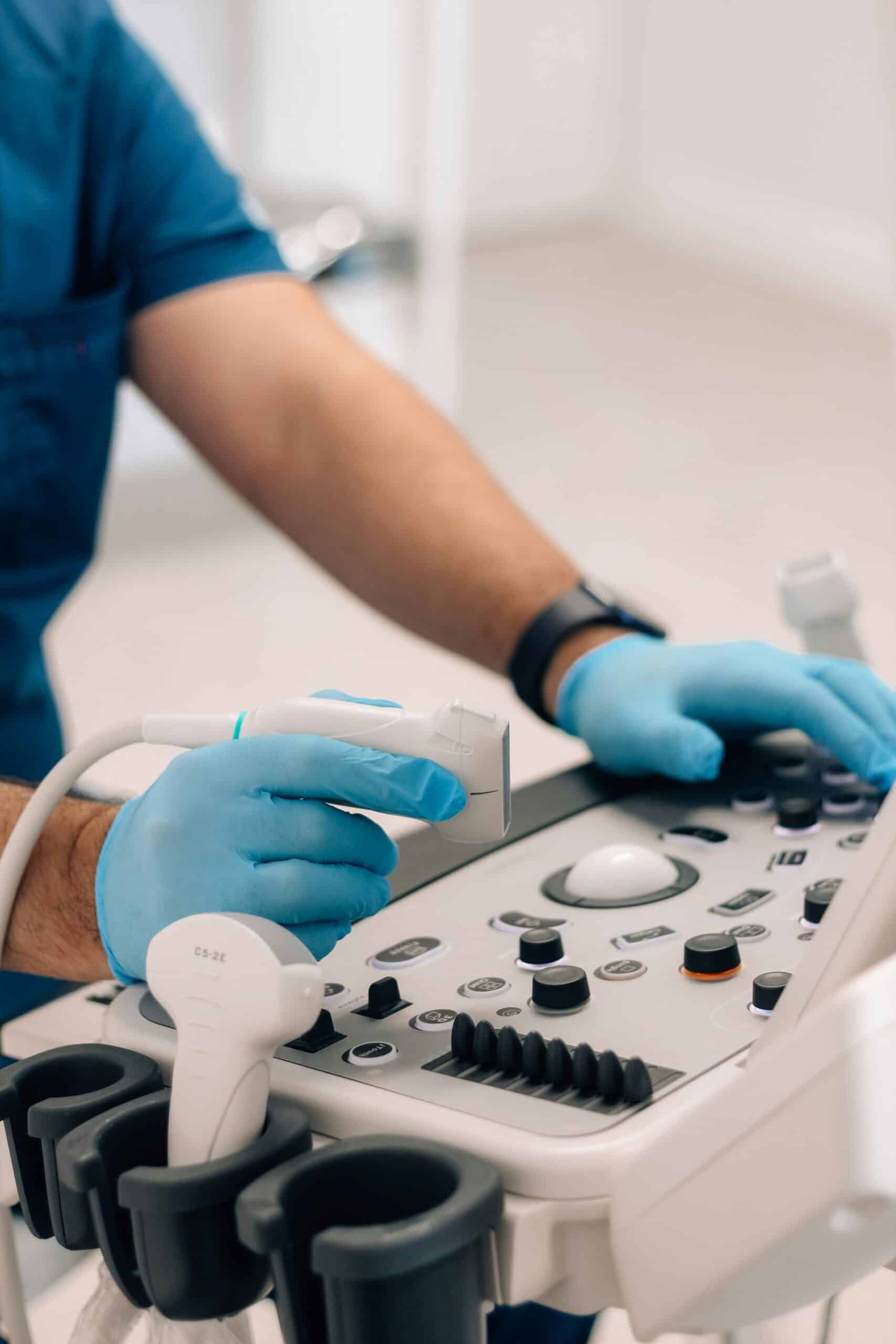
Pelvic ultrasound, often a transvaginal ultrasound, is commonly used to evaluate suspected endometriomas. It allows your healthcare provider to examine the cyst’s size, shape, internal appearance, and relationship to surrounding ovarian tissue.
An endometrioma often has a characteristic appearance on ultrasound. However, not every ovarian cyst has a typical pattern, and additional evaluation, such as an MRI, may be appropriate when imaging findings are uncertain.
Can Hormonal Medication Shrink an Endometrioma?

Hormonal medication can help manage endometriosis symptoms and may slow endometrioma growth or reduce cyst size in some patients. However, medication does not reliably eliminate an established endometrioma or remove its surrounding cyst wall.
What Can Hormonal Treatment Do?
Depending on your symptoms, medical history, and treatment goals, your healthcare provider may discuss options such as:
-
Hormonal birth control: Certain contraceptive medications can suppress ovulation or reduce menstrual activity, potentially helping manage pain and endometriosis-related symptoms.
-
Progestin-based medications: These treatments may reduce hormonal stimulation of endometriosis-related tissue and help control symptoms.
-
GnRH medications: These medications reduce ovarian hormone production and may help manage endometriosis symptoms. They require individualized consideration because of potential side effects and other treatment considerations.
What Are the Limitations of Medication?
Medication does not physically remove the cyst wall or reliably clear the old blood collected inside an endometrioma.
Hormonal treatment may also be unsuitable for some patients, particularly those who are actively trying to conceive. Because treatment options affect ovulation and reproductive planning differently, your healthcare provider should consider your fertility goals before recommending medication.
When Does an Endometrioma Need Surgery?
Not every endometrioma needs immediate surgery. Your healthcare provider may recommend monitoring when a cyst is small, has a reassuring appearance on imaging, remains stable, and is not causing significant symptoms.
What Factors Influence the Decision?
Several factors help determine whether surgical treatment may be beneficial:
-
Persistent pelvic pain: Pain that interferes with daily activities, intimacy, work, or sleep may indicate a need to reassess your treatment plan.
-
Changes in cyst size: An endometrioma that continues to grow may require further evaluation and discussion of treatment options.
-
Fertility concerns: The location and size of the cyst, ovarian reserve, and reproductive goals may influence whether surgery is appropriate.
-
Uncertain imaging findings: An ovarian cyst with atypical or unclear features may require additional investigation to establish a diagnosis.
-
Associated endometriosis: Other endometriosis lesions, adhesions, or pelvic symptoms may influence the overall treatment approach.
What Happens If You Monitor an Endometrioma?
If surgery is not immediately necessary, your healthcare provider may recommend expectant management, which involves monitoring the cyst rather than removing it. This approach may include:
-
Initial ultrasound: Your provider evaluates the cyst’s size, location, and appearance.
-
Symptom assessment: You discuss pelvic pain, menstrual symptoms, bowel or bladder concerns, and changes in daily functioning.
-
Follow-up imaging: Repeat ultrasound examinations help identify changes in the cyst over time.
-
Treatment adjustments: Medication or supportive therapies may be considered if symptoms develop or become more difficult to manage.
-
Reassessment: If the cyst grows, symptoms worsen, or imaging becomes concerning, your provider may discuss additional evaluation or surgery.
What Are the Surgical Options for an Endometrioma?
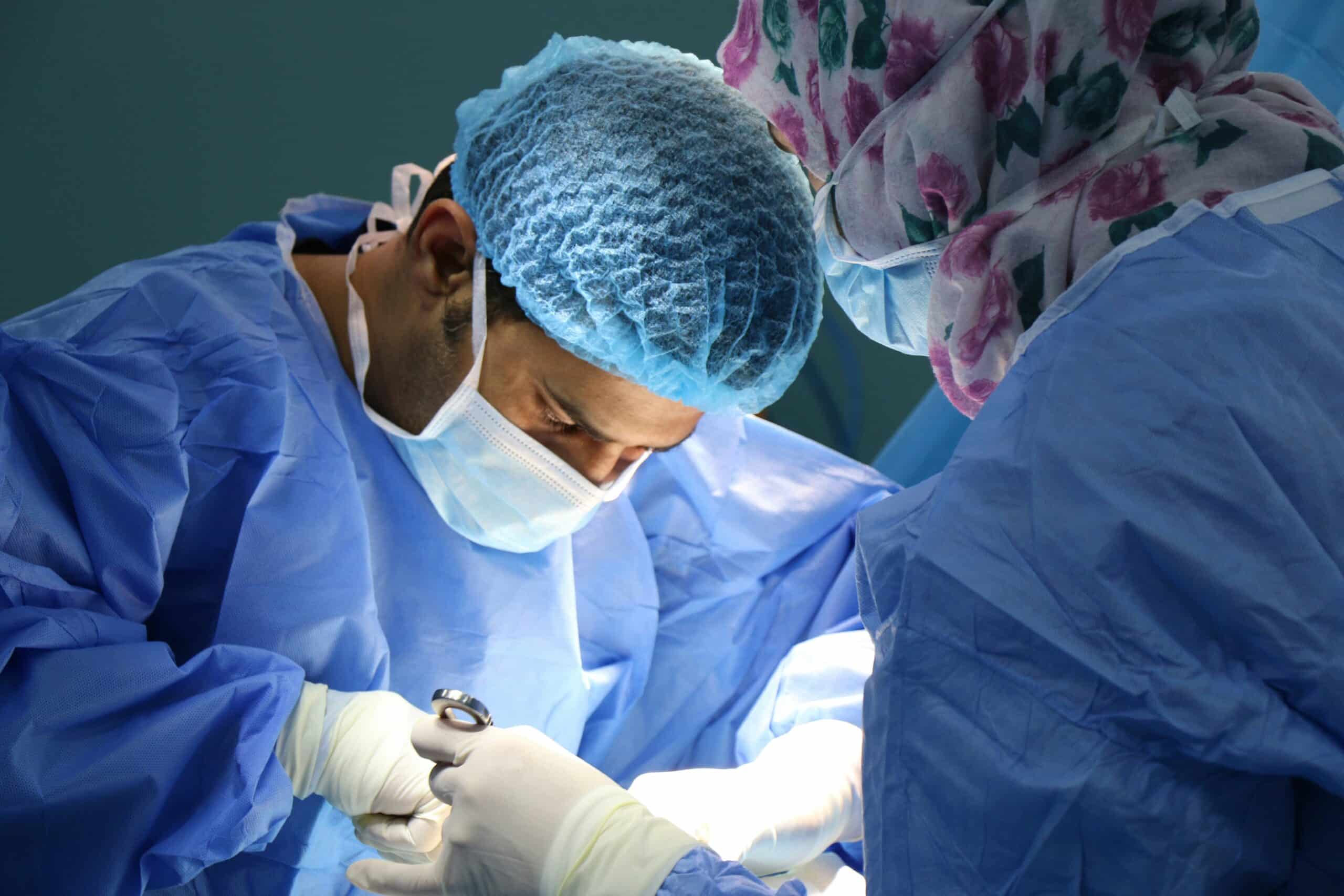
When surgery is appropriate, the goal is to address the endometrioma while preserving as much healthy ovarian tissue as possible.
How Does Laparoscopic Excision Work?
Laparoscopic surgery is a minimally invasive approach that uses small abdominal incisions and a camera to examine and treat endometriosis. During an endometrioma procedure, the surgeon evaluates the cyst and surrounding anatomy. When cyst removal is appropriate, the cyst wall is separated from the ovarian tissue and removed. At the Endometriosis Center of Excellence, Dr. Rachael Haverland performs laparoscopic and robotic-assisted endometriosis excision surgery.
The practice describes excision as the gold standard of surgical treatment for endometriosis. Excised tissue is sent to pathology for confirmation. You can learn more about endometriosis excision surgery and how this approach addresses endometriosis-related tissue.
Why Is Removing the Cyst Wall Important?
Simply draining an endometrioma removes some of its contents but leaves the cyst wall behind. Because the underlying tissue remains, drainage alone has a higher chance of recurrence. Cyst wall excision aims to remove the tissue responsible for maintaining the cyst. However, complete removal must be balanced against protecting healthy ovarian tissue. The appropriate technique depends on the cyst’s characteristics and its relationship to the surrounding ovary.
Can Surgery Affect Ovarian Reserve?
Yes. Endometrioma surgery can affect ovarian reserve, which refers to the remaining supply of eggs within the ovaries.
During cyst removal, healthy ovarian tissue or small blood vessels may be affected, particularly when the cyst wall is firmly attached to the ovary. This is an important reproductive consideration for anyone who may want to become pregnant in the future. Surgical planning should account for:
-
Your current ovarian reserve, which may be assessed with blood tests or an antral follicle count on ultrasound.
-
Whether one or both ovaries contain endometriomas.
-
The size and location of each cyst.
-
Previous ovarian procedures or surgeries.
-
Whether you are currently trying to conceive or planning a future pregnancy.
-
The potential benefits of surgery compared with continued monitoring.
How Can You Protect Your Ovarian Health Without Immediate Surgery?

If your endometrioma does not currently require surgery, you can still take practical steps to monitor your condition and manage symptoms.
Follow a Personalized Monitoring Plan
You may find it helpful to maintain a symptom diary. Recording when pain occurs, how long it lasts, and what makes it better or worse can help your provider identify patterns.
Support Your Overall Endometriosis Care
A multidisciplinary approach may help address symptoms that extend beyond the ovarian cyst itself. Depending on your needs, supportive care may include:
-
Medical management: Anti-inflammatory and hormonal medications may help manage symptoms.
-
Pelvic floor physical therapy: Targeted therapy may help address pelvic floor tension and related discomfort.
-
Nutrition guidance: Dietary adjustments may support general health and symptom management.
-
Specialist coordination: Complex cases involving bowel or bladder concerns may require collaboration with urology or colorectal surgeons.
When Should You Contact Your Healthcare Provider?
You should arrange an evaluation if you experience new or worsening symptoms, particularly if you have a known endometrioma. Seek prompt medical attention for warning signs such as:
-
Sudden, severe pelvic or abdominal pain.
-
Pelvic pain accompanied by nausea or vomiting.
-
Fainting, significant dizziness, or unusual weakness.
-
Fever with pelvic pain.
-
Sudden pain accompanied by heavy bleeding.
These symptoms do not automatically mean an endometrioma has ruptured or that another complication has occurred. However, they may indicate a condition that requires urgent assessment.
How Do You Decide Between Monitoring and Surgery?

Note: This information is general guidance. Your treatment options and expected outcomes depend on your individual diagnosis, symptoms, imaging findings, and reproductive goals.
What Should You Ask During an Endometriosis Consultation?
If you have been diagnosed with an endometrioma, asking specific questions can help you understand whether surgery is appropriate. Consider discussing:
-
Does my ultrasound show a typical endometrioma?
-
Is the cyst stable, or has it changed in size?
-
What symptoms may be related to the cyst?
-
Can I safely monitor it without surgery?
-
What are the potential benefits and risks of removing it?
-
Could surgery affect my ovarian reserve or reproductive plans?
An endometriosis consultation can help you understand your diagnosis and develop a treatment plan based on your symptoms, ovarian health, and personal goals.
Frequently Asked Questions
Can an Endometrioma Turn Into a Cancerous Cyst?
Most endometriomas, or chocolate cysts, are benign. However, changes in an ovarian cyst’s appearance or other concerning imaging findings may require further evaluation. Your healthcare provider can assess whether additional testing or surgical investigation is appropriate.
Can You Get Pregnant With an Endometrioma?
Yes, pregnancy is possible with an endometrioma. However, endometriosis may affect fertility through inflammation, adhesions, ovarian changes, or other reproductive factors. Your treatment plan should consider your reproductive goals and whether intervention may help or potentially affect ovarian reserve.
Does an Endometrioma Always Cause Pelvic Pain?
No. Some people have endometriomas without noticeable symptoms, while others experience painful periods, chronic pelvic discomfort, or pain during intercourse. The absence of pain does not necessarily mean the cyst has disappeared or that monitoring is unnecessary.
Can an Endometrioma Come Back After Surgery?
Yes. Endometriomas can recur after surgical treatment. Removing the cyst wall may reduce the likelihood of recurrence compared with drainage alone, but it cannot guarantee that another cyst will not develop. Your provider may recommend ongoing monitoring and an individualized postoperative management plan.
Should You Have Surgery Before Trying to Conceive?
Not always. Surgery may be appropriate in some situations, but removing an endometrioma can affect ovarian reserve. If you are planning pregnancy, discuss the potential benefits and risks of surgery, your ovarian health, and other fertility considerations before deciding on treatment.
Discuss Your Endometrioma Treatment Options With Endometriosis Center of Excellence
Can endometrioma go away without surgery? Although some endometriomas remain stable or may become smaller, they rarely disappear completely on their own. Hormonal treatment may help manage symptoms and sometimes reduce cyst size, but it does not reliably eliminate the cyst.
At Endometriosis Center of Excellence, Dr. Rachael Haverland provides personalized care for people living with endometriosis. As a board-certified gynecologist and endometriosis specialist who completed fellowship training in minimally invasive endometriosis surgery at the Mayo Clinic, she offers medical management and laparoscopic and robotic-assisted excision surgery.
Contact the Endometriosis Center of Excellence to schedule an endometriosis consultation and discuss your symptoms, ovarian health, and personalized treatment options.
Medical Disclaimer: This article is intended for educational purposes only and does not replace professional medical advice, diagnosis, or treatment. Consult a qualified healthcare provider about your individual symptoms and treatment options.