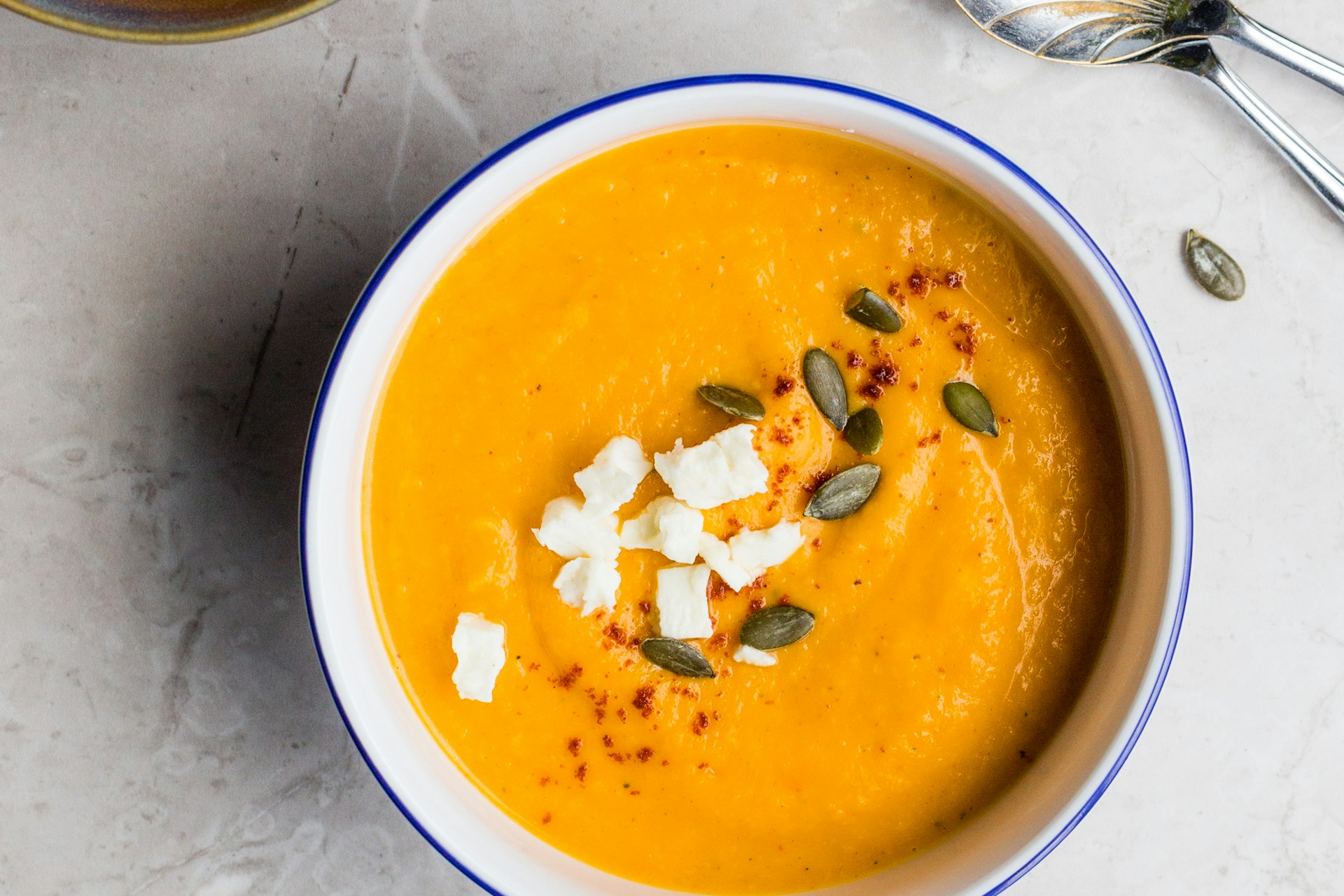
What to eat after laparoscopy for endometriosis depends on how you feel after anesthesia, the extent of your procedure, and the instructions from your surgical team. In the first hours, you may tolerate only small sips of fluid; over the following days, you can often return gradually to more varied meals as nausea settles and bowel function returns.
Food can help you stay hydrated, meet your body’s energy and protein needs, and reduce constipation risk. It cannot remove endometriosis or guarantee a particular outcome. Follow the specific diet instructions from your surgical team.
What Should You Eat During the First 24 Hours?
Anesthesia, pain medication, and laparoscopic surgery may temporarily affect appetite and bowel activity. You may feel queasy or unusually full, so begin slowly rather than forcing a meal.
Start With Small Sips of Clear Fluids
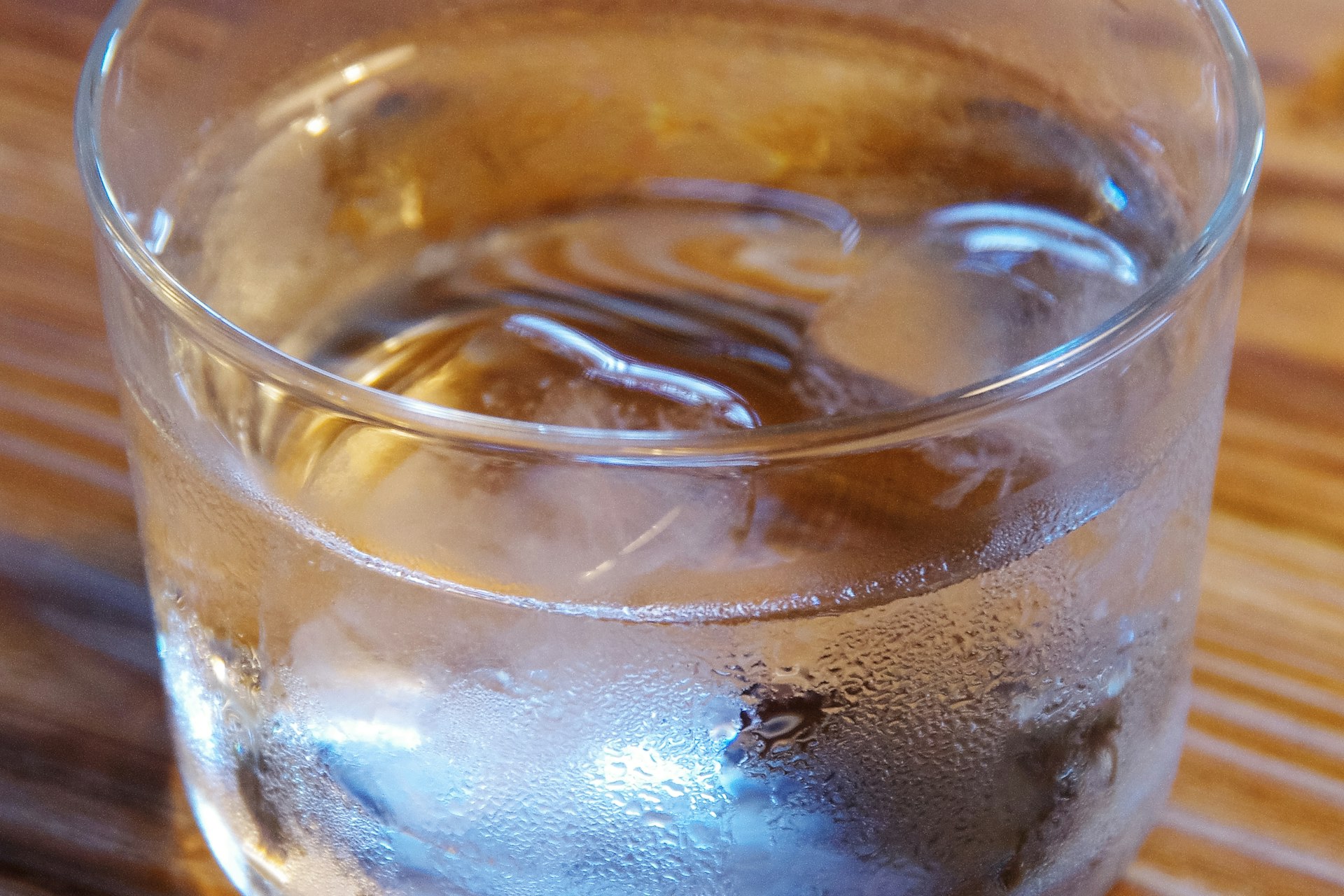
Clear fluids help replace fluid and may be easier to tolerate while nausea is present.
-
Water: Take small sips throughout the day, increasing gradually as tolerated.
-
Broth: Clear chicken or vegetable broth provides fluid and a little sodium.
-
Diluted juice: A small amount of apple or white grape juice mixed with water may be easier to tolerate than a full-strength drink.
-
Herbal tea: Mild, non-caffeinated tea may feel soothing if it agrees with your stomach.
If you feel nauseated, pause briefly and try again with smaller sips. Follow any fluid restrictions or instructions you were given before leaving the surgical facility.
Move on to Bland Foods When You Feel Ready
Once fluids stay down and your care team has said you can eat, try a small portion of a plain, easy-to-digest food.
Options may include dry toast, plain crackers, white rice, applesauce, a banana, or plain oatmeal prepared to a soft consistency. If these foods sit comfortably, you can add a little more variety, such as an egg or a small serving of yogurt if you tolerate dairy. If nausea returns, step back to tolerated foods. Persistent vomiting or inability to keep fluids down needs prompt medical advice.
How Can You Eat During the First Week?

During the first week, appetite and digestion may change from day to day. Your procedure, medications, activity level, and usual digestive health affect how quickly you resume regular meals.
Choose Small, Balanced Meals
Try several modest meals or snacks instead of a few large meals. A very full stomach can make pressure, nausea, or bloating more noticeable. Include a source of protein when you can. Protein supplies building blocks for tissue repair; special products or a restrictive diet are not required.
-
Eggs: Scrambled or soft-boiled eggs can be a simple option.
-
Fish or poultry: Baked fish, tender chicken, or turkey may be easier to manage in small portions than a heavy meal.
-
Tofu: Soft tofu can add protein to soup, rice, or a cooked vegetable dish.
-
Yogurt: Plain yogurt may be a convenient snack if dairy does not worsen your symptoms.
-
Soft grains: Oatmeal, rice, or other grains you tolerate can provide energy alongside protein.
Add Fiber and Fluids Gradually
Constipation can occur after laparoscopic surgery because of reduced movement, changes in eating, dehydration, and pain medicines. Straining may be uncomfortable when your abdomen and incision sites are healing, so it helps to support regular bowel movements.
Add fiber gradually from oatmeal, ripe fruit, cooked vegetables, and whole grains, and drink fluids regularly. A sudden increase in beans, bran, or raw vegetables may worsen gas before digestion settles. If you take opioid pain medication or have a history of constipation, ask whether you need a bowel regimen. Check with your team before changing laxatives.
Which Foods May Make Gas and Bloating Worse?

Temporary bloating is common after laparoscopic surgery. Gas used during the procedure, slower bowel activity, constipation, and food sensitivities may all contribute.
Consider Limiting Common Gas Triggers
While your abdomen feels distended, consider limiting foods and drinks that commonly produce gas. Tolerance varies, and permanent avoidance is not necessary.
-
Carbonated drinks: Soda, sparkling water, and fizzy drinks can increase belching and a feeling of pressure.
-
Cruciferous vegetables: Broccoli, cauliflower, cabbage, and Brussels sprouts may cause gas for some people.
-
Beans and lentils: These nutritious foods can be harder to tolerate when bowel activity is slow.
-
Onions and some other fermentable foods: These may increase gas in people who are sensitive to them.
-
Large servings of raw vegetables: Salads and crunchy vegetables may feel less comfortable than cooked options early in recovery.
-
Greasy or very rich meals: Fried foods and heavy sauces may worsen nausea or fullness.
-
Sugar alcohols: Some sugar-free sweets and chewing gums contain ingredients that can contribute to gas or loose stools.
Reintroduce Foods Based on Your Symptoms
You do not need to eliminate every possible trigger. Set aside a food that seems to worsen bloating, then try a small amount later and reintroduce foods one at a time. Contact your surgeon or nurse if bloating is severe or worsening, especially with vomiting, fever, increasing pain, or inability to pass gas or stool.
What Could a Gentle Recovery Meal Plan Look Like?
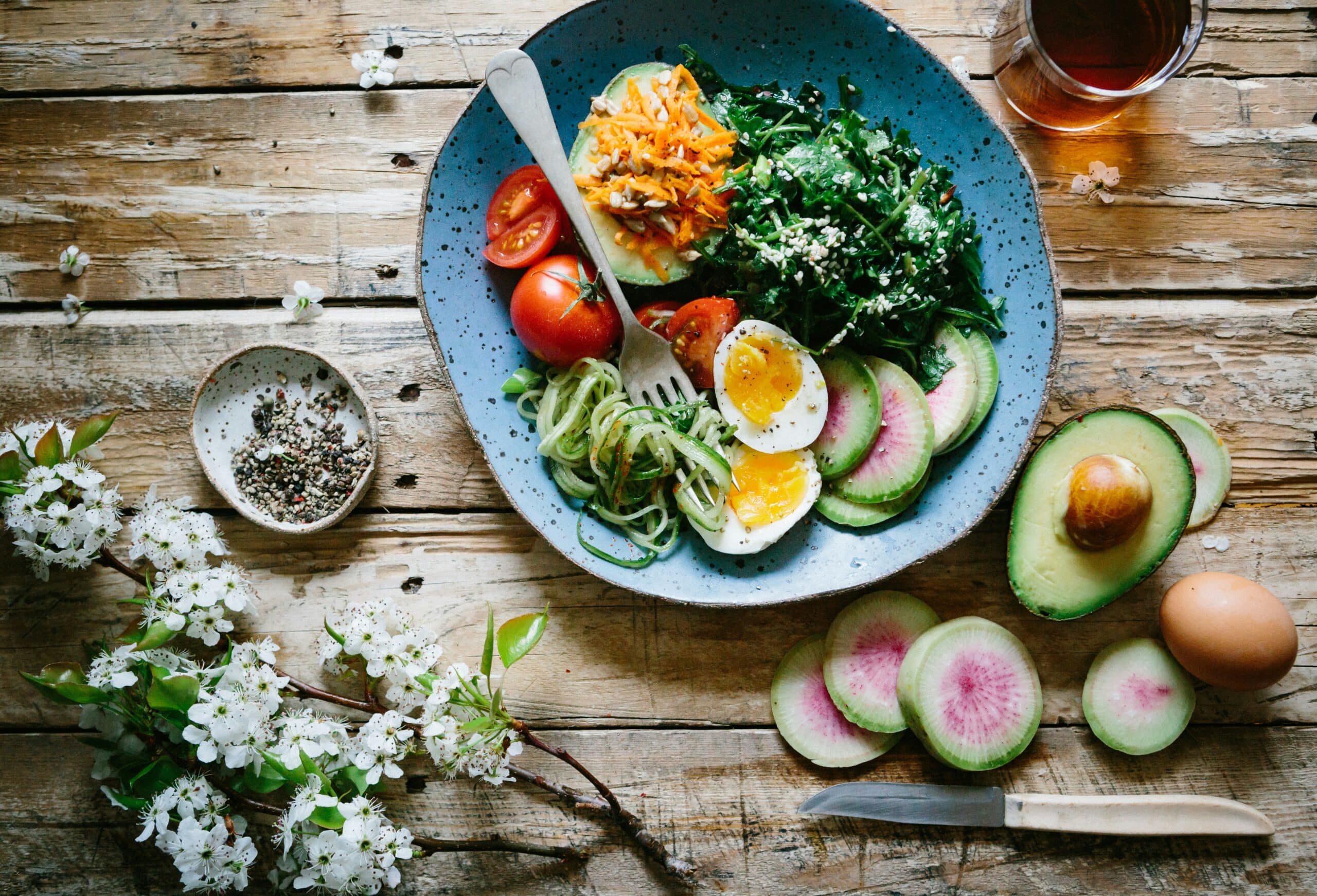
A simple plan can help when you are tired or not very hungry. These are flexible ideas, not a required menu; adjust portions for your preferences and your team’s directions.
Note: These are general meal ideas, not a guarantee that a particular food will be comfortable for you.
Prepare a Few Easy Options Before Surgery
Stocking easy foods before surgery can reduce shopping and cooking during early surgery recovery.
-
Keep simple staples available: Rice, oats, crackers, toast, broth, applesauce, and bananas can be useful starting options.
-
Prepare protein portions: Freeze individual servings of soup, cooked chicken, or another protein you normally tolerate.
-
Choose easy vegetables: Carrots, squash, and zucchini can be cooked until soft.
-
Make fluids convenient: Keep water within reach and follow your team’s guidance about hydration.
When Can You Return to Your Usual Diet?

There is no single day to resume your usual diet. Add familiar foods as nausea improves and meals feel comfortable. Timing may differ after extensive excision or procedures near the bowel or bladder.
Expand Your Food Choices Gradually
If meals are comfortable, add foods in manageable portions. Try cooked vegetables and soft grains before small servings of raw produce, beans, or richer foods. Discuss ongoing constipation, diarrhea, or bloating with your care team rather than repeatedly removing foods. Medication, hydration, and activity may contribute.
Follow Instructions for More Complex Procedures
Some patients have additional dietary directions after surgery involving the bowel or other organs. If your surgeon gives you a specific diet, such as a temporary low-fiber plan, follow that plan instead of the general suggestions in this article. Ask your surgeon or nurse when and how to advance your diet, and whom to contact if you have trouble tolerating food.
The Laparoscopy for Endometriosis service page explains the practice’s approach to laparoscopic care. Your own recovery instructions should always be based on the procedure you had and your individual needs.
Can Anti-Inflammatory Eating Support Long-Term Wellness?
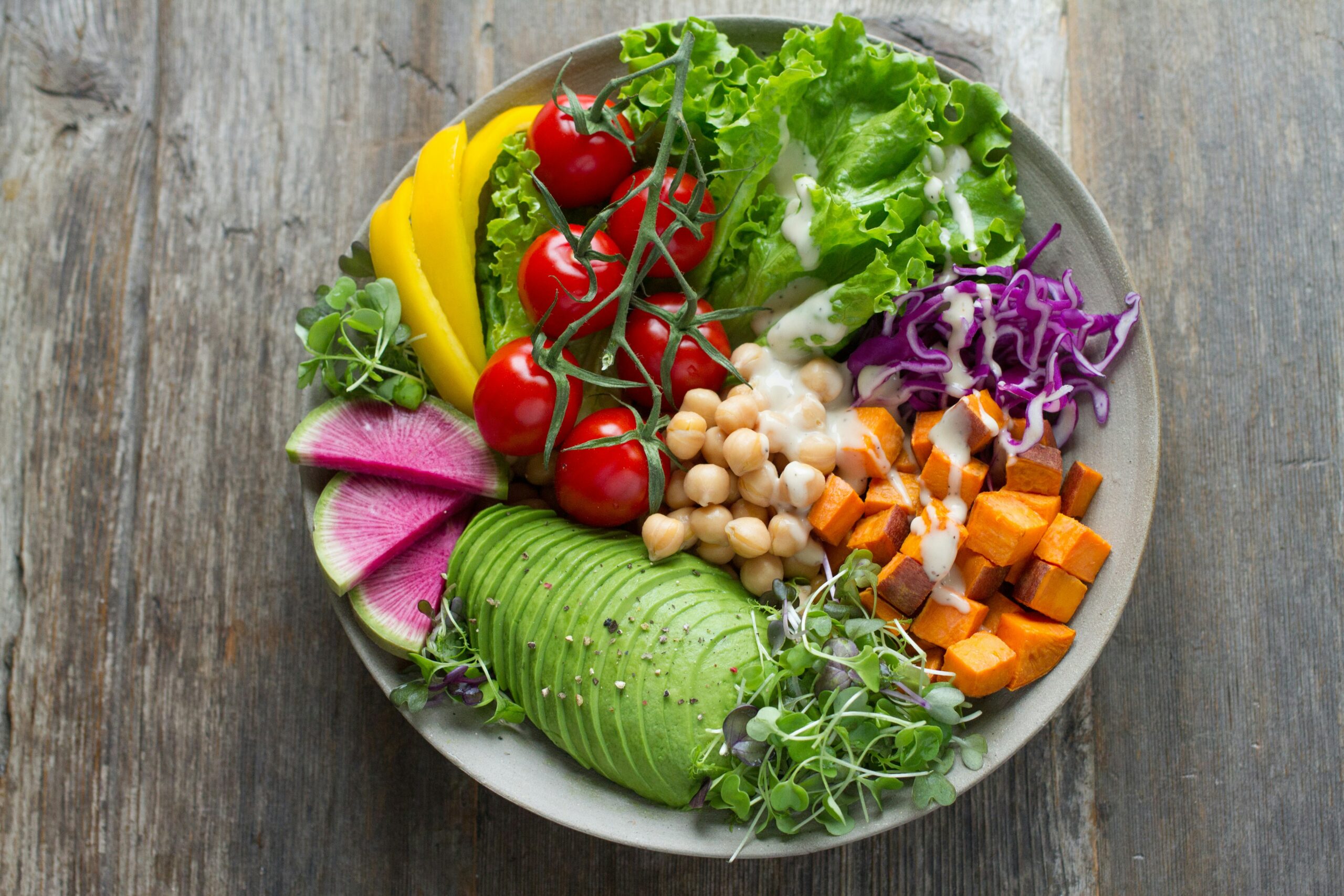
After recovery, an anti-inflammatory style of eating may support general wellness. It emphasizes minimally processed foods, plant foods, healthy fats, and adequate protein; it is not a treatment for endometriosis.
Focus on Variety Rather Than Strict Food Rules
Include a variety of vegetables, fruits, whole grains, beans or lentils if tolerated, nuts, seeds, fish, and unsaturated fats such as olive oil. Adapt choices to your preferences and nutritional needs.
There is no single endometriosis diet that works for everyone. Restrictive eating can make it harder to meet your nutritional needs and may add unnecessary stress. A dietitian or your care team can help assess suspected food triggers without unnecessary restrictions.
Ask for Individualized Nutrition Guidance
Endometriosis care may involve more than surgery alone. At Endometriosis Center of Excellence, the multidisciplinary approach can include medical management, pelvic floor physical therapy, and nutrition guidance, with care addressing pelvic pain, bowel and bladder health, fertility, and emotional well-being.
Led by Dr. Rachael Haverland, a board-certified gynecologist and endometriosis specialist who completed fellowship training in minimally invasive endometriosis surgery at the Mayo Clinic, the practice performs laparoscopic and robotic-assisted endometriosis excision surgery. If you want support with symptoms and treatment options, an endometriosis consultation can help you discuss your individual needs.
When Should You Contact Your Surgical Team?
Mild nausea, gas, appetite changes, and constipation may occur, but symptoms should generally become easier to manage. Follow your discharge instructions about when to call. Contact your healthcare provider promptly if you experience:
-
Persistent vomiting or inability to keep fluids down: You may become dehydrated and need assessment.
-
Worsening or severe abdominal pain: Pain that is increasing rather than gradually improving should be reviewed.
-
Marked abdominal swelling: Especially if it is accompanied by pain, vomiting, or difficulty passing gas or stool.
-
Fever or chills: These may need evaluation for a postoperative complication.
-
Difficulty passing urine or significant changes in bowel function: Let your care team know, particularly if symptoms are new or worsening.
-
Signs of dehydration: Such as very dark urine, dizziness, or urinating much less than usual.
Seek emergency care for severe symptoms such as chest pain, trouble breathing, fainting, or heavy bleeding. If you are unsure whether a symptom is expected, contact your surgical team rather than waiting for it to resolve.
Frequently Asked Questions
Can You Eat Normally the Day After Endometriosis Laparoscopy?
Some people can manage small, ordinary meals the next day, while others need more time with fluids and bland foods. Follow your discharge instructions and increase variety as tolerated.
Is It Better to Eat Warm Food After Surgery?
Warm soups and cooked meals may feel soothing and can be easy to eat, but there is no requirement that all food be warm. Choose temperatures and textures that feel comfortable to you.
Should You Avoid Dairy During Recovery?
You do not need to avoid dairy unless your care team advises it or you notice that it worsens nausea, gas, or diarrhea. If dairy does not agree with you, choose another protein or snack option that you tolerate.
Can Constipation Happen After Laparoscopy?
Yes. Anesthesia, reduced activity, changes in fluid and food intake, and some pain medicines may contribute to constipation. Ask your surgical team how to manage it, especially if you are straining or have not been able to pass stool or gas.
Does an Anti-Inflammatory Diet Prevent Endometriosis From Returning?
No diet has been shown to prevent endometriosis from returning or to cure the condition. A varied eating pattern may support general health, but decisions about ongoing endometriosis care should be made with your healthcare team.
Schedule Endometriosis Care at Endometriosis Center of Excellence
Knowing what to eat after laparoscopy for endometriosis can make recovery feel more manageable. Start with fluids and light foods as directed, then build toward balanced meals as tolerated. Your surgical team’s instructions should guide each stage of recovery. Endometriosis Center of Excellence, serving the Dallas area, offers personalized endometriosis care led by Dr. Rachael Haverland. Care may include surgery, medical management, pelvic floor physical therapy, and nutrition guidance.
To discuss endometriosis symptoms, treatment options, or recovery questions, Schedule an appointment.
Medical Disclaimer: This article is for general educational purposes only and does not replace individualized medical advice, diagnosis, or instructions from your surgical team.