
Surgery for Stage 4 and Deep Infiltrating Endometriosis
Specialist Evaluation and Excision Surgery in Dallas
At Endometriosis Center of Excellence in Dallas, Dr. Rachael Haverland and Dr. Katherine Smith evaluate and treat stage 4 and deep infiltrating endometriosis. Both are board-certified gynecologic surgeons with a focused practice in minimally invasive surgery. When surgery is the right choice, they plan excision around your imaging, symptoms and goals, and coordinate with colorectal, urology or fertility specialists when needed.
For patients in the Dallas area who have been told they have stage 4 or deep endometriosis, or who are weighing surgery for severe symptoms.
Stage 4 is a surgical stage. It reflects the total amount of disease seen at surgery, including ovarian cysts called endometriomas and dense scar tissue that can bind organs together. The staging system is based on what the surgeon sees, so it does not predict how much pain you have or which treatment you need.
Deep infiltrating endometriosis describes lesions that grow more than about 5 millimeters below the tissue surface, often into the ligaments behind the uterus, the bowel wall, the bladder or the ureters. The two often overlap. A patient can have one deep nodule with a lower overall stage, or stage 4 disease made up mostly of ovarian cysts and scar tissue. Surgical planning depends on where the deep disease sits, so the difference matters.

Surgery is no longer the only way to diagnose endometriosis. Current guidance, including the 2022 ESHRE guideline, supports a clinical diagnosis in many patients based on symptoms, a pelvic exam and imaging. Transvaginal ultrasound by an experienced examiner and pelvic MRI can often show endometriomas and deep nodules in the bowel, bladder or ligaments.
Imaging has limits. It can miss superficial disease and small lesions, so a normal scan does not rule out endometriosis. Laparoscopy with tissue examination remains useful when imaging is normal and symptoms continue, or when surgical treatment is already planned.
Bring any prior imaging, operative reports and pathology results to your consultation. Our surgeons can review them with your exam findings to decide whether more testing would help.

The decision to operate depends on your symptoms, imaging findings, fertility goals and how well other treatments have worked. Stage alone does not decide it, because stage and symptoms often do not match. Some patients with severe disease do well with medical care, and some with a lower stage benefit from surgery.
| Factor | Surgery may be considered when | Nonsurgical care may be considered when |
|---|---|---|
| Pain | Pain continues despite hormonal treatment, or side effects are hard to tolerate | Hormonal treatment controls pain well enough for daily life |
| Organ function | Imaging shows a blocked ureter, a narrowed bowel or disease affecting the bladder | Deep nodules are stable and are not affecting kidney, bowel or bladder function |
| Ovarian cysts | Endometriomas are large, growing, or have features that need a closer look | Cysts are smaller and stable, especially when protecting egg supply is a priority |
| Fertility | Pain limits daily life or trying to conceive, and surgery fits the fertility plan | IVF is planned and pain is controlled, so fertility care may come first |
| Your preference | You choose surgery after weighing its benefits and risks with your surgeon | You prefer to avoid or delay surgery, or health risks make surgery less safe |
Excision means cutting endometriosis lesions out instead of burning their surface. For deep disease, the surgeon removes nodules from the ligaments, ovaries, bladder, ureters or bowel while working to protect healthy organs and nerves. Both of our surgeons perform minimally invasive excision of deep disease, including disease on the bowel and bladder.
When disease may involve the bowel, bladder or ureters, the surgical team can include a colorectal surgeon or urologist. A bowel nodule may be shaved off the bowel wall, removed with a small disc of the wall, or removed with a short segment of bowel. The choice depends on the size, depth and location of the nodule, your symptoms and the risks of each approach.
Before surgery, your surgeon reviews what she plans to remove, what may change once she sees the disease, and which decisions you want made in advance, such as whether an ovary may be removed.
For many patients, excision of deep disease reduces pain and improves bowel, bladder and sexual symptoms. It can relieve a blocked ureter or narrowed bowel, and it provides tissue for a pathologist to examine. Results vary, and no surgeon can promise that every lesion is removed or that pain will not return.
Surgery for deep disease carries more risk than surgery for surface disease. Risks include bleeding, infection, injury to the bowel, bladder, ureters, blood vessels or nerves, conversion to open surgery, blood clots and anesthesia risks. When part of the bowel is removed, the join can leak or an abnormal connection called a fistula can form, and some patients need a temporary stoma while the bowel heals.
Surgery also has limits. Pain can continue from other causes such as adenomyosis, pelvic floor muscle tension or nerve sensitization. Endometriosis can come back, and some patients need hormonal treatment, pelvic floor physical therapy, pain management or further surgery later. Your surgeon will explain how these risks and limits apply to you before you decide.
Stage 4 disease can make it harder to conceive by affecting the ovaries, the fallopian tubes and the shape of the pelvis, though many patients with severe disease do become pregnant. Your age, ovarian reserve, past surgery and your partner's fertility all shape the chances.
Surgery on the ovaries needs special care. Removing an endometrioma also removes some healthy ovarian tissue, which can lower ovarian reserve, and the effect is greater with repeat surgery or cysts on both ovaries. Your surgeon may suggest an anti-Müllerian hormone (AMH) blood test or an ultrasound follicle count before surgery, and may involve a fertility specialist to discuss timing, egg or embryo freezing, or IVF. If pregnancy is a near-term goal, tell your surgeon at your first visit so the plan fits it.
Recovery depends on how much disease was removed, which organs were involved and your health before surgery. Extensive surgery usually takes longer to recover from than a short diagnostic laparoscopy, and bowel or bladder surgery may mean a hospital stay. Your surgeon gives you a plan for rest, eating, activity and follow-up. Line up help at home before surgery and keep your follow-up visit.
Call 911 or go to the nearest emergency room for severe or worsening abdominal pain, a fever of 100.4°F (38°C) or higher with chills, heavy bleeding, vomiting that keeps you from holding down fluids, chest pain or shortness of breath, calf pain or leg swelling, being unable to pass urine, or wound redness that spreads or drains pus. Do not leave a message or wait for a callback for these symptoms.
Call our office during business hours at (214) 281-4460 for mild nausea, constipation, expected soreness, or questions about activity, medicines or your follow-up visit.

Deep disease often grows in places a routine exam or scan can miss. Knowing these sites helps explain symptoms that seem unrelated to periods, and it shapes who joins the surgical team.
The bowel, often the rectum or sigmoid colon, which can cause painful bowel movements or bloating with your cycle.
The bladder and ureters, the tubes that drain the kidneys, which can cause urinary pain or quietly block urine flow.
The ovaries and the ligaments behind the uterus, where cysts, deep nodules and dense scar tissue often form together.
Nerves and, more rarely, the diaphragm, which can cause leg, back, buttock or shoulder pain that follows your cycle.
Severe disease usually takes more planning than mild disease. Each step gives you and your surgeon more information, and you stay part of every decision.
A review of symptoms, past care, exam findings and your goals.
Ultrasound or MRI to show where deep disease is likely to be.
Other specialists join when the bowel, bladder or ureters may be involved.
Excision, then a visit to review healing and the pathology report.
Endometriosis Center of Excellence is a two-surgeon Dallas practice at 8140 Walnut Hill Lane, Suite 106, Dallas, TX 75231. Dr. Rachael Haverland and Dr. Katherine Smith are both board certified by the American Board of Obstetrics and Gynecology (ABOG) and hold its Focused Practice Designation in Minimally Invasive Gynecologic Surgery.

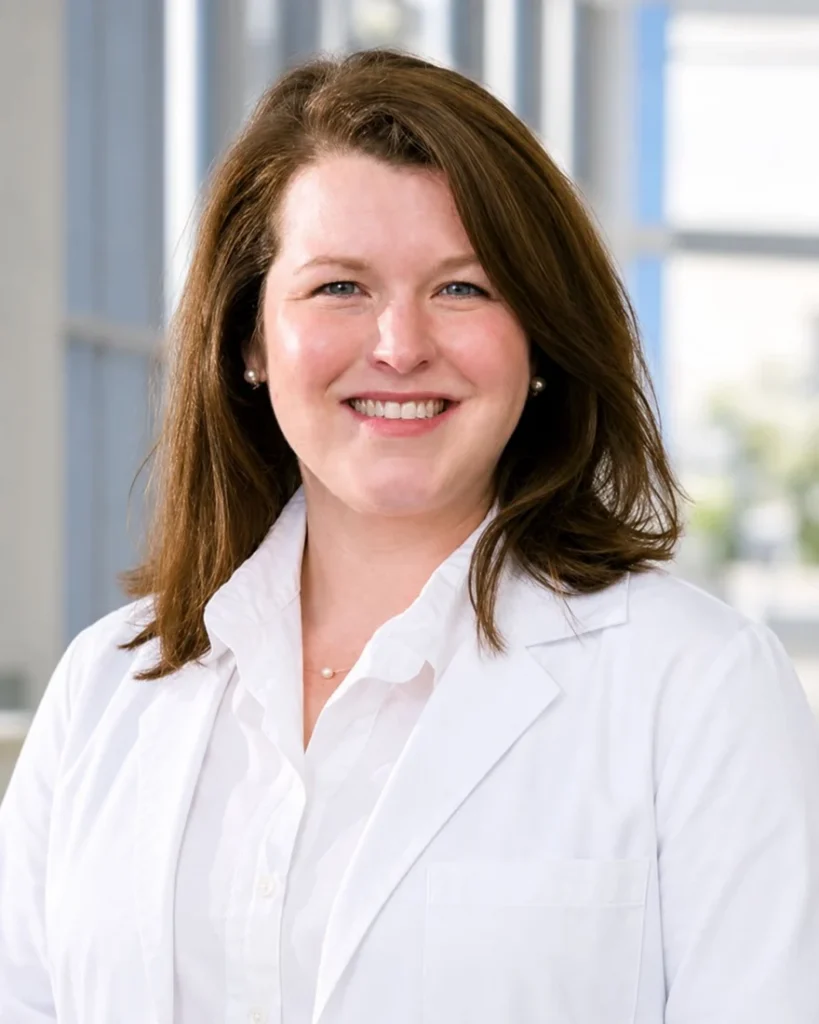
Dr. Rachael Haverland
Dr. Katherine Smith
Recovery depends on how much disease was removed and which organs were involved. Bowel or bladder surgery usually takes longer to recover from than surgery on the surface alone. Your surgeon gives you a plan for rest, eating, activity and follow-up, and explains which symptoms need emergency care.
Not always. Many patients can be diagnosed from their symptoms, a pelvic exam and imaging such as ultrasound or MRI. Laparoscopy with tissue examination is still useful when imaging is normal and symptoms continue, or when surgery is already planned for treatment.
Options include hormonal medicine, pain management, pelvic floor physical therapy, fertility treatment and excision surgery, often in combination. The right plan depends on your symptoms, imaging, which organs are involved and your goals. Surgery is one option among several, and some patients do well without it.
It can be, because deep disease can affect the bowel, bladder, ureters or fertility, and a blocked ureter can damage a kidney without causing pain. A specialist can explain what your findings mean for you. Bring your imaging and past surgery reports to that visit.
Excision aims to remove the disease the surgeon can see and safely reach. With severe disease, some lesions may be left to protect an organ or nerve, and endometriosis can return over time. Your surgeon explains beforehand what she plans to remove, what she will protect and what results are realistic.
They may be. When disease may involve the bowel, bladder or ureters, our surgeons can coordinate with colorectal surgeons or urologists. Whether you need them depends on your exam and imaging, and you will know the plan and your team before surgery day.
Many patients with severe endometriosis do conceive, naturally or with fertility treatment such as IVF. Surgery may help in some cases, although ovarian surgery can lower egg supply, so timing matters. Share your fertility goals at your first visit so a fertility specialist can be involved early if needed.
If you have been told you have stage 4 or deep endometriosis, a consultation can help you understand your options before you decide on surgery. Call our Dallas office or request an appointment online, and bring your imaging and past reports. Dr. Haverland or Dr. Smith will review your findings and talk through a plan that fits your goals.