

Chest and shoulder pain during menstruation is not considered a typical menstrual symptom. While many women associate endometriosis with pelvic pain, the condition can occasionally affect areas outside the pelvis, including the diaphragm and chest cavity. This rare form of the disease, known as thoracic or diaphragmatic endometriosis, may cause recurring chest pain, shoulder pain, breathing discomfort, and other symptoms that closely follow the menstrual cycle. Because these symptoms often resemble lung, heart, or musculoskeletal conditions, diagnosis is frequently delayed. Understanding the causes, recognizing the warning signs, and seeking evaluation from an experienced endometriosis specialist are essential steps toward receiving appropriate treatment. Early diagnosis and personalized care can help reduce symptoms, protect long-term health, and improve overall quality of life.
What Is Thoracic and Diaphragmatic Endometriosis?

Thoracic endometriosis is a rare form of endometriosis in which tissue similar to the uterine lining grows within the chest cavity. It most commonly affects the diaphragm, but it may also involve the lining of the lungs or surrounding thoracic structures. Although uncommon, this condition can produce symptoms that extend well beyond the pelvis and significantly affect daily life.
How Thoracic Endometriosis Develops
Like pelvic endometriosis, thoracic endometriosis is influenced by hormonal changes throughout the menstrual cycle. Endometriosis lesions outside the uterus respond to these hormonal fluctuations, causing inflammation, swelling, and irritation each month.
Researchers believe several mechanisms may contribute to thoracic endometriosis, including the migration of endometrial-like tissue through the abdominal cavity, immune system dysfunction, and genetic factors. Although the exact cause remains under investigation, these lesions can produce recurring symptoms that coincide with menstruation.
Because the disease affects structures involved in breathing and movement, patients often experience symptoms that seem unrelated to a gynecological condition.
Why the Diaphragm Can Cause Chest and Shoulder Pain
The diaphragm is a large muscle that separates the chest from the abdomen and plays a critical role in breathing. It shares nerve connections with the shoulder through the phrenic nerve, which explains why irritation of the diaphragm can cause pain that radiates into the shoulder.
As endometriosis lesions become inflamed during menstruation, patients may notice chest discomfort, shoulder pain, or pain that worsens with deep breathing. Understanding this nerve connection helps explain why thoracic endometriosis is frequently mistaken for orthopedic or respiratory disorders.
Common Symptoms of Thoracic Endometriosis

Symptoms vary depending on the location and severity of disease involvement. While some women experience mild discomfort, others develop symptoms that significantly interfere with breathing, exercise, and everyday activities.
Recognizing recurring symptoms that occur around the menstrual cycle is one of the most important steps toward an accurate diagnosis.
Chest and Shoulder Symptoms
Chest pain is one of the hallmark symptoms of thoracic endometriosis. The discomfort may affect one or both sides of the chest and often becomes more noticeable during menstruation.
Many patients also experience shoulder pain that develops without a shoulder injury. Because the pain is referred from the diaphragm, it may be mistaken for muscle strain or joint problems before the correct diagnosis is made.
Common symptoms include:
These symptoms often follow a cyclical pattern, becoming more severe during menstruation and improving afterward.
-
Chest pain during the menstrual cycle
-
Shoulder pain that worsens during menstruation
-
Pain with deep breathing
-
Upper abdominal discomfort near the diaphragm
-
Shortness of breath
-
Fatigue associated with chronic pain
Chest pain during the menstrual cycle
Shoulder pain that worsens during menstruation
Pain with deep breathing
Upper abdominal discomfort near the diaphragm
Shortness of breath
Fatigue associated with chronic pain
Although these symptoms are uncommon, recurring menstrual-related chest pain should always be evaluated by an experienced healthcare provider.
Respiratory Complications That May Occur
In more advanced cases, thoracic endometriosis may affect lung function and lead to rare but serious complications. Some patients develop catamenial pneumothorax, a condition in which a lung partially or completely collapses during menstruation.
Others may experience pleural effusions, which involve fluid accumulation around the lungs. Although these complications are rare, they highlight the importance of recognizing thoracic endometriosis before symptoms become more severe.
Prompt evaluation allows specialists to determine whether respiratory symptoms are related to endometriosis or another underlying condition.
Diagnosing Thoracic and Diaphragmatic Endometriosis
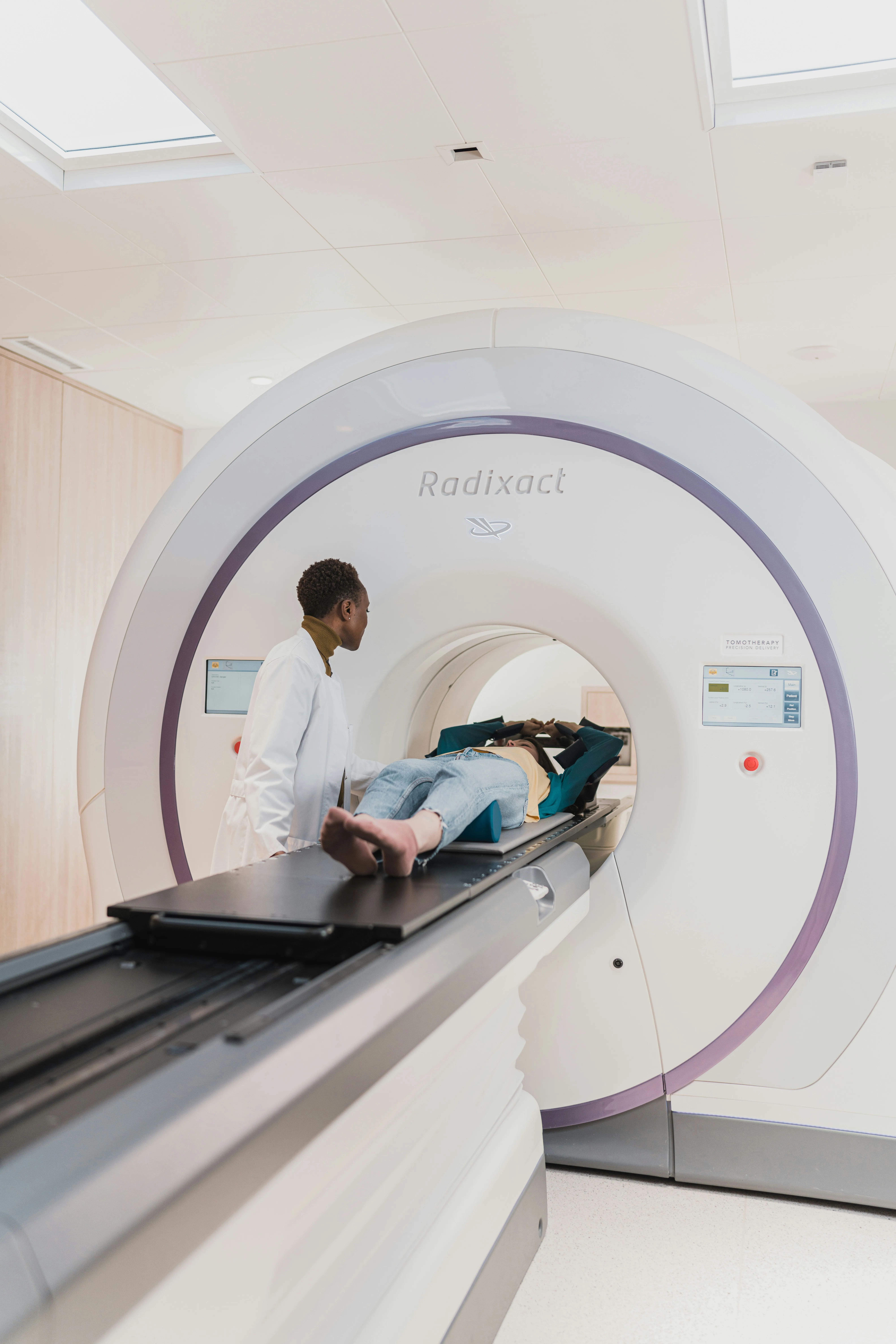
Diagnosing thoracic endometriosis can be challenging because its symptoms closely resemble those of respiratory, cardiac, and musculoskeletal conditions. A thorough evaluation by an experienced specialist is often necessary to identify the true cause of recurring chest and shoulder pain.
The timing of symptoms provides one of the most valuable diagnostic clues, particularly when discomfort consistently worsens during menstruation.
Medical History and Advanced Imaging
The evaluation begins with a detailed review of symptom history, menstrual patterns, previous treatments, and overall medical history. Healthcare providers assess whether chest pain, shoulder pain, or breathing difficulties consistently occur alongside the menstrual cycle.
Advanced imaging studies such as MRI and CT scans may help identify diaphragmatic lesions or other abnormalities affecting the chest cavity. Although imaging can provide valuable information, smaller endometriosis lesions may not always be visible.
Combining imaging with a detailed clinical evaluation improves diagnostic accuracy and helps guide treatment planning.
The Role of Surgical Evaluation
For some patients, minimally invasive laparoscopy or thoracoscopy may be necessary to confirm the diagnosis and determine the extent of disease. These procedures allow specialists to directly visualize endometriosis lesions and assess involvement of the diaphragm or nearby structures.
Diagnostic evaluation may include:
Each component of the evaluation helps create a personalized treatment plan based on the patient’s symptoms and disease extent.
-
Comprehensive medical history
-
Pelvic and physical examination
-
MRI or CT imaging when appropriate
-
Minimally invasive surgical evaluation if needed
-
Assessment by an experienced endometriosis specialist
Comprehensive medical history
Pelvic and physical examination
MRI or CT imaging when appropriate
Minimally invasive surgical evaluation if needed
Assessment by an experienced endometriosis specialist
Accurate diagnosis is the foundation for effective treatment and can help prevent prolonged symptoms, delayed care, and unnecessary treatments for unrelated conditions.
Treatment Options for Thoracic and Diaphragmatic Endometriosis

Treatment for thoracic endometriosis depends on the location of the lesions, symptom severity, and each patient’s overall health and reproductive goals. Because this condition can involve both the pelvis and chest cavity, treatment is often individualized to address the full extent of the disease while improving long-term quality of life.
Early intervention may help reduce recurring symptoms and prevent complications affecting the lungs or diaphragm.
Hormonal Therapy and Symptom Management
For some patients, hormonal therapy may help reduce the hormonal stimulation of endometriosis lesions and decrease symptom severity. These medications are often considered for patients with milder symptoms or as part of a broader treatment strategy.
Pain management, physical rehabilitation, and ongoing monitoring may also help improve daily comfort. However, because hormonal therapy does not remove existing endometriosis lesions, symptoms may continue or return after treatment is discontinued.
Treatment recommendations are based on each patient’s symptoms, imaging findings, and long-term health goals.
Minimally Invasive Excision Surgery
For patients with persistent symptoms or extensive thoracic disease, minimally invasive excision surgery is often considered the most effective treatment. Rather than simply suppressing symptoms, excision surgery removes endometriosis lesions while preserving as much healthy surrounding tissue as possible.
Depending on the location of the disease, surgery may involve collaboration between minimally invasive gynecologic surgeons and thoracic surgeons to safely remove lesions affecting the diaphragm or chest cavity. Careful surgical planning helps restore function, reduce inflammation, and lower the risk of future symptom recurrence.
A personalized surgical approach gives patients the greatest opportunity for meaningful symptom relief while protecting long-term respiratory and pelvic health.
Living Well After Treatment

Recovery extends beyond surgery or medical therapy. Long-term management focuses on reducing symptom recurrence, improving physical function, and helping patients return to their normal daily activities with greater confidence.
Ongoing follow-up care allows healthcare providers to monitor recovery and adjust treatment recommendations as healthcare needs evolve.
Recovery Following Treatment
Recovery varies depending on the extent of disease and the treatment performed. Patients undergoing minimally invasive surgery often experience gradual improvements in chest pain, shoulder pain, breathing discomfort, and overall mobility as healing progresses.
Because thoracic endometriosis may involve multiple body systems, recovery sometimes includes pelvic floor rehabilitation, breathing exercises, and activity modifications during the healing process.
Following postoperative instructions and attending scheduled follow-up appointments help support a safe and successful recovery.
Long-Term Symptom Monitoring
Although treatment significantly improves symptoms for many patients, ongoing monitoring remains an important part of long-term care. Patients are encouraged to keep track of any recurring chest pain, breathing difficulties, or menstrual-related symptoms and discuss changes with their healthcare provider.
Healthy lifestyle habits, regular medical follow-up, and early evaluation of new symptoms all contribute to maintaining long-term health and reducing the impact of chronic inflammation.
Working closely with an experienced endometriosis specialist allows patients to receive continued guidance throughout every stage of recovery.
Frequently Asked Questions
Can Endometriosis Really Cause Chest and Shoulder Pain?
Yes. Thoracic and diaphragmatic endometriosis can irritate the diaphragm and nearby nerves, causing chest pain and referred shoulder pain that often worsens during menstruation.
What Is Catamenial Pneumothorax?
Catamenial pneumothorax is a rare condition in which a lung collapses during the menstrual cycle due to thoracic endometriosis affecting the chest cavity. It requires prompt medical evaluation and treatment.
How Is Thoracic Endometriosis Diagnosed?
Diagnosis typically involves a detailed medical history, physical examination, MRI or CT imaging, and in some cases minimally invasive surgical evaluation to confirm the presence of endometriosis.
Is Surgery the Best Treatment for Thoracic Endometriosis?
Treatment depends on the severity of symptoms and disease involvement. While hormonal therapy may help some patients, minimally invasive excision surgery is often recommended for persistent symptoms or extensive disease because it removes endometriosis lesions rather than simply controlling symptoms.
Taking the Next Step Toward Relief From Thoracic Endometriosis
Chest and shoulder pain that repeatedly occurs during your menstrual cycle should never be ignored. Although thoracic and diaphragmatic endometriosis are uncommon, they can significantly affect breathing, mobility, and overall quality of life when left untreated. Recognizing the connection between cyclical chest symptoms and endometriosis allows patients to pursue earlier diagnosis and receive care tailored to their individual needs. With advances in minimally invasive surgery and comprehensive treatment planning, many women experience lasting symptom relief and improved daily function.
At the Endometriosis Center of Excellence, our experienced team specializes in diagnosing and treating complex forms of endometriosis, including thoracic and diaphragmatic involvement. Through advanced diagnostic evaluation, minimally invasive excision surgery, and personalized treatment plans, we help patients find lasting relief from chronic pain while protecting their long-term health. Schedule a consultation today to explore treatment options designed specifically for your needs.