
Endometriosis in Teens and Young Women
Medicine Often Comes First, Surgery When Needed
Endometriosis in teens can cause period pain that does not ease with rest or usual pain medicine, and that pain is worth a medical evaluation. Endometriosis Center of Excellence in Dallas helps teens, young women and their parents understand care options. Many teens start with medicine, and surgery may be considered if symptoms persist.

Many teens and families see period pain as part of growing up, so months can pass before the pain gets a closer look. Pain that keeps a teen home from school, or stops her usual activities, deserves an evaluation rather than more waiting.
That evaluation does not assume the answer. Severe period pain has several possible causes, and endometriosis is one of them, so a doctor looks at the full picture before naming a cause. Pain medicine that helped at first and then stopped working is one detail worth reporting. Noting which signs of endometriosis in teens she has can help you describe the pattern at the visit.
Endometriosis can begin in the teen years, not only in adulthood, and teens are evaluated with the same diagnostic approach as adults. Severe cramps are common, so endometriosis in a teen can take time to recognize.
Painful menstrual cramps that get worse over time are a common symptom, which matches what many teens describe. A pattern that repeats with her cycle, rather than a single bad month, is the detail worth bringing to a doctor.
A normal ultrasound does not rule out superficial endometriosis. A doctor can still guide treatment from the full clinical picture without moving straight to surgery.

A few notes gathered ahead of time make the first visit more useful, and you do not need a diagnosis in hand to call.
Write down when pain starts, how it changes with her cycle, and what helps or does not.
Note each medicine she has taken, how long she took it and whether it helped.
Bring any ultrasound reports and notes from earlier visits so her surgeon can see what has already been checked.
A heating pad, a flexible school plan and open conversation at home can help her day to day while a plan takes shape.
Every teen's path to a plan is different. A teen does not need to try several medicines before a first visit. An earlier visit can make sense when pain is severe or the cause is unclear.
Share what has been tried so far and ask how scheduling works for a teen's first visit.
The first visit is a consultation with a surgeon at the practice, with time for the teen to describe her symptoms in her own words.
Many patients leave with next steps such as a medicine trial, imaging or a follow-up visit rather than a full plan on the first day.
For most teens, care starts with medicine: a pain reliever such as an NSAID, a hormonal option, or both. Treatment can begin based on her symptoms and history, without first confirming endometriosis by surgery. The plan is adjusted based on how she responds.
Surgery is considered when pain continues despite medicine, or when imaging suggests a cyst or deeper disease. That makes it a later step among the treatment options for teens rather than a first one. If surgery is chosen, the surgeon may remove identified endometriosis lesions where clinically appropriate, considering their location and the risks of removal. Tissue removed during excision surgery goes to a pathologist for examination. Whether surgery helps, and how much, varies from one patient to the next.
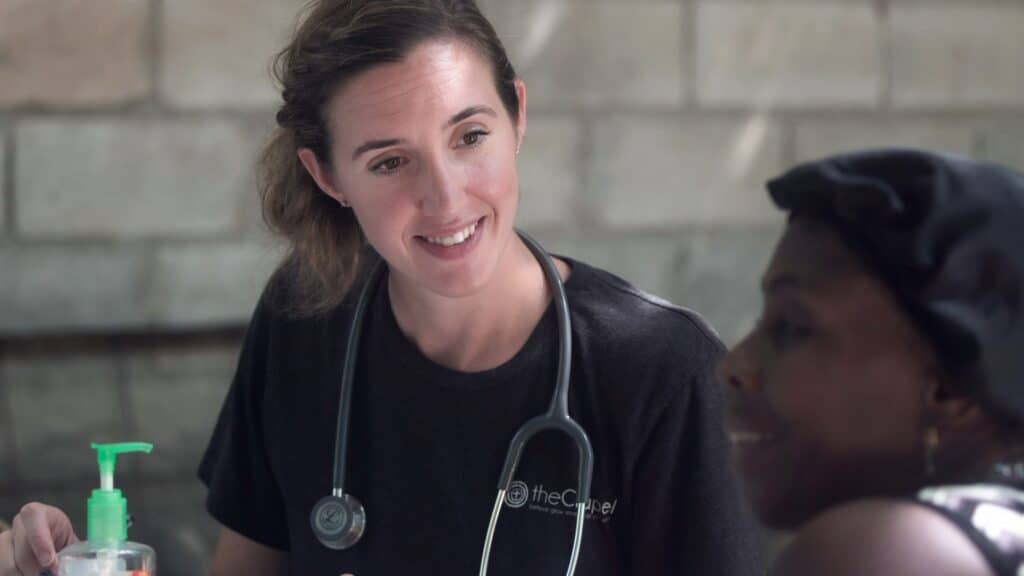
Many patients find it helps to bring a family member or another person they trust, and a teen's visit is no different. Her own description of the pain and a parent's observations over time each add something the other cannot. Mention who is coming when you book, and ask the office about any visitor guidelines.
Adolescent visits should provide an opportunity for the young patient to describe symptoms, ask questions and participate in decisions about care. Clinicians should explain examination options, consent and confidentiality in an age-appropriate way, consistent with applicable law and professional guidance.
Ask our office which surgeon sees teen patients. A teen's plan can include medical and supportive options as well as surgery. Dr. Haverland and Dr. Smith both hold board certification in obstetrics and gynecology.


Dr. Rachael Haverland
Dr. Katherine Smith
Some cramping is common and usually eases with rest or an over-the-counter pain reliever. Pain that keeps getting worse, stops responding to that pain reliever, or keeps a teen from school deserves an evaluation. Not every teen with painful periods has endometriosis, and the visit looks at every possible cause.
Pain that keeps recurring with her cycle can affect school attendance and activities. Tracking when it happens and what helps can support both her care and conversations with the school.
Privacy rules for teen patients follow state law and professional guidance, and they can differ by situation. Ask our office how privacy and a parent's role are handled before the first visit.
The first visit is a conversation with the surgeon about symptoms, history and goals. An exam may be discussed, and it is explained first and done only with consent.
You or your parent can call without a full symptom list or a diagnosis in hand. Bring any records or imaging you already have, and your surgeon will walk through the options with you and your parent.