Endometriosis Symptoms and Diagnosis
Recognizing the early signs of endometriosis is crucial for timely diagnosis and effective treatment. Endometriosis can manifest through a range of symptoms, including painful periods, heavy bleeding, and pelvic pain. Seeking medical attention and undergoing the appropriate diagnostic procedures, such as pelvic exams and imaging tests, can help identify the condition and develop a personalized care plan.
Understanding the common symptoms of endometriosis, such as painful menstrual cramps, painful intercourse, and fatigue, can empower individuals to advocate for their health and pursue the necessary medical evaluations. Early detection and diagnosis can significantly improve the management of endometriosis and enhance the quality of life for those affected.
Endometriosis Treatment Options
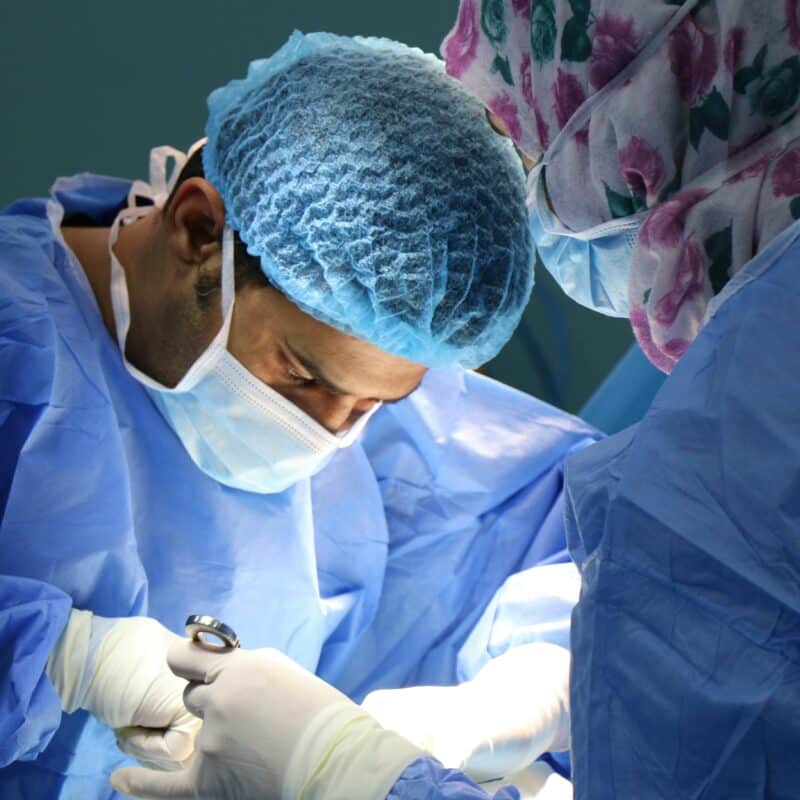
Individuals with endometriosis have access to a range of treatment options, each tailored to their unique needs and preferences. Hormonal therapies, such as birth control pills or gonadotropin-releasing hormone agonists, can help manage the symptoms and slow the progression of the disease. For more advanced cases, surgical interventions, including laparoscopic excision or ablation, may be recommended to remove the endometrial lesions.
In addition to medical and surgical treatments, complementary therapies, such as pelvic floor physical therapy, acupuncture, and dietary modifications, can be effective in managing endometriosis-related pain and improving overall well-being. Exploring the various treatment options and collaborating with a multidisciplinary healthcare team can empower individuals to find the most suitable approach for their endometriosis management.
Endometriosis and Fertility
Endometriosis can have a significant impact on an individual's fertility, as the condition can cause scarring, inflammation, and adhesions in the pelvic region. However, with proper management and treatment, many individuals with endometriosis are able to achieve successful pregnancies.
Seeking guidance from a fertility specialist who is experienced in treating endometriosis-related infertility can be beneficial. Depending on the severity of the condition and the individual's specific needs, fertility treatments such as in vitro fertilization (IVF) or assisted reproductive techniques may be recommended. Understanding the potential effects of endometriosis on fertility and exploring the available options can help individuals make informed decisions about their reproductive health.
Endometriosis and Mental Health
Endometriosis can have a significant impact on an individual's mental health, as the chronic pain, fatigue, and other symptoms associated with the condition can lead to increased levels of stress, anxiety, and depression. Recognizing the connection between endometriosis and mental health is crucial for comprehensive care and support.
Incorporating mental health support, such as counseling, therapy, and stress management techniques, into the overall endometriosis treatment plan can be beneficial. Engaging with a mental health professional who understands the unique challenges of living with endometriosis can provide valuable coping strategies and help individuals manage the emotional and psychological aspects of the condition.