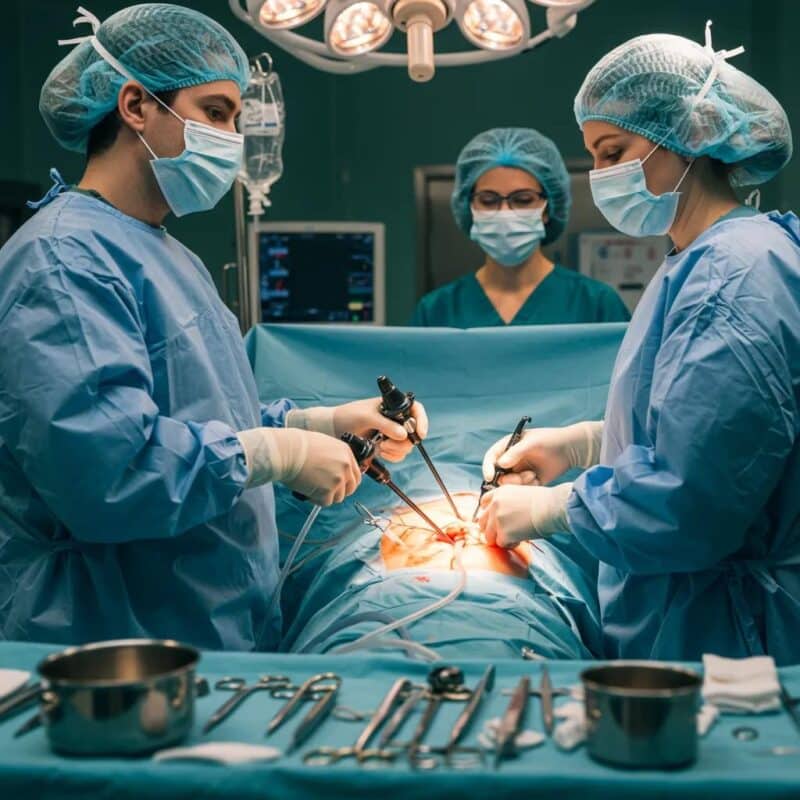
Endometriosis Diagnosis and Evaluation
Accurate diagnosis of endometriosis is crucial for effective management and treatment. This section explores the various diagnostic methods, including physical examination, imaging tests, and laparoscopic surgery, to help patients understand the process of confirming an endometriosis diagnosis.
Patients will learn about the importance of seeking an experienced specialist, such as Dr. Haverland, who can thoroughly evaluate their symptoms, medical history, and test results to provide a comprehensive diagnosis and develop a personalized treatment plan.
Endometriosis Treatments and Management Strategies
Managing endometriosis requires a multifaceted approach, and this section covers the various treatment options available, including medication, hormonal therapy, surgical interventions, and complementary therapies. Patients will gain insights into the pros and cons of each approach and how to work collaboratively with their healthcare provider to find the most suitable treatment plan.
Additionally, this section explores lifestyle modifications, such as diet, exercise, and stress management, that can help alleviate endometriosis symptoms and improve overall well-being.
Endometriosis and Fertility Considerations
Endometriosis can have a significant impact on a woman's fertility, and this section addresses the complex relationship between the condition and reproductive health. Patients will learn about the potential effects of endometriosis on fertility, the available treatment options to improve fertility outcomes, and the importance of early intervention and specialized care.
The content also provides guidance on family planning, the role of assisted reproductive technologies, and the importance of open communication with healthcare providers to navigate the challenges of endometriosis and fertility.
Supporting the Endometriosis Community
Living with endometriosis can be a challenging and isolating experience, which is why this section focuses on the importance of building a supportive community. Patients will find information about patient advocacy groups, support networks, and resources that can help them connect with others who share similar experiences.
Additionally, this section highlights the role of healthcare providers, such as Dr. Haverland, in fostering a compassionate and empowering environment for individuals with endometriosis, ensuring they receive the comprehensive care and emotional support they need.