Endometriosis is a chronic condition in which tissue similar to the uterine lining grows outside the uterus, often causing pelvic pain, heavy periods, and fertility challenges. For many, diagnosis takes years due to the complexity of symptoms and limitations of imaging tests.
Laparoscopy remains the gold standard for diagnosing endometriosis because it allows doctors to directly view the pelvic organs and collect small tissue samples for confirmation under a microscope. This minimally invasive procedure provides the most accurate way to identify endometrial lesions, determine the stage of disease, and begin an effective treatment plan.
This guide explains what to expect before, during, and after diagnostic laparoscopy. It also outlines how the procedure compares to imaging studies, what preparation steps are important, and how recovery typically progresses. Understanding these details can help patients approach the process with confidence and make informed decisions about their care.
What Is Endometriosis and Why Is Laparoscopy the Gold Standard for Diagnosis?
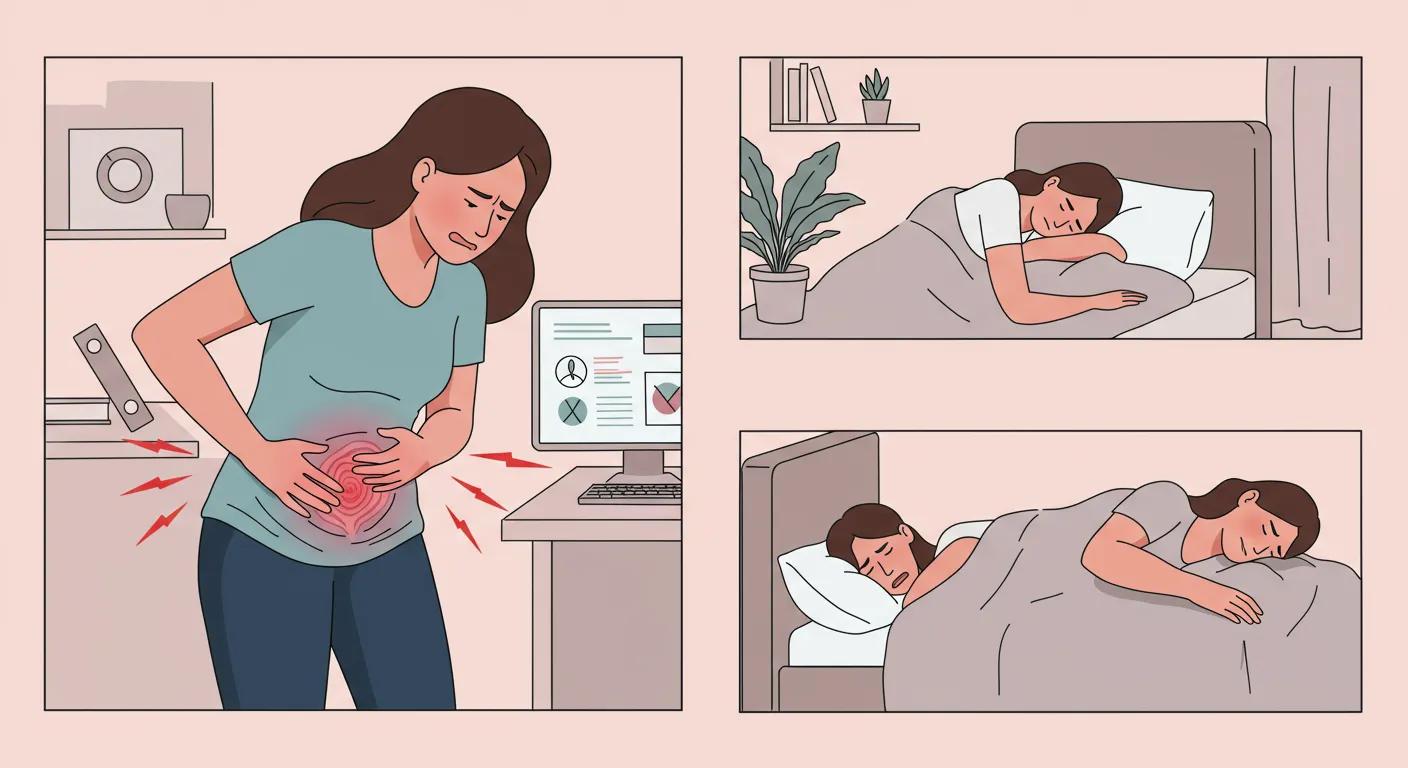
For many individuals, the journey to an endometriosis diagnosis can be long and frustrating. Symptoms such as pelvic pain, heavy or painful periods, fatigue, and fertility challenges are often mistaken for other conditions or dismissed as “normal.” While imaging studies like ultrasound or MRI can detect certain types of endometriosis, they can’t always identify small, hidden, or superficial lesions. That’s where laparoscopy makes the difference.
The Value of Direct Visualization and Biopsy
Laparoscopy is considered the gold standard for diagnosing endometriosis because it allows the surgeon to see the disease directly inside the abdomen and pelvis. Using a small camera inserted through tiny incisions, your specialist can carefully inspect the pelvic organs for lesions, adhesions, and scar tissue. If suspected areas are found, small tissue samples (biopsies) are taken and examined under a microscope to confirm the presence of endometrial-like tissue.
This process—visual confirmation combined with histologic testing—offers accuracy that imaging alone cannot achieve. It ensures that subtle or atypical forms of endometriosis are not overlooked and allows your doctor to determine the exact stage and extent of the disease.
How Laparoscopy Improves Diagnosis and Treatment Planning
One of the key advantages of laparoscopy is that it serves both diagnostic and therapeutic purposes. In many cases, if endometriosis is found, the surgeon can remove (excise) or destroy (ablate) lesions during the same procedure. This approach not only confirms the diagnosis but also provides immediate relief for some symptoms and helps preserve fertility by restoring normal anatomy.
The ability to map the disease directly also supports long-term management. Your care team can develop an informed treatment plan that considers pain management, hormonal therapy, and fertility goals based on what was seen and confirmed during surgery.
Comparing Diagnostic Options
Understanding how laparoscopy compares to other diagnostic methods helps clarify why it is considered the most accurate and comprehensive approach:
While ultrasound and MRI remain valuable tools for initial evaluation, only laparoscopy can provide definitive confirmation through tissue diagnosis. This level of precision is especially important when developing fertility-focused or pain-management strategies.
How Should You Prepare for a Laparoscopic Endometriosis Procedure?
Preparation before laparoscopy focuses on your medical readiness, practical planning, and communication with your surgical team. A thoughtful approach ensures the procedure goes smoothly, recovery begins safely, and any risks are minimized. Key preparation steps often include adjusting medications, completing a pre-anesthesia assessment, and arranging reliable post-operative support at home. Taking time to prepare also helps reduce anxiety and contributes to a faster, more comfortable recovery.
What Pre-Operative Instructions Should Patients Follow?
A clear pre-operative checklist helps you stay organized and confident in the days leading up to surgery. Your healthcare team will provide specific instructions, but general guidelines often include:
- Medication adjustments: Stop certain medications—such as blood thinners, aspirin, or some NSAIDs—as directed by your surgeon to reduce bleeding risk.
- Pre-surgery evaluation: Complete any lab tests, imaging, or health assessments your care team orders.
- Lifestyle preparation: Avoid smoking and alcohol in the days before surgery, as both can interfere with anesthesia and healing.
- Practical arrangements: Plan reliable transportation and ensure someone can stay with you for the first 24–48 hours after anesthesia.
- Documentation: Bring prior imaging reports, surgical notes, and a list of current medications or supplements.
- Comfort items: Pack loose-fitting clothes and small personal necessities for discharge day.
Following these steps helps your surgical team focus on the procedure itself and supports a smoother recovery afterward.
What Questions Should You Ask Your Surgeon Before Laparoscopy?
Being informed before surgery helps you feel empowered and ensures your treatment plan aligns with your goals. Here are key questions to ask your surgeon:
- Will the surgery involve excision, ablation, or both, and what determines that choice?
- How many endometriosis excision procedures do you perform each year?
- Will any tissue samples be sent for biopsy, and how will those results guide my follow-up care?
- What should I expect for pain management and activity restrictions after surgery?
- How long is the typical recovery timeline, and when can I resume work or exercise?
- If severe or deep disease is found, will other specialists (such as colorectal or urology surgeons) be involved?
- What are the chances of recurrence, and what can be done to lower that risk?
These conversations encourage transparency and help set realistic expectations about results, recovery, and next steps.
How Does Anesthesia and Fasting Impact the Procedure Preparation?
Laparoscopic endometriosis surgery is performed under general anesthesia, meaning you’ll be asleep and pain-free during the procedure. To ensure your safety, your anesthesia team will provide specific fasting and medication instructions.
- Fasting rules: Typically, no solid foods for 6–8 hours before surgery and only clear liquids (like water or electrolyte drinks) up to 2 hours prior. This reduces the risk of aspiration during anesthesia.
- Medication guidance: Some daily medications can be taken with a small sip of water, but always confirm this at your pre-anesthesia appointment.
- Pre-anesthesia evaluation: This checkup helps identify any airway, heart, or medication risks and ensures your anesthesia plan is personalized for comfort and safety.
Following these instructions carefully helps prevent day-of-surgery delays, supports smooth induction and recovery from anesthesia, and reduces postoperative nausea or discomfort.
What Happens During Laparoscopic Surgery for Endometriosis?
Laparoscopic surgery for endometriosis is performed through a series of precise and carefully planned steps. The procedure uses small incisions, specialized instruments, and a high-definition camera to locate and remove endometrial lesions while minimizing tissue damage. Because it is minimally invasive, laparoscopy typically offers faster recovery, less postoperative pain, and reduced scarring compared to traditional open surgery.
The surgery combines several key elements: gentle insufflation of the abdomen with carbon dioxide (CO₂) to create space for visibility, real-time imaging through a laparoscope, and advanced energy tools for accurate tissue removal. Each step is performed methodically to ensure both diagnostic accuracy and effective treatment. For more detail, see our article Assess Your Endometriosis: When to Consider Advanced Surgery.
What Are the Step-by-Step Stages of the Laparoscopic Procedure?
Every laparoscopic procedure follows a structured sequence to ensure patient safety and achieve the best diagnostic results. Although each surgery is tailored to the patient’s needs, a typical procedure includes:
- Anesthesia and positioning: General anesthesia is administered to keep you asleep and comfortable throughout the procedure. You’ll be positioned to allow full access to the pelvic organs.
- Insufflation and trocar placement: The surgeon inflates the abdomen with CO₂ to create working space, then places small ports (trocars) through which instruments and the camera are inserted.
- Inspection and diagnosis: The pelvic and abdominal organs are examined in detail to locate endometriosis lesions, adhesions, or scar tissue.
- Excision or ablation: When disease is found, the surgeon removes (excises) or destroys (ablates) the affected tissue. Biopsies are collected for confirmation under a microscope.
- Hemostasis and irrigation: The area is gently irrigated, and bleeding is controlled to ensure a clear surgical field.
- Closure: Instruments are removed, and the small incisions are closed with absorbable sutures or skin adhesive.
This methodical approach allows for both definitive diagnosis and immediate treatment when appropriate. By addressing disease during the same procedure, patients often experience faster symptom relief and improved fertility outcomes.
How Are Incisions Made and What Instruments Are Used?
Laparoscopic surgery requires only small incisions—usually three to four, each between 5 mm and 12 mm in size. These incisions are strategically placed to allow clear visualization and efficient movement of instruments.
The main tools used include:
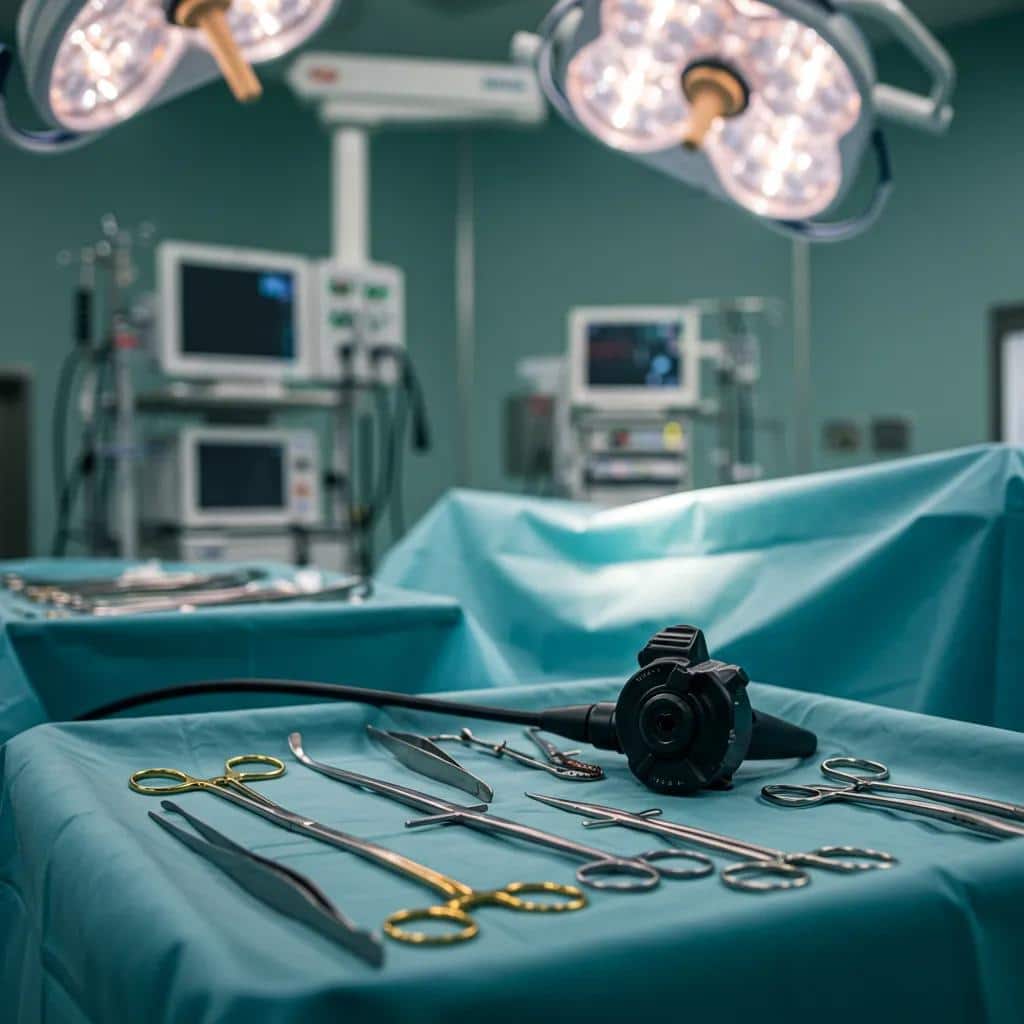
- Laparoscope: A slender camera that provides magnified, high-definition images of the pelvic cavity.
- Trocars: Small tubular ports that allow surgical instruments to pass safely into the abdomen.
- Graspers, scissors, and dissectors: Tools for holding, cutting, and separating tissue.
- Energy devices: Instruments that use heat or ultrasonic energy to remove tissue and control bleeding.
After the procedure, the incisions are closed with absorbable sutures or medical adhesive strips. Scarring is typically minimal and fades over time. Understanding these tools helps patients see how advanced laparoscopic techniques minimize trauma and speed recovery.
What Is the Difference Between Excision and Ablation Surgery?
Two main surgical techniques are used to treat endometriosis: excision and ablation.
- Excision surgery involves cutting out visible disease down to healthy tissue margins. This technique allows for complete lesion removal and provides tissue samples for biopsy. It is often associated with lower recurrence rates and better outcomes for pain and fertility.
- Ablation surgery uses heat or laser energy to destroy surface-level lesions without removing the deeper tissue. While less invasive, ablation may not address deeper or more complex disease.
Most specialists favor excision when possible because it provides both definitive diagnosis and long-term symptom control. However, the best approach depends on the extent of disease, location of lesions, and the patient’s overall health and goals.
How Does Surgical Expertise Influence the Outcome?
The surgeon’s training and experience play a critical role in both diagnostic accuracy and long-term outcomes. A skilled excision specialist understands how to identify subtle lesions, remove them completely, and preserve surrounding structures that are vital for fertility and organ function.
Experienced surgeons also integrate findings from laparoscopy into a personalized postoperative plan, supporting patients through recovery, hormonal management, and fertility planning. This comprehensive approach improves not just surgical results but overall quality of life after treatment.
What to Expect Immediately After Laparoscopy: Recovery and Pain Management
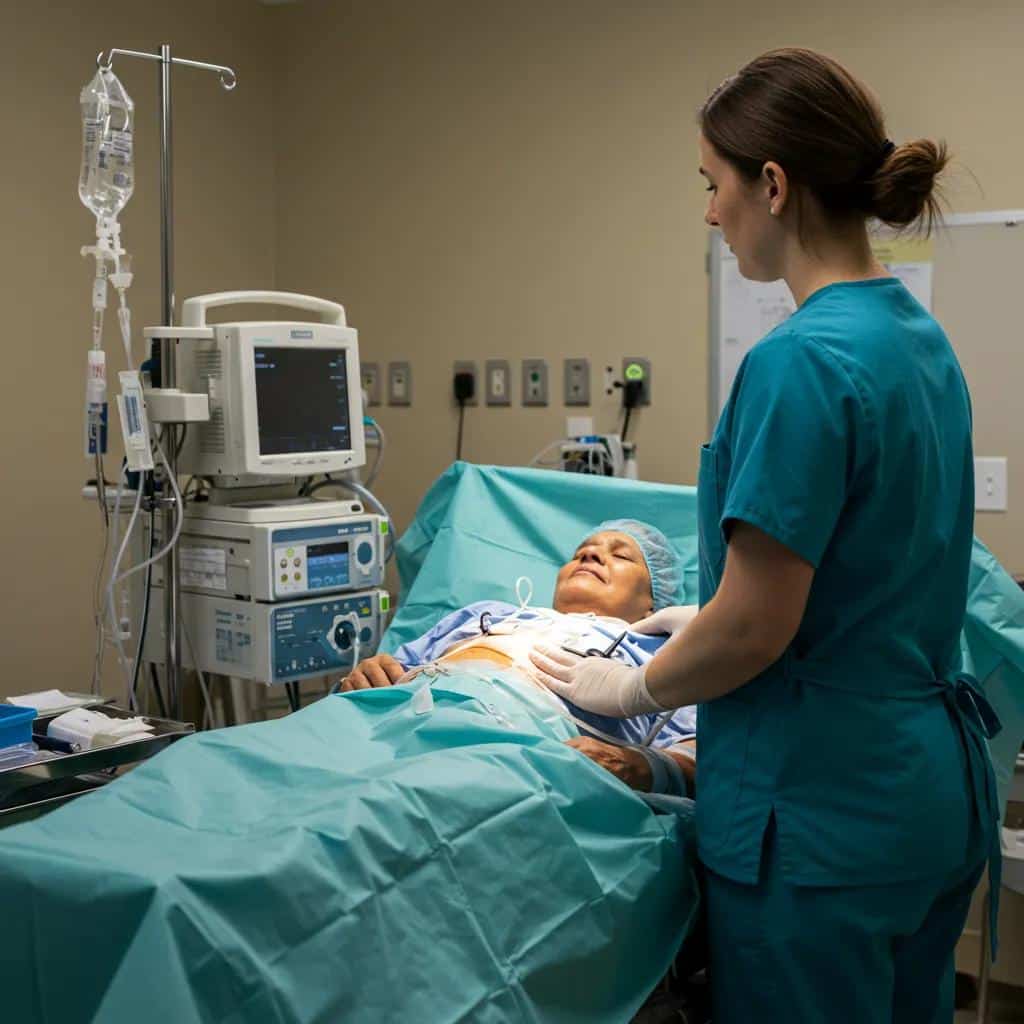
Recovery begins as soon as the procedure is completed. In the first few hours, your care team monitors you closely to ensure your breathing, pain control, and vital signs are stable before discharge. Most patients go home the same day once they meet recovery criteria. The early focus is on managing pain, easing discomfort caused by anesthesia or residual gas, and ensuring that you can rest and move safely once home.
Because laparoscopy is minimally invasive, recovery tends to be smoother and faster than with open surgery. Early movement, good hydration, and proper wound care all contribute to a quicker return to normal activity and reduce the risk of complications.
What Are Common Immediate Post-Operative Symptoms and Discomforts?
During the first 24–72 hours, it’s normal to experience mild to moderate discomfort. Common postoperative symptoms include:
- Shoulder or chest pain caused by gas used during surgery, which can irritate the diaphragm.
- Soreness or tenderness at incision (trocar) sites.
- Bloating or a feeling of abdominal fullness.
- Nausea or fatigue from anesthesia.
- Temporary changes in appetite or bowel function.
These symptoms typically improve with each passing day. Walking or gently changing positions can help relieve gas-related pain, while heat packs and light stretching ease abdominal soreness.
Monitor for any warning signs such as fever, heavy bleeding, increasing pain, or unusual drainage from incision sites—these may indicate infection or other complications and should be reported to your care team promptly.
How Is Pain Managed After Laparoscopic Endometriosis Surgery?
Pain relief after laparoscopy usually involves a multimodal approach, meaning a combination of different medications and comfort measures to minimize discomfort and reduce the need for opioids. Your surgeon and anesthesia team will tailor this plan to your needs. You may also find How Laparoscopy Assists in Diagnosing Endometriosis helpful.
Typical pain management strategies include:
- Scheduled non-opioid pain relievers: Such as acetaminophen or NSAIDs to reduce inflammation.
- Short-term opioid medication: Prescribed only when necessary for breakthrough pain, with clear tapering instructions.
- Local anesthesia or nerve blocks: Often administered during surgery to reduce pain in the first 24 hours.
- Non-medication relief: Use of heat packs, gentle walking, and pelvic relaxation exercises can promote circulation and ease muscle tension.
- Pelvic physical therapy: May be recommended for ongoing pain control and to support pelvic recovery in the weeks following surgery.
Effective pain management helps you move comfortably, recover faster, and return to your daily activities with confidence.
What Are Typical Post-Op Care Instructions and Hospital Discharge Guidelines?
Most patients are discharged once they can walk with assistance, tolerate fluids, and manage pain with oral medications. Before leaving the hospital or surgical center, you’ll receive specific instructions for wound care, activity, and follow-up.
Key discharge and home care guidelines include:
- Wound care: Keep incisions clean and dry. Avoid submerging them in water until cleared by your surgeon.
- Activity: Rest the first day, but begin gentle walking as soon as possible. Avoid strenuous activity or heavy lifting for at least one week.
- Driving: Do not drive for 24–48 hours after anesthesia or while taking opioid pain medication.
- Follow-up: Schedule your postoperative appointment within 1–2 weeks to review healing progress and biopsy results.
- When to call your surgeon: Contact your provider if you experience fever, heavy bleeding, severe abdominal pain, or any sign of infection.
Below is a general overview of common symptoms and when they typically resolve:
These recovery milestones can vary based on individual health, surgical findings, and whether excision or ablation was performed. Following your surgeon’s care plan and giving yourself time to rest will support a smooth and safe recovery.
What Is the Typical Recovery Timeline After Endometriosis Laparoscopy?
Recovery after laparoscopic surgery for endometriosis occurs in stages and depends on the extent of the procedure, the body’s healing response, and individual health factors. Most patients experience a gradual return to normal routines, beginning with rest and light activity in the first week, moderate activity by weeks 2–4, and full recovery by about 4–6 weeks.
Physical healing includes the closure of small incisions, decreasing abdominal tenderness, and the return of normal bowel and bladder function. Emotional recovery and hormonal balance can take longer and often evolve over several weeks to months. For long-term well-being, ongoing follow-up, pelvic physical therapy, and multidisciplinary care help prevent recurrence and support lasting results.
How Long Does Physical Recovery Usually Take?
Most patients notice significant improvement within the first two weeks. However, recovery speed varies depending on the extent of excision, the number of surgical sites, and whether additional procedures were performed.
Typical milestones include:
- First week (Days 1–7): Rest, light walking, and gradual return to daily tasks.
- Weeks 2–4: Resumption of desk work and moderate activity as tolerated.
- Weeks 4–6+: Gradual return to full activity, including exercise or physically demanding work.
Patients who undergo more extensive surgery—such as deep excision or bowel involvement—may require a longer recovery period and a tailored rehabilitation plan. Pelvic physical therapy can aid recovery by addressing scar tissue, improving posture, and restoring pelvic floor function. Always follow your surgeon’s instructions for activity progression to ensure safe healing.
What Emotional and Hormonal Changes Might Patients Experience?
The period after surgery can bring a range of emotional and hormonal changes. Many patients feel relief as pain decreases, but it’s also common to experience emotional adjustment as the body heals and chronic pain patterns subside. Temporary mood changes, anxiety about recurrence, or renewed optimism about fertility are all normal responses.
Hormonal fluctuations may occur if postoperative care includes hormonal suppression or replacement therapy. Your medical team will help determine the best approach to manage symptoms and maintain balance. Emotional recovery is equally important—participating in counseling, support groups, or pelvic therapy can help you process your experience and sustain long-term wellness.
When Can Normal Activities and Work Be Resumed?
The timeline for returning to regular activities varies based on the type of work and the nature of the surgery.
- Desk or light-duty work: Typically resumed within 1–2 weeks.
- Physically demanding jobs or heavy lifting: Usually postponed until 4–6+ weeks post-surgery.
- Driving: Avoid driving while taking narcotic pain medication or until you can brake comfortably without pain.
A gradual return to activity is recommended, starting with short periods of light movement and progressively increasing duration and intensity. Open communication with your employer about modified duties can ease the transition back to work. Follow your surgeon’s personalized guidance for activity restrictions to avoid strain or complications.
What Long-Term Care Is Recommended After Surgery?
Long-term recovery focuses on maintaining health, minimizing recurrence, and supporting overall well-being. Your postoperative care plan may include:
- Follow-up visits: To review pathology results, assess healing, and plan next steps.
- Hormonal management: If prescribed, to help reduce the risk of recurrence.
- Pelvic physical therapy: To restore mobility, relieve tension, and support pelvic function.
- Collaborative care: Coordination with gastrointestinal, urology, or pain specialists for overlapping conditions such as IBS or interstitial cystitis.
- Fertility counseling: For patients planning pregnancy, individualized support can optimize outcomes.
Consistent follow-up with your care team helps detect early signs of recurrence and ensures that pain, hormonal balance, and emotional health remain well managed.
What Are the Benefits and Risks of Laparoscopic Endometriosis Excision Surgery?
Laparoscopic excision surgery is both a diagnostic and therapeutic procedure that provides significant benefits for many patients with endometriosis. It offers precise removal of endometrial lesions, often resulting in lasting pain relief, improved fertility, and confirmation of diagnosis through tissue analysis. For more detail, see our article Laparoscopy: Pathway to Improved Endometriosis Outcomes.
Like any surgery, however, laparoscopy carries some risks. These can include bleeding, infection, or injury to nearby organs, though such complications are rare when performed by an experienced surgical team. Careful preoperative preparation, advanced surgical technique, and attentive postoperative care all help ensure the safest and most effective outcomes. For more detail, see our article What to Expect After Endometriosis Laparoscopy Surgery.
How Does Excision Surgery Improve Pain and Fertility Outcomes?
Excision surgery removes visible endometriosis tissue and surrounding inflammation, addressing both the source of pain and the structural impact of the disease. By cutting out lesions and releasing adhesions that may bind organs together, the procedure helps restore normal anatomy and pelvic mobility.
This process reduces inflammatory pain signals and improves function in organs such as the ovaries and fallopian tubes. As a result, many patients experience meaningful pain relief and better fertility outcomes—both naturally and through assisted reproductive techniques.
Compared with ablation, excision tends to provide longer-lasting relief and lower recurrence rates, particularly in cases of moderate to severe endometriosis. The procedure’s dual benefit—treating symptoms while improving fertility potential—makes it a cornerstone of comprehensive endometriosis management.
What Are the Potential Risks and Complications of Laparoscopy?
Laparoscopy is considered a safe and minimally invasive procedure, but like all surgeries, it carries potential risks. Most side effects are mild and temporary, such as:
- Incision discomfort or mild pain at surgical sites
- Minor bleeding or bruising
- Temporary bloating or nausea from anesthesia
More serious complications are rare but can include:
- Injury to pelvic organs such as the bladder, bowel, or ureters
- Infection at incision sites or internally
- Deep vein thrombosis (DVT) or other anesthesia-related events
These risks are uncommon and typically minimized by thorough preoperative evaluation, expert surgical skill, and early postoperative monitoring. Patients are advised to contact their care team promptly if they experience severe pain, fever, heavy bleeding, or persistent vomiting after surgery.
How Can Risks Be Minimized During and After Surgery?
Safety in laparoscopic surgery depends on preparation, precision, and proactive recovery care. The following measures help reduce complications and promote optimal healing:
- Preoperative optimization: Completing medical evaluations, adjusting medications, and avoiding smoking before surgery enhance healing and lower bleeding risk.
- Experienced surgical team: Choosing a specialist trained in endometriosis excision ensures meticulous tissue handling and appropriate collaboration with colorectal or urology experts if needed.
- Preventive measures: Use of antibiotics when appropriate, and blood clot prevention strategies during and after surgery.
- Postoperative care: Following discharge instructions, walking early to improve circulation, and promptly reporting any red-flag symptoms to the care team.
Patient engagement plays a key role in safe recovery. Carefully following instructions, attending follow-up visits, and communicating any concerns all contribute to lower risk and better long-term results.
How Does Endo Excellence Center’s Multidisciplinary Approach Enhance Your Laparoscopy Experience?
Endo Excellence Center takes a comprehensive, multidisciplinary approach to endometriosis care. Because endometriosis often affects multiple organ systems, effective treatment requires collaboration between specialists in gynecology, gastrointestinal care, urology, pain management, and pelvic physical therapy. This integrated model ensures that every aspect of a patient’s condition—from chronic pelvic pain to digestive or urinary symptoms—is addressed in a coordinated and personalized way.
By combining evidence-based surgical techniques with whole-patient care, the center reduces delays in diagnosis, avoids fragmented treatment plans, and aligns surgical and medical decisions with each patient’s fertility goals and long-term quality of life.
What Makes Dr. Rachael Haverland a Leading Endometriosis Specialist?
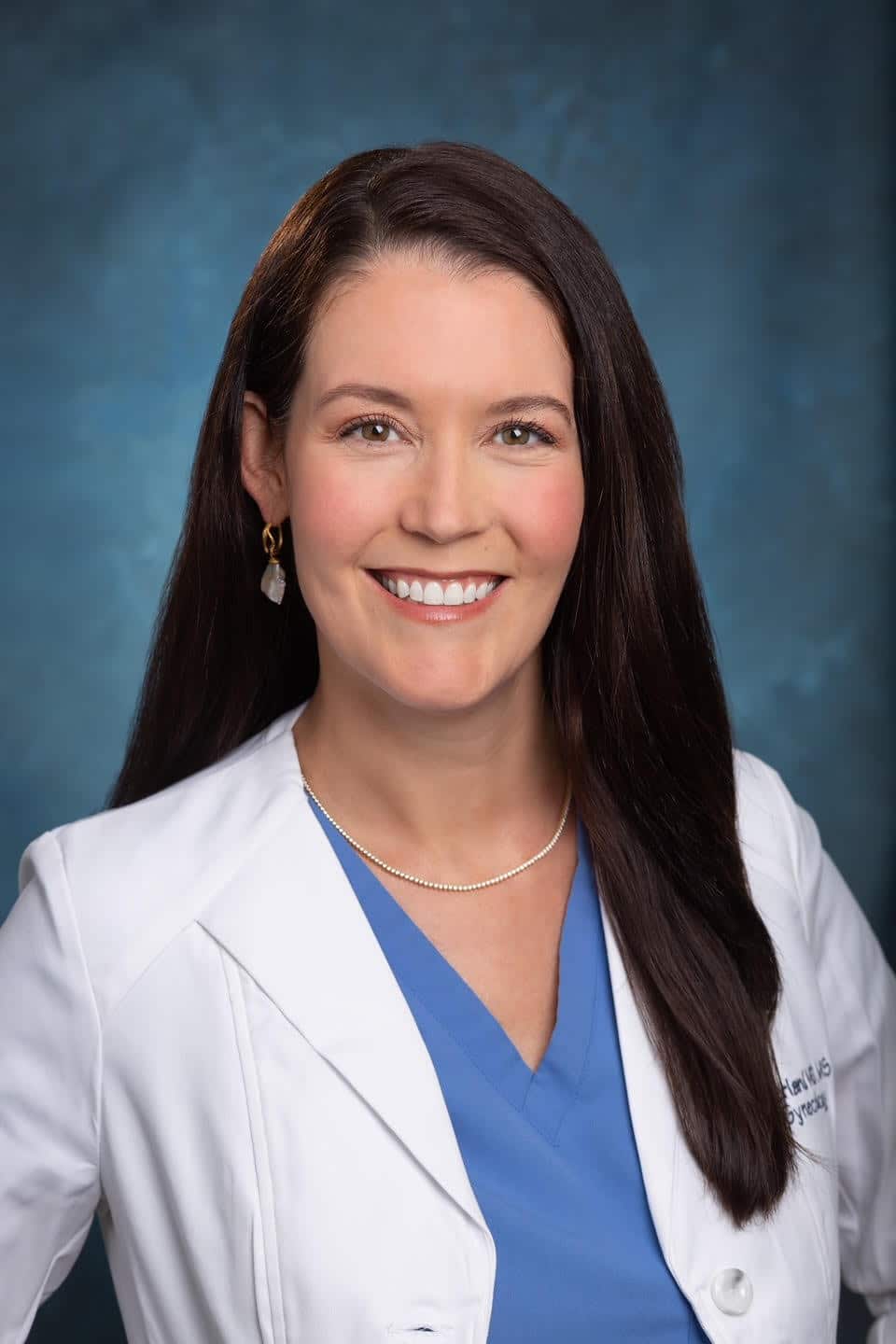
Dr. Rachael Ann Haverland is a board-certified gynecologic surgeon with advanced training in minimally invasive and excision-based endometriosis surgery. Her fellowship training at the Mayo Clinic and extensive experience in complex pelvic surgery allow her to perform precise and comprehensive laparoscopic procedures that prioritize fertility preservation, pain relief, and anatomical restoration.
Dr. Haverland’s approach emphasizes thorough disease mapping, careful dissection, and interdisciplinary collaboration with other specialists when endometriosis affects organs such as the bowel or bladder. Patients benefit from her ability to combine surgical precision with a compassionate, patient-centered philosophy of care—ensuring that treatment is tailored to both medical needs and life goals.
How Does the Center Address Related Conditions Like IBS and Interstitial Cystitis?
Because endometriosis frequently overlaps with other pelvic and abdominal conditions, the Endo Excellence Center’s team evaluates for and treats comorbid conditions that may contribute to persistent symptoms.
- Gastrointestinal concerns: Patients experiencing significant bowel symptoms may meet with GI specialists to assess for irritable bowel syndrome (IBS) or bowel endometriosis.
- Urinary pain or urgency: Urology partners evaluate for interstitial cystitis or bladder involvement.
- Other related conditions: The team also screens for adenomyosis, pudendal neuralgia, pelvic congestion syndrome, and hernias, which can mimic or compound endometriosis pain.
This coordinated approach prevents redundant testing, improves diagnostic accuracy, and leads to more effective, targeted treatment. The goal is not only to remove visible disease but also to address the root causes of chronic pelvic pain through comprehensive, multidisciplinary care.
How Can You Schedule a Consultation for Expert Endometriosis Diagnosis?
To begin your evaluation, gather your symptom history, prior imaging or operative reports, and a list of current medications. Bringing these materials helps the team assess your case efficiently and determine the best next steps—whether diagnostic laparoscopy, further imaging, or medical management.
You can contact the Endo Excellence Center to schedule a consultation with Dr. Rachael Haverland or a member of her multidisciplinary team. During this appointment, you’ll review your history, discuss your goals, and outline a personalized diagnostic and treatment plan.
Bringing a trusted support person and preparing a few questions in advance can make your consultation more productive and empowering. This initial visit is the first step toward receiving precise diagnosis, effective treatment, and compassionate long-term care.
Frequently Asked Questions
What is the role of histologic confirmation in diagnosing endometriosis?
Histologic confirmation is essential for a definitive diagnosis of endometriosis. During laparoscopy, surgeons visually identify suspected lesions and take small tissue samples (biopsies) for laboratory analysis. A pathologist examines these samples to confirm the presence of endometrial glands or stroma outside the uterus. This confirmation not only validates the diagnosis but also helps accurately stage the disease, ensuring treatment plans are based on clear, evidence-backed findings.
How does the multidisciplinary approach at Endo Excellence Center benefit patients?
At Endo Excellence Center, endometriosis care is coordinated across multiple specialties—including gynecology, urology, gastroenterology, pain management, and pelvic physical therapy. This collaborative model allows the team to address all aspects of the condition, especially when symptoms overlap with issues such as IBS or interstitial cystitis. By integrating expertise across disciplines, patients receive more precise diagnoses, faster treatment, and holistic care that supports both physical and emotional well-being.
What should patients expect during the follow-up after laparoscopic surgery?
Follow-up appointments typically occur within one to two weeks after surgery. During these visits, your care team will:
- Review pathology results from tissue samples.
- Assess healing progress and incision sites.
- Discuss symptom management and any early recovery concerns.
- Recommend next steps, which may include hormonal therapy, pelvic physical therapy, or ongoing monitoring.
These follow-ups are crucial to ensure healing is on track, complications are addressed early, and long-term management strategies are established.
What lifestyle changes can help manage endometriosis symptoms post-surgery?
Adopting healthy lifestyle habits can enhance recovery and long-term symptom control.
- Regular exercise: Gentle activities like walking, yoga, or swimming can reduce inflammation and pain.
- Balanced nutrition: Focus on anti-inflammatory foods—such as fruits, vegetables, whole grains, and omega-3-rich options like salmon or flaxseed.
- Stress management: Techniques like mindfulness, breathing exercises, and meditation can improve emotional resilience.
- Open communication: Stay in touch with your care team about any recurring or new symptoms.
These steps complement medical care and can help improve overall quality of life after surgery.
Are there any specific risks associated with laparoscopic surgery for endometriosis?
Laparoscopic surgery is considered very safe when performed by experienced specialists, but all surgical procedures carry some level of risk. Common minor side effects include incision site pain, bloating, or temporary nausea. Rare but serious complications may include:
- Injury to pelvic organs (such as the bowel or bladder)
- Excessive bleeding or infection
- Deep vein thrombosis (blood clots) or anesthesia reactions
Your surgeon will discuss these risks before the procedure and explain how they’re minimized through careful planning, skilled technique, and close postoperative monitoring. Patients should contact their care team promptly if they develop fever, heavy bleeding, or severe pain.
How can patients prepare emotionally for the recovery process after surgery?
It’s normal to experience a mix of relief, fatigue, and emotional adjustment following surgery. Preparing emotionally can make recovery smoother.
- Join a support group or consider counseling to share experiences and build coping strategies.
- Set realistic expectations for healing—both physical and emotional recovery take time.
- Practice self-care: Journaling, meditation, and gentle activities can reduce anxiety and promote balance.
- Lean on your support system: Family, friends, and healthcare providers can provide valuable reassurance during recovery.
Acknowledging the emotional side of healing helps you stay positive and engaged in your recovery journey.
What are the long-term management strategies for endometriosis after surgery?
Long-term management focuses on preventing recurrence and maintaining comfort. Key strategies include:
- Regular follow-up visits to monitor for recurrence and adjust treatment as needed.
- Hormonal therapy to suppress endometrial tissue growth when indicated.
- Pelvic physical therapy to improve function and reduce residual pain.
- Lifestyle maintenance through balanced diet, stress reduction, and exercise.
- Collaborative care with specialists in urology, gastroenterology, or pain management for complex cases.
Ongoing support and consistency in care are essential to maintaining long-term relief and improving overall quality of life.
Conclusion
Laparoscopy is a cornerstone in the accurate diagnosis and effective treatment of endometriosis. By combining direct visualization with tissue confirmation, it provides clarity where imaging alone cannot. Patients often experience significant pain relief, improved fertility, and renewed quality of life following successful excision. Read more in How Accurate Is Laparoscopy for Diagnosing Endometriosis.
Choosing a multidisciplinary team—like the experts at Endo Excellence Center—ensures you receive comprehensive, coordinated care tailored to your unique needs. If you’ve been struggling with chronic pelvic pain or uncertain test results, consider scheduling a consultation to explore whether diagnostic laparoscopy is the right next step toward relief and healing.