

Getting an accurate endometriosis diagnosis often takes a long time, with many individuals waiting years for the right treatment. This guide breaks down the typical delays, why they happen, and what you and your doctor can do to shorten the journey to diagnosis. We’ll cover how to protect your fertility, function, and overall quality of life. Understanding the endometriosis diagnosis timeline—from initial symptoms through evaluations, imaging, specialist referrals, and potential laparoscopy—empowers you to make faster, informed decisions.
We’ll define average timeframes, highlight red-flag symptoms that signal the need for evaluation, map out the diagnostic steps including non-invasive and surgical tools, analyze the reasons for delays, and offer practical strategies to expedite diagnosis. Throughout, this guide uses current clinical insights and semantic connections (symptom → overlap → misdiagnosis) to help you know when to seek advanced care and what to anticipate from specialist pathways like comprehensive diagnostic and treatment models.
What’s the Average Wait for an Accurate Endometriosis Diagnosis?

The average time to get an accurate endometriosis diagnosis is often several years. This is due to the wide range of symptoms, how they can mimic other conditions, and the limitations of non-invasive tests. Recent research and patient data suggest the average delay can be between seven to ten years, though individual experiences vary greatly based on symptom severity and access to specialists. Catching it early can shorten this timeline because targeted questioning and triage can identify candidates for imaging or prompt laparoscopy sooner. Knowing the typical delay and its causes empowers both patients and clinicians to prioritize timely referral and confirmation when red flags appear.
How Long Does It Usually Take to Diagnose Endometriosis?
Studies and health system reviews frequently report average diagnostic delays of about 7–10 years from when symptoms first appear to a confirmed diagnosis in many areas. Both patient and provider factors influence this. This range reflects pooled data where mild or unusual presentations, delayed care-seeking, or sequential evaluations for other conditions extend the timeline. In contrast, when experienced endometriosis clinicians or specialist centers see patients, diagnostic pathways can be condensed to months instead of years through rapid triage, targeted imaging, and early surgical evaluation when appropriate. Understanding this variability helps set realistic expectations for those beginning their diagnostic journey.
What Are the Consequences of a Delayed Diagnosis?
A delayed diagnosis carries clinical, emotional, and financial consequences that impact daily life and long-term health. Clinically, untreated disease can lead to chronic pelvic pain, potential lesion progression, and anxiety about fertility. Psychosocially, persistent symptoms increase emotional distress, disrupt work, and reduce overall quality of life. Financially, repeated consultations, ineffective treatments, and diagnostic tests create cumulative costs for patients and healthcare systems. Recognizing these impacts underscores the importance of earlier evaluation and specialist involvement when symptoms persist despite initial management.
What Common Symptoms Signal the Need for an Endometriosis Diagnosis?
Endometriosis typically announces itself through patterns of pelvic pain and reproductive or visceral symptoms that affect menstrual cycles, sexual function, bowel and bladder function, and overall energy levels. Early detection relies on recognizing characteristic signs like menstrual pain that’s disproportionate to exam findings, deep pain during intercourse, cyclical bowel or urinary issues, and difficulty conceiving. Identifying these symptom clusters and less common manifestations—like bloating, persistent IBS-like complaints, or localized bladder pain—should prompt clinicians to consider endometriosis in their differential diagnosis and pursue targeted evaluation. Timely recognition can lead to appropriate imaging, referral to a gynecologic specialist, and, when necessary, surgical confirmation.
Which Early Signs and Symptoms Should Prompt Medical Evaluation?
Early evaluation for endometriosis is essential when symptoms interfere with daily life or show progressive worsening despite standard treatments. Warning signs often include severe menstrual pain that limits activity, pain during intercourse, and persistent pelvic pain between periods. Clinicians typically assess the timing of pain in relation to the menstrual cycle, bowel and bladder symptoms, and any fertility concerns to determine the likelihood of endometriosis.
Patients are encouraged to maintain a symptom diary,recording pain intensity, timing, and triggers—to support more accurate clinical assessment and earlier referral when appropriate.
Common Early Symptoms That Warrant Evaluation:
- Severe menstrual pain (dysmenorrhea): Cramps that begin before or during menstruation and disrupt normal activities.
- Painful intercourse (deep dyspareunia): Pain that persists or worsens over time, especially with deep penetration.
- Chronic or cyclical pelvic pain: Persistent discomfort that does not improve with initial treatment or standard pain relief.
These early symptoms should prompt medical evaluation and, if unresolved, a referral to a gynecologist or endometriosis specialist. Early recognition and intervention can shorten the diagnostic timeline and reduce the risk of chronic pain or fertility complications.
What Atypical Symptoms Might Be Overlooked?
Atypical presentations can include chronic bloating, changes in bowel habits, cyclical rectal bleeding, urinary frequency or pain, and profound fatigue that is tied to the menstrual cycle. These visceral symptoms are often mistaken for irritable bowel syndrome (IBS), interstitial cystitis (IC), or gastroenterological disorders, which delays gynecologic assessment. Clinical scenarios often show patients seeing multiple specialists before endometriosis is considered.
How Do Symptoms Overlap with Other Conditions?
Symptoms significantly overlap with IBS, IC, adenomyosis, and pelvic floor dysfunction, creating diagnostic ambiguity that can lead to misdirected investigations. Distinguishing features include the timing of pain relative to menstruation, the presence of deep pain during intercourse, and a lack of response to treatments targeting only gastrointestinal or urologic issues. Simple comparative clues—cycle-associated flares, localized pelvic tenderness on gynecologic exam, and coexisting menstrual irregularities—help clinicians direct patients toward gynecologic imaging or specialist referral. Appreciating these overlaps and distinguishing cues reduces misdiagnosis and shortens the path to definitive assessment.
What Is the Step-by-Step Diagnostic Journey for Endometriosis?

The diagnostic journey typically moves from symptom recognition to initial evaluation, targeted imaging, specialist referral, and, when appropriate, diagnostic and therapeutic laparoscopy with possible histopathology. Each step helps narrow down the possibilities: history and exam identify red flags, pelvic ultrasound or MRI map disease in many cases, and laparoscopy provides visual confirmation and excision for treatment. Specialist clinics streamline this process by integrating triage, optimized imaging protocols, and timely surgical scheduling when needed, which can significantly reduce diagnostic delays. Mapping out the expected timelines at each stage helps patients anticipate next steps and discuss expedited referrals.
What Happens During Initial Doctor Visits and Medical History Review?
Initial visits focus on a thorough history and a focused pelvic exam to identify patterns suggestive of endometriosis and rule out acute or alternative causes. Clinicians will ask about menstrual timing, pain characteristics, bowel and bladder symptoms, sexual health, previous treatments, and fertility goals to create a triage plan. A targeted physical exam might reveal localized pelvic tenderness, nodularity, or reduced organ mobility—findings that increase the likelihood of endometriosis and support referral to specialized care. When initial treatments fail or red-flag features are present, an early referral to a specialist can shorten the diagnostic timeline by enabling advanced imaging or surgical planning.
Which Diagnostic Tools Are Used Before Surgery?
Non-surgical diagnostic tools commonly include a pelvic exam, transvaginal ultrasound, and pelvic MRI; each has specific roles in triage and mapping, but none can definitively rule out endometriosis on its own. Ultrasound can detect ovarian endometriomas and some deep infiltrating lesions with high accuracy, while MRI is useful for mapping complex disease and guiding surgical planning. Basic lab tests help rule out other conditions but don’t confirm endometriosis. These methods work together as complementary tools to identify candidates for laparoscopy and to help plan the surgical approach.
How Does Laparoscopy Confirm Endometriosis Diagnosis?
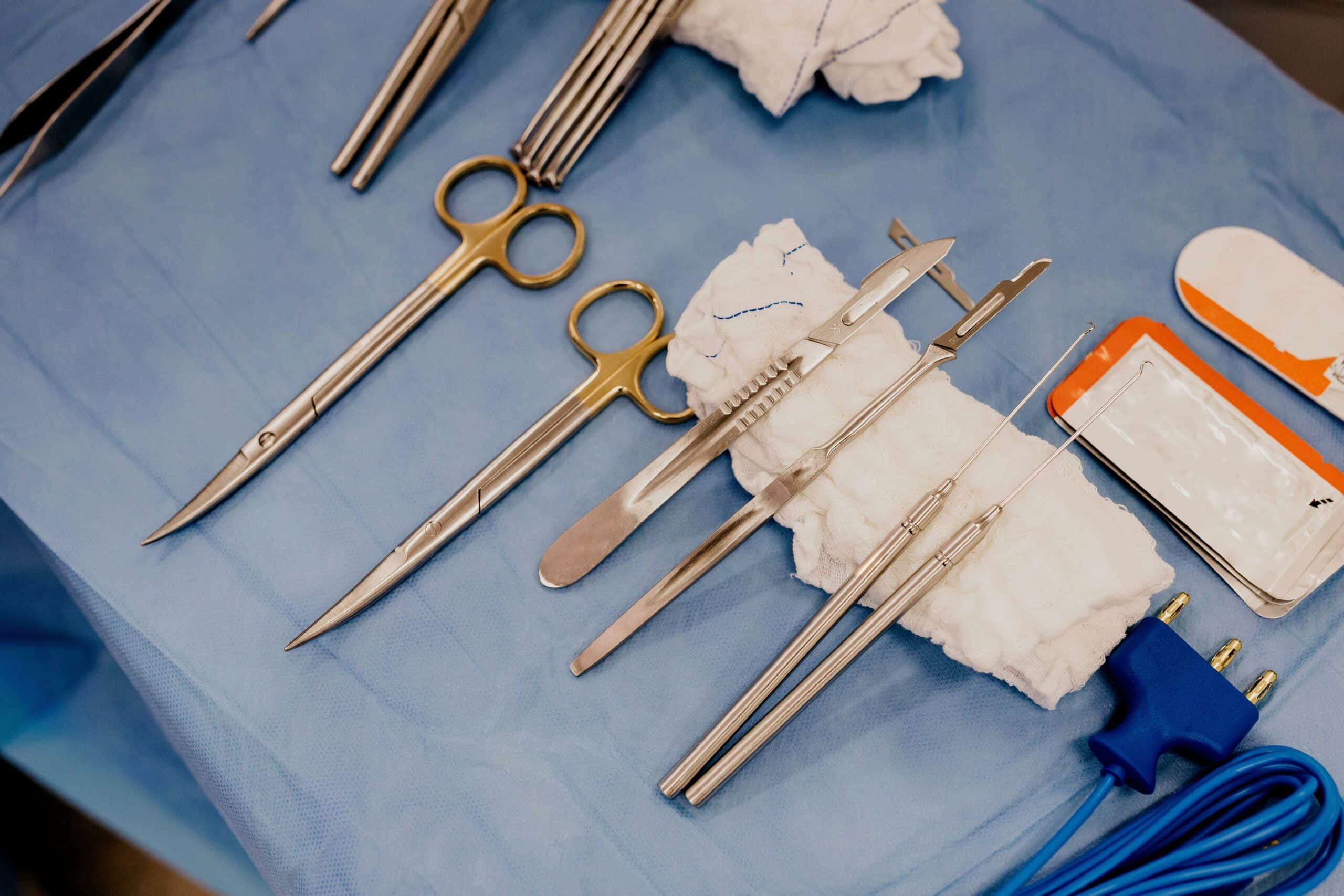
Laparoscopy allows direct visualization of pelvic organs, identification and removal of lesions, and collection of tissue for histopathology, making it the definitive diagnostic test for endometriosis. During laparoscopy, surgeons can remove lesions using techniques that eliminate disease completely, and pathology can confirm the diagnosis when tissue is examined. Laparoscopy serves both diagnostic and therapeutic purposes, reducing diagnostic uncertainty while offering symptom relief when performed by experienced specialists. Understanding the dual diagnostic-therapeutic role of laparoscopy helps patients prepare for a coordinated surgical pathway when it’s indicated.
What Factors Influence the Length of the Endometriosis Diagnosis Timeline?
Several interconnected factors influence diagnostic timelines: symptom overlap with other disorders, varying levels of patient and provider awareness, healthcare access and referral patterns, and the inherent limitations of imaging and non-invasive tests. Provider factors like conservative referral habits or focusing on common non-gynecologic causes can prolong the process. Patient factors—delaying care-seeking, complex symptom histories, or access barriers—also extend the time to diagnosis. Understanding these factors highlights intervention points where education, earlier referral, and specialist triage can meaningfully shorten the timeline. You may also find Endometriosis Diagnosis: What’s the Typical Timeline helpful.
How Does Symptom Overlap Cause Misdiagnosis?
Symptom overlap with IBS, IC, and pelvic floor dysfunction often leads to repeated evaluations by gastroenterologists or urologists and trial-and-error therapies that mask endometriosis symptoms without addressing the underlying pelvic disease. Common misdirections include numerous GI tests, pelvic floor therapy without gynecologic input, and extended trials of non-specific medical management. Red flags suggesting endometriosis over these alternatives include cyclical worsening tied to menstruation, deep pain during intercourse, and lack of response to treatments specific to those organs. Recognizing these cues enables clinicians to redirect patients toward gynecologic evaluation more quickly.
What Role Do Patient and Physician Awareness Play?
Gaps in awareness among patients and some clinicians delay appropriate triage, as severe menstrual pain may be normalized and not reported, and primary care providers might initially treat without considering endometriosis. Educational tools—pain diaries, symptom checklists, and clear referral guidelines—help patients and clinicians recognize when to escalate care. Providers who use structured history-taking templates and early referral triggers reduce diagnostic delays by ensuring patients with red-flag features access specialist evaluation sooner. Increasing awareness on both sides directly shortens the time to diagnosis.
Why Are Imaging and Non-Invasive Tests Limited?
Imaging modalities are valuable for mapping and detecting certain types of lesions, but their ability to detect superficial peritoneal implants is limited, so a negative scan doesn’t rule out the disease. Non-invasive tests lack the specificity needed for a definitive diagnosis, so imaging primarily serves to rule out alternative causes and aid surgical planning rather than confirm endometriosis. In practice, this means many patients with strong clinical suspicion still require laparoscopic evaluation for a definitive diagnosis and optimal treatment planning. Understanding these limitations helps set expectations and supports timely surgical referral when indicated. We cover this further in Stages of Endometriosis Diagnosis Explained for Every Woman.
How Can You Expedite Your Endometriosis Diagnosis?
You can shorten the diagnostic timeline through active self-advocacy, structured documentation of your symptoms, timely referral to experienced clinicians, and preparation for focused evaluation with targeted imaging or surgical planning. Proactive steps include tracking your pain cycles, gathering previous medical records and imaging, requesting a gynecologic referral when red flags persist, and seeking care from practitioners experienced in endometriosis diagnosis and management. These actions increase the likelihood of earlier specialist assessment and appropriate diagnostic procedures. Below is a concise checklist patients can use to streamline their evaluation timeline. We cover this further in Comprehensive Guide: Endometriosis Assessment Best Practices.
- Prepare a symptom diary that details pain timing, severity, and its relation to your menstrual cycle.
- Request a referral to a gynecologic or endometriosis specialist when pain is severe or resistant to treatment.
- Compile prior test results and medication history to bring to specialist appointments.
- Inquire about expedited imaging (targeted ultrasound or pelvic MRI) and surgical evaluation when suspicion is high.
This checklist provides practical steps patients can take immediately to streamline their diagnostic journey and improve the chances of timely confirmation and treatment.
Why Is Seeing an Endometriosis Specialist Important?
Endometriosis specialists possess focused experience in recognizing diverse presentations, ordering precise imaging, and offering gold-standard surgical options like excision surgery, all of which shorten diagnosis and enhance treatment planning. Specialists coordinate multidisciplinary evaluations—integrating assessments from GI, urology, fertility, pain management, and mental health—so patients receive comprehensive, efficient care. Referral to a specialist is particularly crucial when initial management fails or when fertility and complex pelvic disease are concerns. Accessing specialist expertise reduces diagnostic uncertainty and speeds up access to definitive interventions that can restore function and alleviate pain. We cover this further in Navigating Post-Diagnosis Endometriosis Care Approaches.
How Should You Prepare for Your Diagnostic Appointment?
Preparation enhances the productivity of specialist visits: bring a concise symptom timeline, records of prior imaging and treatments, a list of current medications, and specific questions about diagnostic and treatment options. A well-prepared symptom diary linking pain to the menstrual cycle and noting bowel/bladder correlations helps clinicians prioritize investigations. Patients should clearly communicate their fertility goals and treatment preferences so the specialist can propose an appropriate, personalized diagnostic and treatment pathway. Being organized facilitates faster decision-making and may reduce the overall diagnostic time.
What Does Advocating for Yourself in the Diagnostic Process Involve?
Self-advocacy means documenting your symptoms, asking for referrals when initial therapies are ineffective, seeking second opinions if necessary, and insisting on a clear diagnostic plan that includes timelines for imaging or surgical evaluation. Practical advocacy tools include prepared phrases for requesting referrals, asking direct questions about next steps, and sharing symptom logs with providers. When patients combine documentation with persistent, informed requests for specialist input, they are more likely to progress through the diagnostic pathway promptly and avoid extended periods of ineffective care.
What Is the Role of Endometriosis Excision Surgery in Diagnosis and Treatment?
Endometriosis excision surgery serves both diagnostic and therapeutic functions: it confirms disease through direct visualization and tissue removal while aiming to eliminate symptomatic lesions to improve pain and function. Excision differs from destructive techniques by removing lesions at their root, which enhances treatment completeness and reduces recurrence in many cases when performed by experienced surgeons. For patients with suspected or confirmed endometriosis experiencing persistent symptoms or complex disease, excision surgery is often the most definitive step for diagnosis and long-term symptom management. Understanding surgical expectations helps patients weigh risks and benefits as part of a personalized care plan.
Why Is Excision Surgery Considered the Gold Standard?
Excision surgery is considered the gold standard because it allows for the complete removal of visible disease along with histological confirmation when tissue is obtained, which clarifies the diagnosis and targets the source of pain. Unlike superficial ablation that cauterizes lesion surfaces, excision removes deep implants and associated scar tissue, improving the likelihood of lasting symptom relief. The surgical technique, surgeon’s experience, and multidisciplinary intraoperative support (urology, colorectal) influence outcomes, which is why specialist surgical pathways emphasize excision performed by experienced teams. This dual diagnostic-therapeutic role explains excision’s central place in definitive care.
How Does Surgery Affect Diagnosis Accuracy and Symptom Relief?
Surgery enhances diagnostic accuracy by enabling direct visualization and pathology when needed, and it frequently improves symptoms by removing disease contributing to pain and organ dysfunction. Postoperative outcomes commonly include reduced pelvic pain, improved comfort during intercourse, and better bowel or bladder symptoms when lesions affected those areas. Recovery timelines vary, and symptom relief may be gradual, with many patients noticing improvement in the weeks to months following surgery. Realistic expectation-setting—understanding recovery milestones and follow-up monitoring—supports better long-term outcomes.
What Should Patients Expect Before and After Surgery?
Before surgery, patients undergo targeted imaging and preoperative counseling to map disease, discuss fertility goals, and plan for multidisciplinary support if bowel or bladder involvement is suspected. Preoperative preparation may include medical optimization, medication review, and psychological support for surgical decision-making. After surgery, patients typically experience an initial recovery phase with pain management and activity modifications, followed by a gradual return to normal activities; follow-up includes symptom tracking and, when appropriate, fertility or pain management planning. Coordinated postoperative care with a multidisciplinary team supports rehabilitation and reduces the risk of recurrence.
- Pre-operative imaging and specialist consultations to plan excision surgery.
- Multidisciplinary intraoperative support for complex disease.
- Post-operative pain management, physical rehabilitation, and follow-up planning.
These steps provide a structured overview of the surgical pathway and help patients plan for recovery and long-term management options.
What Support and Care Follow an Endometriosis Diagnosis?
Following a diagnosis, optimal care often involves a multidisciplinary approach addressing surgical, reproductive, gastrointestinal, urologic, pain management, and mental health aspects to maximize outcomes and quality of life. A coordinated team minimizes fragmented care by aligning treatment goals, such as fertility preservation or pain reduction, and by sequencing interventions effectively. Multidisciplinary follow-up includes symptom surveillance, medical therapy to reduce recurrence risk when appropriate, fertility counseling, and rehabilitation services for pelvic floor dysfunction and psychosocial needs. This integrated care model supports sustained improvement and reduces repeated, non-targeted interventions.
How Does Multidisciplinary Care Improve Outcomes?
Multidisciplinary care enhances outcomes by combining surgical expertise with complementary specialties that address organ-specific issues, functional rehabilitation, and emotional well-being. For instance, coordinated care with colorectal or urology specialists during complex excision reduces the need for multiple surgeries and improves functional results. Pain specialists and pelvic floor therapists contribute non-surgical symptom management, while fertility counselors help align treatment choices with reproductive goals. These collaborative processes minimize repeated visits and accelerate comprehensive recovery.
This model reflects best-practice approaches and aligns with specialist pathways that integrate surgical and non-surgical expertise for holistic, patient-centered care.
What Are the Next Steps After Diagnosis?
Next steps typically involve shared decision-making about treatment options—surgical excision, medical suppression, or a combined plan—tailored to symptom severity, disease mapping, and fertility intentions. Patients should inquire about expected symptom trajectories, recurrence risk, and timelines for conservative versus surgical strategies, and clarify follow-up intervals for symptom monitoring. If surgery is chosen, pre-operative planning and post-operative rehabilitation should be arranged; if medical management is preferred, regular reassessment ensures responsiveness and prompts reconsideration of surgery if symptoms persist. This structured roadmap helps patients navigate choices and align interventions with personal goals.
Frequently Asked Questions
What lifestyle changes can help manage endometriosis symptoms?
Managing endometriosis symptoms often involves lifestyle adjustments that can complement medical treatment. Regular physical activity, a balanced diet rich in anti-inflammatory foods, and stress management techniques like yoga or meditation can help ease symptoms. Some individuals find relief through dietary changes, such as reducing red meat intake and increasing omega-3 fatty acids. Additionally, maintaining a healthy weight can positively influence hormonal balance and reduce pain. Consulting with a healthcare provider or nutritionist can offer personalized strategies tailored to your specific needs.
How can I track my symptoms effectively?
Tracking your symptoms is vital for understanding patterns and communicating effectively with healthcare providers. You can maintain a symptom diary that records the timing, intensity, and nature of your pain, as well as any associated symptoms like bloating or fatigue. Apps designed for menstrual tracking can also be helpful, allowing you to easily log symptoms and menstrual cycles. This documentation can help identify triggers and patterns, making it easier for clinicians to assess the situation and recommend appropriate interventions.
What role does mental health play in managing endometriosis?
Mental health is a critical component of managing endometriosis, as chronic pain and the challenges of diagnosis can lead to anxiety, depression, and stress. Patients are encouraged to seek psychological support, whether through therapy, support groups, or counseling. Engaging in mental health care can improve coping strategies, enhance emotional resilience, and provide a safe space to discuss feelings related to the condition. Integrating mental health support into the overall treatment plan can lead to better outcomes and an improved quality of life.
Are there any alternative therapies that can help with endometriosis?
Some patients explore alternative therapies to complement conventional treatments for endometriosis. Options such as acupuncture, herbal medicine, and mindfulness practices have shown promise in alleviating symptoms for some individuals. However, it’s essential to consult with a healthcare provider before starting any alternative therapies to ensure they are safe and appropriate for your specific situation. Combining these approaches with traditional medical care can provide a more holistic management strategy.
What should I do if my symptoms worsen after treatment?
If your symptoms worsen after treatment, it’s crucial to communicate with your healthcare provider promptly. They may need to re-evaluate your treatment plan, consider alternative therapies, or investigate other underlying issues. Keeping a detailed record of symptom changes, including any new symptoms, can help your provider make informed decisions. Don’t hesitate to seek a second opinion or consult a specialist if you feel your concerns aren’t being adequately addressed.
How can I find support groups for endometriosis?
Finding support groups for endometriosis can be beneficial for emotional support and shared experiences. Many organizations, such as the Endometriosis Foundation of America and local women’s health centers, offer resources and connections to support groups. Online platforms and social media can also provide access to virtual support communities. Connecting with others who understand the challenges of endometriosis can foster a sense of belonging and offer valuable coping strategies.
What are the long-term implications of living with endometriosis?
Living with endometriosis can have long-term implications, including chronic pain, fertility challenges, and potential impacts on mental health. Some individuals may experience a progressive worsening of symptoms over time, while others may find relief after treatment. It’s essential to have ongoing discussions with healthcare providers about managing symptoms and monitoring any changes. Regular follow-ups can help address complications early and ensure that treatment plans remain effective and aligned with your personal health goals.
Conclusion
Understanding the timeline for an accurate endometriosis diagnosis is vital for patients seeking timely treatment and an improved quality of life. By recognizing key symptoms and advocating for specialized care, individuals can significantly reduce the time to diagnosis and access effective management options. Engaging with experienced clinicians and utilizing structured diagnostic pathways increases the likelihood of receiving comprehensive care. Take the next step in your health journey by exploring specialized endometriosis centers that prioritize timely and effective diagnosis. For more detail, see our article Understanding Endometriosis: Diagnosis Timeline Explained.