
Bleeding after endometriosis surgery can be an expected part of recovery, but the amount, appearance, and duration of bleeding may vary from person to person. After laparoscopic endometriosis surgery, you may notice light vaginal spotting, a small amount of blood around an incision, or changes in your next menstrual period. These symptoms often improve as your body heals.
However, not all postoperative bleeding is normal. Heavy bleeding, large blood clots, fever, dizziness, or worsening pelvic pain may indicate a complication that needs medical attention. Understanding what to expect can help you recognize normal healing patterns and know when to contact your surgical team.
At the Endometriosis Center of Excellence, Dr. Rachael Haverland provides specialized endometriosis care, including laparoscopic and robotic-assisted excision surgery. Knowing what may happen during recovery can help you monitor your symptoms and approach the healing process with greater confidence.
What Types of Bleeding Are Normal After Endometriosis Surgery?
Is Light Vaginal Spotting Expected?
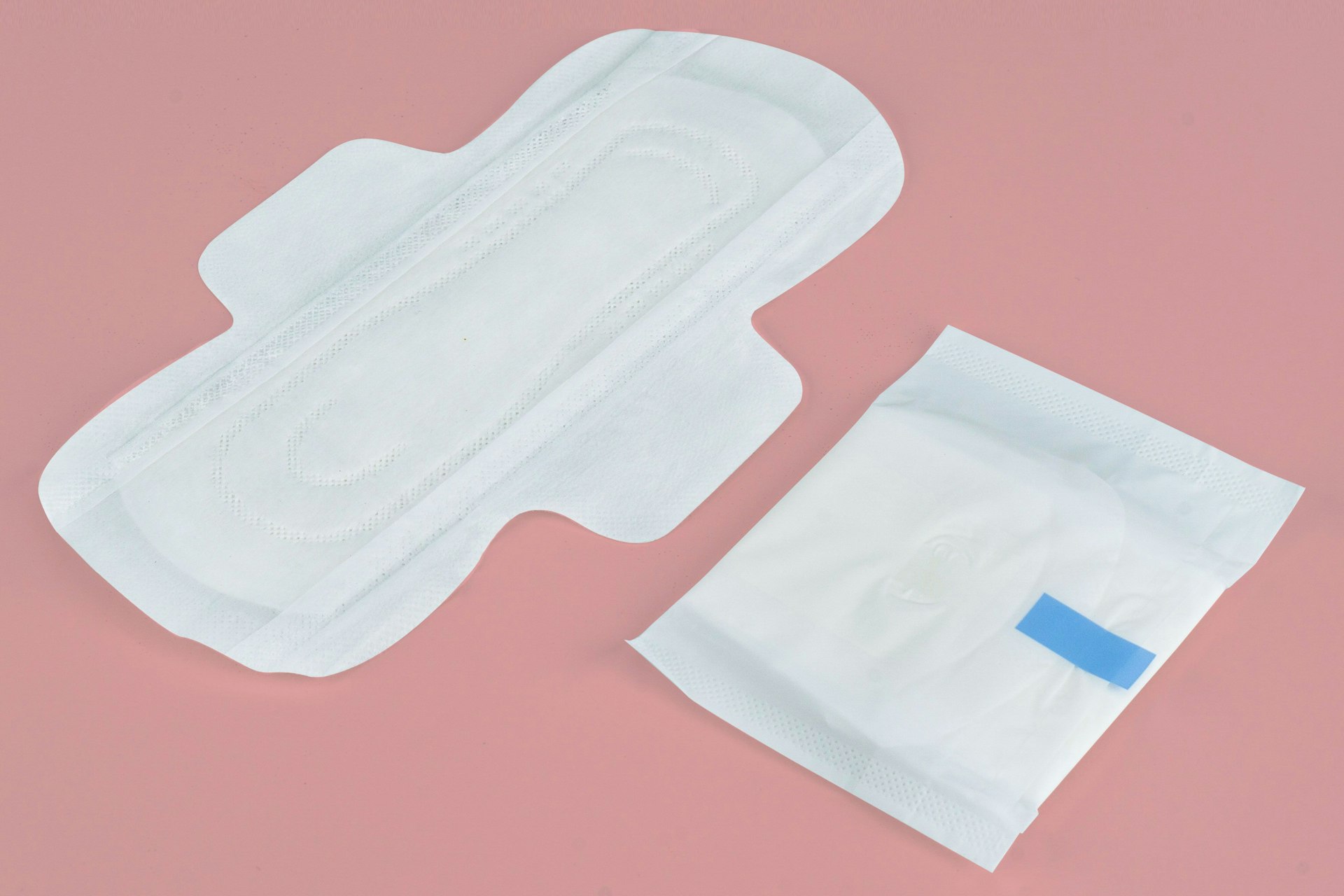
Light vaginal spotting is relatively common after a laparoscopy for endometriosis. You may notice a small amount of pink, red, brown, or rust-colored blood when wiping or on a pantyliner. This can happen for several reasons:
-
Uterine manipulation: A surgical instrument called a uterine manipulator may be used during laparoscopy to position the uterus. Its placement and removal can sometimes cause temporary cervical irritation or spotting.
-
Cervical irritation: If the cervix is manipulated during surgery, minor bleeding may occur as the tissues recover.
-
Surgical treatment involving reproductive organs: Procedures involving the uterus, ovaries, or fallopian tubes may influence postoperative bleeding, depending on the specific treatment performed.
-
Hormonal changes: Changes in your menstrual cycle or hormonal medication may contribute to temporary spotting.
Light spotting may continue for several days and sometimes longer, depending on the procedure. It should generally become less noticeable as recovery progresses.
Can You Have Bleeding Around Your Incisions?
Laparoscopic endometriosis surgery involves small abdominal incisions through which surgical instruments and a camera are inserted. These incision sites may have a small amount of blood or blood-tinged drainage shortly after surgery. However, incision bleeding should remain minimal and gradually stop. Watch for:
-
Persistent bleeding: Blood continues to seep through the dressing or does not stop with the recommended gentle pressure.
-
Increasing redness: The skin around the incision becomes increasingly red or irritated.
-
Unusual drainage: Thick, cloudy, or foul-smelling fluid develops around the incision.
-
Worsening discomfort: Pain, swelling, or tenderness around the incision increases instead of improving.
How Long Does Bleeding Last After Endometriosis Surgery?

Light vaginal spotting often occurs during the first several days after surgery. Some patients may experience occasional spotting for longer, but the overall amount should generally decrease.
What Happens During the First Few Days?
Brown discharge often represents older blood leaving the body. Pink or light-red spotting may also occur, particularly if the cervix was manipulated during surgery. You may find that bleeding becomes less noticeable each day. For example, you might initially need a light pad and then notice only occasional spotting when wiping.
Follow your postoperative instructions regarding hygiene, pads, bathing, and activity restrictions. Avoid using tampons or inserting anything vaginally until your surgical team confirms that it is safe.
When Should Bleeding Begin to Improve?
If bleeding continues beyond the timeframe discussed by your surgeon, returns after stopping, or becomes heavier, contact your surgical team for guidance.
Internal healing takes longer than the initial improvement in visible bleeding, so your overall surgery recovery may continue after spotting stops. Even when spotting has stopped, your pelvic tissues may still be recovering. Follow your surgeon’s recommendations about physical activity, sexual activity, and returning to normal routines.
Why Does Your First Period Change After Endometriosis Surgery?

Your first menstrual period after surgery may not look or feel exactly like your previous cycles. Some patients experience an earlier period, while others notice a delay. If you had heavy menstrual bleeding before surgery, ask your team what to expect from your first cycles afterward.
Can Your Period Come Earlier or Later?
Yes. The timing of your first menstrual period may shift following endometriosis surgery.
Surgical stress, changes in your usual routine, and hormonal medications may influence your cycle. The timing of surgery within your menstrual cycle may also affect when you notice your next period.
For example, if surgery takes place shortly before your expected menstrual date, your period may arrive around its usual time but feel different. If surgery occurs earlier in your cycle, you may notice a delay. A temporary change in timing does not automatically indicate a surgical complication. However, discuss significant or persistent menstrual changes with your healthcare provider.
Why Might Your First Period Feel Different?
Your first period may involve changes in flow, cramping, or pelvic discomfort. Several factors may contribute:
-
Ongoing tissue healing: Pelvic tissues may still be recovering when your first period arrives.
-
Hormonal medication: Birth control or other hormonal treatments may change the amount and timing of menstrual bleeding.
-
Extent of surgery: More extensive procedures may involve additional tissue healing and a different recovery experience.
-
Individual menstrual patterns: Your usual cycle, underlying symptoms, and response to surgery can influence your first period.
Do not assume that severe pain or unusually heavy bleeding is simply part of your first postoperative period. Contact your surgical team if symptoms are intense, worsening, or accompanied by other warning signs.
What Factors Influence Bleeding After Endometriosis Surgery?

Does the Extent of Surgery Affect Bleeding?
For example, removing superficial endometriosis lesions may involve different tissue areas than treating deeper disease affecting structures around the bladder, bowel, or reproductive organs. Laparoscopic and robotic-assisted excision surgery involve removing endometriosis tissue while aiming to preserve surrounding healthy structures. The recovery experience may differ depending on the complexity of the procedure.
You can learn more about endometriosis excision surgery and how treatment is tailored to the location and extent of disease.
Can Hormonal Medications Change Postoperative Bleeding?
Yes. Hormonal medications may influence your bleeding pattern before and after surgery. If you use hormonal birth control, progesterone-based medication, or another treatment to manage endometriosis symptoms, you may notice changes in menstrual timing and flow. Depending on the medication, you might experience:
-
Breakthrough spotting: Light bleeding between expected menstrual periods.
-
Lighter menstrual flow: Hormonal treatment may reduce the amount of menstrual bleeding.
-
Delayed menstruation: Some medications can change when your period occurs.
-
Irregular bleeding: Temporary changes may happen when starting, stopping, or adjusting hormonal treatment.
Do not stop or change prescribed medication because of unexpected bleeding without discussing it with your healthcare provider.
When Is Bleeding After Endometriosis Surgery Not Normal?

Although light spotting is often part of recovery, certain bleeding patterns should not be ignored. Heavy or worsening bleeding may indicate a problem that requires prompt medical assessment.
What Bleeding Symptoms Should Concern You?
Contact your surgical team promptly if you notice:
-
Heavy vaginal bleeding: You are soaking through a sanitary pad within an hour, particularly if this continues or happens repeatedly.
-
Large blood clots: You pass large clots, especially when accompanied by heavy bleeding or increasing pelvic discomfort.
-
Bleeding that gets heavier: Your spotting initially improves but then becomes noticeably heavier or returns with significant flow.
-
Persistent incision bleeding: Blood continues to seep from an abdominal incision despite following the recommended wound-care instructions.
-
Unexpected ongoing bleeding: Bleeding continues beyond the recovery period discussed by your surgical team or changes significantly without an obvious explanation.
Do not wait for a scheduled follow-up appointment if you experience these symptoms.
What Other Symptoms Require Medical Attention?
Watch for the following warning signs:
-
Fever or chills: These may indicate an infection, particularly when accompanied by worsening pelvic discomfort.
-
Dizziness or fainting: Feeling lightheaded, unusually weak, or close to passing out may be associated with significant blood loss or another complication.
-
Severe abdominal or pelvic pain: Pain that becomes intense, sudden, or progressively worse should be evaluated.
-
Foul-smelling vaginal discharge: An unpleasant odor, especially with fever or pelvic pain, may indicate infection.
-
Shortness of breath or chest pain: These symptoms require emergency medical evaluation, regardless of the amount of bleeding.
Seek emergency care for severe symptoms such as fainting, chest pain, difficulty breathing, or uncontrolled heavy bleeding. Do not drive yourself if you feel faint or seriously unwell. The following table provides general guidance. It is not a guarantee of what your individual recovery should look like.
How Should You Monitor Bleeding During Recovery?

What Should You Track at Home?
Consider noting the following details during your recovery:
-
Amount of bleeding: Record whether you notice occasional spotting, light flow, or bleeding that requires frequent pad changes.
-
Appearance: Note whether the blood is pink, red, brown, or accompanied by clots.
-
Duration: Keep track of when bleeding begins, whether it stops, and whether it returns.
-
Associated symptoms: Record pelvic pain, cramping, fever, dizziness, or unusual discharge.
-
Medication changes: Note any recent changes to hormonal medications or other prescribed treatments.
Using sanitary pads rather than tampons during the period recommended by your surgeon may make it easier to observe the amount of bleeding. If you are unsure whether your bleeding is expected, contact your surgical team rather than relying only on your symptom notes.
Frequently Asked Questions
Can You Bleed Without Having Your Period After Surgery?
Yes. Light vaginal spotting may occur independently of your menstrual period because of cervical irritation, uterine manipulation, or tissue healing. If bleeding becomes heavy or progressively worsens, contact your surgical team.
Is Brown Discharge Normal After Endometriosis Surgery?
Brown discharge may represent older blood leaving the body during recovery. It is generally less concerning when the amount is small and gradually decreases, but foul-smelling discharge or discharge accompanied by fever requires medical evaluation.
Can Endometriosis Surgery Make Your Next Period Heavier?
Your first period may be heavier, lighter, earlier, or later than expected. Surgical healing and hormonal medications can influence menstrual patterns, but unusually heavy bleeding should not automatically be considered normal.
Should You Wear Pads After Laparoscopic Endometriosis Surgery?
Your surgical team may recommend sanitary pads during the initial recovery period because they allow you to monitor bleeding. Follow your specific instructions about when tampons or other vaginal products can be used again.
Can Bleeding Start Again After It Has Stopped?
Yes, occasional spotting or menstrual bleeding may occur after an initial period without bleeding. However, new heavy bleeding, large clots, or bleeding accompanied by worsening pain or fever should be evaluated promptly.
Schedule an Appointment at Endometriosis Center of Excellence
Understanding bleeding after endometriosis surgery can help you recognize expected recovery changes and identify symptoms that need medical attention. Light spotting, minor incision drainage, and temporary menstrual changes may occur, but heavy or worsening bleeding should never be dismissed.
At the Endometriosis Center of Excellence, Dr. Rachael Haverland provides personalized endometriosis care, including laparoscopic and robotic-assisted excision surgery. Treatment may also involve medical management, pelvic floor physical therapy, and nutrition guidance, depending on your needs.
If you have questions about postoperative bleeding, ongoing pelvic pain, or endometriosis treatment, schedule an appointment to discuss your concerns with the care team.
Medical Disclaimer: This article provides general educational information and is not a substitute for personalized medical advice, diagnosis, or treatment. Always follow your surgical team’s postoperative instructions and seek medical attention for concerning symptoms.