
Endometriosis Treatment Options
Medicine, Surgery and When to See a Specialist
Endometriosis treatment is planned around your symptoms, your fertility goals and what you have already tried. Many women start with medicine, some need surgery sooner, and many combine approaches. At Endometriosis Center of Excellence in Dallas, Dr. Rachael Haverland and Dr. Katherine Smith, both board-certified gynecologic surgeons, review your history and imaging and explain the medical and surgical options that fit your situation.
For women in the Dallas area comparing endometriosis treatment options, with or without a diagnosis.

Many women try birth control, pain relievers or hormone injections for years before they find relief that lasts. Some options help for a while, some cause side effects that are hard to live with, and some do little at all.
Not finding relief yet does not mean nothing will work. Endometriosis care is rarely a single step, and many women need a combination of treatments that changes as their symptoms and goals change.
A specialist evaluation looks at what you have tried, how it worked and what you want next, including whether pregnancy is a goal. That review helps you and your surgeon decide whether to adjust medicine, add supportive care or consider surgery.

Pain relievers such as ibuprofen or naproxen (NSAIDs) can ease cramps but do not treat the disease. Hormonal medicines, including combined birth control pills, progestin pills, the progestin implant or injection, and the hormonal IUD, lower or steady estrogen activity and often lighten or stop periods. For many women this lessens pain, and several of these medicines can be used long term.
Hormonal treatment suppresses symptoms. It does not remove lesions that are already present, symptoms often return after it is stopped, and most options prevent pregnancy while you take them. Side effects such as irregular bleeding, mood changes or bloating lead some women to switch or stop.
GnRH medicines, given as injections or daily pills, lower estrogen more strongly. They can help when other hormones have not, but they can cause hot flashes and bone thinning, so they are often paired with low-dose “add-back” hormones.

Surgery may be considered when medicine does not control pain or causes side effects you cannot tolerate, when imaging suggests deep disease or an ovarian endometrioma, when disease may involve the bowel, bladder or ureters, or when endometriosis may be affecting fertility. Some women reach surgery after years of medicine, while others are evaluated for it earlier because of what imaging shows.
Both of our surgeons perform minimally invasive excision, removing the endometriosis they can see and sending the tissue to a pathologist for examination. For deep disease they coordinate, when needed, with colorectal surgery, urology and fertility specialists.
Surgery has benefits and limits. Many women have less pain afterward, but results vary. Risks include bleeding, infection, injury to the bowel, bladder, ureters or blood vessels, conversion to open surgery and anesthesia risks. Pain can persist when other conditions such as adenomyosis or pelvic floor dysfunction contribute, and endometriosis can return, so some women still need medicine or further treatment.
Medicine and surgery often work together. Hormonal treatment is sometimes used after surgery to help lower the chance of symptoms returning, and your surgeon can explain which parts of your plan treat pain and which treat the disease itself.

Whether you want to get pregnant now, later or not at all changes which options make sense. Most hormonal medicines prevent pregnancy while you take them, so they suit women who are not trying to conceive and are stopped when pregnancy becomes the goal.
Surgery can improve the chance of natural pregnancy for some women, but it has trade-offs. Removing ovarian endometriomas can lower ovarian reserve, the supply of eggs, especially with repeat surgery. For that reason, some women see a fertility specialist before surgery, and some move directly to fertility treatment such as IUI or IVF.
When pregnancy is a goal, our surgeons can coordinate with your fertility specialist so the timing and extent of any surgery fit your reproductive plans.
Not always. Current guidance, including the 2022 ESHRE guideline, supports a clinical diagnosis based on your history, a pelvic exam and imaging such as transvaginal ultrasound or MRI, with treatment starting without surgery first.
Imaging can find ovarian endometriomas and many deep lesions, but it often misses superficial disease, so a normal scan does not rule endometriosis out. Laparoscopy with tissue examination remains useful when imaging is normal and symptoms persist despite treatment, or when surgical treatment is already planned.
Pelvic pain can come from tight muscles, irritated nerves and a more sensitive pain system as well as from endometriosis lesions. Pelvic floor physical therapy can ease muscle tension and pain with sex, and our surgeons coordinate with pelvic floor therapists and pain management specialists when that care is part of your plan.
Some women find that diet changes, regular movement, heat or counseling help them cope with symptoms. Evidence for specific diets and supplements is limited, so these work best as additions to medical care. Talk with your doctor before starting a supplement.
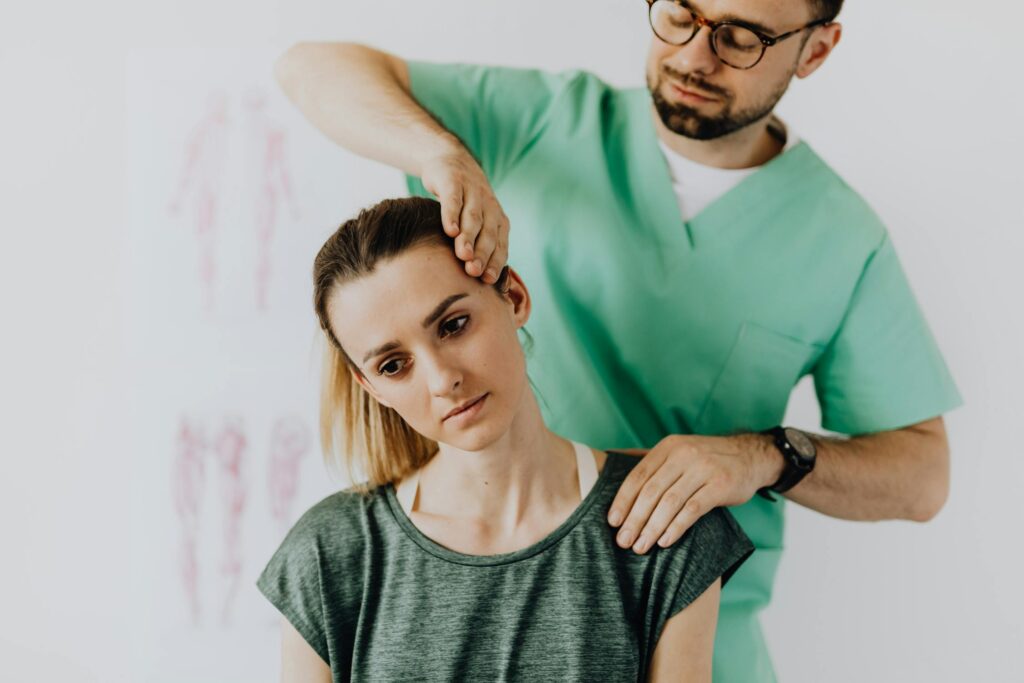
A gynecologist can start treatment for many women. A specialist evaluation may help if any of these apply to you.
Pain keeps you from work, school or sleep despite pain relievers or hormones.
Medicine causes side effects you cannot tolerate, or you cannot take hormones.
You have bowel or bladder symptoms with your cycle, or imaging shows deep disease.
You are trying to conceive, or pain continued after a previous surgery.
Your symptoms, goals and past treatment shape the plan. An evaluation with one of our surgeons focuses on the areas below, and you can take time to decide between steps.
How pain, bleeding, bowel or bladder symptoms affect your life.
Which medicines or surgeries you have tried, and their results.
A pelvic exam if you agree, plus ultrasound or MRI review.
Fertility plans and preferences that guide medical or surgical choices.
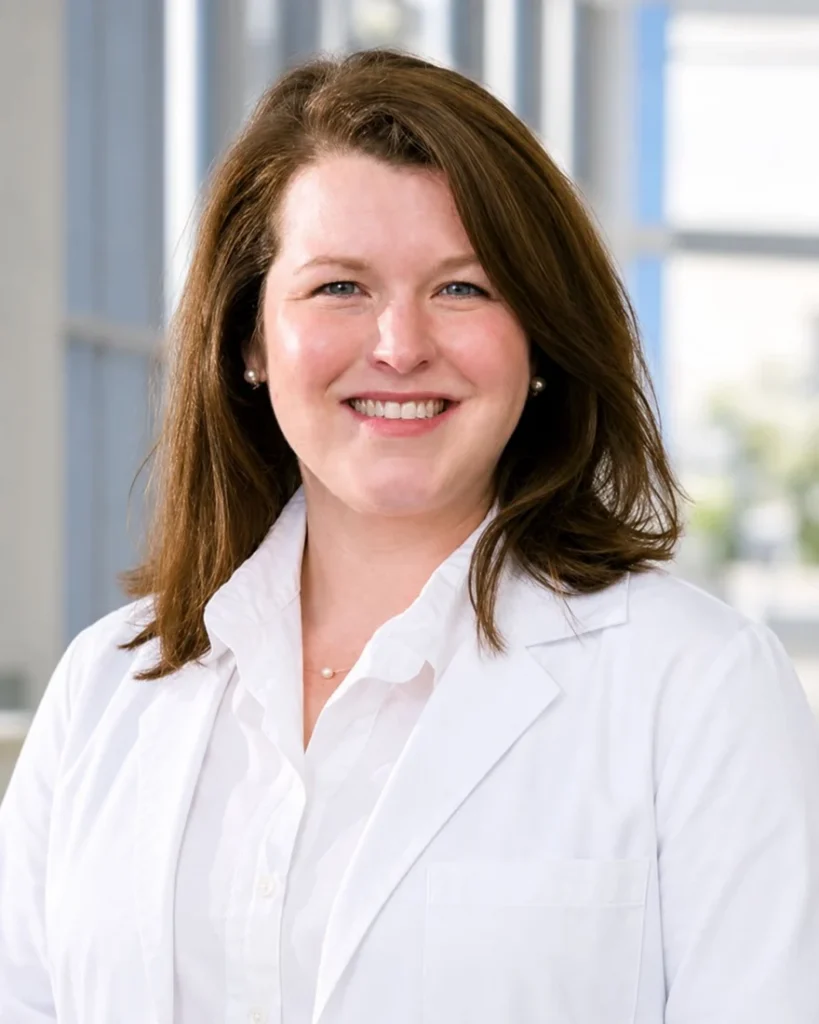
Endometriosis Center of Excellence, at 8140 Walnut Hill Lane, Suite 106, Dallas, TX 75231, is the practice of Dr. Rachael Haverland and Dr. Katherine Smith. Both are board certified by the American Board of Obstetrics and Gynecology and hold its Focused Practice Designation in Minimally Invasive Gynecologic Surgery. They also talk through medical and supportive options, so your plan fits your symptoms and goals.
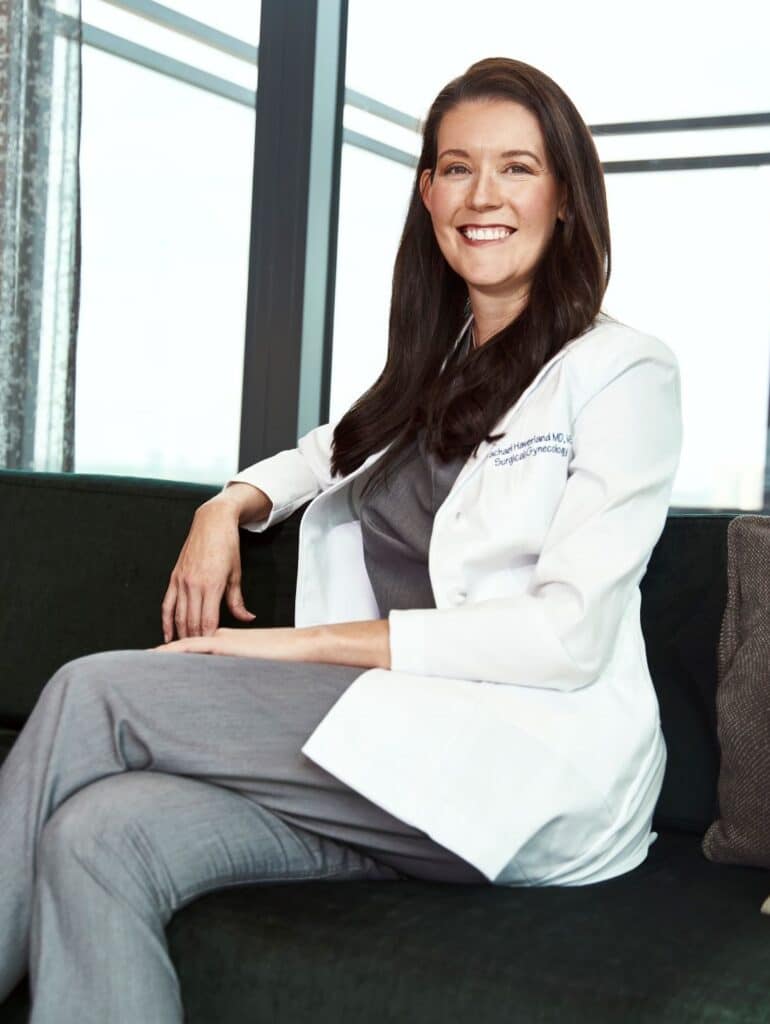
Dr. Rachael Haverland
Dr. Katherine Smith
There is no single best treatment for everyone. The right choice depends on your symptoms, what imaging shows, whether you want to get pregnant and how you feel about side effects and surgery. Many women use more than one option over time. A specialist can help you weigh them against your own goals.
Yes. Many women manage symptoms with pain relievers, hormonal medicines and pelvic floor therapy, and current guidance supports starting treatment without surgery. These options control symptoms but do not remove existing lesions. Surgery may be discussed if they are not enough, if imaging shows deep disease or an endometrioma, or if fertility is a concern.
A gynecologist often starts care. A gynecologic surgeon who focuses on endometriosis may be needed for deep disease, repeat surgery or complex symptoms, and care often includes pelvic floor physical therapy and other specialists. At our Dallas practice, Dr. Rachael Haverland and Dr. Katherine Smith evaluate and treat endometriosis.
There is no natural cure. Heat, gentle movement, diet changes and pelvic floor therapy may be natural ways to ease pain for some women as part of a full plan, though evidence for specific diets and supplements is limited. Talk with your doctor before adding supplements.
No. Hormone therapy can quiet endometriosis activity and ease pain, and it may help slow new growth. It does not remove lesions that are already there, and symptoms often return when it stops. Surgery can remove visible disease, though pain can still persist or come back afterward.
No. Many women start with medicine, but the order depends on your situation. Surgery may be discussed sooner when imaging shows a large endometrioma or deep disease near the bowel, bladder or ureters, or when fertility is a concern. Others never need surgery. A specialist can help you decide what makes sense first.
There is more than one way to treat endometriosis, and the right plan depends on your symptoms and goals. Call our Dallas office or request an appointment online. Bring a list of the treatments you have tried and any imaging reports, and Dr. Haverland or Dr. Smith will review your options with you.