
Your First Visit
What to Expect at Your Endometriosis Consultation
Your first appointment at Endometriosis Center of Excellence in Dallas is a consultation with one of our two board-certified, fellowship-trained surgeons, Dr. Rachael Haverland or Dr. Katherine Smith. Most first visits center on a detailed review of your symptoms, past care and goals. This page explains how scheduling works, what to bring, what often happens during the visit and what may come next.
For women in the Dallas area preparing for a first endometriosis consultation, including those who have been told their pain is normal.
Call the office or book online. Our office can answer questions about scheduling, referrals and records.
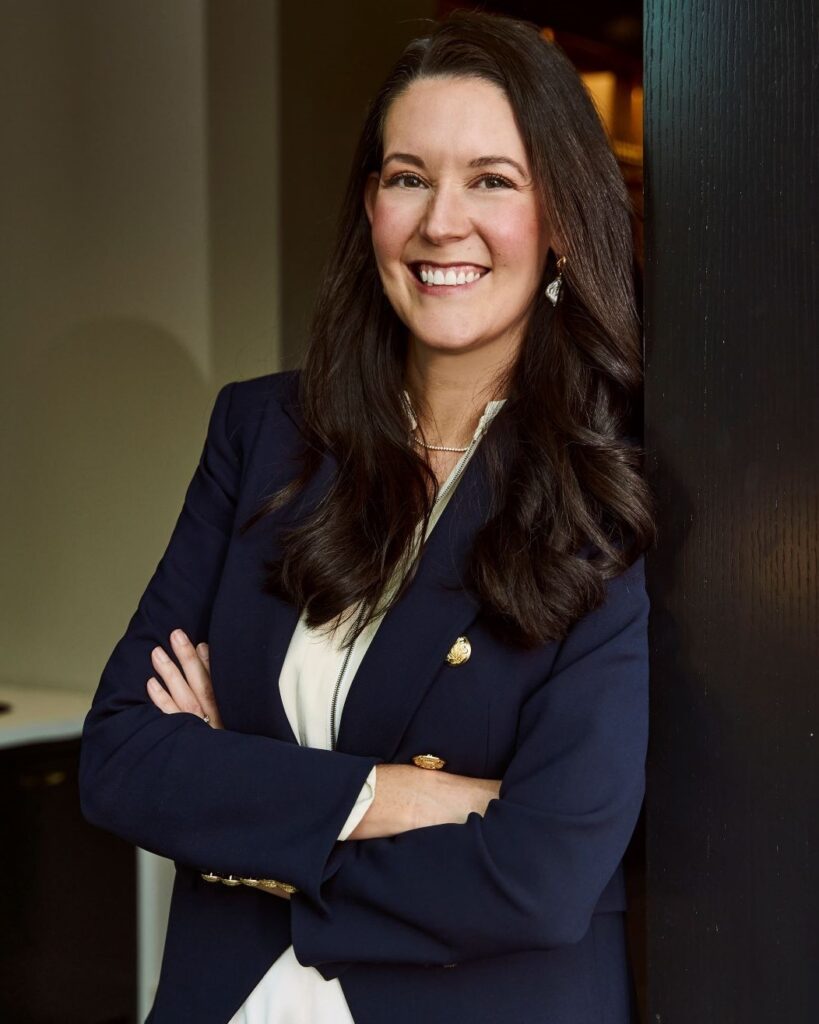
Every consultation is tailored to the patient, so the order and content of your visit can vary. Most first visits center on a conversation with your surgeon about your symptoms, periods, bowel and bladder changes, pain with sex, the treatments you have tried and how well they worked. Your surgeon will also ask about past surgeries and imaging, your fertility plans and how symptoms affect your work, sleep and daily life.
Depending on your symptoms and history, your surgeon may recommend a physical exam, which can include a pelvic exam to look for tender areas or nodules. The exam is explained first and done only with your consent. You can decline or postpone it, and you can ask to stop at any point.
Your surgeon will review any imaging you bring and may suggest a pelvic ultrasound or MRI. Imaging can show endometriomas and many areas of deep disease, but it can miss superficial endometriosis, so a normal scan does not always rule it out. In many patients, endometriosis can be diagnosed from history, exam and imaging. Laparoscopy may be discussed when imaging is normal and symptoms persist, or when surgical treatment is being considered.

A little preparation helps you make good use of your appointment time. Request records from past doctors a few weeks ahead, since hospitals and imaging centers can take time to send them. Check your insurance plan’s referral rules, and ask our office whether any forms should be completed before you arrive.
Keep a short symptom diary for a few days, even if your pain is lighter that week. Note when pain starts, where it is, how strong it feels and what helps. If someone you trust can help you remember details, consider bringing them and mention it when you book.

Records help your surgeon understand what has already been found and tried, which can reduce repeated tests. The table shows what to bring, why it helps and where to find it. If a record is hard to get, ask our office whether they can help request it.
| Record | Why it helps | Where to get it |
|---|---|---|
| Operative report | Describes what a past surgeon saw and what was removed or treated | The hospital or surgery center’s records office |
| Pathology report | Describes what the pathologist found in tissue from a past surgery | The surgeon’s office or the hospital records office |
| Ultrasound or MRI report and discs | Lets your surgeon review cysts or deeper disease and plan next steps | The imaging center, or your patient portal |
| Medicine list | Shows what you have tried, for how long and how it worked | Your pharmacy or your own notes |
| Symptom diary | Shows patterns in pain, bleeding, bowel and bladder symptoms | Your phone or a notebook |
| Referral, if required | Some insurance plans require one before a specialist visit | Your primary care doctor or gynecologist |
Questions are easy to forget during an appointment, so write them down beforehand. Choose the ones that fit your situation and add your own.

What might be causing my symptoms, and what else besides endometriosis could explain them?

Does my past imaging change your view, and would more testing help me right now?

Could a different medicine help me, and how do you choose between medicine and surgery?

If surgery is discussed, what would it involve for me, and what might it not fix?
Many patients leave the first visit with a clearer picture and a list of next steps, though a full treatment plan may take more than one appointment. Your surgeon may recommend imaging, lab tests, a trial of hormonal or pain medicine, or a referral to another specialist before any treatment decision. Surgery may be discussed when it fits your symptoms, findings and goals.
When other care may help, our surgeons coordinate as needed with colorectal surgeons, urologists, fertility specialists, pelvic floor physical therapists and pain management specialists. Ask our office how test results and follow-up visits are handled. You decide how to proceed, and you can take time to think things over or seek another opinion.
Booking a consultation does not commit you to any treatment. These steps help you arrive with the information your surgeon needs.
Call (214) 281-4460 or use the online appointment form.
Ask your plan and our office whether a referral is required.
Request reports and imaging, and list your current medicines.
Share your history, ask questions and discuss possible next steps.
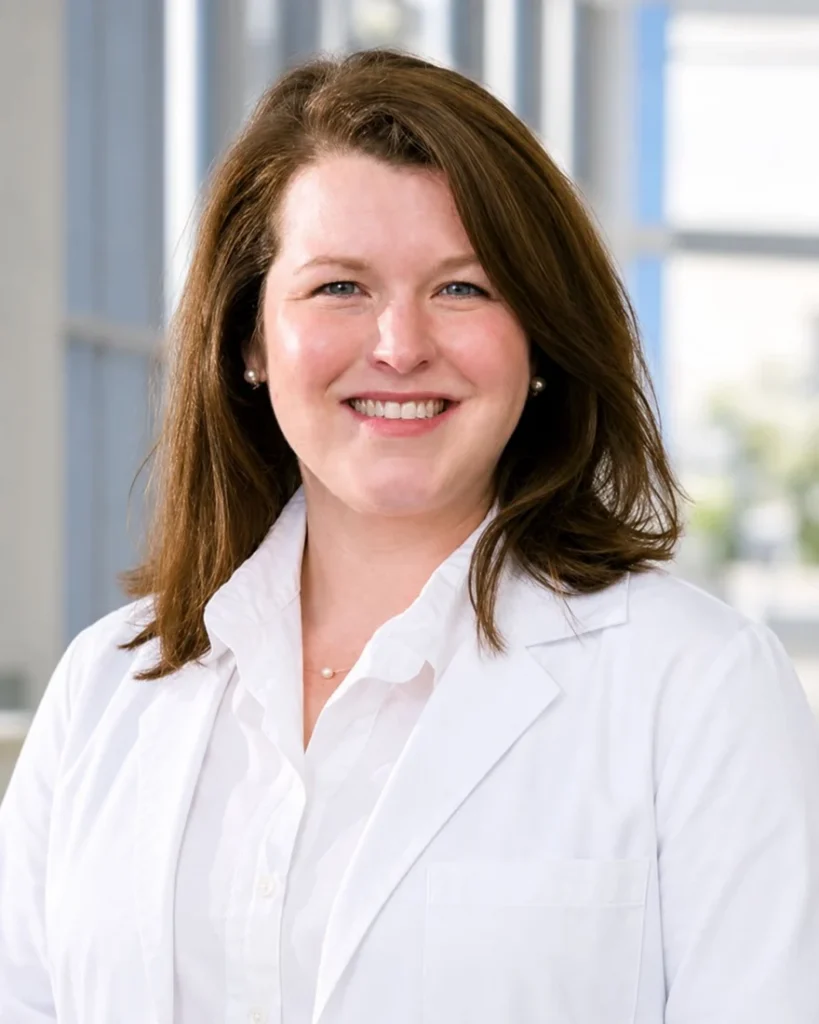
Endometriosis Center of Excellence is a two-surgeon practice at 8140 Walnut Hill Lane, Suite 106, Dallas, TX 75231. Both surgeons are board certified by the American Board of Obstetrics and Gynecology (ABOG) and hold the ABOG Focused Practice Designation in Minimally Invasive Gynecologic Surgery. At your first visit you meet one of them and can ask about their training and approach.
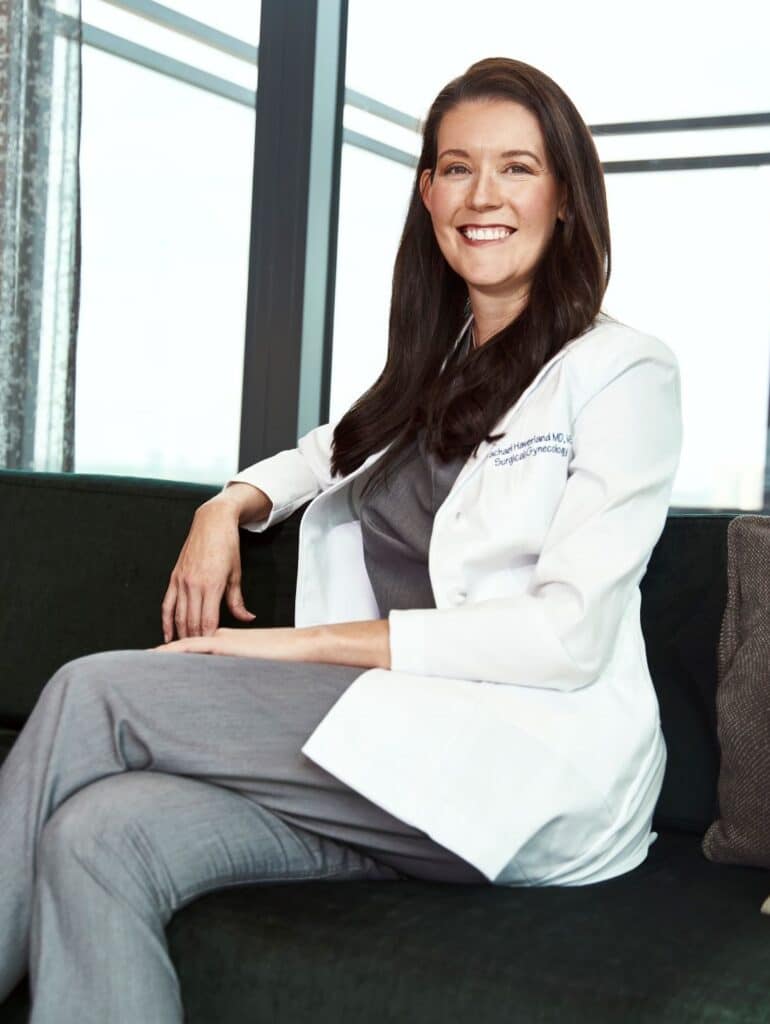
Dr. Rachael Haverland
Dr. Katherine Smith
Most first visits center on a detailed conversation about your symptoms, periods, past treatments and goals. Your surgeon may recommend a physical exam, including a pelvic exam, with your consent, and may review or suggest imaging. The aim is a clearer picture of what may be going on and the options for your next step.
Bring past operative and pathology reports, ultrasound or MRI reports, and image discs if you have them. Add a list of your medicines and supplements with doses, a short symptom diary and your written questions. If a record is hard to get, ask our office whether they can help request it.
It depends on your insurance plan. Some plans need a referral from a primary care doctor before you see a specialist, and others do not. Call the member services number on your insurance card to check, and ask our office whether a referral is needed before your visit is scheduled.
A pelvic exam may be recommended depending on your symptoms and history, because it can help find tender areas or nodules. It is done only with your consent. You can ask what it involves, decline or postpone it, or ask to stop at any time. Tell your surgeon if exams have been painful for you before.
Some patients do, and many leave with a set of next steps instead. Your surgeon may want imaging, test results, records from past doctors or a follow-up visit before recommending treatment. At the end of your visit, you can ask what the next step is and how you will hear about results.
Many women start with their gynecologist, then look for a specialist. Endometriosis specialists are often gynecologists with fellowship training in minimally invasive gynecologic surgery, which covers laparoscopic and robotic techniques. Both surgeons at Endometriosis Center of Excellence, Dr. Rachael Haverland and Dr. Katherine Smith, are board-certified gynecologists with this fellowship training. When you choose a specialist, ask about their training and how much of their work focuses on endometriosis.
Many patients find it helps to bring a partner, friend or family member. A second person can take notes and remember details you miss. If you would like someone with you, mention it when you book and ask our office about any visitor guidelines.
You do not need every answer before your first visit, only your story so far. Call our Dallas office at (214) 281-4460 or request an appointment online to see Dr. Haverland or Dr. Smith. Our office can answer questions about scheduling, referrals and records before you come in.