

Did you know that as many as one in ten women experience pelvic pain that feels a lot like endometriosis but actually needs completely different treatments? Pinpointing the exact cause of your pelvic pain, whether it’s endometriosis, adenomyosis, interstitial cystitis, irritable bowel syndrome, fibroids, or ovarian cysts, is crucial. Getting the right diagnosis sooner means you can start the right treatment and find relief faster. At EndoExcellence Center, our experts use detailed patient histories, advanced imaging, and minimally invasive procedures to uncover the true source of your pelvic pain. This article will explore conditions often mistaken for endometriosis, compare their symptoms and diagnostic signs, discuss treatment options, highlight why expert evaluation is so important, and touch on other less common pelvic pain issues that might need consideration.
What Conditions Are Often Confused with Endometriosis?

Differential diagnosis means figuring out conditions that share similarities with endometriosis but require different management plans. Recognizing these pelvic pain imposters early can lead to better outcomes and prevent unnecessary treatments.
Which Pelvic Pain Conditions Can Feel Like Endometriosis?
-
Adenomyosis: This occurs when the tissue lining the uterus grows into the muscular wall of the uterus, leading to heavy, painful periods.
-
Interstitial cystitis: This condition causes bladder pain, a frequent urge to urinate, and a constant need to go, often made worse by your menstrual cycle.
-
Irritable bowel syndrome: This presents as cramping, bloating, and changes in bowel habits that can be linked to your hormonal cycles.
-
Uterine fibroids: These non-cancerous growths in the uterus can cause pressure, heavy bleeding, and a feeling of fullness in the pelvis.
-
Ovarian cysts: These fluid-filled sacs on the ovaries, including endometriomas, can cause pain in the side of the pelvis and may change with your menstrual cycle.
The way these conditions overlap highlights how important a thorough clinical evaluation and specialized imaging are before confirming a diagnosis of endometriosis.
How Are Adenomyosis and Endometriosis Different?
Adenomyosis occurs when the uterine lining tissue grows into the muscular wall of the uterus, making the uterus larger and tender. Endometriosis, on the other hand, involves endometrial-like implants growing outside the uterus on pelvic organs. Women with adenomyosis often experience very heavy periods and a rounded, enlarged uterus during a pelvic exam. Endometriosis typically causes sharp, localized pain, especially during intercourse or periods.
What Are the Differences Between Interstitial Cystitis and Endometriosis?
Interstitial cystitis is characterized by pelvic pain that worsens as the bladder fills and improves after urination, often accompanied by a frequent and urgent need to urinate. This urgency may fluctuate with your menstrual cycle. Endometriosis pain usually gets worse just before or during your period and isn’t directly related to how full your bladder is. If a pelvic ultrasound is normal but a cystoscopy (a look inside the bladder) shows abnormalities, it points towards IC rather than endometriosis.
How Does Irritable Bowel Syndrome Mimic Endometriosis?
Irritable bowel syndrome (IBS) typically causes crampy abdominal pain, bloating, and alternating constipation and diarrhea. These symptoms can flare up with stress or hormonal changes. Endometriosis-related digestive issues tend to be more localized and directly tied to your menstrual cycle. A normal colonoscopy combined with symptom assessment using the Rome IV criteria suggests IBS rather than endometriosis.
How Are Uterine Fibroids and Endometriosis Confused?
Uterine fibroids often cause pressure symptoms, frequent urination, constipation, and heavy menstrual bleeding. Imaging like ultrasound or MRI clearly shows these well-defined masses. Endometriosis implants are usually not distinct masses and cause cyclical pain without significant uterine enlargement. Recognizing these differences on imaging helps guide treatment toward fibroid management instead of surgery for endometriosis.
What Distinguishes Ovarian Cysts from Endometriomas?
Simple ovarian cysts are typically fluid-filled and resolve on their own. Endometriomas, however, contain old blood and appear as complex cysts with a characteristic “ground-glass” appearance on ultrasound. If a persistent, painful cyst is found, especially with elevated CA-125 levels, it raises suspicion for an endometrioma and may require surgical evaluation.
How Are Symptoms Used to Differentiate Endometriosis from Similar Conditions?

Endometriosis can be difficult to diagnose because its symptoms often resemble those of other gynecological and gastrointestinal conditions. Pelvic pain, heavy periods, and digestive discomfort, for example, may point to endometriosis but can also signal issues like irritable bowel syndrome (IBS), ovarian cysts, or pelvic inflammatory disease. To avoid misdiagnosis, healthcare providers pay close attention to the specific nature, timing, and combination of symptoms. Understanding how these patterns differ is essential in distinguishing endometriosis from similar conditions and ensuring patients receive the right treatment.
What Are the Key Symptoms of Endometriosis?
Endometriosis typically shows up with three main signs:
-
Dysmenorrhea – Increasingly severe pelvic pain before and during your period.
-
Dyspareunia – Painful intercourse, often due to implants affecting the ligaments supporting the uterus.
-
Infertility or difficulty conceiving – This can be caused by scar tissue (adhesions) or ovarian endometriomas.
How Do Symptoms of Adenomyosis Contrast with Endometriosis?
Adenomyosis often leads to:
-
Menorrhagia – Unusually heavy menstrual bleeding.
-
A constant feeling of pelvic pressure – A dull ache that isn’t tied to movement.
-
A tender and enlarged uterus – This can be felt during a pelvic exam.
Which Symptoms Suggest Interstitial Cystitis Instead of Endometriosis?
-
Urinary urgency – A sudden, strong need to urinate.
-
Pelvic pain that gets better after urinating – The discomfort eases once the bladder is empty.
-
A normal gynecologic exam – This suggests the problem isn’t originating from pelvic organs outside the bladder.
What Gastrointestinal Symptoms Indicate IBS Rather Than Endometriosis?
-
Irregular bowel habits – Alternating between constipation and diarrhea.
-
Abdominal bloating – Swelling that isn’t strictly tied to your period.
-
Pain relief after a bowel movement – Unlike the cyclical pain of endometriosis.
How Can Fibroid-Related Pain Be Distinguished from Endometriosis Pain?
-
Pressure symptoms – Discomfort caused by the fibroid pressing on nearby organs.
-
Prolonged heavy bleeding – Which can lead to symptoms of anemia.
-
Noticeable firm masses – Detectable during a physical examination.
What Diagnostic Methods Help Differentiate Endometriosis from Similar Conditions?
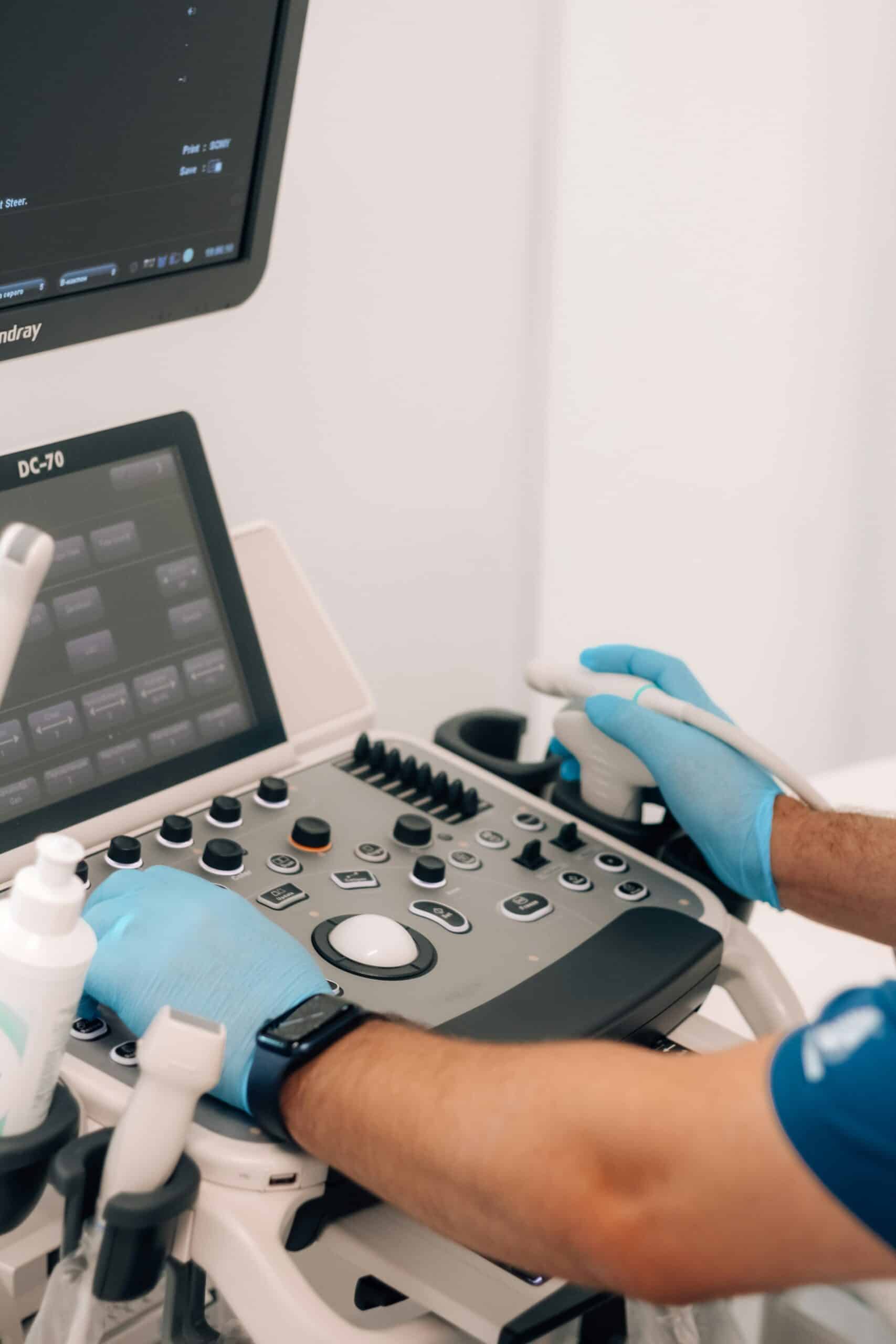
Because endometriosis shares overlapping symptoms with conditions such as ovarian cysts, pelvic inflammatory disease, and irritable bowel syndrome, diagnostic methods are essential for clarifying what is truly happening inside the body. Physicians often begin with a detailed medical history and physical examination, followed by imaging techniques like ultrasound or MRI to rule out other causes of pelvic pain. While these tools can highlight abnormalities, laparoscopy remains the gold standard for confirming endometriosis, as it allows direct visualization and biopsy of lesions. Using a combination of these methods helps distinguish endometriosis from look-alike conditions and provides the foundation for effective treatment planning.
-
Laparoscopic visualization – This is the most accurate way to see endometriosis implants and scar tissue.
-
Histological confirmation – Taking a tissue sample (biopsy) of suspicious areas.
-
Symptom correlation – Documenting how pain relates to your menstrual cycle.
What Imaging Techniques Differentiate Adenomyosis from Endometriosis?
These imaging differences help guide treatment toward uterine-focused therapies or surgical removal of endometriosis implants.
How Is Interstitial Cystitis Diagnosed Compared to Endometriosis?
-
Urinalysis and culture – To rule out a urinary tract infection.
-
Bladder diary – Keeping track of pain and fluid intake.
-
Cystoscopy with hydrodistension – A procedure that can reveal characteristic changes in the bladder lining.
If gynecological tests are normal but bladder tests are positive, it confirms IC rather than endometriosis.
What Are the Diagnostic Criteria for IBS Versus Endometriosis?
-
Rome IV criteria – Recurring abdominal pain linked to bowel movements and changes in stool consistency.
-
Exclusion of other causes – Normal imaging and lab results.
-
Symptoms lasting at least 6 months – Indicating a chronic condition.
Endometriosis is often a diagnosis made after other conditions are ruled out, typically confirmed with surgery if IBS criteria aren’t met.
How Are Fibroids and Ovarian Cysts Diagnosed and Differentiated?
-
Pelvic ultrasound – Identifies the location, size, and type of fibroids and cysts.
-
MRI – Provides more detail for complex masses and helps distinguish fibroid changes from endometriosis.
-
Blood tests – CA-125 levels might be elevated with cysts but aren’t definitive on their own.
This comprehensive approach ensures patients receive the right treatment, whether it’s for fibroids or cysts, rather than just general hormonal therapy.
When Is Diagnostic Laparoscopy Recommended for Pelvic Pain?
-
When persistent cyclic pelvic pain isn’t explained by imaging tests.
-
When standard medical treatments haven’t provided enough relief.
-
When there are concerns about fertility and endometriosis or blocked fallopian tubes are suspected.
Directly visualizing the pelvic organs can confirm or rule out endometriosis and guide the most effective treatment at specialized centers.
What Treatment Options Are Available for Conditions Similar to Endometriosis?

When symptoms mimic endometriosis but are traced back to a different condition, treatment strategies vary based on the underlying cause. For example, ovarian cysts may be monitored or surgically removed depending on size and severity, while pelvic inflammatory disease typically requires antibiotic therapy. Irritable bowel syndrome, on the other hand, is often managed through dietary adjustments, stress reduction, and medication targeting digestive symptoms. By tailoring treatment to the specific condition, healthcare providers can address the root issue, relieve symptoms, and avoid unnecessary interventions aimed at endometriosis.
How Is Endometriosis Treated?
-
Hormonal suppression – Medications like birth control pills or GnRH agonists to reduce the growth and activity of endometriosis implants.
-
Laparoscopic excision – Precise surgical removal of endometriosis implants and scar tissue.
-
Pain management – Using NSAIDs and nerve-modulating medications for symptom relief.
What Are the Treatment Approaches for Adenomyosis?
-
Hormonal IUD (e.g., levonorgestrel) – Can significantly reduce heavy bleeding and period pain.
-
GnRH analogs – These can temporarily help manage symptoms.
-
Hysterectomy – Surgical removal of the uterus, considered a definitive treatment for severe cases, especially after childbearing is complete.
How Is Interstitial Cystitis Managed?
-
Bladder instillations – Medications like DMSO or heparin are placed directly into the bladder to reduce inflammation.
-
Pelvic floor physical therapy – Helps relax and retrain pelvic floor muscles that can contribute to pain.
-
Oral medications – Such as amitriptyline or pentosan polysulfate, to help protect the bladder lining.
What Treatments Are Effective for IBS Symptoms?
-
Dietary changes – Following a low-FODMAP diet can help reduce gas and bloating.
-
Probiotics and fiber supplements – To help regulate bowel movements.
-
Antispasmodics and neuromodulators – Medications to ease cramping and reduce heightened pain sensitivity in the gut.
How Are Uterine Fibroids and Ovarian Cysts Treated?
-
Selective embolization – A minimally invasive procedure to block blood flow to fibroids.
-
Myomectomy or hysterectomy – Surgical removal of fibroids, depending on symptoms and desire for future pregnancy.
-
Cystectomy – Laparoscopic surgery to remove ovarian cysts that are persistent or causing symptoms.
When Should Patients Seek Expert Pelvic Pain Specialists?
If you’re experiencing chronic or cyclical pelvic pain that hasn’t improved with initial treatments, it’s time to consult with a specialized, multidisciplinary team. Centers like EndoExcellence Center offer coordinated care and advanced surgical options to reduce misdiagnosis and speed up your path to relief.
Why Is Expert Evaluation Crucial in Avoiding Misdiagnosis of Endometriosis?
Expert evaluation is crucial in avoiding misdiagnosis of endometriosis because its symptoms often overlap with multiple gynecological and gastrointestinal disorders. While pelvic pain, heavy bleeding, or digestive distress may suggest several possible conditions, a specialist can interpret subtle differences in symptom patterns, perform targeted examinations, and order the most appropriate diagnostic tests. Without this level of expertise, patients risk delayed treatment, unnecessary procedures, or ineffective therapies aimed at the wrong condition. An experienced evaluation not only increases diagnostic accuracy but also ensures that patients receive timely, individualized care tailored to their true underlying condition.
What Are Common Causes of Endometriosis Misdiagnosis?
-
Symptoms that overlap with gastrointestinal or urinary conditions.
-
Relying solely on ultrasound without laparoscopic confirmation.
-
Incomplete patient histories that miss crucial details about pain patterns.
How Does Comprehensive Patient Evaluation Improve Diagnosis?
-
Detailed history taking – Covering menstrual, bladder, bowel, and sexual function.
-
Targeted physical examination – Identifying specific tender points or abnormalities.
-
Multidisciplinary collaboration – Input from gynecologists, urologists, and gastroenterologists.
What Advanced Diagnostic Techniques Are Used by Specialists?
-
High-resolution ultrasound protocols – Including specialized transvaginal sonography.
-
MRI with advanced imaging techniques – To better visualize deep endometriosis and adenomyosis.
-
3D laparoscopy and fluorescence imaging – To improve the detection of endometriosis implants.
What Are Other Chronic Pelvic Pain Conditions That Mimic Endometriosis?

How Does Pelvic Congestion Syndrome Differ from Endometriosis?
-
A dull, aching pain that worsens with standing or intercourse.
-
Visible enlarged veins in the pelvis on imaging.
-
Improvement with procedures to treat vein issues, rather than hormonal therapy.
What Is Pudendal Neuralgia and How Is It Distinguished?
-
A burning or electric shock-like pain in the genital and perineal area.
-
Pain that may feel better when sitting on a toilet seat compared to a regular chair.
-
Diagnostic nerve blocks that confirm nerve involvement.
How Do Musculoskeletal and Neuropathic Pelvic Pain Conditions Mimic Endometriosis?
-
A persistent deep pelvic ache that might radiate to the back or legs.
-
Tender spots (trigger points) found in the pelvic floor muscles during examination.
-
Improvement with physical therapy and medications that target nerve pain.
When Should These Conditions Be Considered in Differential Diagnosis?
-
When standard imaging doesn’t show any gynecological problems.
-
When pain patterns don’t clearly align with menstrual cycles.
-
When specific physical exam findings suggest nerve or muscle issues.
Referring patients early to pelvic floor specialists and pain management teams can prevent unnecessary gynecological surgeries.
Frequently Asked Questions About Conditions Similar to Endometriosis
What Conditions Are Most Often Mistaken for Endometriosis?
Conditions like adenomyosis, interstitial cystitis, irritable bowel syndrome, uterine fibroids, and ovarian cysts often present with symptoms that overlap with endometriosis, particularly pelvic pain and menstrual irregularities. A closer look at each condition’s unique characteristics helps guide the diagnostic process.
How Can Patients Tell If Their Pelvic Pain Is Not Endometriosis?
If your pain is more closely related to bladder fullness, bowel movements, or if a pelvic exam reveals a generally tender and enlarged uterus without signs of endometriosis implants on imaging, you might have interstitial cystitis, IBS, or adenomyosis. Keeping a detailed symptom diary and undergoing targeted examinations can help differentiate these conditions.
Can Endometriosis Symptoms Occur Without Having the Disease?
Yes, conditions such as IBS and pelvic floor dysfunction can cause cyclical pain, bloating, and discomfort that strongly mimic endometriosis, even when no ectopic endometrial tissue is present. Matching symptoms with objective findings is key to avoiding mislabeling.
How Do Specialists Rule Out Other Conditions Before Diagnosing Endometriosis?
Specialists use a combination of detailed patient history, physical examination, imaging (ultrasound, MRI), laboratory tests, and often diagnostic laparoscopy. This systematic approach helps exclude other potential causes before confirming endometriosis through surgery.
When Should Patients Seek a Second Opinion for Pelvic Pain?
Consider seeking a second opinion if your pain persists despite standard treatments, imaging results are unclear, or if you have significant concerns about fertility. A second opinion at a specialized pelvic pain center ensures a thorough evaluation and comprehensive management plan.
Chronic pelvic pain requires an accurate diagnosis to ensure effective treatment and improve your quality of life. Advanced imaging, precise examination techniques, and teamwork among specialists at EndoExcellence Center help reduce misdiagnosis and shorten the time to finding relief. By clearly distinguishing endometriosis from its many mimics, we can offer personalized treatments that target the actual source of your discomfort. If you’re dealing with persistent or cyclical pelvic pain, we encourage you to explore specialized diagnostic options to gain clarity and begin your healing journey.
Conclusion
Pinpointing the true source of pelvic pain takes more than a single test or a quick assumption. Conditions like adenomyosis, interstitial cystitis, irritable bowel syndrome, uterine fibroids, ovarian cysts, pelvic congestion syndrome, and pudendal neuralgia can all mimic endometriosis, which is why a thorough evaluation, detailed history, targeted imaging, and, when needed, diagnostic laparoscopy, matters so much. At EndoExcellence Center, this comprehensive approach is central to every evaluation, helping patients avoid misdiagnosis, unnecessary procedures, and delayed relief. Understanding how these conditions differ in symptoms, diagnostic findings, and treatment is the first step toward an accurate diagnosis and a care plan tailored to the true underlying cause of your pain.