

Severe leg or hip pain during menstruation is often dismissed as muscle strain, sciatica, or a routine menstrual symptom. However, when pain consistently follows the menstrual cycle and radiates from the pelvis into the buttocks or down the leg, it may be linked to a rare but serious form of endometriosis involving the pelvic nerves. Sciatic and nerve endometriosis occur when endometriosis lesions affect nerves within the pelvis, causing symptoms that extend beyond typical pelvic pain. Because these symptoms often resemble orthopedic or neurological conditions, diagnosis is frequently delayed. Understanding how nerve endometriosis develops, recognizing its warning signs, and learning about available treatment options can help patients seek specialized care sooner. Early evaluation is essential to relieve symptoms, preserve nerve function, and improve long-term quality of life.
What Is Sciatic and Nerve Endometriosis?

Although endometriosis most commonly affects the pelvic organs, it can occasionally involve important pelvic nerves. When endometriosis develops near or around these nerves, it can produce pain patterns that are very different from typical menstrual cramps, often affecting mobility and daily activities.
Understanding How Nerve Endometriosis Develops
Sciatic endometriosis occurs when endometrial-like tissue grows around or infiltrates the sciatic nerve or nearby pelvic nerves. These lesions respond to hormonal changes throughout the menstrual cycle, causing inflammation, swelling, and irritation of nearby nerve tissue.
As inflammation increases during menstruation, pressure on the affected nerves may produce pain that travels from the lower back through the buttocks and into the leg. In more advanced cases, prolonged nerve irritation may contribute to weakness, numbness, or reduced mobility if left untreated.
Although nerve involvement is relatively uncommon, recognizing its symptoms early is important because prompt treatment may help prevent long-term nerve damage.
Why Nerve Involvement Causes Leg and Hip Pain
The sciatic nerve is the largest nerve in the body, extending from the lower spine through the pelvis and down each leg. When endometriosis affects this nerve or other nearby pelvic nerves, pain may follow the same pathway rather than remaining confined to the pelvis.
Unlike common muscle soreness, period-related nerve pain is often sharp, burning, or shooting. Many patients notice that symptoms worsen during menstruation and improve afterward, creating a pattern that can provide valuable diagnostic clues.
Understanding this relationship between pelvic anatomy and nerve irritation helps explain why some patients experience symptoms far beyond the reproductive organs.
Common Symptoms of Sciatic and Nerve Endometriosis

Symptoms vary depending on which nerves are affected and the extent of disease involvement. While pelvic pain remains common, nerve endometriosis often produces neurological symptoms that distinguish it from more typical forms of endometriosis.
Recognizing these symptoms early allows patients to seek evaluation before nerve irritation progresses.
Symptoms That May Suggest Nerve Involvement
Many patients initially believe they have sciatica, hip problems, or spinal conditions because the pain radiates through the leg. However, the timing of symptoms often provides an important clue.
When pain consistently becomes worse during the menstrual cycle, healthcare providers may consider nerve endometriosis as part of the diagnostic evaluation.
Common symptoms include:
These symptoms often fluctuate with hormonal changes, making symptom tracking an important part of the diagnostic process.
-
Sharp or shooting pain radiating down one leg
-
Hip or buttock pain during menstruation
-
Chronic pelvic pain
-
Numbness or tingling in the leg
-
Muscle weakness during severe flare-ups
-
Difficulty sitting, walking, or standing for extended periods
Sharp or shooting pain radiating down one leg
Hip or buttock pain during menstruation
Chronic pelvic pain
Numbness or tingling in the leg
Muscle weakness during severe flare-ups
Difficulty sitting, walking, or standing for extended periods
Although these symptoms resemble other neurological conditions, their connection to the menstrual cycle may help distinguish nerve endometriosis from other causes of leg pain.
How Symptoms Affect Daily Life
Pain caused by nerve endometriosis often extends beyond menstruation itself. Patients may struggle with walking long distances, climbing stairs, exercising, or sitting comfortably during symptom flare-ups.
Chronic pain can also affect sleep quality, work productivity, emotional well-being, and participation in everyday activities. Because symptoms are frequently misunderstood, many women spend years seeking answers before receiving an accurate diagnosis.
Early recognition of these patterns helps reduce delays in treatment and allows patients to access specialized care sooner.
Diagnosing Sciatic and Nerve Endometriosis
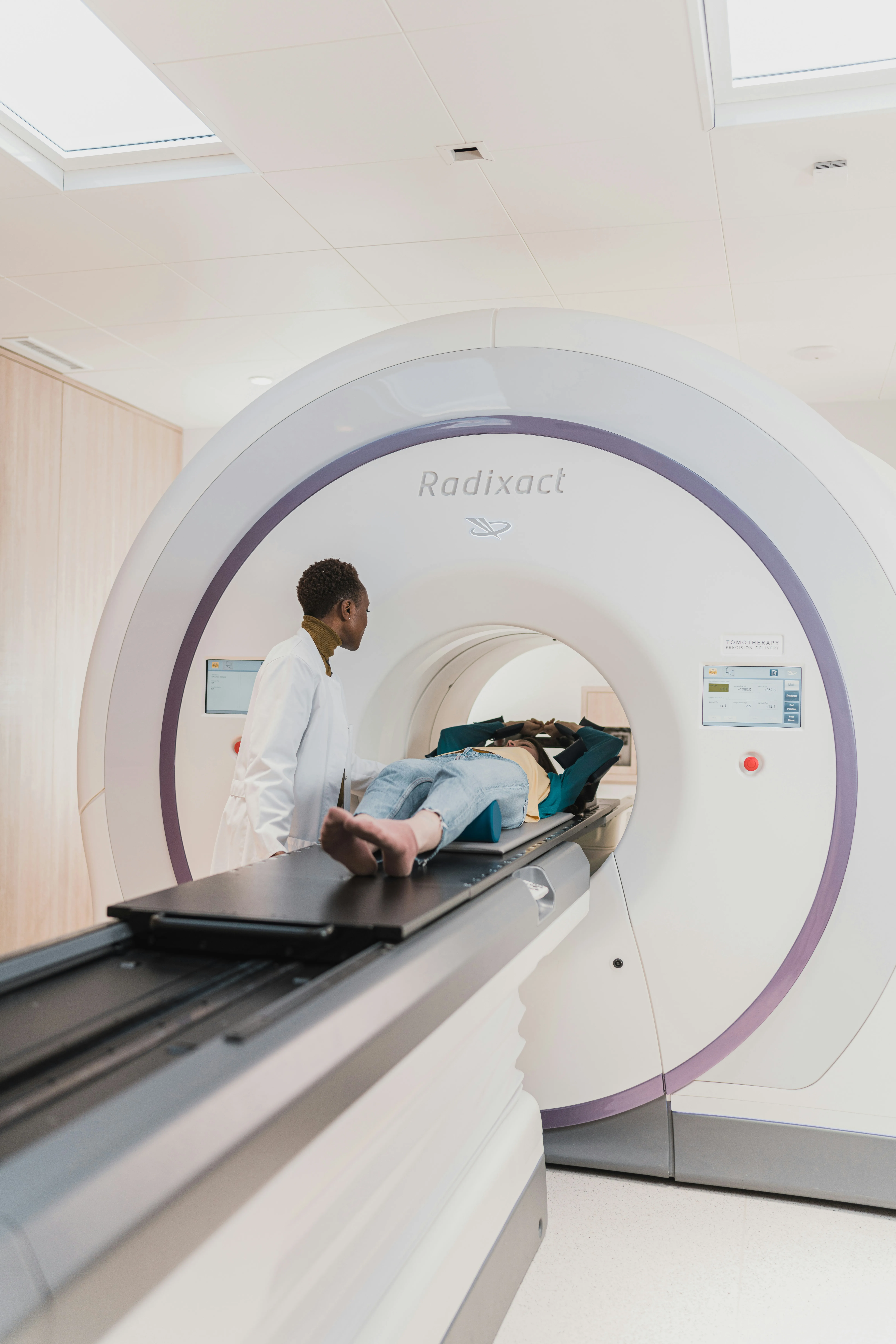
Because nerve endometriosis shares symptoms with orthopedic, spinal, and neurological disorders, diagnosis requires careful evaluation. Specialists combine medical history, physical examination, and advanced imaging techniques to identify the underlying cause of symptoms.
A thorough assessment is essential because treatment decisions depend on accurately identifying both the location and severity of nerve involvement.
Clinical Evaluation and Symptom Assessment
The diagnostic process begins with a detailed discussion of symptom history, menstrual patterns, previous treatments, and pain characteristics. Healthcare providers pay particular attention to whether symptoms consistently worsen during menstruation, as this pattern strongly suggests hormonal involvement.
During the physical examination, providers evaluate pelvic tenderness, neurological function, muscle strength, and pain distribution. These findings help distinguish nerve endometriosis from musculoskeletal or spinal disorders.
Keeping a detailed symptom diary before the appointment can provide valuable information that supports a more accurate diagnosis.
The Role of MRI and Advanced Imaging
Magnetic resonance imaging (MRI) is one of the most valuable tools for evaluating suspected nerve endometriosis. Understanding how MRI can identify deep endometriosis can help patients learn more about its role in locating lesions and guiding treatment planning.
Imaging also assists surgeons in understanding the relationship between endometriosis lesions and surrounding nerves before considering surgery.
Advanced diagnostic evaluation may include:
Each diagnostic step contributes to developing a personalized treatment plan based on the patient’s symptoms and anatomical findings.
-
Comprehensive medical history
-
Pelvic examination
-
Neurological assessment
-
Pelvic MRI for deep infiltrating disease
-
Review by a specialist experienced in complex endometriosis
Comprehensive medical history
Pelvic examination
Neurological assessment
Pelvic MRI for deep infiltrating disease
Review by a specialist experienced in complex endometriosis
Accurate diagnosis forms the foundation for effective treatment and helps reduce the risk of ongoing nerve irritation and chronic pain.
Treatment Options for Sciatic and Nerve Endometriosis

Once sciatic or nerve endometriosis has been diagnosed, treatment focuses on relieving pain, protecting nerve function, and addressing the underlying endometriosis. The most appropriate treatment depends on the location of the disease, symptom severity, fertility goals, and the patient’s overall health. Because nerve involvement can become more complex over time, individualized care is essential for achieving the best possible outcomes.
Minimally Invasive Excision Surgery
For many patients with nerve endometriosis, laparoscopic excision surgery offers one of the most effective treatment options. Unlike treatments that primarily suppress symptoms, excision surgery removes endometriosis lesions while preserving healthy surrounding tissue whenever possible.
When performed by surgeons experienced in complex endometriosis, minimally invasive techniques allow for careful dissection around delicate pelvic nerves. This precision helps reduce inflammation, relieve nerve compression, and improve long-term symptom control while supporting a faster recovery compared with traditional open surgery.
Patients with advanced disease often benefit from surgical planning based on detailed imaging studies to ensure all affected areas are carefully evaluated before treatment.
Comprehensive Non-Surgical Management
Although surgery may be recommended for many cases of nerve involvement, non-surgical treatments also play an important role in symptom management. Hormonal therapies may help reduce disease activity, while pain management strategies and pelvic floor rehabilitation can improve daily function.
Successful treatment often combines several therapies rather than relying on a single intervention.
A comprehensive treatment plan may include:
Each patient’s treatment plan should be tailored to their symptoms, lifestyle, and long-term health goals.
-
Hormonal therapy to reduce disease activity
-
Medications for pain management when appropriate
-
Pelvic floor physical therapy
-
Lifestyle modifications to support recovery
-
Ongoing follow-up with an endometriosis specialist
Hormonal therapy to reduce disease activity
Medications for pain management when appropriate
Pelvic floor physical therapy
Lifestyle modifications to support recovery
Ongoing follow-up with an endometriosis specialist
Combining multiple treatment approaches often provides the greatest opportunity for long-term symptom improvement while protecting pelvic nerve function.
Recovery and Long-Term Management

Treatment does not end after surgery or medical therapy. Long-term management focuses on monitoring recovery, restoring mobility, minimizing symptom recurrence, and improving overall quality of life. Regular follow-up care allows healthcare providers to adjust treatment recommendations as recovery progresses.
What Recovery May Look Like
Recovery varies depending on the extent of nerve involvement and the type of treatment performed. Following minimally invasive surgery, many patients gradually notice improvements in leg pain, pelvic discomfort, and mobility as inflammation decreases and healing progresses.
Because nerves heal more slowly than many other tissues, recovery may continue for several months. During this time, patients are encouraged to attend follow-up appointments, follow postoperative instructions carefully, and communicate any persistent or changing symptoms with their healthcare team.
Patience is important, as gradual improvement is often expected throughout the healing process.
Supporting Long-Term Pelvic Health
Long-term care focuses on maintaining symptom control while supporting overall pelvic health. Patients who actively participate in their recovery often experience better functional outcomes and greater confidence returning to normal activities.
Regular monitoring also allows specialists to identify new symptoms early and adjust treatment plans when necessary.
Healthy long-term management strategies include maintaining follow-up care, participating in rehabilitation when recommended, monitoring symptom patterns, and maintaining healthy lifestyle habits that support overall well-being.
Frequently Asked Questions
Can Endometriosis Cause Pain That Travels Down the Leg?
Yes. When endometriosis affects the sciatic nerve or nearby pelvic nerves, pain may radiate from the pelvis through the buttock and down the leg, particularly during menstruation.
How Is Nerve Endometriosis Different From Regular Sciatica?
Traditional sciatica is usually caused by spinal or disc-related conditions. Nerve endometriosis is associated with endometriosis lesions affecting pelvic nerves, and symptoms often worsen in relation to the menstrual cycle.
Is MRI Helpful for Diagnosing Nerve Endometriosis?
Yes. MRI is an important imaging tool that helps specialists evaluate deep infiltrating endometriosis and identify possible nerve involvement while assisting with treatment planning.
When Should I See an Endometriosis Specialist?
You should seek evaluation if you experience severe leg, hip, or pelvic pain that consistently worsens during your menstrual cycle, especially if symptoms include numbness, tingling, or weakness.
Taking the Next Step Toward Lasting Relief From Nerve Endometriosis
Sciatic and nerve endometriosis can be challenging to recognize because the symptoms often resemble orthopedic or neurological conditions. However, severe leg or hip pain that consistently follows the menstrual cycle should never be ignored. Early diagnosis allows patients to receive appropriate treatment before prolonged inflammation affects nerve function or quality of life. Whether treatment involves minimally invasive surgery, medical therapy, rehabilitation, or a combination of approaches, individualized care remains the key to achieving meaningful symptom relief.
At the Endometriosis Center of Excellence, our experienced team specializes in diagnosing and treating complex forms of endometriosis, including sciatic and nerve involvement. If recurring leg pain, pelvic discomfort, or neurological symptoms are affecting your daily life, schedule a consultation to receive a comprehensive evaluation and a personalized treatment plan designed to relieve pain, protect nerve health, and help you return to the activities you enjoy.