

Recovering from endometriosis excision surgery is a crucial phase that can significantly impact a patient’s overall well-being and quality of life. This surgical procedure involves the removal of endometrial-like tissue growing outside the uterus, which can alleviate chronic pain and improve fertility outcomes. Understanding what to expect during recovery helps patients mentally prepare and manage their return to daily activities. Throughout this article, we guide you through the key phases of recovery, essential care tips, and when to seek medical advice.
Recovery Timeline
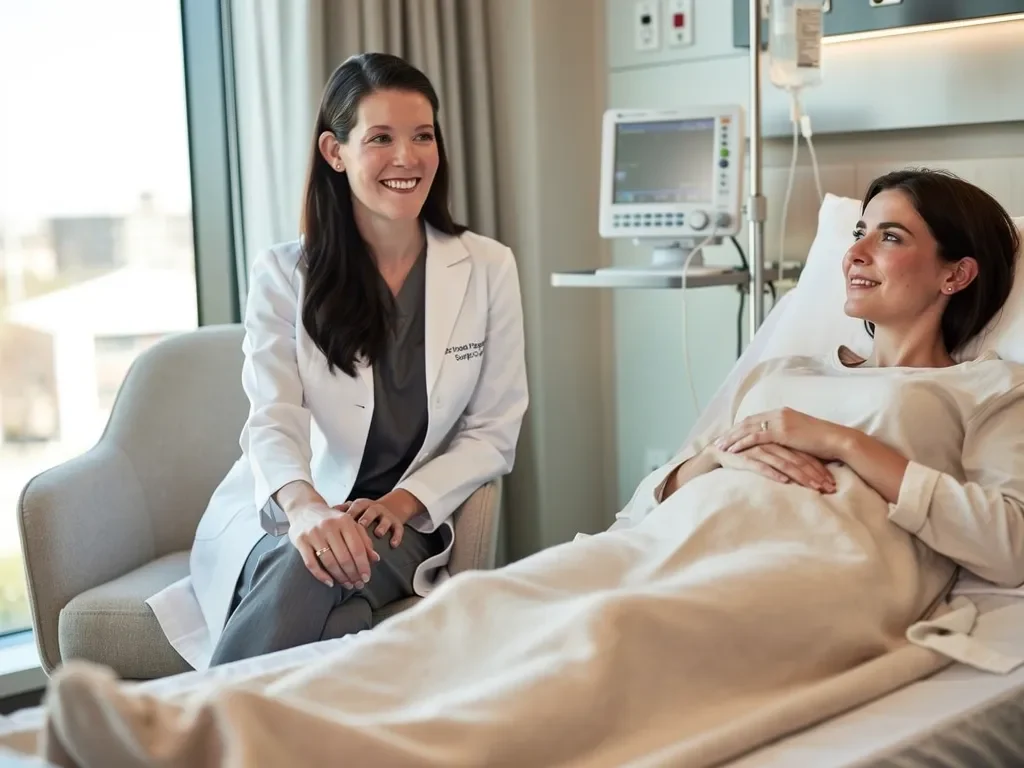
The recovery timeline after endometriosis excision surgery varies among individuals but generally unfolds in distinct, manageable phases. Each phase carries specific expectations for activity levels, pain management, and monitoring. Patients who understand the progression are better equipped to set realistic goals and avoid setbacks. Adherence to post-operative instructions from the care team remains essential at every stage.
Immediate Recovery Phase (Days 0–3)
During the first three days following surgery, patients are monitored closely in a clinical setting before transitioning home. Pain management is prioritized through prescribed medications and supportive nursing care. Movement is limited to brief, assisted walking to promote circulation and reduce the risk of blood clots. Rest is the single most important activity during this window, and patients should resist the urge to resume normal tasks prematurely. Any sudden changes in vital signs or pain levels should be reported to the care team immediately.
Early Recovery Phase (Weeks 1–2)
The first two weeks mark a gradual transition from complete rest to light, purposeful activity. Most patients return home and are encouraged to take short walks several times daily to support healing. Pain levels typically begin to decrease, though fatigue remains common and should not be ignored. Incision sites must be kept clean, dry, and free from irritants during this period. Patients should maintain regular communication with their surgical team to report any unexpected symptoms.
Intermediate Recovery Phase (Weeks 3–6)
By weeks three through six, most patients experience meaningful improvements in both pain levels and physical capacity. Light household tasks and non-strenuous work responsibilities may be gradually reintroduced with the surgeon’s approval. Social engagement can resume as energy allows, though patients should respect their body’s limits and avoid overexertion. Many patients report significant reductions in the chronic pelvic pain that prompted surgery during this phase. A follow-up appointment is typically scheduled within this window to assess healing progress.
Essential Care Guidance

Effective post-operative care requires a structured, consistent approach to physical recovery and symptom management. Patients who follow evidence-based care guidelines tend to experience fewer complications and shorter overall recovery times. The following practices form the foundation of safe recovery from endometriosis excision surgery. Each recommendation is designed to protect the surgical site, manage discomfort, and support the body’s natural healing mechanisms.
Pain Management Techniques
Prescribed analgesic medications form the cornerstone of post-operative pain control and should be taken as directed rather than on an as-needed basis in the early recovery phase. Heat therapy applied to the lower abdomen can reduce cramping and provide meaningful relief between medication doses. Gentle relaxation techniques, including deep breathing exercises and guided meditation, complement pharmaceutical pain management effectively. Patients should maintain a daily pain log to track intensity and patterns, which assists the clinical team in refining the management plan. Any escalation in pain beyond the expected trajectory warrants prompt medical evaluation.
Incision Care and Hygiene
Surgical incision sites must be inspected daily for signs of redness, swelling, discharge, or warmth that may indicate infection. Patients should follow their surgeon’s specific instructions regarding bathing, dressing changes, and when it is safe to submerge the sites in water. Keeping the area dry and clean is paramount, as moisture creates conditions favorable to bacterial growth. Loose, breathable clothing minimizes friction and pressure on healing incisions, improving comfort and reducing irritation. Any unusual changes at the incision site should be reported to the care team without delay.
Emotional and Nutritional Support
Emotional well-being is a vital yet frequently underestimated component of surgical recovery, and patients should not hesitate to seek support from trusted individuals or mental health professionals. A nutrient-dense diet rich in protein, iron, and anti-inflammatory foods accelerates tissue repair and replenishes energy reserves. Adequate hydration supports every aspect of physiological healing, from circulation to cellular regeneration. Family members and caregivers play an important role in reducing stress and ensuring patients can focus entirely on rest and recovery. Community support groups for endometriosis patients can offer practical guidance and emotional validation from those who share similar experiences.
Signs to Contact Your Healthcare Provider

Recognizing warning signs early is one of the most important responsibilities a patient has during recovery. Certain symptoms indicate that complications may be developing and require immediate clinical evaluation. Prompt communication with the surgical team can prevent minor issues from escalating into serious health risks. Patients are encouraged to err on the side of caution and contact their provider whenever they are uncertain about a symptom.
Pain and Bleeding Concerns
Pain that intensifies rather than gradually improves beyond the first few days post-surgery is a significant warning sign that should never be dismissed. Heavy vaginal bleeding, soaking more than one pad per hour, represents an urgent situation requiring immediate medical attention. Bloating accompanied by a hard, distended abdomen may indicate internal bleeding or bowel complications. Shoulder or neck pain following laparoscopic surgery can signal residual gas irritation affecting the diaphragm, which is typically transient but should be assessed. Any sudden onset of severe pain unlike what was experienced in the immediate post-operative period warrants emergency evaluation.
Signs of Infection
Redness, warmth, or swelling spreading from the incision site beyond the first 48 hours may indicate a developing wound infection. Discharge that is cloudy, malodorous, or increasing in volume is a clear indicator that medical review is necessary. A fever exceeding 38°C (100.4°F) persisting for more than 24 hours post-discharge should prompt an urgent call to the surgical team. Systemic symptoms such as chills, rigors, or general malaise alongside localized incision changes strengthen the suspicion of infection. Early antibiotic intervention, when indicated, significantly reduces the risk of more serious complications.
Urinary and Bowel Symptoms
Difficulty urinating, a burning sensation during urination, or reduced urine output may reflect a urinary tract infection or, less commonly, a urological complication of surgery. Absence of bowel movements beyond three to four days post-surgery, combined with increasing abdominal discomfort, should be discussed with the care team. Nausea and vomiting that persist beyond the first 24–48 hours or recur after initial resolution require clinical assessment. Any passage of blood in the urine or stool following surgery is an abnormal finding and must be reported immediately. Patients with a history of bowel endometriosis should be especially vigilant about gastrointestinal symptoms during recovery.
Understanding Endometriosis Excision Surgery
Endometriosis excision surgery is widely regarded as the gold standard surgical approach for managing endometriosis, particularly in moderate-to-severe cases. The procedure aims to remove all visible endometrial-like lesions while preserving healthy surrounding tissue, thereby reducing pain and improving reproductive outcomes. A thorough understanding of the procedure and its implications empowers patients to engage meaningfully in their care. The surgical approach and the complexity of disease present at the time of surgery are the primary determinants of recovery trajectory.
What the Laparoscopic Procedure Involves
Laparoscopic excision surgery is a minimally invasive technique performed through small incisions using a high-definition camera and precision surgical instruments. Preoperative imaging and evaluation allow the surgical team to map the extent of disease and plan an individualized approach before the patient enters the operating room. During the procedure, the surgeon meticulously excises endometrial lesions from all affected structures, which may include the ovaries, fallopian tubes, bowel, bladder, and pelvic peritoneum. The minimally invasive nature of the approach results in reduced blood loss, smaller scars, and shorter hospital stays compared to open surgical techniques. Postoperative instructions are tailored to the scope of the procedure performed and the structures involved.
How Complex Disease Affects Postoperative Outcomes
Patients with advanced-stage endometriosis involving multiple pelvic organs face a more complex surgical experience and, consequently, a more demanding recovery. Larger excised areas require more extensive tissue repair, which can prolong healing timelines and increase the likelihood of post-operative fatigue. Pain management may require a more aggressive multimodal strategy when the disease burden at surgery is significant. Closer postoperative monitoring is essential in these cases to detect early signs of complications such as bowel or urinary dysfunction. Despite greater initial complexity, thorough excision in advanced cases is associated with improved long-term symptom relief and quality of life.
Setting Realistic Postoperative Expectations
Every patient’s recovery is shaped by a unique combination of factors, including age, baseline health, surgical complexity, and individual pain tolerance. It is normal for recovery to be non-linear, as patients may feel well one day and experience increased fatigue or discomfort the next. Avoiding comparisons to other patients’ experiences is important, as the extent of disease and surgical findings differ significantly between individuals. The surgical team is the most reliable resource for interpreting recovery progress and adjusting expectations accordingly. Open, honest communication with the care team ensures that any deviations from the expected recovery course are identified and addressed promptly.
Activity Resumption and Exercise

A structured and gradual return to physical activity is a critical component of recovery from endometriosis excision surgery. Resuming activity too quickly can disrupt healing, increase pain, and elevate the risk of complications. Equally, prolonged inactivity can contribute to deconditioning, blood clots, and low mood. The pace of return to activity should always be guided by the surgical team’s recommendations and the patient’s own symptom response.
Returning to Light Daily Activities
Most patients can begin integrating light daily activities, such as preparing simple meals, personal hygiene, and short walks, within the first week following surgery. These activities should be approached gradually, with rest periods interspersed throughout the day to prevent fatigue accumulation. Patients should avoid standing for extended periods, lifting objects heavier than five pounds, or engaging in activities that require bending and twisting in the early weeks. Driving is typically contraindicated while taking opioid pain medications and until the patient can perform emergency maneuvers without discomfort. Each patient’s threshold for activity will differ, and self-monitoring for pain flares is an essential skill during this phase.
Guidelines for Returning to Work
The timing of return to work depends heavily on the nature of the patient’s occupation and the complexity of the surgery performed. Patients in sedentary or desk-based roles may be able to return to work within two to four weeks, often beginning with reduced hours or remote arrangements. Those in physically demanding occupations, including roles requiring lifting, prolonged standing, or physical exertion, should expect a longer period of work absence, often six weeks or more. A phased return, where workload and hours are incrementally increased, is recommended to prevent relapse or overexertion. Patients should obtain formal clearance from their surgeon before resuming any occupational duties.
Safe Return to Exercise
Strenuous exercise, including high-impact aerobics, resistance training, and core-intensive workouts, should be avoided for a minimum of six weeks post-surgery or until specifically cleared by the surgical team. Gentle walking is the preferred initial exercise and can be progressively extended in duration and pace as recovery advances. Low-impact activities such as swimming and yoga may be reintroduced in the intermediate recovery phase with appropriate modifications. Returning to exercise too aggressively risks reopening healing tissue, increasing inflammation, and prolonging overall recovery. Patients with pre-existing fitness routines should work with both their surgeon and a physiotherapist to design a safe return-to-exercise plan.
Pain Management During Recovery

Effective pain management is fundamental to a successful recovery from endometriosis excision surgery and directly influences a patient’s ability to rest, move, and heal. Post-operative pain is expected and manageable with the right combination of pharmaceutical and supportive strategies. Patients who take an active, informed approach to pain management tend to report better recovery experiences. The goal is not to eliminate pain entirely but to keep it at a level that allows rest and gradual activity.
Pharmaceutical Pain Relief Strategies
The surgical team will prescribe a tailored pain management regimen, which commonly includes non-steroidal anti-inflammatory drugs (NSAIDs), acetaminophen, and in some cases short-term opioid analgesia. Medications should be taken on a scheduled basis in the early post-operative period rather than waiting until pain becomes severe, as this maintains more consistent blood levels and superior control. Patients should be fully informed about the side effects of prescribed medications, including constipation associated with opioid use, which can be mitigated with dietary fiber and appropriate laxative use. Any allergic reactions or unexpected side effects should be reported immediately to the prescribing team. Medication requirements typically diminish substantially by the end of the second week as tissue healing progresses.
Complementary and Alternative Pain Relief
Heat therapy in the form of a warm compress or heating pad applied to the lower abdomen remains one of the most accessible and effective non-pharmacological pain relief methods. Transcutaneous electrical nerve stimulation (TENS) has demonstrated efficacy in managing pelvic pain and may be a useful adjunct during recovery. Acupuncture and therapeutic massage, when provided by appropriately qualified practitioners, can reduce muscle tension and support overall relaxation. Mindfulness-based stress reduction techniques have been shown to lower pain perception and improve psychological resilience in post-surgical patients. Patients should discuss any complementary therapies with their clinical team before initiating them to ensure compatibility with their recovery plan.
Monitoring and Reporting Pain
Keeping a structured pain diary, recording intensity on a validated scale, location, character, and any identifiable triggers, provides the clinical team with objective data to refine the management strategy. Patients should be familiar with the difference between expected post-operative soreness and pain patterns that may suggest a complication, such as sudden sharp pain or pain accompanied by fever. A pain level that fails to improve or that worsens after the initial 72-hour post-operative period should be communicated to the care team promptly. Patients are encouraged to be candid and detailed when describing pain during follow-up appointments rather than minimizing their experience. Effective pain communication is a clinical skill that directly influences the quality of care received.
Postoperative Care and Follow-Up

Structured postoperative care and consistent follow-up with the surgical team are essential pillars of a safe and complete recovery. These practices ensure that healing progresses as expected, complications are identified early, and the patient’s physical and emotional needs are continuously addressed. Patients who engage actively in their follow-up care tend to achieve better long-term outcomes. The care team relies on the patient’s self-reported symptoms and observations as much as clinical findings to guide ongoing management.
Wound Care Best Practices
Incision sites should be inspected at least once daily using clean hands and adequate lighting to assess for any changes in appearance. Dressings, if present, should be changed according to the care team’s specific instructions, and patients should avoid applying any creams, ointments, or adhesives not recommended by their surgeon. Showering is generally permissible within 24–48 hours of discharge, but the incision sites should be patted dry gently rather than rubbed. Submerging in baths, hot tubs, or swimming pools should be avoided until the surgical team confirms that all wounds are fully healed. Scar management, including silicone gel application, may be recommended in later stages to optimize cosmetic outcomes.
Importance of Follow-Up Appointments
The first post-operative follow-up is typically scheduled within one to two weeks of discharge and serves as a critical checkpoint for wound assessment, medication review, and early complication screening. Subsequent appointments allow the surgeon to evaluate the degree of symptom improvement relative to pre-operative levels and plan any additional interventions if needed. Patients should prepare for each appointment by documenting symptoms, questions, and observations in advance to make the most of their consultation time. Imaging studies or laboratory investigations may be ordered at follow-up visits to confirm internal healing and rule out recurrence. Missing scheduled follow-up appointments, even when feeling well, is strongly discouraged as subclinical complications may be present without obvious symptoms.
Long-Term Monitoring for Recurrence
Endometriosis is a chronic condition, and long-term monitoring following excision surgery is essential to detect signs of recurrence and respond promptly. Patients should remain aware of the symptom patterns that characterized their disease prior to surgery, as a return of these symptoms may warrant re-evaluation. Annual gynecological review, including ultrasound assessment where appropriate, is recommended for most patients following excision surgery. Hormonal therapies may be advised post-operatively in certain cases to suppress the endometrial environment and reduce recurrence risk. A collaborative, long-term relationship between the patient and the surgical team is the most effective safeguard against disease progression.
Fertility and Family Planning After Surgery

Endometriosis excision surgery can have a profoundly positive impact on fertility by restoring normal pelvic anatomy and removing tissue that interferes with conception. Many patients choose surgery specifically to improve their chances of natural conception or to enhance the outcomes of assisted reproductive technologies. Understanding the relationship between excision surgery and fertility enables patients to make well-informed family planning decisions in partnership with their specialist. Fertility outcomes following surgery are influenced by multiple individual factors and should be discussed in detail with the treating team.
Expected Fertility Outcomes After Excision
Research supports that endometriosis excision surgery improves spontaneous pregnancy rates, particularly in patients with moderate-to-severe disease affecting the fallopian tubes, ovaries, or pelvic peritoneum. The removal of endometriomas and adhesions restores ovarian accessibility and improves the tubo-ovarian relationship, which is critical for natural conception. Studies have demonstrated meaningful improvements in both spontaneous conception rates and in vitro fertilization (IVF) outcomes following thorough excision. The degree of fertility improvement correlates with the completeness of excision and the baseline severity of disease at the time of surgery. Patients with additional fertility-related diagnoses, such as diminished ovarian reserve or male factor infertility, will require a comprehensive, individualized fertility evaluation regardless of surgical outcomes.
Timing Conception After Surgery
Most surgeons recommend allowing a minimum of three to six months of recovery before attempting conception following excision surgery, to allow complete healing of the pelvic structures. Attempting conception too early carries the risk of placing physical stress on healing tissue and may complicate outcomes. Patients who are planning to pursue IVF following surgery should coordinate the timing of their fertility treatment with both the reproductive endocrinologist and the excision surgeon. The post-operative hormonal environment may be temporarily altered, and the fertility specialist can advise on the optimal timing for ovarian stimulation. Engaging in fertility planning discussions early in the postoperative period ensures that all options are explored in a timely and informed manner.
When to Discuss Fertility Options With a Specialist
Patients who wish to conceive following surgery are encouraged to initiate a fertility consultation within the first three months post-operatively, even if they do not plan to attempt conception immediately. Early engagement allows the fertility specialist to establish a baseline assessment of ovarian reserve and reproductive anatomy following surgery. Patients over the age of 35, or those with a known history of diminished ovarian reserve, should prioritize early fertility evaluation given the time-sensitive nature of age-related fertility decline. The conversation should encompass all available options, including natural conception, ovulation induction, intrauterine insemination (IUI), and IVF, so that patients can make decisions aligned with their personal and medical circumstances. A multidisciplinary approach involving both the excision surgeon and a reproductive endocrinologist provides the most comprehensive framework for post-operative fertility planning.
Emotional Health and Psychological Support

Recovery from endometriosis excision surgery encompasses far more than physical healing, and the psychological dimensions of the experience are equally significant and deserving of attention. Patients may encounter a range of emotional responses following surgery, from relief and optimism to anxiety, grief, or frustration. Proactive emotional support during the recovery period enhances resilience and contributes directly to improved overall outcomes. The surgical team and ancillary support services are available to assist patients in navigating these psychological dimensions of recovery.
Common Psychological Challenges After Surgery
Postoperative anxiety is a recognized phenomenon that can manifest as worry about recovery progress, fear of disease recurrence, or concern about fertility outcomes. Depression may emerge in patients who experience a slower-than-expected recovery or who had high pre-operative expectations that have not yet been met. Sleep disturbances are common in the early recovery period and can exacerbate emotional vulnerability and pain sensitivity. The chronicity of endometriosis, and the journey many patients have endured before reaching surgery, can leave residual psychological trauma that surfaces during the recovery period. Patients experiencing persistent low mood, hopelessness, or anxiety beyond two weeks post-surgery should seek a formal mental health evaluation.
Building a Supportive Recovery Environment
A structured support network, including family members, close friends, and trusted caregivers, significantly reduces the emotional burden of surgical recovery. Designating a primary support person to assist with practical tasks such as transportation, meal preparation, and medication management frees the patient to focus entirely on rest and healing. Open communication between the patient and their support network about specific needs and boundaries reduces misunderstandings and fosters a more effective caregiving dynamic. Healthcare providers should be informed if the patient lacks adequate social support, as community resources and home care services may be available to fill the gap. A calm, low-stimulus home environment in the immediate recovery period supports both physical rest and psychological recovery.
Resources and Professional Support Available
Endometriosis-specific support organizations and online patient communities offer a wealth of shared experience, practical advice, and emotional validation for patients navigating recovery. Licensed therapists and psychologists with experience in chronic illness and surgical recovery can provide targeted cognitive-behavioral strategies to manage anxiety and depression. The Endometriosis Center of Excellence provides patients with access to a multidisciplinary care team that includes support for the psychological dimensions of recovery alongside clinical management. Peer mentorship programs, where patients connect with others who have successfully completed recovery, can be particularly powerful in building confidence and reducing isolation. Patients are encouraged to proactively seek these resources rather than waiting until emotional challenges become overwhelming.
Conclusion
Recovery from endometriosis excision surgery is a multifaceted process that demands attention to physical healing, pain management, emotional well-being, and long-term follow-up. By understanding the recovery timeline, adhering to post-operative care guidelines, and engaging proactively with the surgical team, patients can navigate this period with confidence and clarity. Fertility and psychological health are integral components of the recovery journey and should be addressed with the same rigor as physical rehabilitation. The Endometriosis Center of Excellence is committed to supporting patients through every phase of this process, from the operating room to full recovery and beyond.