
For women living with endometriosis, questions about fertility are often not just about options, but about timing. Knowing when to act can be just as important as knowing what is available.
Because endometriosis can affect reproductive health in different ways over time, fertility planning is rarely a single decision. It is an ongoing process that evolves with symptoms, treatment needs, and personal goals.
Rather than focusing only on specific procedures, it can be helpful to step back and understand how fertility fits into the broader care plan. With the right guidance, women can approach these decisions with greater clarity and confidence.
Understanding Fertility Risk in Endometriosis

Endometriosis does not affect fertility in the same way for every woman. Some may conceive without difficulty, while others may experience challenges related to the condition or its treatment.
What makes fertility planning important is not certainty, but variability. Because the impact can change over time, early awareness allows for more flexibility in decision-making.
How Fertility Risk Can Change Over Time
Several factors influence how endometriosis affects fertility. Disease progression, the presence of ovarian cysts, and prior surgical treatment can all play a role. In some cases, ovarian reserve may gradually decline, particularly if the ovaries are directly involved.
At the same time, life circumstances also evolve. Delayed pregnancy, career planning, or the need for symptom-focused treatment can shift priorities.
Understanding that fertility is not static helps patients and clinicians plan ahead rather than respond later under pressure.
Why Timing Plays a Critical Role in Fertility Preservation
Fertility preservation is not always urgent, but in certain situations, timing can significantly influence outcomes. Acting earlier may provide more options, while delaying decisions can narrow them.
This does not mean rushing into treatment. It means identifying key moments when a conversation about fertility becomes especially relevant.
When to Start the Conversation
There are several points when fertility planning should be discussed more actively. These include:
- Before undergoing ovarian surgery
- When ovarian reserve shows signs of decline
- When pregnancy is being delayed for personal reasons
- When symptoms are progressing or becoming more complex
At these stages, even a simple evaluation can provide valuable insight and help guide next steps.
Key Moments When Fertility Planning Becomes Important

Fertility planning in endometriosis is not a one-time decision. It becomes more relevant at specific points in a patient’s care journey, particularly when changes in symptoms, treatment plans, or reproductive goals arise.
Recognizing these moments early allows for more informed and less time-sensitive decision-making. Instead of reacting to limitations later, patients can evaluate their options while they are still broad and flexible.
Before Surgical Treatment
Surgery is often an important part of managing endometriosis, especially when symptoms are severe or when the disease affects pelvic anatomy. However, certain procedures, particularly those involving the ovaries, can influence ovarian reserve.
For this reason, fertility discussions are often recommended before undergoing surgery. Even if immediate action is not taken, understanding baseline fertility status can help guide decisions about timing and treatment approach.
In some cases, patients may choose to explore preservation strategies prior to surgery. In others, surgery may be prioritized first, with fertility planning revisited afterward. The appropriate sequence depends on individual circumstances and should be carefully coordinated.
When Ovarian Reserve Is a Concern
Ovarian reserve refers to the number and quality of remaining eggs. In women with endometriosis, this can be affected by the condition itself as well as by prior treatments.
Testing methods such as hormone levels and ultrasound imaging can provide insight into ovarian reserve. When these markers begin to show decline, it may be an appropriate time to consider fertility planning more actively.
This does not necessarily mean immediate intervention. Rather, it allows patients to make decisions with a clearer understanding of their current reproductive potential.
When Pregnancy Is Being Delayed
Many women choose to delay pregnancy for personal, professional, or medical reasons. In the context of endometriosis, this delay can have additional implications.
Because both age and disease progression can influence fertility, planning ahead becomes especially valuable. Even when pregnancy is not desired in the near term, having a clear understanding of future options can reduce uncertainty and support long term decision-making. For more detail, see our article Fertility Preservation Options for Endometriosis Care.
How Treatment Decisions Influence Fertility Planning
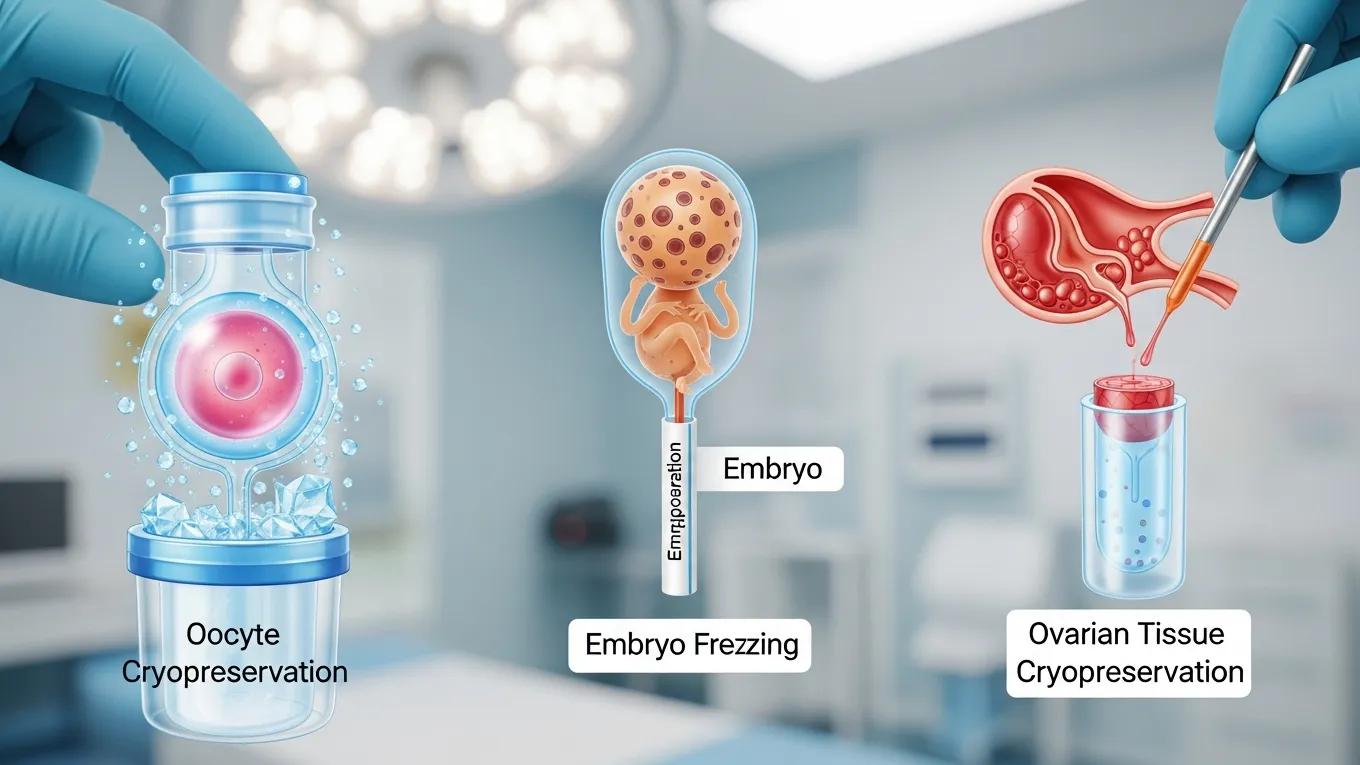
Endometriosis treatment and fertility planning are closely connected. Decisions made to manage symptoms can also affect reproductive health, which is why these aspects are best considered together rather than separately.
A coordinated approach helps ensure that short-term symptom relief does not come at the expense of long-term fertility goals.
Balancing Symptom Relief and Future Goals
Medical treatments, including hormonal therapies, are commonly used to manage symptoms and reduce disease activity. While effective for symptom control, some of these treatments temporarily suppress ovulation.
For patients who are not actively trying to conceive, this may be appropriate. However, when fertility becomes a priority, treatment plans often need to be adjusted.
Understanding how each treatment fits into the broader timeline allows patients to move between symptom management and fertility planning more smoothly.
The Role of Surgical Planning
Surgical decisions are particularly important in fertility planning. While surgery can improve symptoms and restore pelvic anatomy, it also requires careful consideration when the ovaries are involved.
Experienced surgical teams focus on preserving as much healthy tissue as possible. In some cases, fertility planning is considered before surgery to minimize potential impact. In others, surgery may enhance fertility by improving anatomical conditions.
The key is coordination. When surgical and fertility teams work together, treatment can be sequenced in a way that supports both outcomes. For more detail, see our article Fertility Treatment Options for Endometriosis Explained.
Building a Long-Term Fertility Strategy

Fertility planning in endometriosis is most effective when approached as a long-term strategy rather than a single decision point. This involves ongoing evaluation, flexibility, and alignment with changing goals.
A structured plan provides clarity while still allowing for adjustments as circumstances evolve.
Regular Monitoring and Reassessment
Fertility potential can change over time, which makes periodic reassessment important. This may include repeat testing of ovarian reserve or updated imaging, depending on the clinical situation.
Regular follow-up allows patients and clinicians to identify changes early and adapt the plan accordingly. It also helps ensure that opportunities are not missed due to lack of updated information.
Adapting to Changing Priorities
Life circumstances, health status, and personal goals are not static. A fertility plan that works at one stage may need to be adjusted later.
Some patients may move from symptom-focused treatment to active fertility planning. Others may shift timelines based on new priorities. Having a flexible framework in place makes these transitions more manageable.
Working with a Coordinated Care Team
A long-term strategy is most effective when supported by a team that understands both endometriosis and reproductive health. Collaboration between specialists allows for more informed decisions and better continuity of care.
This approach helps reduce uncertainty and ensures that each step, whether related to treatment or planning, fits into a broader and well-defined pathway.
Emotional and Practical Considerations in Fertility Planning

Fertility planning in the context of endometriosis is not only a medical process. It often involves emotional, logistical, and personal considerations that can influence how and when decisions are made.
Many women find that uncertainty around fertility can create stress, especially when timelines are unclear or when multiple treatment paths are being considered. A structured approach, supported by clear information, can help reduce this uncertainty and make decisions feel more manageable. We cover this further in Fertility Preservation for Women with Endometriosis.
Managing Uncertainty and Decision-Making
One of the challenges in fertility planning is that decisions are rarely definitive. Patients may need to weigh present needs against future possibilities, often without complete certainty about outcomes.
Having open discussions with specialists can help clarify:
- What is known about current fertility status
- What risks may change over time
- What options are available now versus later
This type of guidance supports informed decision-making without creating unnecessary pressure to act immediately.
Navigating Practical Factors
In addition to medical considerations, practical factors also play a role in planning. Access to fertility services, scheduling around work or personal commitments, and financial considerations can all influence timing.
Understanding these factors early allows patients to plan ahead more effectively. It also helps avoid delays when decisions need to be made more quickly.
Coordinated care teams often assist with navigating these logistical aspects, making the overall process more streamlined.
The Role of Coordinated, Multidisciplinary Care
Fertility planning in endometriosis is most effective when it is part of a coordinated care model. Because the condition affects multiple aspects of health, input from different specialists is often needed to create a complete and balanced plan.
Rather than approaching treatment and fertility separately, a multidisciplinary model ensures that each decision supports both immediate and long-term goals.
Aligning Treatment and Fertility Goals
Collaboration between endometriosis surgeons, fertility specialists, and other care providers allows for better alignment of treatment steps. This is particularly important when timing matters, such as planning around surgery or adjusting medical therapy.
With coordinated input, patients can move through different stages of care with a clear understanding of how each step contributes to their overall plan.
Creating a Clear Care Pathway
A structured care pathway helps reduce confusion and improves continuity. Patients benefit from:
- Defined next steps
- Coordinated scheduling between specialties
- Consistent follow-up and reassessment
This approach minimizes delays and ensures that important decisions are made at the right time.
Frequently Asked Questions
When should I start thinking about fertility planning with endometriosis?
It is helpful to begin the conversation early, even if pregnancy is not an immediate goal. Key moments include diagnosis, before planned surgery, or when there are concerns about ovarian reserve. Early awareness provides more flexibility in decision-making.
Do I need to take action right away if I am diagnosed with endometriosis?
Not always. In many cases, monitoring and planning are the first steps. Immediate action depends on individual factors such as age, symptoms, and reproductive goals. A specialist can help determine whether observation or intervention is appropriate.
How often should fertility be reassessed?
Reassessment depends on your individual situation. Some patients benefit from periodic testing over time, especially if treatment plans change or if pregnancy is being delayed. Your care team can recommend an appropriate follow-up schedule.
Can treatment for endometriosis affect my future fertility?
Yes, certain treatments, including surgery or hormonal therapy, can influence fertility. This is why planning ahead is important, so that treatment decisions can be made with both current symptoms and future goals in mind. You can read more about endometriosis excision surgery at our center.
What if I am not ready to make decisions about fertility yet?
That is completely valid. Fertility planning does not require immediate action. Even a basic evaluation can provide useful information and allow you to revisit decisions later with greater clarity.
How do I choose the right specialist for fertility planning?
Look for a provider or center with experience in both endometriosis and reproductive health. Access to a multidisciplinary team is especially valuable, as it allows for coordinated care and more comprehensive planning.
Conclusion
Fertility planning in endometriosis is not about making a single decision at a single point in time. It is an ongoing process that evolves alongside your health, your priorities, and your long-term goals.
By understanding how fertility risk can change and recognizing key moments for evaluation, women can approach these decisions with greater confidence. A structured, forward-looking plan allows for flexibility while preserving important options for the future. Read more in Navigating Endometriosis and Fertility Options for Success.
With the support of a coordinated care team, it becomes possible to manage endometriosis effectively while also protecting reproductive potential. Taking the time to plan thoughtfully today can make a meaningful difference in the choices available tomorrow.